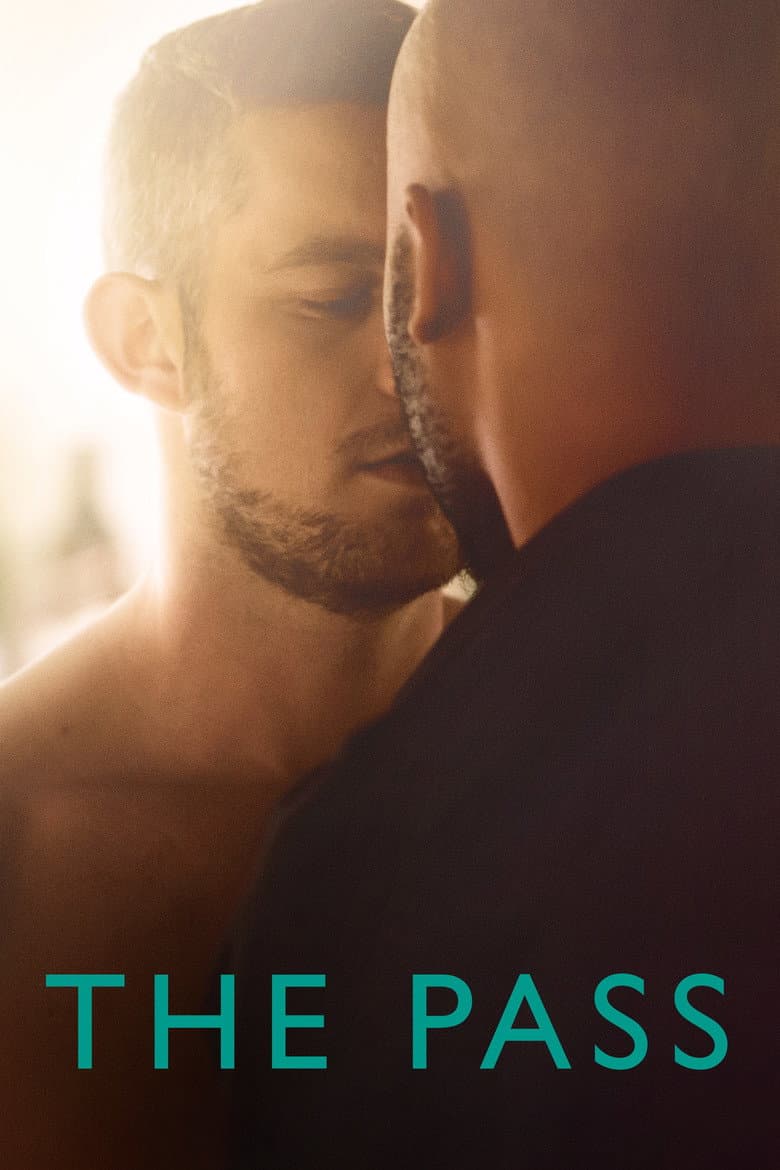
Jason is a young English soccer player who shares a secret kiss with his teammate Ade before their first major match. The two men have trained together since childhood, but Jason fears that love could destroy his career and public image. The story returns to them in three hotel rooms across ten years as fame, marriage, money, and pain pull them apart. The tone moves between crude jokes, sexual tension, sadness, and harsh anger.
The film makes a hidden gay relationship the center of its story. Jason and Ade face homophobia, fear, and strict ideas about how male athletes should act. Jason keeps choosing fame and control over honesty, while Ade shows a more open path. The film also shows how sports fame, press attention, racism, and casual abuse damage their friendship, so the identity theme shapes nearly every major turn.
Community feedback
Was our 74% Woke rating accurate?
Breakdown
These are the editorial factors and ratings behind our score for The Pass.
Woke representation / casting
Not present. Jason is white and Ade is black, but that pairing is plausible in modern British football. The film does not frame the casting as a wider diversity message.
0%
Woke political dialogue
Jason and Ade repeatedly discuss gay identity, rumors, and the rules that male footballers are expected to follow. Jason uses homophobic insults and jokes to hide his fear. Other scenes link public image with the cost of telling the truth. These lines make sexuality and masculine behavior a continuing part of the main conflict.
48%
Identity-driven story themes
The film is built around Jason and Ade’s same-sex attraction and the damage caused by hiding it. Jason’s fear of being known as gay shapes his career, marriage, drug use, anger, and treatment of other people. Ade gives him a more open path, but Jason keeps choosing fame and control. Homophobia and narrow ideas of masculinity remain the main pressure in all three time periods.
94%
Western institutional / cultural critique
The film presents professional football as a world of toxic masculinity that rewards a clean public image and punishes gay openness. Fame, press pressure, and the club’s brand help keep Jason trapped. Jason’s sexist, racist, and homophobic behavior is shown as damaging, not as a healthy ideal. The film does not attack Christianity or all Western institutions, so its critique stays focused on sport, celebrity, and male behavior.
48%
Woke character or canon changes
Not relevant. The film adapts John Donnelly’s stage play and does not change an established character or real historical figure for identity reasons.
0%
Anti-woke backlash and complaints
Not present. No documented anti-woke backlash was found in the reviewed X, news, Reddit, or audience material. Public criticism focused on acting, pacing, the three-room structure, the sad ending, and Jason’s behavior.
0%
Creator track record context
Ben A. Williams has a record of queer stories, including this film and a queer Doctor Who episode. John Donnelly often writes about sexuality, social pressure, and institutions. Duncan Kenworthy has supported film access for underrepresented newcomers through the Toledo Scholarship. Charles Moore has no high-confidence public record of activist or DEI advocacy. Together, these credits provide a moderate pattern of social and representation-focused context.
40%
Production

Movie · 2017
A brilliant but impulsive young surgeon spirals into self-destruction after a painful breakup, struggling to cope with love, loss, and the consequences of his own temper.
Movie · 2025
Laura and Simon have been best friends since college. Over the years, they've realized their bond is more than platonic.

Movie · 2018
A man and a woman meet in the ruins of post-war Poland. With vastly different backgrounds and temperaments, they are fatally mismatched and yet drawn to each other.
Movie · 2017
Nothing is as it seems in this riveting World War 2 thriller as a wary soldier goes to investigate a mysterious German monarch at his secluded mansion, leading him into a web of…

Movie · 2018
Seasoned musician Jackson Maine discovers — and falls in love with — struggling artist Ally. She has just about given up on her dream to make it big as a singer — until Jack…

Movie · 2019
England, early 20th century. The future writer and philologist John Ronald Reuel Tolkien (1892-1973) and three of his schoolmates create a strong bond between them as they share…

Movie · 2025
18-year-old Noah moves from America to London, with her mother who's recently fallen in love with William, a wealthy British businessman.
Movie · 2018
The coming-of-age tale of 16-year-old Lina Vilkas who is deported to Siberia amid Stalin's reign of terror in the Baltic region during WWII.
