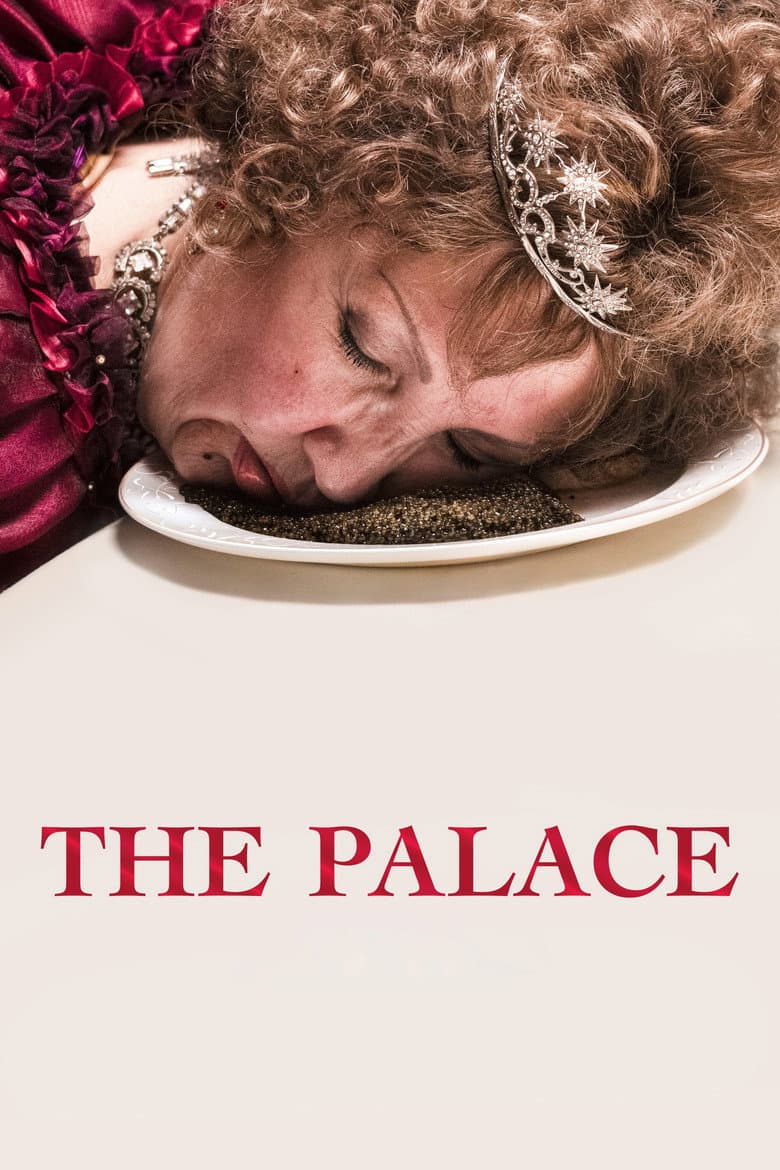
The Palace follows Hansueli, the careful manager of a grand hotel in the Swiss Alps. On New Year’s Eve in 1999, he must serve wealthy guests while their private problems explode around him. A Russian group hides cash, a businessman tries to use the Y2K scare, and a young bride tries to keep her husband’s death secret until she can inherit his money. The film uses loud black comedy, crude jokes, sex, and strange accidents to show a world ruled by rich people and bad manners.
The film centers on a broad attack on wealthy guests who treat workers as servants and use money to escape trouble. The staff keep the hotel running while the guests reveal greed, vanity, lust, fear, and foolishness. The plot also uses a huge age gap, a young wife seeking an inheritance, Russian money, and the change from Yeltsin to Putin for dark jokes. The result is an old-fashioned class satire built from sexual comedy, rich-person greed, and social chaos.
Community feedback
Was our 2% Woke rating accurate?
Breakdown
These are the editorial factors and ratings behind our score for The Palace.
Woke representation / casting
Not present. The film uses European, Russian, and American characters who fit the hotel’s international guest list. The story does not make their identities a message.
0%
Woke political dialogue
Not present. The characters mention the Y2K scare and the transfer of power from Yeltsin to Putin. Their talk stays within the 1999 plot and does not become modern activist or identity politics dialogue.
0%
Identity-driven story themes
Not present. The story follows greed, sex, death, money, and hotel chaos among rich guests. No character arc turns those events into an identity campaign.
0%
Western institutional / cultural critique
Not present. The film mocks rich guests and shows workers serving them. That is broad class comedy, without a modern attack on Western institutions, family life, or traditional social roles.
0%
Woke character or canon changes
Not relevant. The film is an original hotel farce, not an adaptation with established characters or a real historical story. Its brief use of Yeltsin and Putin does not change a known character or event for identity messaging.
0%
Anti-woke backlash and complaints
Not present. Public arguments focused on Polanski’s past, distribution, and the film’s crude humor. No clear anti-woke complaint said that the movie pushes DEI, identity politics, or activist messaging.
0%
Creator track record context
Roman Polanski has no high-confidence record of DEI or identity-driven activism in the cached creator record. Jerzy Skolimowski is linked to anti-Stalinist political dissent, while Ewa Piaskowska is mainly linked to art-house film work. Jean-Louis Porchet and Dietmar Güntsche have limited credits tied to representation-focused stories. The wider team shows no strong shared activist pattern.
8%
Production
Movie · 2023
The true story of how Dave Fishwick, a working class man and self-made millionaire, fought to set up a community bank so that he could help the local businesses of Burnley not…

Movie · 2021
Veteran comedy writer Charlie Berns, who is slowly but surely losing his grip on reality, befriends a talented young New York street singer Emma Payge.
Movie · 2025
An eccentric lottery winner who lives alone on a remote island tries to make his fantasies come true by getting his favourite musicians to perform at his home.
Movie · 2019
The story of Rudy Ray Moore, who created the iconic big screen pimp character Dolemite in the 1970s.
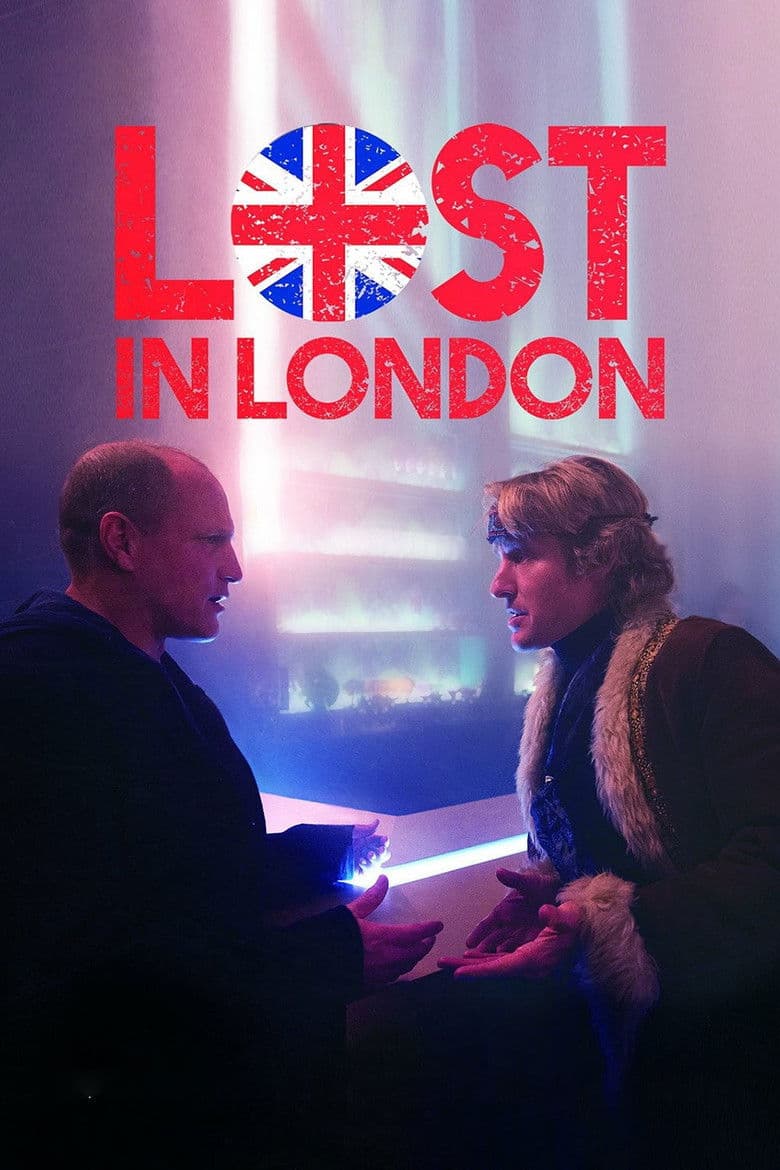
Movie · 2017
Within the course of a night, Woody Harrelson finds himself in a misadventure in London that winds him up in prison.
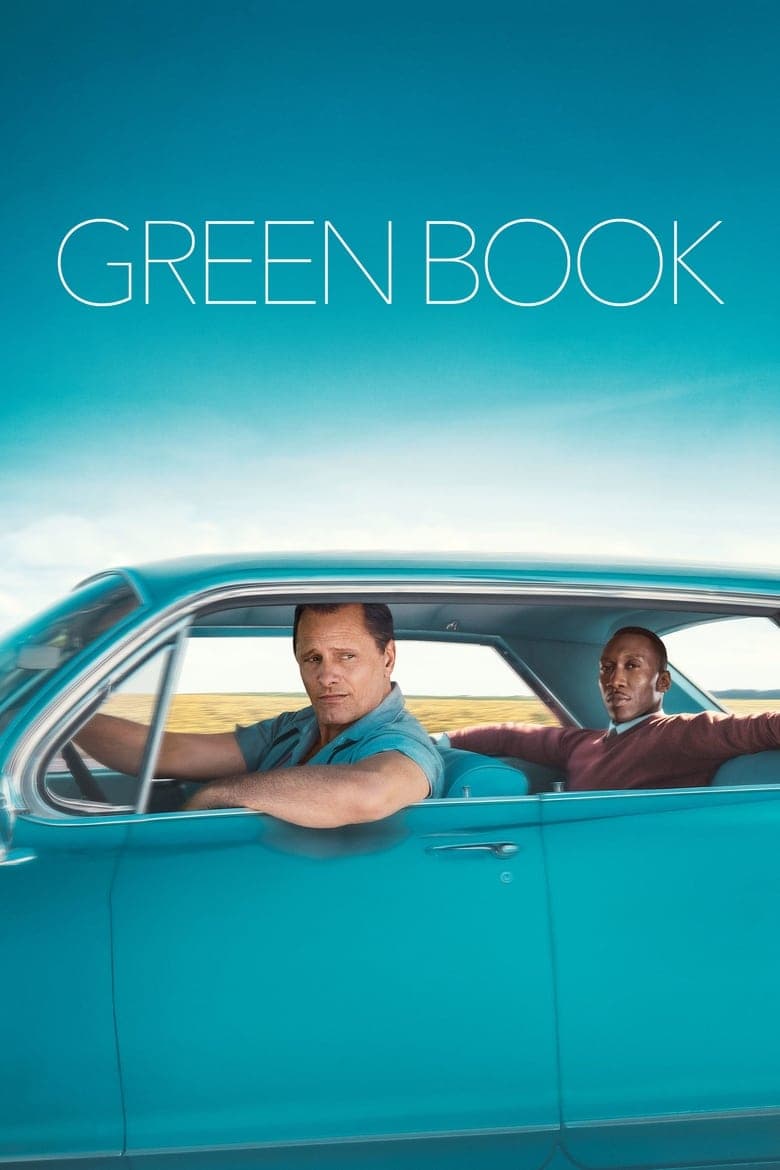
Movie · 2018
Tony Lip, a bouncer in 1962, is hired to drive pianist Don Shirley on a tour through the Deep South in the days when African Americans, forced to find alternate accommodations and…
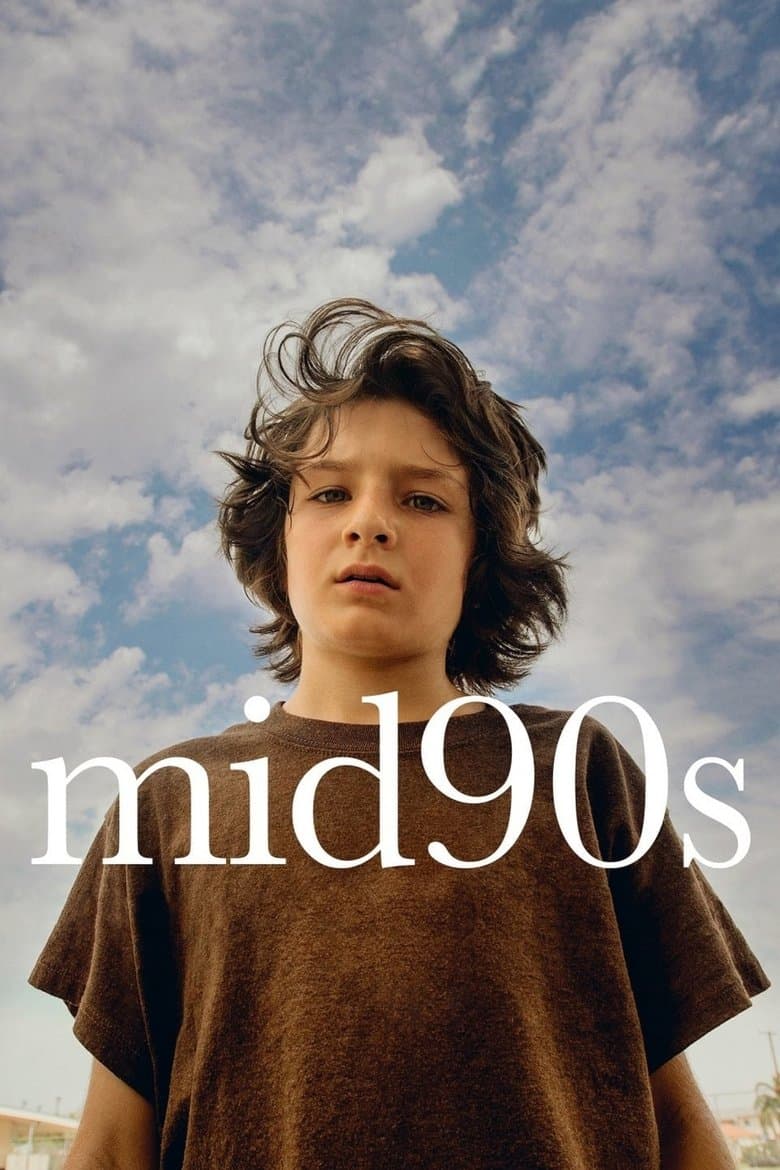
Movie · 2018
In 1990s Los Angeles, a 13-year-old spends his summer navigating between a troubled home life and a crew of new friends he meets at a skate shop.
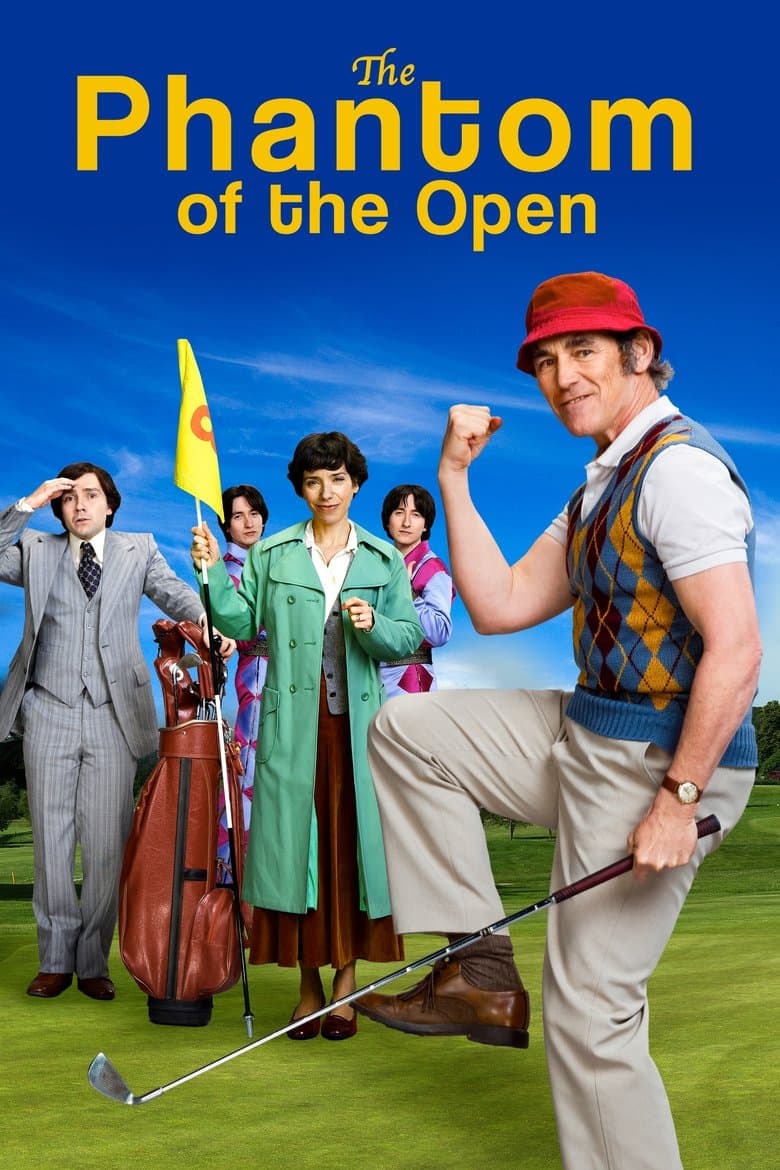
Movie · 2022
Maurice Flitcroft, a dreamer and unrelenting optimist, managed to gain entry to The British Open Golf Championship qualifying in 1976 and subsequently shot the worst round in Open…
