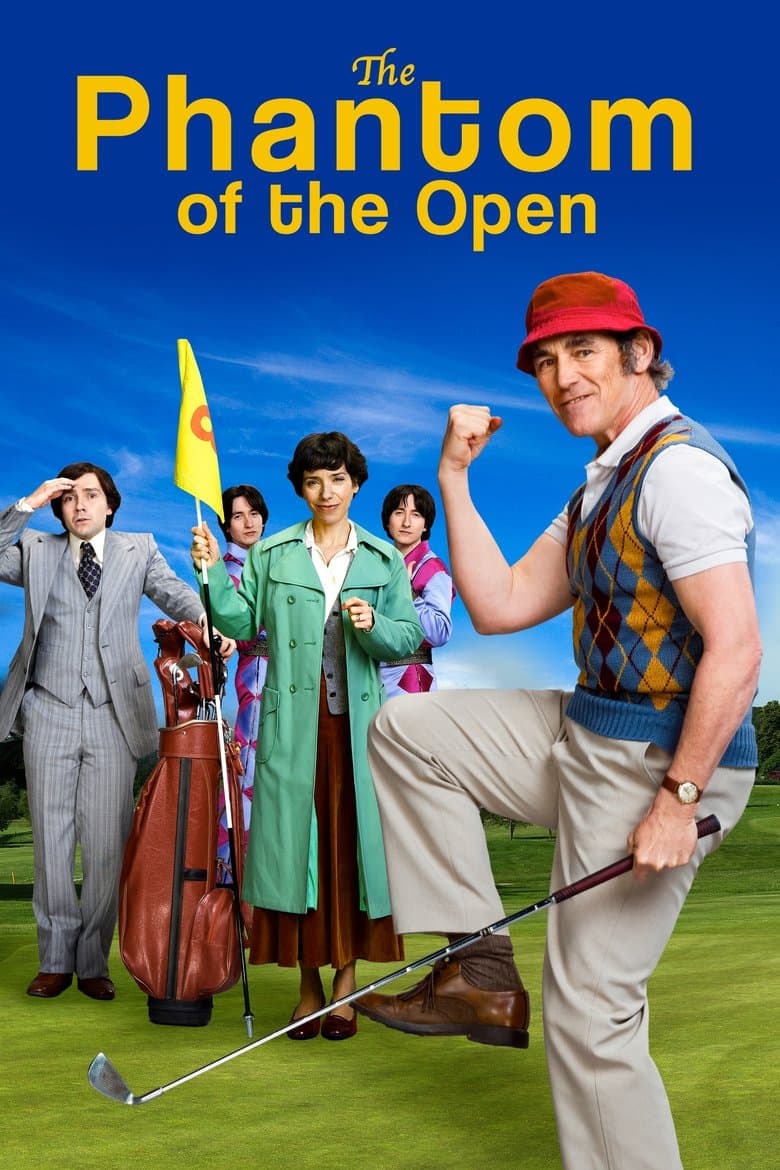
In 1970s Barrow-in-Furness, Maurice Flitcroft works as a crane operator at a shipyard and worries about losing his job. He sees a golf match on television and suddenly decides to chase a new dream. Maurice sneaks into the 1976 British Open even though he has never played a full round of golf, then sets the event's worst score. His wife Jean and their sons stand beside him as the golf leaders try to stop him. The film uses bright comedy, gentle sadness, and a warm underdog style.
The story praises hope, family support, and the joy of trying when success seems unlikely. Maurice's home life is set against a formal golf world that treats him as an outsider. The film laughs at the club's stiff rules and its dislike of people who do not fit its idea of a proper golfer. Jean supports Maurice, but the story also shows that his dream can bring money problems and stress to the family. Later attempts under fake names turn his failure into a strange kind of fame.
Community feedback
Was our 6% Woke rating accurate?
Breakdown
These are the editorial factors and ratings behind our score for The Phantom of the Open.
Woke representation / casting
Not present. Casting uses white British actors for every principal role in line with the 1970s working-class Barrow-in-Furness setting and real people depicted. No patterns of identity signaling, quota-style choices, or emphasis on diversity appear in prominent positions. Selections follow story and historical logic without modern adjustments.
0%
Woke political dialogue
Not present. No activist speeches, identity-focused conversations, or explicit messaging on gender, race, sexuality, DEI, or social justice topics exist in the film. Dialogue stays on family, dreams, golf attempts, and personal persistence in a comedic register.
0%
Identity-driven story themes
Not present. The narrative tracks a working-class dreamer challenging sports elites and supporting his family's ambitions, with class differences visible in the 1970s British context. These elements come directly from documented events and play as optimistic comedy rather than identity politics or activist reframing.
0%
Western institutional / cultural critique
Not present in this title.
0%
Woke character or canon changes
Not relevant. The film adapts a real person's documented life and events from the source book with standard biopic comedic touches. No identity-driven or DEI-style alterations to historical figures or canon appear.
0%
Anti-woke backlash and complaints
Not present. No anti-woke or right-leaning complaints treating the film as activist, DEI, or identity-politics content surfaced in reviews, news, or social media. Reaction stayed centered on entertainment value.
0%
Creator track record context
Simon Farnaby brings mild liberal and anti-Brexit context from earlier work. Mark Rylance has a record of peace and anti-war activism. Alison Thompson, Mary Burke, and Shaheen Baig have some links to diversity, LGBTQ+ projects, or inclusive casting. The available interviews frame this film around family, hope, and an underdog story rather than identity politics.
28%
Production

Movie · 2016
Aspiring New York City artist John Hollar returns to his Middle America hometown on the eve of his mother’s brain surgery.

Movie · 2020
Four stagnant high school teachers decide to test out a theory that maintaining a constant level of intoxication will improve their overall lives.
Movie · 2019
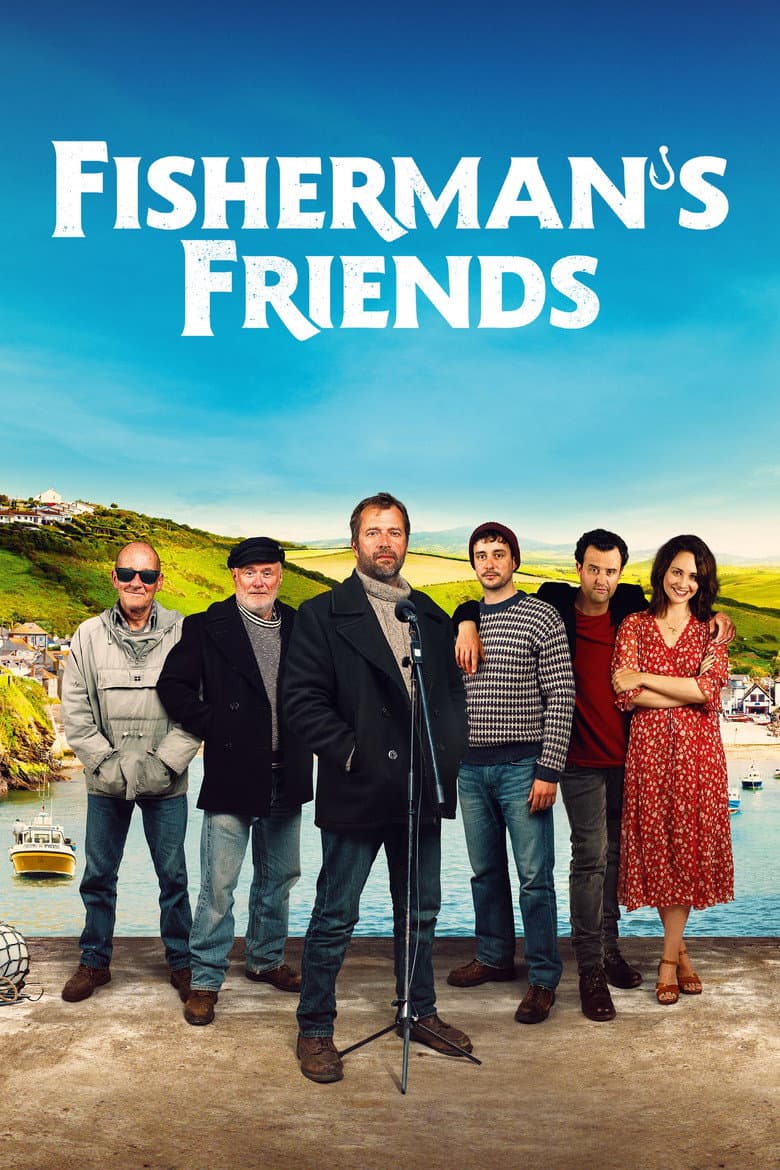
Ten fishermen from Cornwall are signed by Universal Records and achieve a top ten hit with their debut album of Sea Shanties.
Movie · 2025
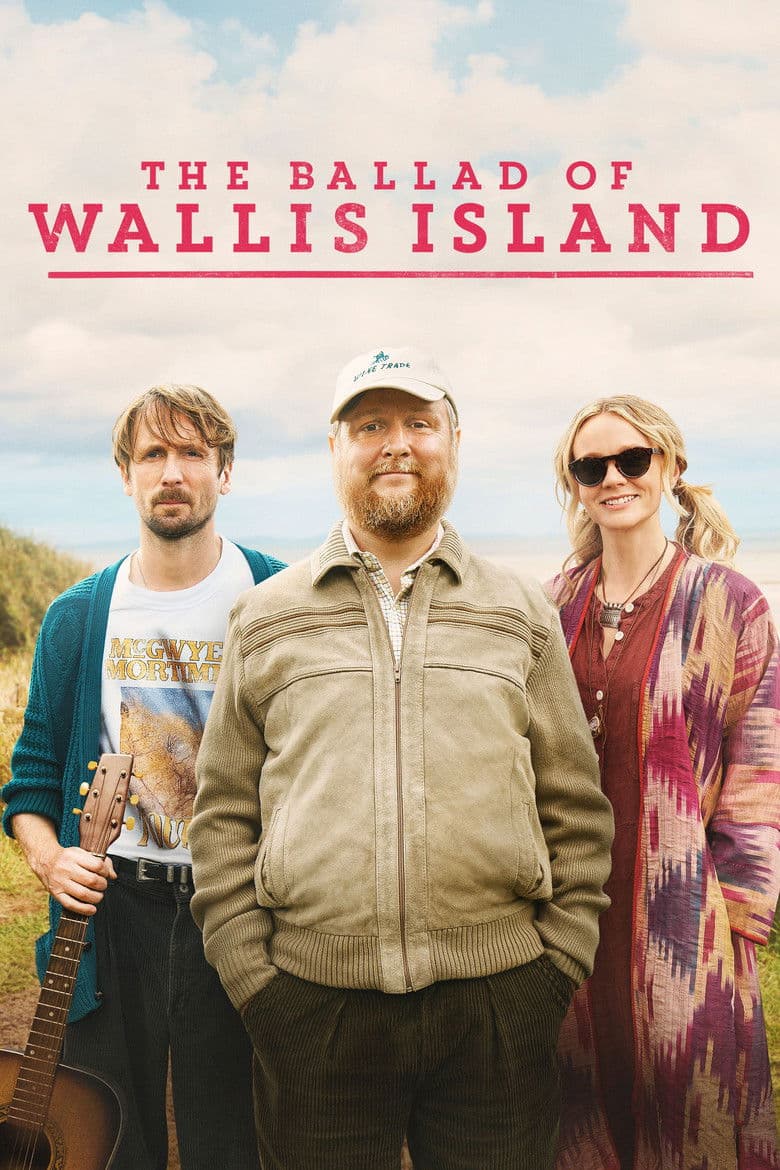
An eccentric lottery winner who lives alone on a remote island tries to make his fantasies come true by getting his favourite musicians to perform at his home.

Movie · 2022
The remarkable true story of how retiree Jerry Selbee discovers a mathematical loophole in the Massachusetts lottery and, with the help of his wife, Marge, wins $27 million…
Movie · 2017
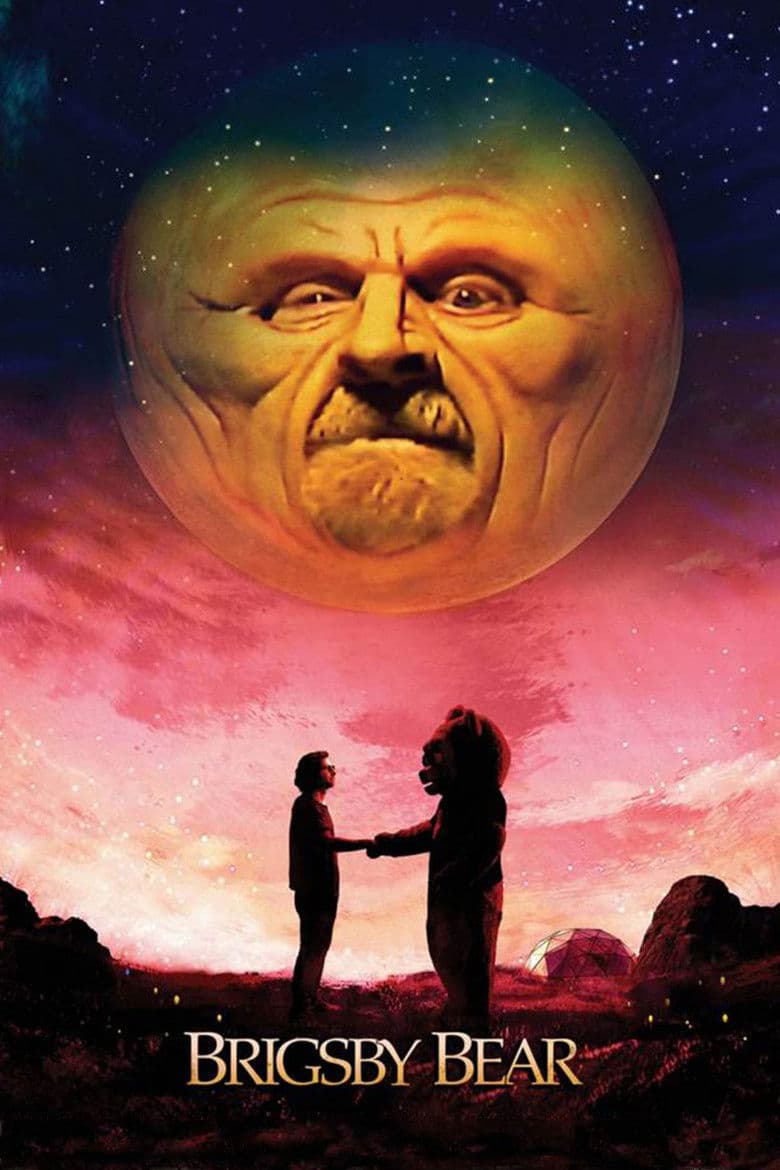
Brigsby Bear Adventures is a children's TV show produced for an audience of one: James. When the show abruptly ends, James's life changes forever, and he sets out to finish the…

Movie · 2018
An American hypochondriac who is working as a baggage handler is forced to confront his fears when a British teenager with a terminal illness enlists him to help her carry out her…

Movie · 2023
Single mom Flora is at a loss about what to do with her rebellious teenage son, Max. Her efforts to keep him out of trouble lead to a beat-up acoustic guitar, a washed-up LA…
