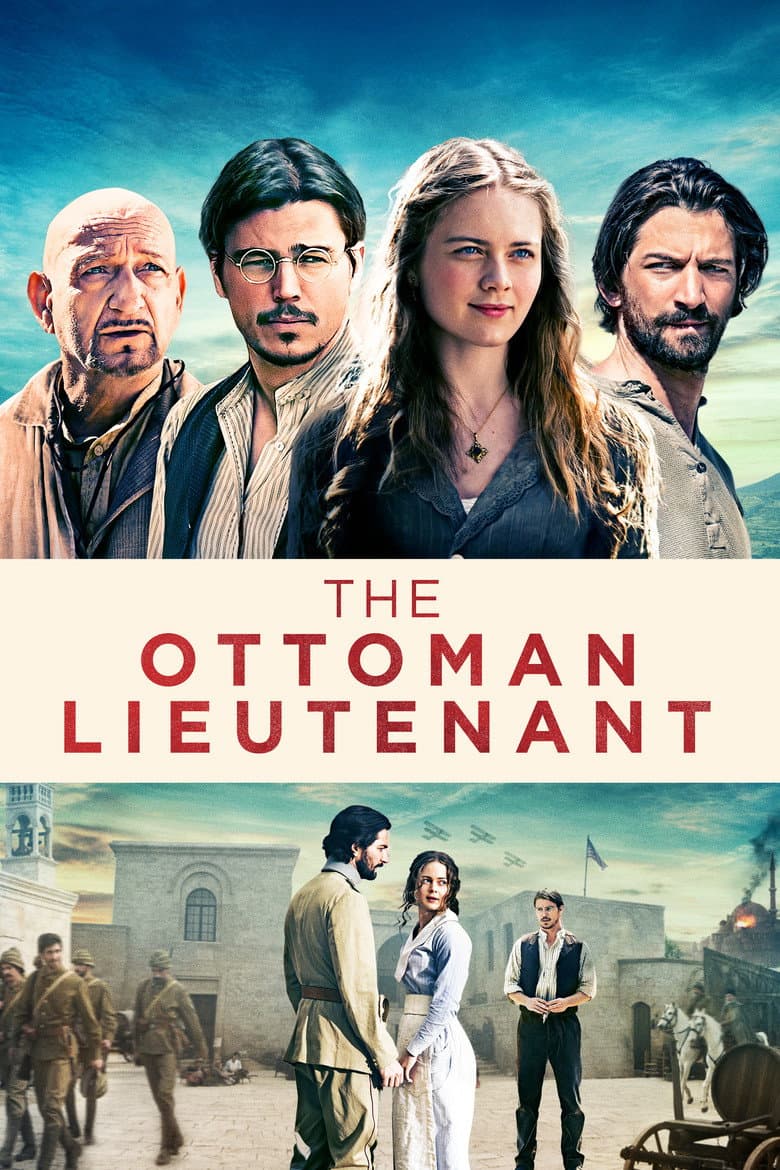
In 1914, Lillie Rowe is a young American nurse from a wealthy Philadelphia family. She travels to the Ottoman Empire to help a remote medical mission after meeting Dr. Jude Gresham. An Ottoman officer named Ismail escorts her through a land facing war, and Lillie becomes caught between Ismail and Jude. The film uses a serious, old-fashioned romance tone with battles, illness, religious tension, and fear around the coming World War.
The main audience-visible woke material comes in a short opening scene about race and in Lillie’s fight against the idea that a woman cannot work at the mission. Lillie also rejects her family’s wishes and chooses her own path, while the romance crosses Christian and Muslim lines. These ideas support a message about personal freedom, equal treatment, and crossing old social boundaries, but they remain part of a period romance rather than a modern activist campaign. The central story still follows love, medical work, war, and a disputed account of the Armenian tragedy.
Community feedback
Was our 31% Woke rating accurate?
Breakdown
These are the editorial factors and ratings behind our score for The Ottoman Lieutenant.
Woke representation / casting
Not present. The film’s identity differences serve the romance and setting, not a diversity-first casting message. The main roles are an American nurse, a Muslim Ottoman officer, and an American doctor.
0%
Woke political dialogue
Lillie says a man was turned away from a hospital because of his skin color. Lillie says doctors need to change their thinking. Jude answers that his hospital does not reject people because of skin color or religion. The exchange gives the film a clear anti-racism message, but it lasts only a short time.
30%
Identity-driven story themes
Lillie leaves her family and chooses her own path instead of following their wishes. The romance joins a Christian American woman and a Muslim Ottoman officer across religious and social boundaries. The film treats personal freedom and equal treatment as good values. These ideas are important, but the story presents them through an old-fashioned romance rather than a modern activist campaign.
34%
Western institutional / cultural critique
The opening scene criticizes an American hospital for turning away a man because of his skin color. Lillie argues with her family and challenges male authority at the mission. Woodruff first says that the mission is no place for a woman. The film treats these limits as wrong, but it does not build a continuing attack on Western institutions, family life, Christianity, or men.
28%
Woke character or canon changes
Not relevant. The film is an original screenplay with fictional main characters. It does not change an established character or add a modern identity swap. Its disputed account of real events is a history controversy, not a woke character or canon change.
0%
Anti-woke backlash and complaints
Not present. Public complaints focus on alleged Armenian genocide denial and Turkish propaganda. The supplied X research found no relevant anti-woke posts. No clear complaint said that the film pushed DEI, woke politics, or modern identity politics.
0%
Creator track record context
The cached summaries give Joseph Ruben and Jeff Stockwell scores of 0/100 and show no strong activist pattern. Stephen Joel Brown has a stored score of 28/100, but no clear identity-politics activity is tied to this film. The title-related writer interview discusses research and a Muslim-Christian romance, not a modern activist program.
8%
Production
Movie · 2023
Set in 1889 France, Dodin Bouffant is a chef living with his personal cook and lover Eugénie. They share a long history of gastronomy and love but Eugénie refuses to marry Dodin…

Movie · 2018
Katie, a 17-year-old, has been sheltered since childhood and confined to her house during the day by a rare disease that makes even the smallest amount of sunlight deadly.

Movie · 2023
Hadley and Oliver begin falling in love on a flight from New York to London, but when they lose each other at customs, can they defy all odds to reunite?
Movie · 2016
Set during the last days of the Ottoman Empire, a love triangle develops between Mikael, a brilliant medical student, the beautiful and sophisticated artist Ana, and Chris, a…
Movie · 2016
Mia, an aspiring actress, serves lattes to movie stars in between auditions and Sebastian, a jazz musician, scrapes by playing cocktail party gigs in dingy bars, but as success…
Movie · 2016
Canadian folk artist Maud Lewis falls in love with a fishmonger while working for him as a live-in housekeeper.
Movie · 2018
German artist Kurt Barnert has escaped East Germany and now lives in West Germany, but is tormented by his childhood under the Nazis and the GDR regime.
Movie · 2022
A young couple's relationship clashes with the harsh realities of the California Gold Rush of 1850. Angel, experiencing love for the first time and facing demons unsurmountable…
