
Katie Price is a 17-year-old girl who has spent most of her life inside a protected home. She has xeroderma pigmentosum, a rare disease that makes sunlight deadly, so her widowed father watches her closely. Katie plays guitar at a train station after dark, where she meets Charlie Reed, the popular swimmer she has admired through her window. Their summer romance gives her a taste of school-age freedom, but one mistake in daylight can cost her life. The film has a soft, sad, and highly emotional tone.
The story follows Katie as she tries to live like other teenagers while keeping her illness secret from Charlie. She sings, travels at night, visits Seattle, and shares new experiences with him, which makes the romance feel hopeful before the danger returns. Her father’s strict rules come from fear and care, while Katie’s choices show her wish to make her own memories. The main themes are first love, grief, family protection, medical risk, and the value of using limited time well. The ending turns the romance into a lasting memory for Charlie and a song that carries Katie’s voice forward.
Community feedback
Was our 2% Woke rating accurate?
Breakdown
These are the editorial factors and ratings behind our score for Midnight Sun.
Woke representation / casting
Not present. The film presents Katie, Charlie, her father, and her friend as characters in a modern American romance. Their identities are not used as a diversity message, and the film does not build a representation-first casting pattern.
0%
Woke political dialogue
Not present. The dialogue discusses Katie’s illness, music, romance, school, and family choices. It does not include activist or identity-politics speeches.
0%
Identity-driven story themes
Not present. The film centers on XP as a medical danger and on Katie’s love story. It does not turn illness, gender, race, or sexuality into a political or identity campaign.
0%
Western institutional / cultural critique
Not present. Katie’s father sets strict safety rules because sunlight can kill her. The story treats his protection as a family conflict, not as a critique of men, family life, religion, or Western institutions.
0%
Woke character or canon changes
Not relevant. The film adapts a 2006 Japanese romance and moves the story to the United States. No identity-driven rewrite of a famous character, canon, or historical figure is central to the film.
0%
Anti-woke backlash and complaints
Not present. The coverage reviewed contains complaints about melodrama, romance, and the medical accuracy of XP. It does not show meaningful backlash about DEI, identity politics, or left-wing messaging.
0%
Creator track record context
Scott Speer and Eric Kirsten have little public record of woke or activist work. Kenji Bando and Aya Tenkawa have mild links to disability, peace, environmental, and cultural work. The supplied producer context is low to modest, with Jen Gatien the highest at 22. This gives the team a low overall signal, and the film does not turn those topics into a political message.
9%
Production

Movie · 2020
Young musician Zach Sobiech discovers his cancer has spread, leaving him just a few months to live. With limited time, he follows his dream and makes an album, unaware that it…

Movie · 2025
Heather is a young woman traveling Europe with friends before starting her perfectly planned life. A chance meeting with Jack sparks an unexpected romance that leads to deep…
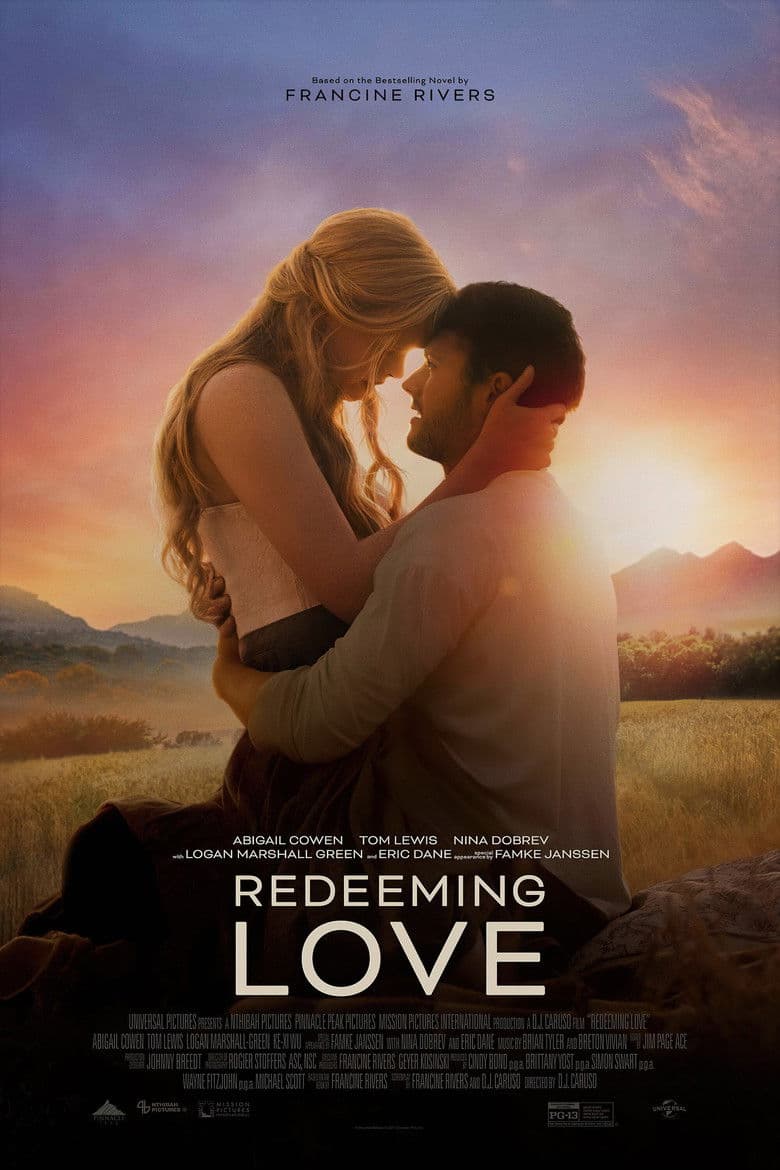
Movie · 2022
A young couple's relationship clashes with the harsh realities of the California Gold Rush of 1850. Angel, experiencing love for the first time and facing demons unsurmountable…
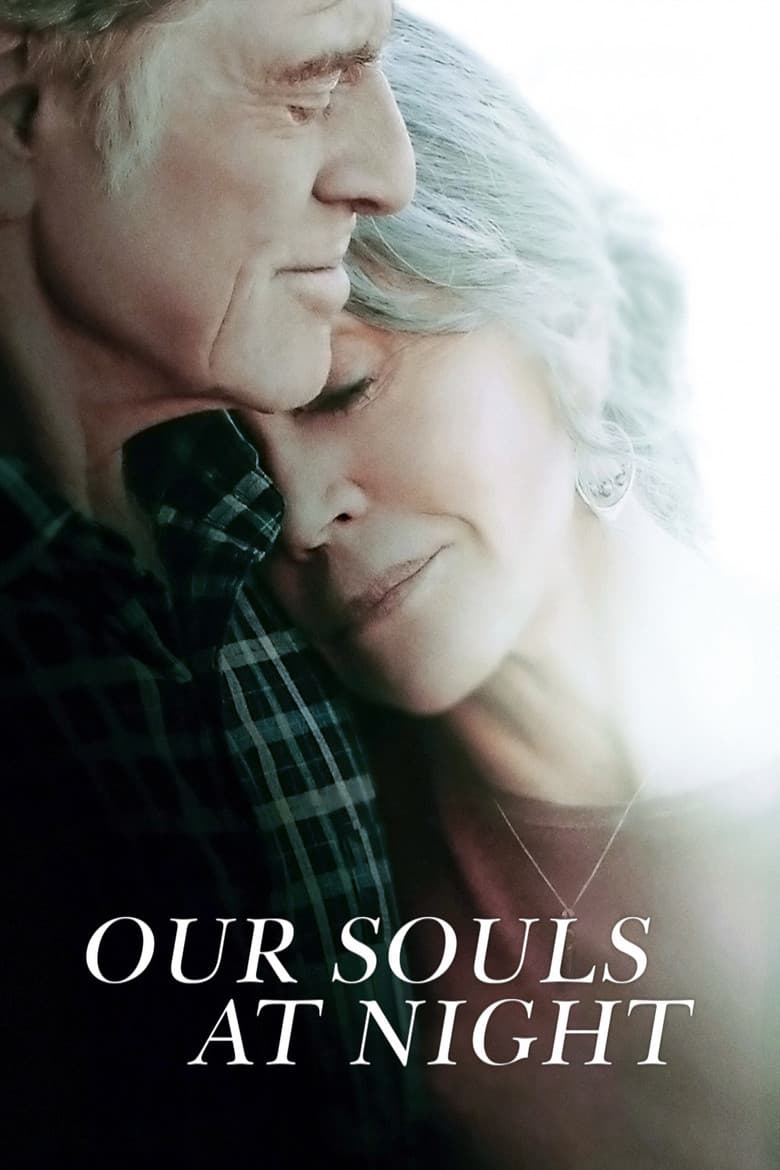
Movie · 2017
Addie Moore and Louis Waters, a widow and widower, have lived next to each other for years. The pair have almost no relationship, but that all changes when Addie tries to make a…
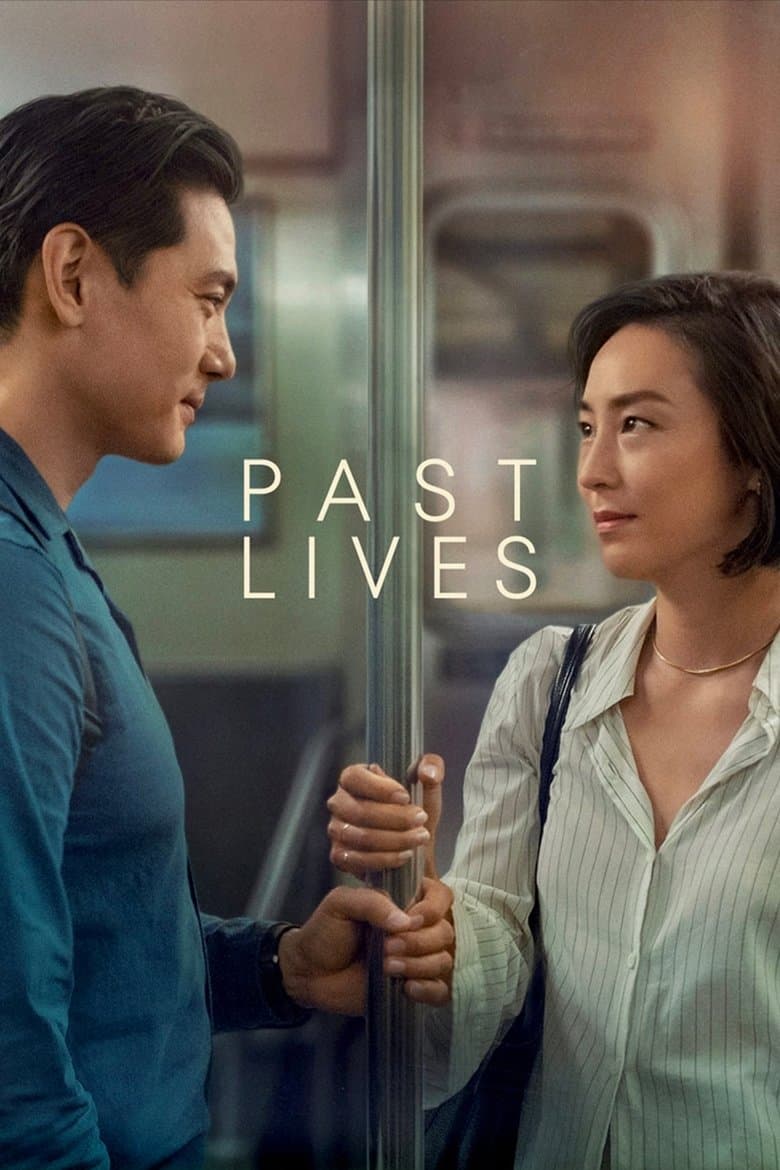
Movie · 2023
After decades apart, childhood friends Nora and Hae Sung are reunited in New York for one fateful weekend as they confront notions of destiny, love, and the choices that make a…

Movie · 2016
Canadian folk artist Maud Lewis falls in love with a fishmonger while working for him as a live-in housekeeper.
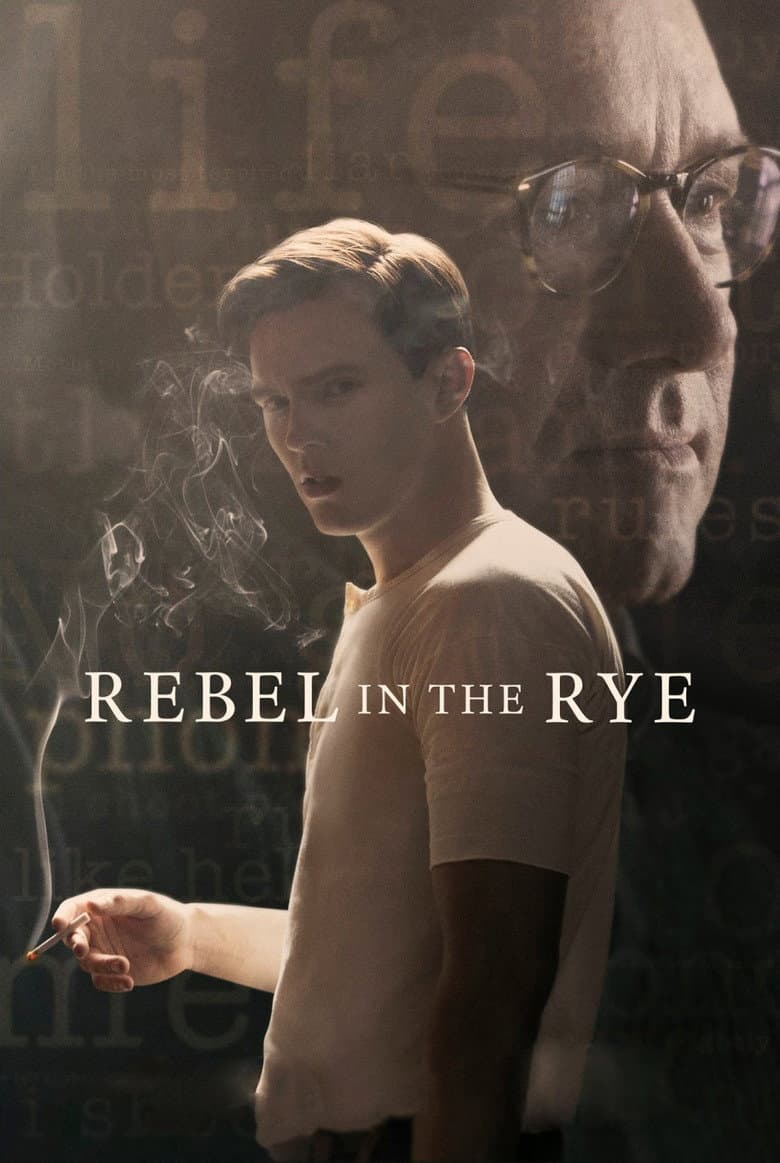
Movie · 2017
The life of celebrated but reclusive author J.D. Salinger, who gained worldwide fame with the publication of his novel The Catcher in the Rye.
Movie · 2016
A boy growing up in Dublin during the 1980s escapes his strained family life by starting a band to impress the mysterious girl he likes.
