
Maudie follows Maud Lewis, a young woman in rural Nova Scotia who lives with painful arthritis and depends on family members after her parents die. In the late 1930s, she leaves her aunt and takes a live-in housekeeping job with Everett Lewis, a lonely fish seller who treats her harshly. Maud paints flowers, animals, and scenes from home on cards and on the walls of their tiny house. Their hard marriage lasts for decades as Maud finds fame and keeps making art despite poverty, pain, and loss.
The film puts a disabled woman and her wish for independence at the center of the story. Maud’s art gives her a way to earn money, shape her home, and show the bright world she sees. The film also shows family neglect, an abusive husband, and the cost of treating a person as helpless. Maud becomes more confident through her work, but the story stays focused on her private life, her marriage, and her need for love.
Community feedback
Was our 10% Woke rating accurate?
Breakdown
These are the editorial factors and ratings behind our score for Maudie.
Woke representation / casting
An able-bodied British actress plays the real Canadian artist Maud Lewis, whose arthritis is central to the role. The film also uses an American actor as the Nova Scotian Everett Lewis. Those choices are visible identity mismatches with the real people, but the film presents them as ordinary biopic casting and does not use them to make a diversity statement.
10%
Woke political dialogue
Not present. Conversations stay on daily life, painting, family matters, and the couple’s bond; zero activist speeches or modern political framing.
0%
Identity-driven story themes
Maud’s disability and her wish to live independently shape the main story. The film shows a woman who keeps making art after family rejection, poverty, pain, and marriage trouble. The film presents her strength as a personal quality and does not link her life to a current identity movement or group campaign.
12%
Western institutional / cultural critique
Not present in this title.
0%
Woke character or canon changes
Not relevant. minor dramatizations typical of biopics (e.g., relationship tone) with no reported ideological alterations to real events or figures.
0%
Anti-woke backlash and complaints
Not present. No backlash, “too woke” claims, or identity-politics debate found in news, social media, or reviews; reception stayed on story and performances.
0%
Creator track record context
Aisling Walsh’s career is mainly built around dramas about personal and social hardship, not activist identity politics. Sherry White and the other key crew also have conventional profiles, with no clear activist pattern. Walsh’s interviews call Maud a woman artist and focus on her strength and creative life. That gives the title a small identity-aware creator context, but not a strong track record signal.
5%
Production

Movie · 2016
Lou Clark, a directionless 26-year-old from the English countryside, takes a job at the local castle as a caregiver and companion to a wealthy young banker, Will Traynor.
Movie · 2016
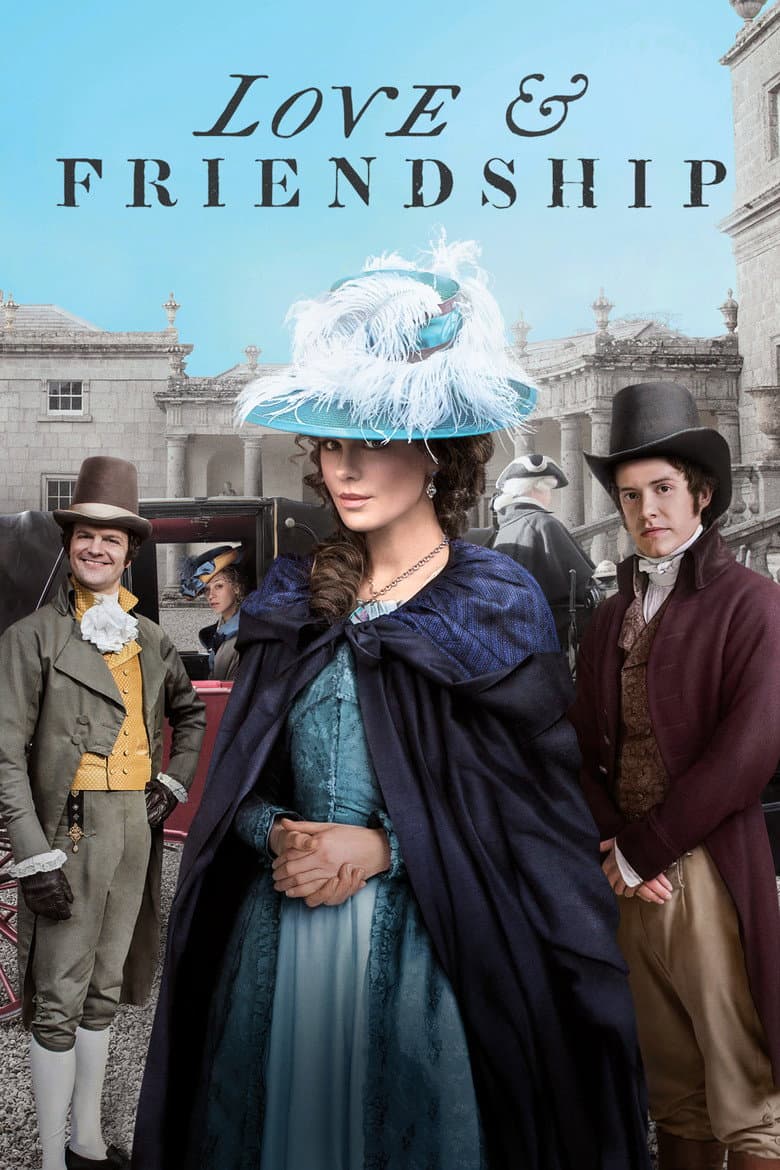
From Jane Austen’s novella, the beautiful and cunning Lady Susan Vernon visits the estate of her in-laws to wait out colorful rumors of her dalliances and to find husbands for…

Movie · 2018
Katie, a 17-year-old, has been sheltered since childhood and confined to her house during the day by a rare disease that makes even the smallest amount of sunlight deadly.

Movie · 2025
18-year-old Noah moves from America to London, with her mother who's recently fallen in love with William, a wealthy British businessman.

Movie · 2020
When illness strikes two people who are polar opposites, life and death bring them together in surprising ways.

Movie · 2025
Morgan Grant and her daughter Clara explore what's left behind after a devastating accident reveals a shocking betrayal and forces them to confront family secrets, redefine love…

Movie · 2020
Young musician Zach Sobiech discovers his cancer has spread, leaving him just a few months to live. With limited time, he follows his dream and makes an album, unaware that it…

Movie · 2017
Nothing is as it seems in this riveting World War 2 thriller as a wary soldier goes to investigate a mysterious German monarch at his secluded mansion, leading him into a web of…
