Movie review
October 26, 2018 · 99 min · PG · Kids · Fantasy · Adventure · Family
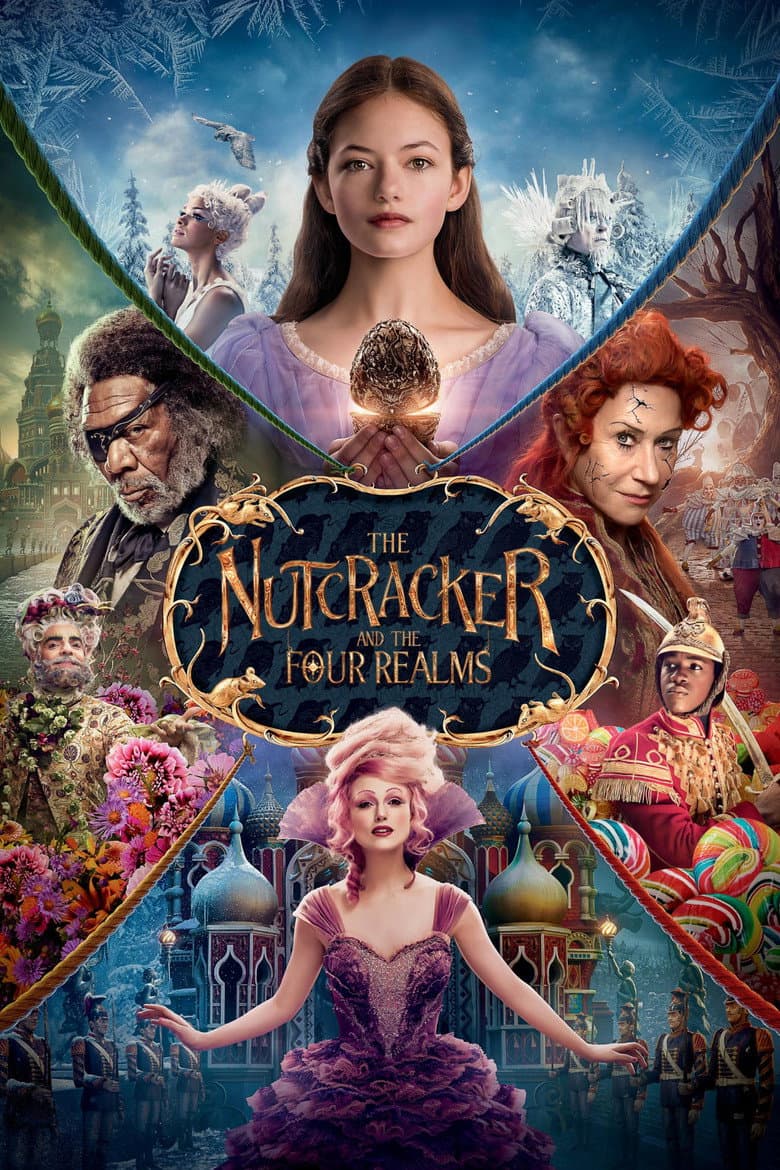
Clara Stahlbaum is a 14-year-old inventor who is grieving her mother's death in late-1870s London. A missing key leads her into the Four Realms, where her mother once ruled as queen. Clara first believes that Mother Ginger threatens the land, but she later learns that the Sugar Plum Fairy has planned the war. The movie mixes a sad family story with bright fantasy, action, and some dark scenes.
Clara becomes a princess, leads soldiers, solves the main machine problem, and defeats the villain through her own skill. Phillip is brave and kind, but he mostly follows Clara's orders and supports her mission. Black actors play the Nutcracker captain, Drosselmeyer, the main ballerina, and the Mouse King performer in a clearly modern cast mix. The female-power message shapes the main adventure, while the ending returns to grief, family love, and peace with Clara's father.
Community feedback
Was our 75% Woke rating accurate?
Breakdown
These are the editorial factors and ratings behind our score for The Nutcracker and the Four Realms.
Woke representation / casting
The late-1870s London and European-style fantasy world use a clearly modern mix in major roles. Black actors play Drosselmeyer, the Nutcracker captain, the main ballerina, and the Mouse King performer. Several other visible roles also use a broad mix of backgrounds. The film makes this diversity easy to notice, and its producer said the cast was chosen to look like the world today.
45%
Woke political dialogue
Not present. The characters discuss grief, war, royal duty, and trust. They do not talk about modern politics or activist causes.
0%
Identity-driven story themes
Clara is changed into a science genius, army leader, and royal hero who solves the final fight on her own. She saves Phillip early, gives him orders, and sends him away while she handles the key task. Her late mother also created and ruled the Realms, so female skill and power drive the main plot. The story repeatedly teaches Clara that she already has all the strength she needs.
66%
Western institutional / cultural critique
Clara pushes back against the proper dress, dancing, and public image expected by her father in Victorian London. The film treats her science work and independence as better than those narrow rules. The family later makes peace, and the story does not attack marriage, faith, or Western society as a whole.
18%
Woke character or canon changes
Disney turns Clara from the child at the heart of a ballet into an inventor, field commander, princess, and main final savior. The Nutcracker loses his usual central fight and romance, and he mainly supports Clara. The story also makes Clara's mother the past queen and creator of the Realms. These changes match the writer's stated goal of replacing a damsel story with girl empowerment.
68%
Anti-woke backlash and complaints
A conservative review said the film builds female power by making men weak or unimportant. Another right-leaning writer blamed political correctness for removing the older romance and cultural dances. A detailed Reddit comment called Clara a girlboss and said Phillip was made useless. These complaints were clear but stayed in small blogs and scattered posts, not a major public fight.
34%
Creator track record context
The cached records show a mixed team. Writer Ashleigh Powell scores 0, while directors Joe Johnston and Lasse Hallström score 43 and 14. Casting director Lucy Bevan scores 45, and producer scores range from 12 to 92. The group includes some strong diversity and social-justice records, but several key people have little such history.
39%
Production

Movie · 2017
A dog goes on quest to discover his purpose in life over the course of several lifetimes with multiple owners.
Movie · 2016
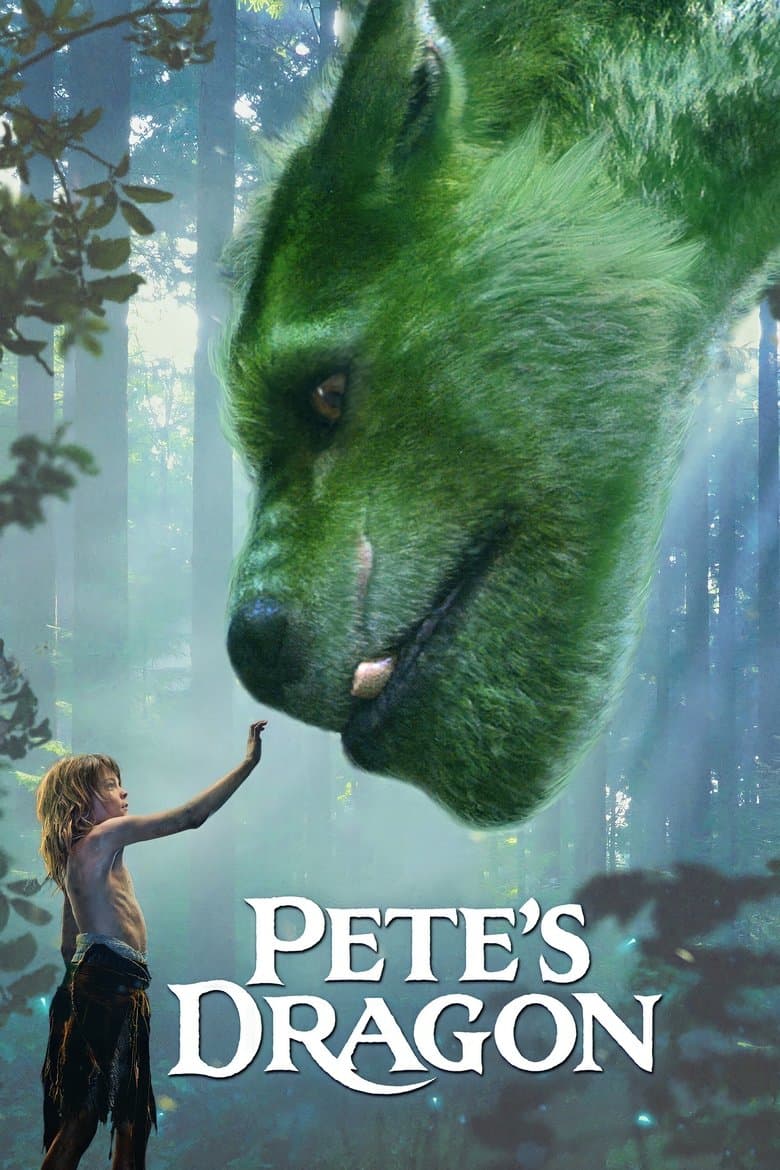
For years, old wood carver Mr. Meacham has delighted local children with his tales of the fierce dragon that resides deep in the woods of the Pacific Northwest.
Movie · 2021
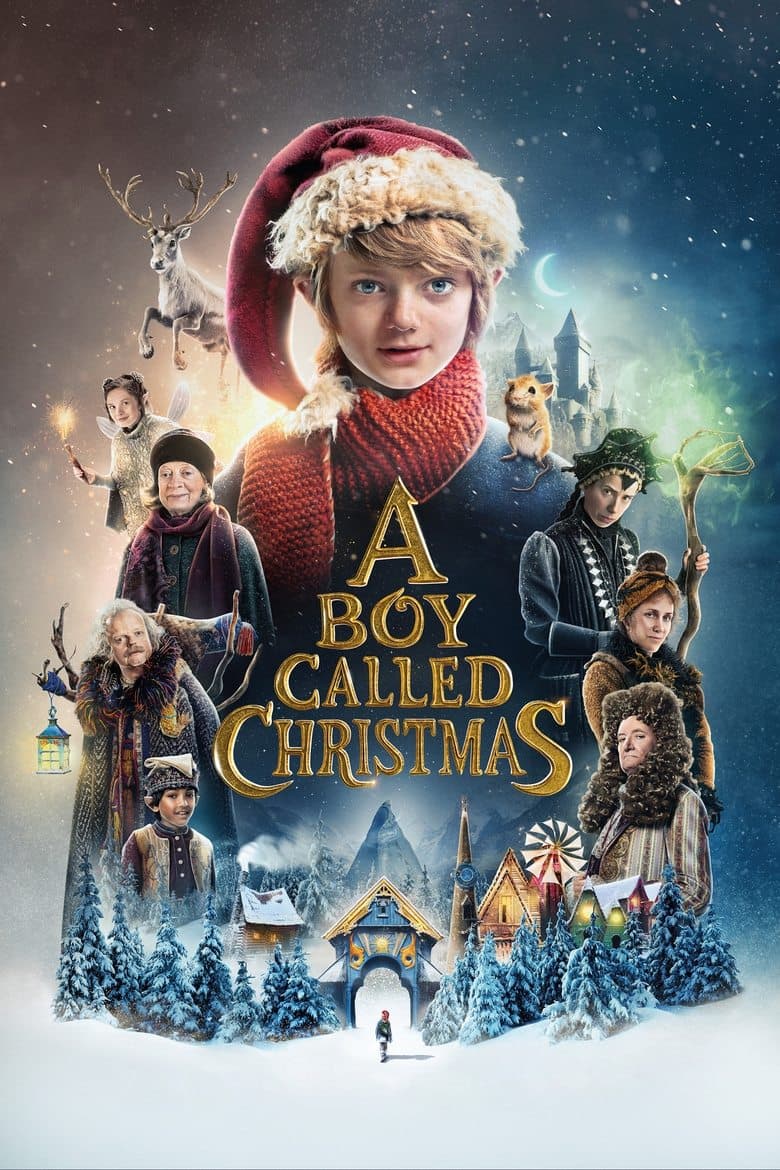
An ordinary young boy called Nikolas sets out on an extraordinary adventure into the snowy north in search of his father who is on a quest to discover the fabled village of the…
Movie · 2016
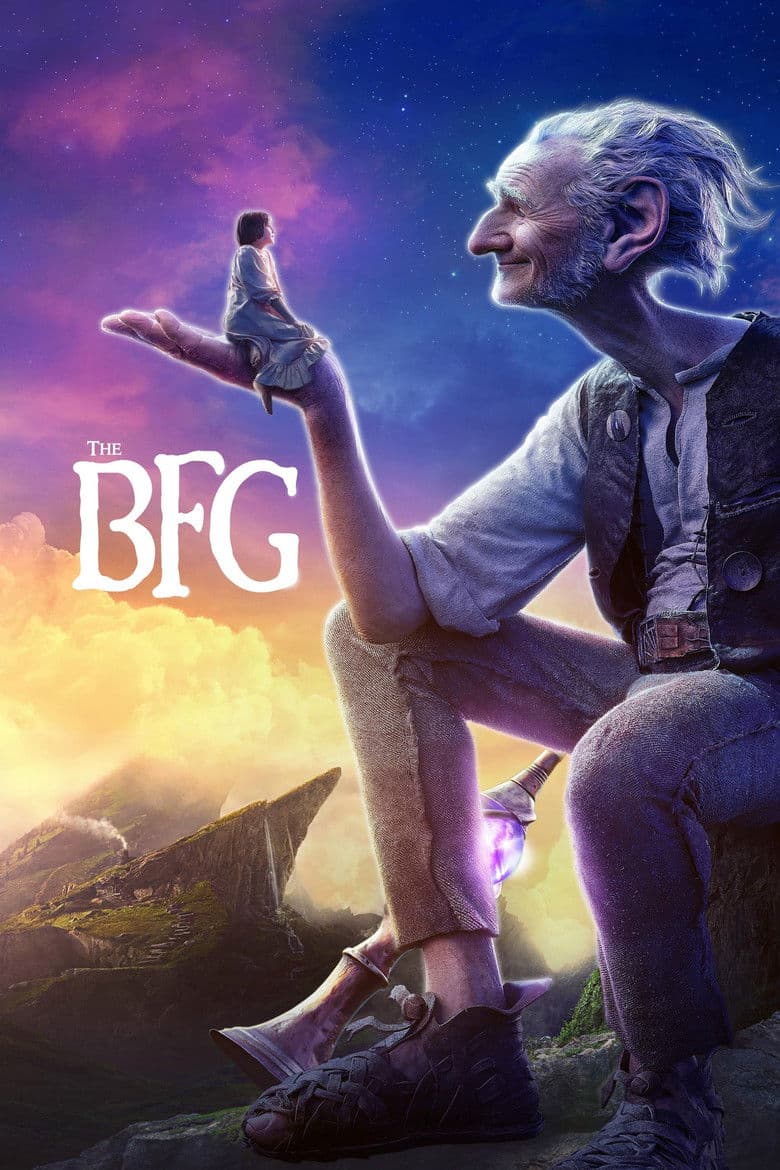
An orphan little girl befriends a benevolent giant who takes her to Giant Country, where they attempt to stop the man-eating giants that are invading the human world.
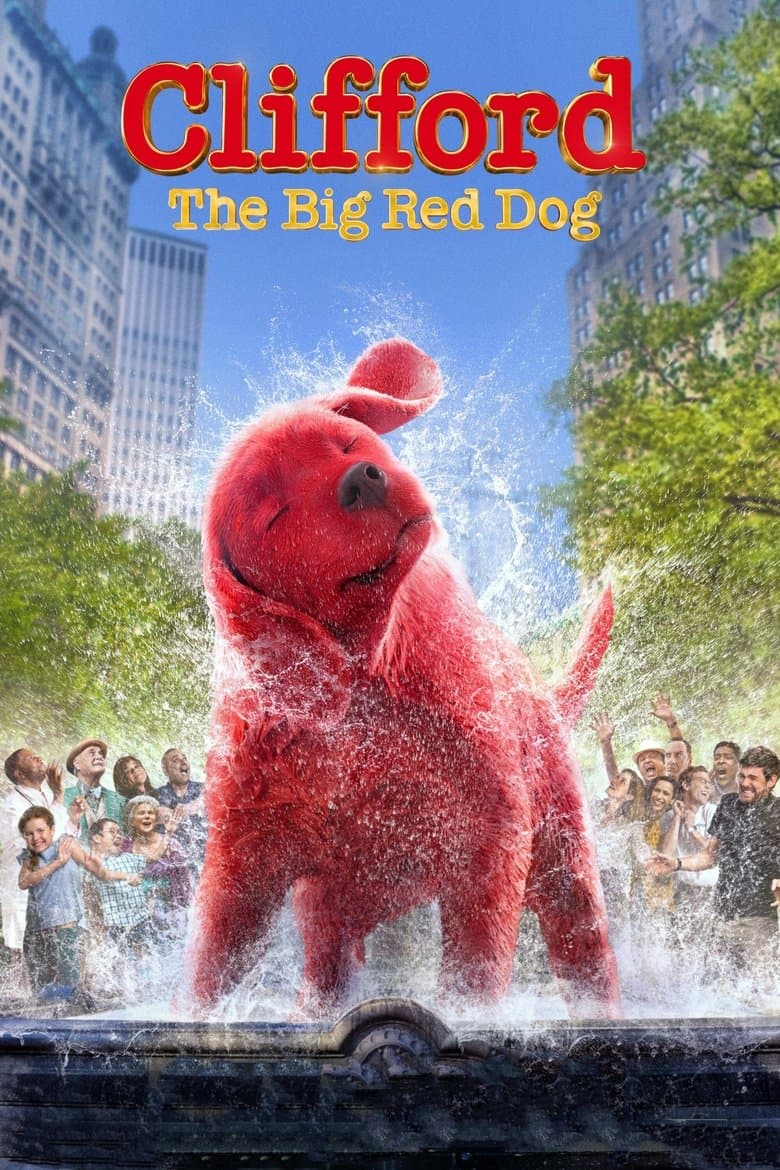
Movie · 2021
As Emily struggles to fit in at home and at school, she discovers a small red puppy who is destined to become her best friend.
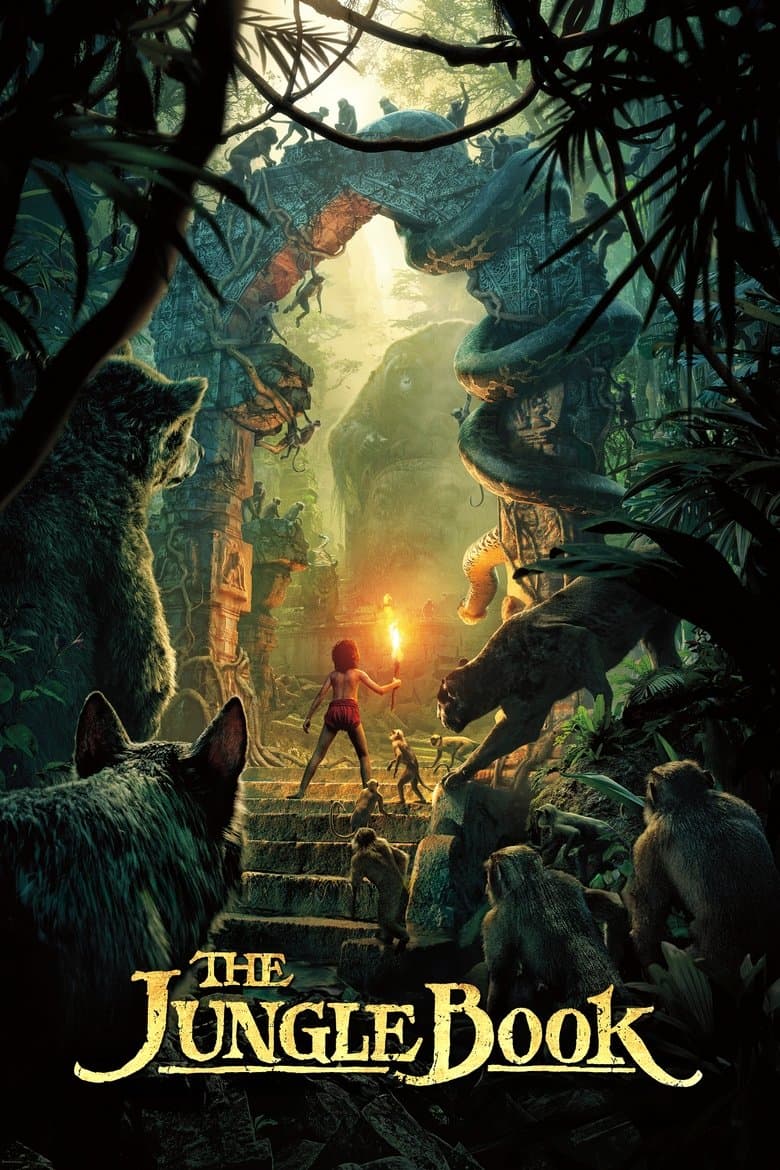
Movie · 2016
After a threat from the tiger Shere Khan, Mowgli, a man-cub fostered by wolves, is forced to flee the jungle, and he embarks on a journey of self-discovery with the help of the…
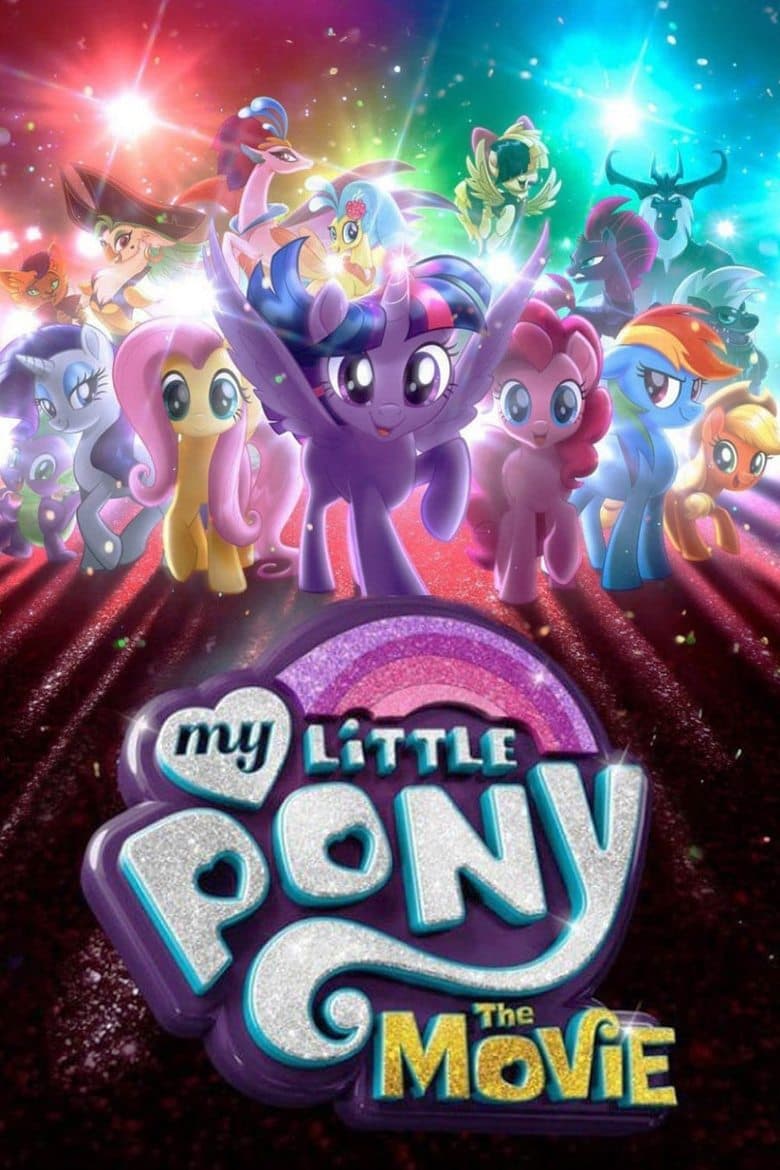
Movie · 2017
A new dark force threatens Ponyville, and the Mane 6 – Twilight Sparkle, Applejack, Rainbow Dash, Pinkie Pie, Fluttershy and Rarity – embark on an unforgettable journey beyond…
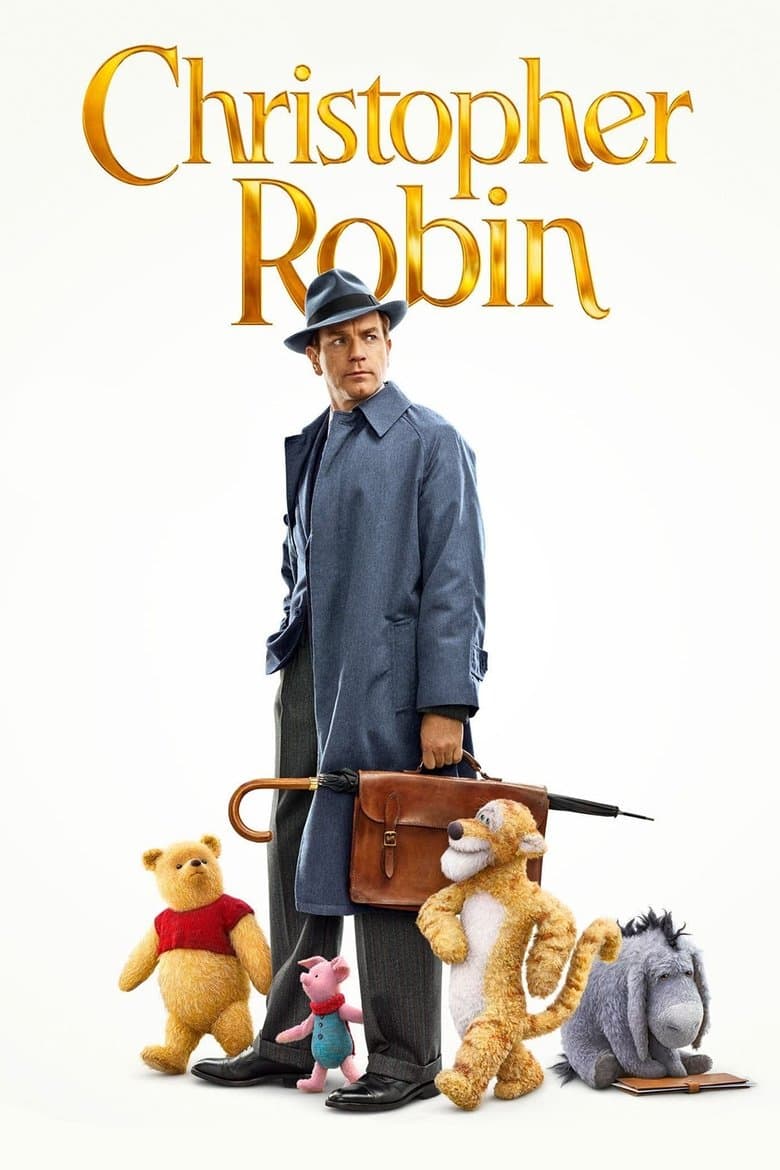
Movie · 2018
Christopher Robin, the boy who had countless adventures in the Hundred Acre Wood, has grown up and lost his way.
