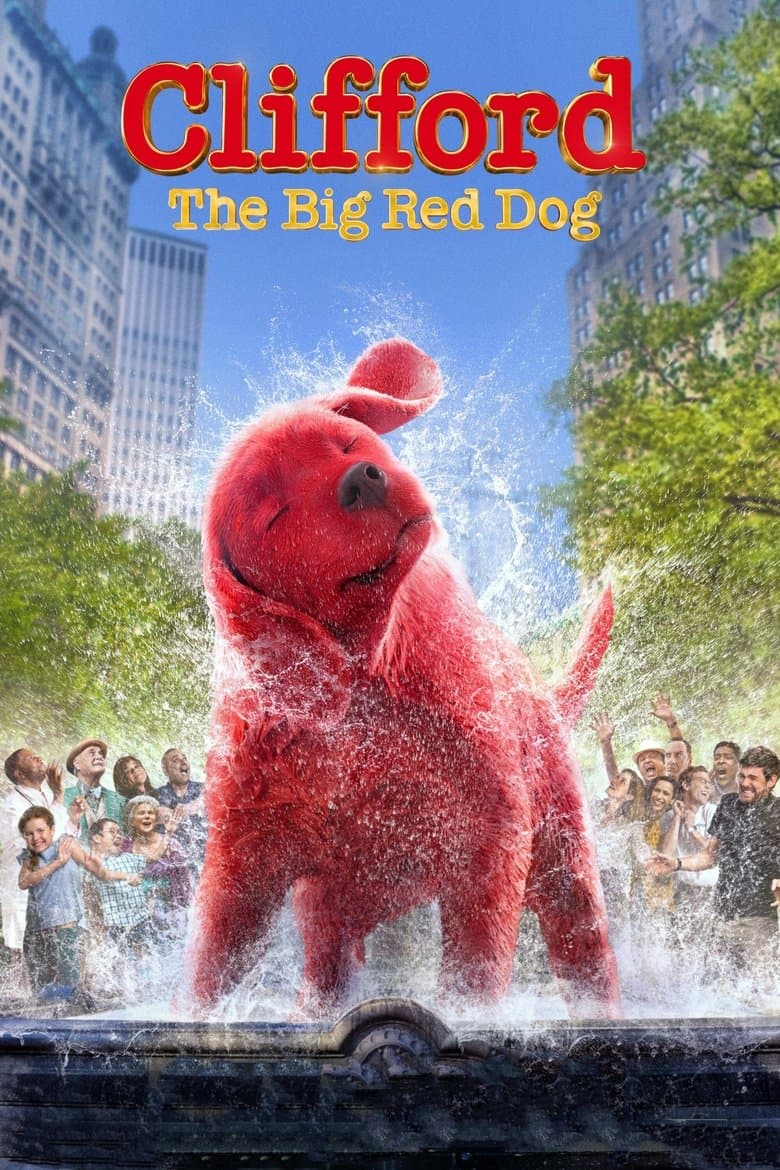
Movie review
November 10, 2021 · 96 min · PG · Kids · Fantasy · Comedy · Adventure · Family
Emily is a lonely middle-school girl in New York City who feels out of place at home and at her fancy private school. She gets a tiny red puppy from a mysterious animal rescuer, and overnight the dog grows into a giant. A genetics company wants Clifford for experiments, so Emily and her messy uncle Casey race across the city to protect him. The tone is light family adventure with slapstick, toilet jokes, and a soft message about love and friendship.
The story mainly pushes classic kids themes: love makes you brave, being different can be a gift, and friends and neighbors help when it counts. Viewers see class bullying (mean rich kids call Emily “Food Stamps”), a cartoon-evil biotech boss who lies to the police, and a big speech about accepting people who do not fit in. The lead family and villain are white; her best friend is Asian and the apartment building has a mixed city cast. That diversity fits a modern NYC setting and is not framed as a race-swap or identity lecture. There is no clear LGBTQ plot, no major anti-woke uproar, and no identity rewrite of the books. A normal kid viewer notices kindness and “accept difference,” not hard activist politics.
Community feedback
Was our 22% Woke rating accurate?
Breakdown
These are the editorial factors and ratings behind our score for Clifford the Big Red Dog.
Woke representation / casting
Lead Emily and her family match a white girl hero from the books; the villain is also white. Best friend Owen is Asian, and NYC neighbors include black, Latino, and other supporting players (Grier, Thompson, Perez, Rodriguez, etc.). That reads as ordinary big-city casting, not a hard quota or “brilliant identity leader” pattern. Viewers notice mixed faces; the film does not center race as the point.
10%
Woke political dialogue
Mean kids mock Emily as “Food Stamps.” Bridwell and Emily talk about love and that being different is okay. Dialogue is soft kids-movie morals and class teasing, not race, gender, or LGBTQ activist speeches.
15%
Identity-driven story themes
Core arc is a lonely girl, a giant dog, friendship, and “accept difference.” Difference is mainly Clifford’s size and Emily’s social awkwardness/class gap, not modern identity politics. The “otherness” friendship with Owen is light side texture. Themes are clear but mild and classic for family films.
22%
Western institutional / cultural critique
Lyfegro is a greedy genetics company that lies to police and tries to steal Clifford. Rich school kids bully a scholarship student. That is stock kids-movie “bad rich company / mean rich kids,” not a deep hit on patriarchy, faith, or Western culture as systems of oppression.
16%
Woke character or canon changes
Not relevant. Moves to a NYC apartment, adds Uncle Casey and a biotech chase, and modernizes the setting. Those are ordinary adaptation choices, not identity-driven rewrites of race, gender, or sexuality of known characters.
0%
Anti-woke backlash and complaints
No meaningful anti-woke campaign treated the film as DEI propaganda or identity activism. Coverage and parent guides mostly called it harmless or mixed-quality kids entertainment.
0%
Creator track record context
Most listed producers and the cached director-slot profile score low and non-activist. Lisa Crnic’s higher record of backing diverse and LGBTQ+ voices raises the average a little, but the group as a whole is not a heavy activist package, and title-specific activist framing is weak.
18%
Production

Movie · 2018
Siblings Kate and Teddy try to prove Santa Claus is real, but when they accidentally cause his sleigh to crash, they have to save Christmas.

Movie · 2024
Inside of his book, adventurous Harold can make anything come to life simply by drawing it. After he grows up and draws himself off the book's pages and into the physical world…
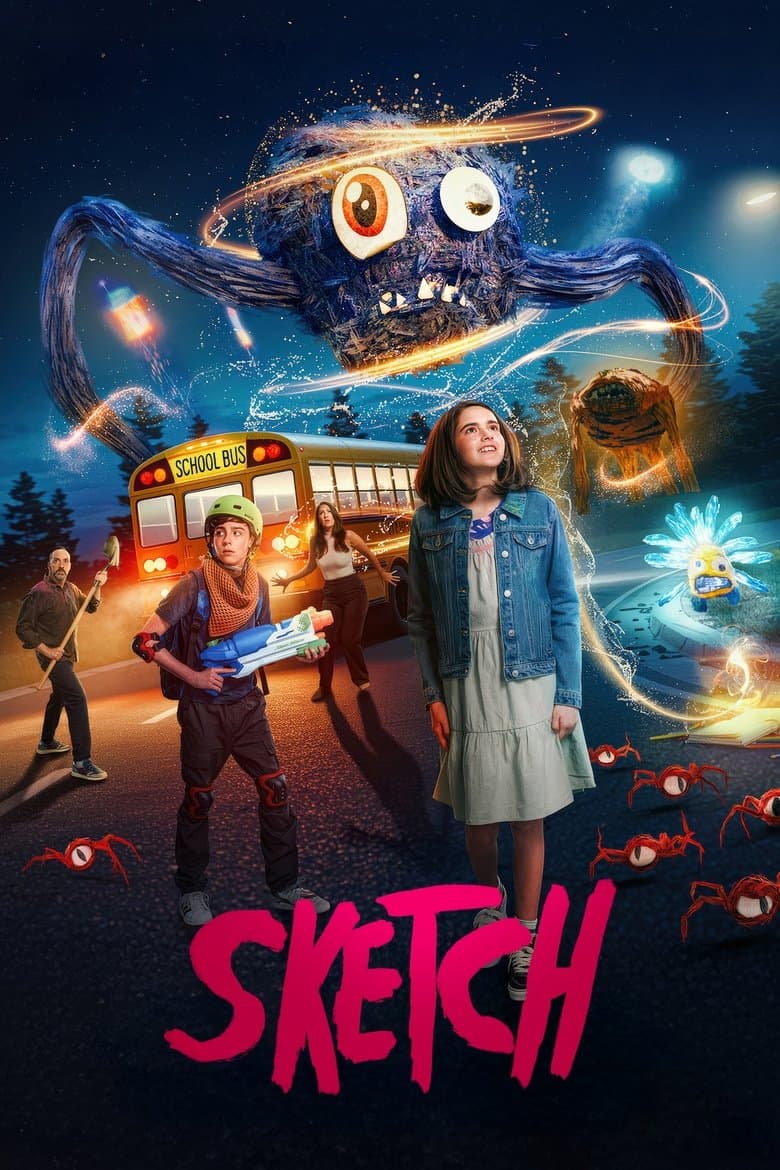
Movie · 2025
When a young girl’s sketchbook falls into a strange pond, her drawings come to life—chaotic, real, and on the loose.

Movie · 2017
A dog goes on quest to discover his purpose in life over the course of several lifetimes with multiple owners.
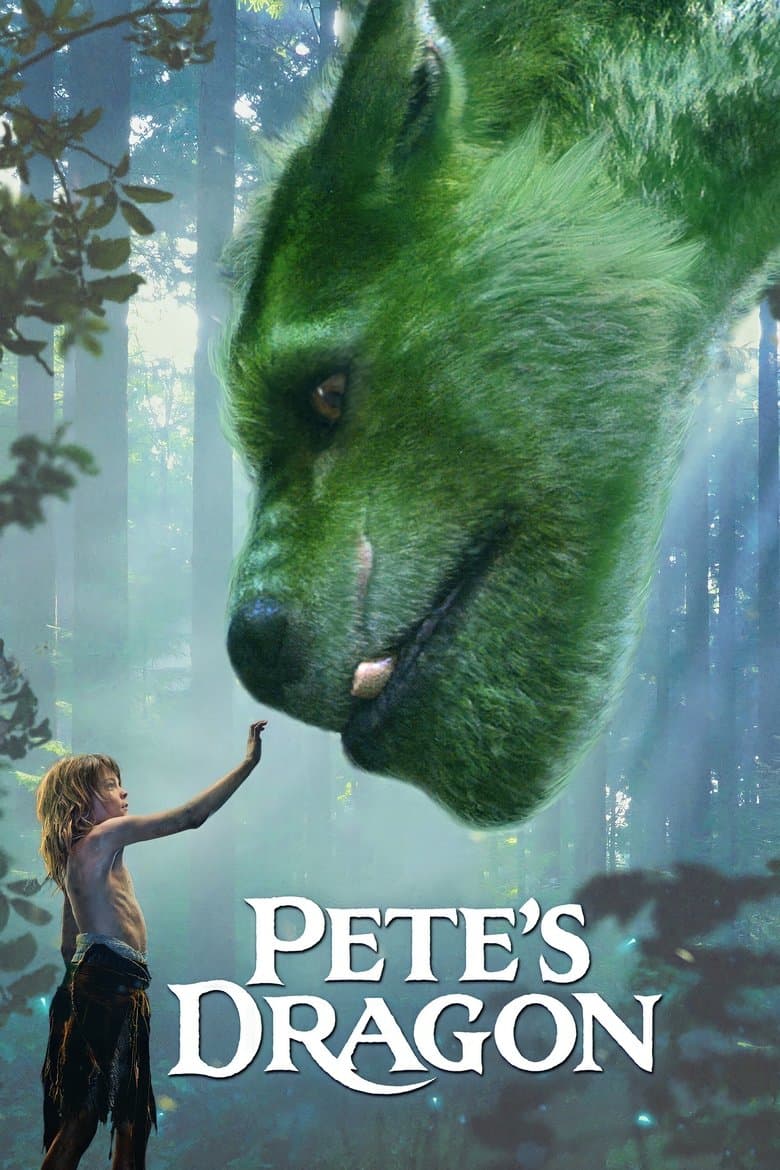
Movie · 2016
For years, old wood carver Mr. Meacham has delighted local children with his tales of the fierce dragon that resides deep in the woods of the Pacific Northwest.
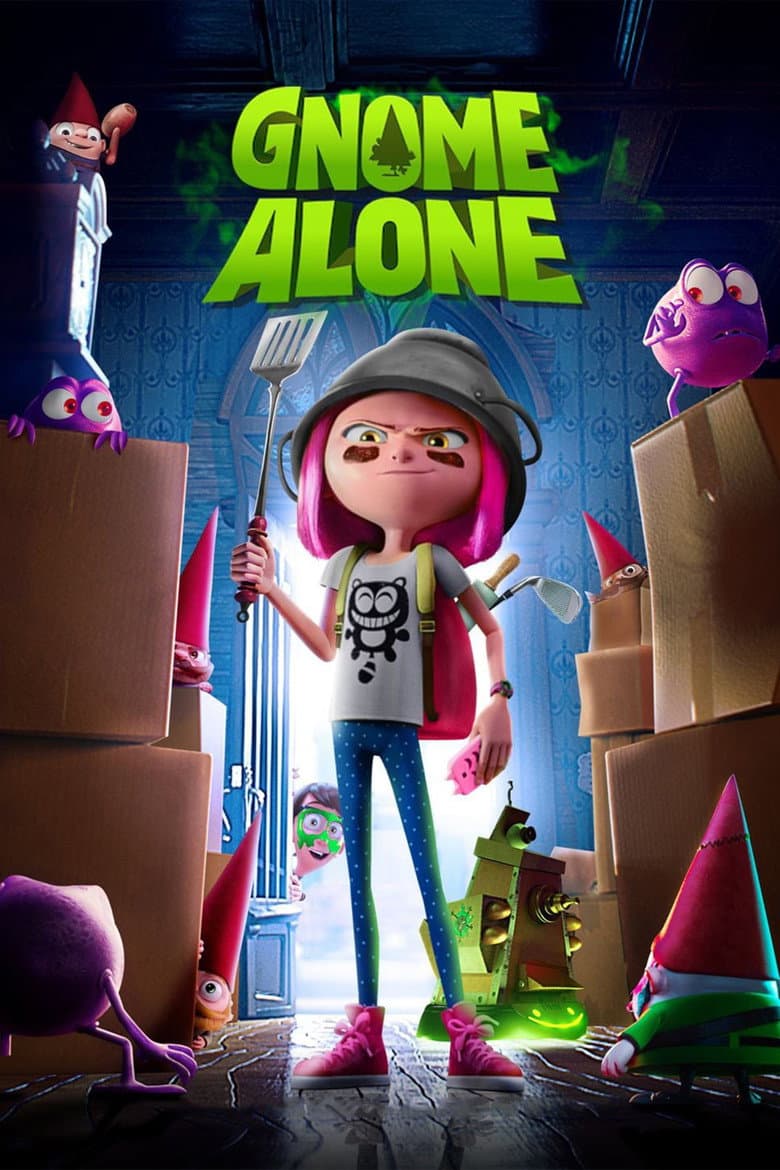
Movie · 2017
When Chloe discovers that her new home's garden gnomes are not what they seem, she must decide between the pursuit of a desired high school life and taking up the fight against…
Movie · 2020
When his best friend Gary is suddenly snatched away, SpongeBob takes Patrick on a madcap mission far beyond Bikini Bottom to save their pink-shelled pal.
Movie · 2019
A group of misfits encounter a young Yeti named Everest, and they set off to reunite the magical creature with his family on the mountain of his namesake.
