Movie review
November 24, 2021 · 104 min · PG · Kids · Fantasy · Adventure · Family
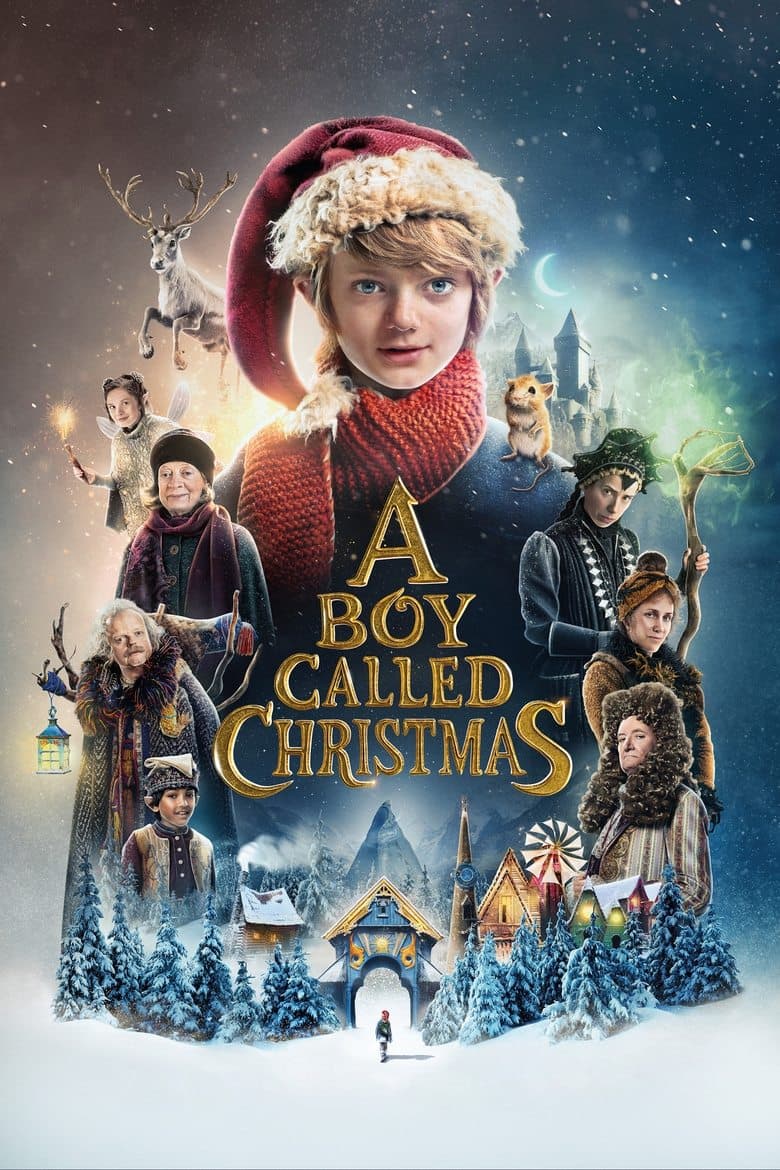
Nikolas is a poor boy in a cold, old-time Finland. His mother is gone, and his woodcutter dad leaves on a dangerous trip to find Elfhelm, a hidden elf town said to bring hope. Stuck with a cruel aunt, Nikolas runs north with a talking mouse and a reindeer named Blitzen. The movie is a gentle, magical Santa origin story with snow, elves, sadness, and warmth.
The story is mainly about hope, kindness, belief, and dealing with loss. Viewers see light modern touches: a mixed family of kids in the present-day frame story, a brief crowd joke where people shout for health care and a living wage when the king asks what the land needs, and a plot about elves and humans learning to trust after fear and a kidnapping. Those bits are small next to the Christmas adventure. A normal viewer would notice the holiday heart more than any political push.
Community feedback
Was our 22% Woke rating accurate?
Breakdown
These are the editorial factors and ratings behind our score for A Boy Called Christmas.
Woke representation / casting
Present-day kids include a black child in a mixed family frame; a South Asian actor plays the short-lived kidnapped elf. Power and hero roles in the main fantasy are mostly white. Diversity is light and side-level, not a heavy quota push in the lead journey.
20%
Woke political dialogue
One early scene has people shout for a health care system, a living wage, and similar needs when the king asks what the land wants; he waves them off for laughs. The rest of the talk is hope, kindness, truth, and gifts—not identity lectures.
15%
Identity-driven story themes
The spine is hope, grief, belief, and kindness. Elves and humans learning not to fear each other is classic fairy-tale trust after a kidnapping, not modern race, gender, or queer identity messaging.
12%
Western institutional / cultural critique
A silly king and the short living-wage/health-care gag lightly mock leaders who dodge real needs. Money is shown as less important than care. That is soft liberal holiday satire, not a strong attack on Western culture, faith, or traditional family as “toxic.”
20%
Woke character or canon changes
Not relevant. The film adapts Haig’s own Santa-origin book. It does not identity-swap famous legacy figures from older canon for DEI reasons.
0%
Anti-woke backlash and complaints
No clear anti-woke or right-leaning campaign treating this title as woke, DEI, or identity propaganda was found. Public talk is about holiday mood, sadness, and craft quality.
0%
Creator track record context
Haig’s progressive nonfiction and public views raise the average a bit; Kenan, Parker, and most producers score low with craft-first records. Title-level creator signal is mild, not activist-led.
18%
Production
Movie · 2016
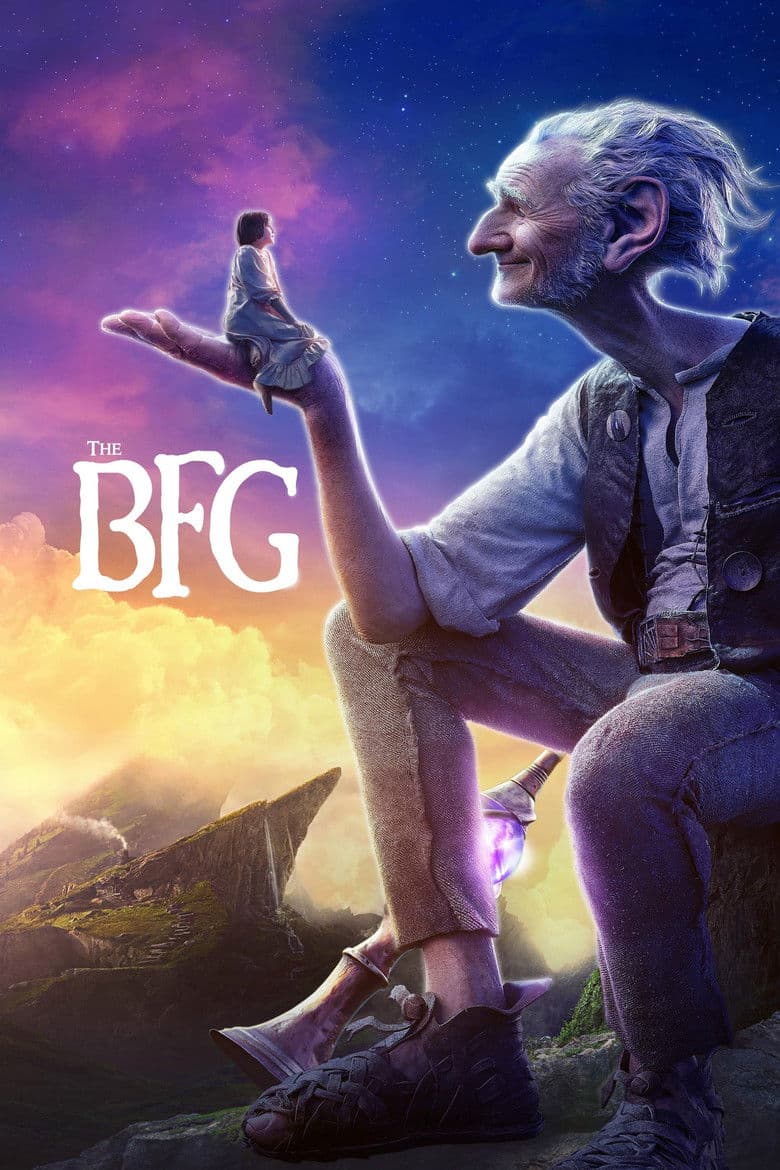
An orphan little girl befriends a benevolent giant who takes her to Giant Country, where they attempt to stop the man-eating giants that are invading the human world.
Movie · 2020
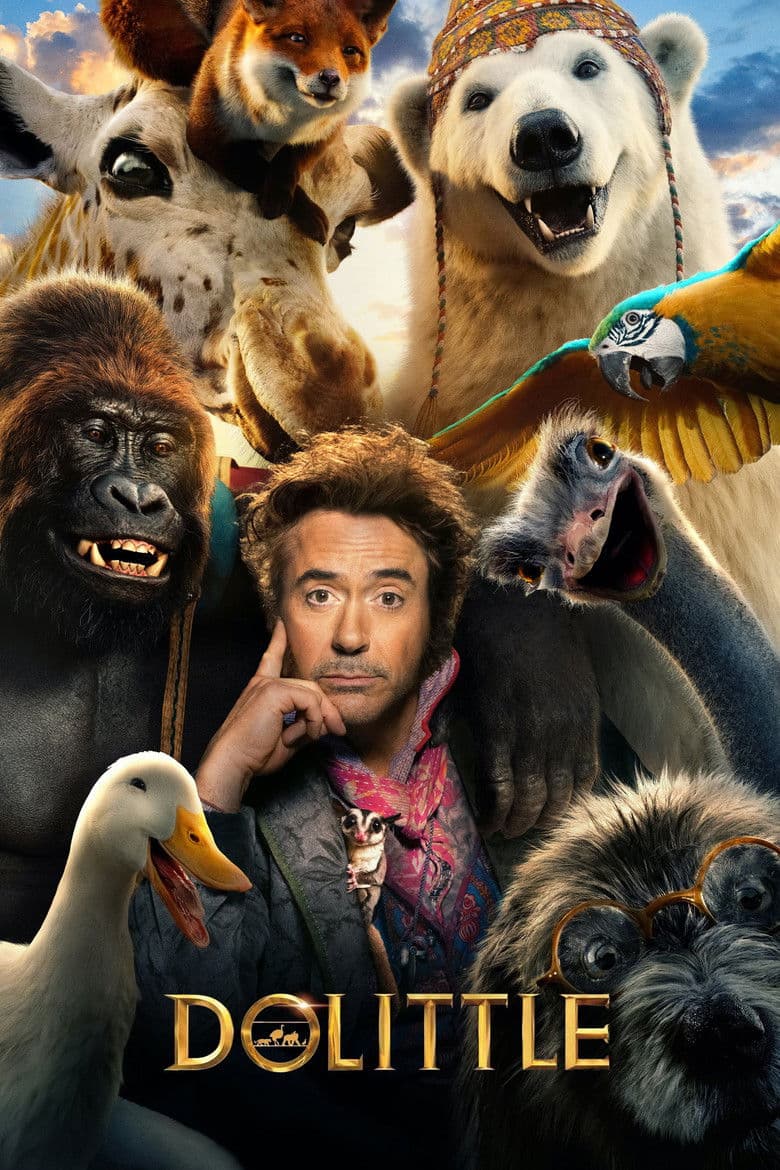
After losing his wife seven years earlier, the eccentric Dr. John Dolittle, famed doctor and veterinarian of Queen Victoria’s England, hermits himself away behind the high walls…
Movie · 2024
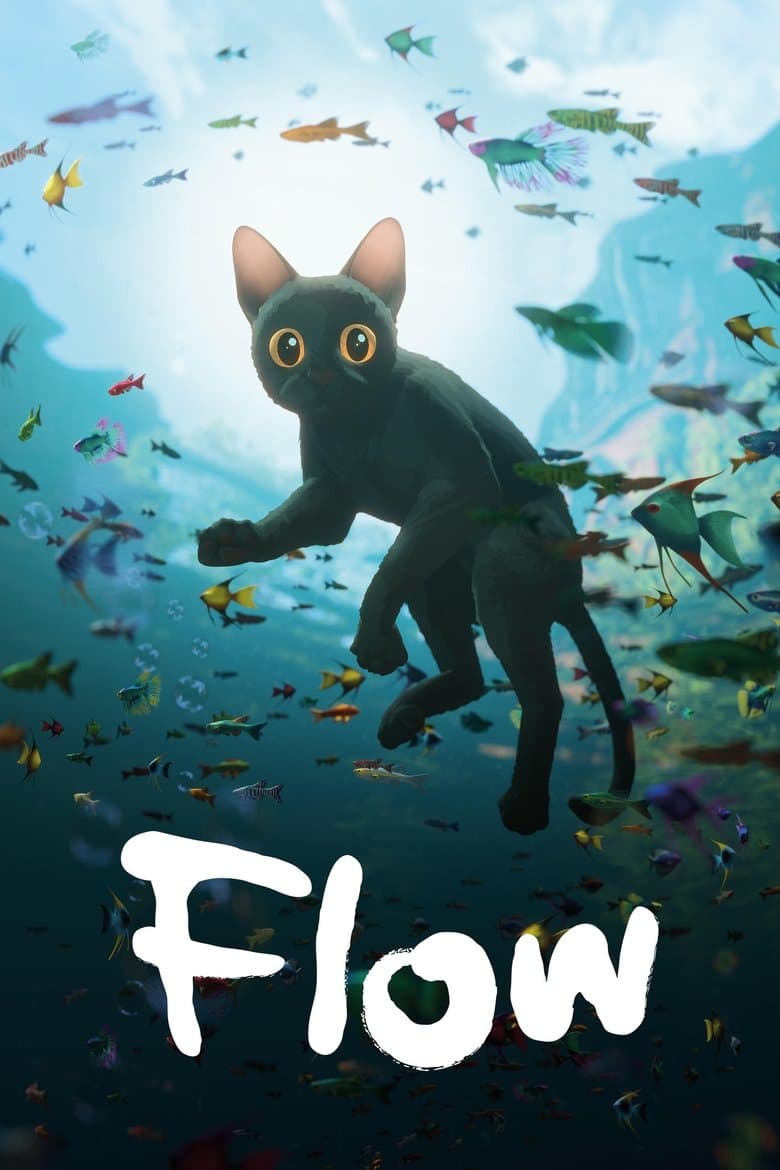
A solitary cat, displaced by a great flood, finds refuge on a boat with various species and must navigate the challenges of adapting to a transformed world together.
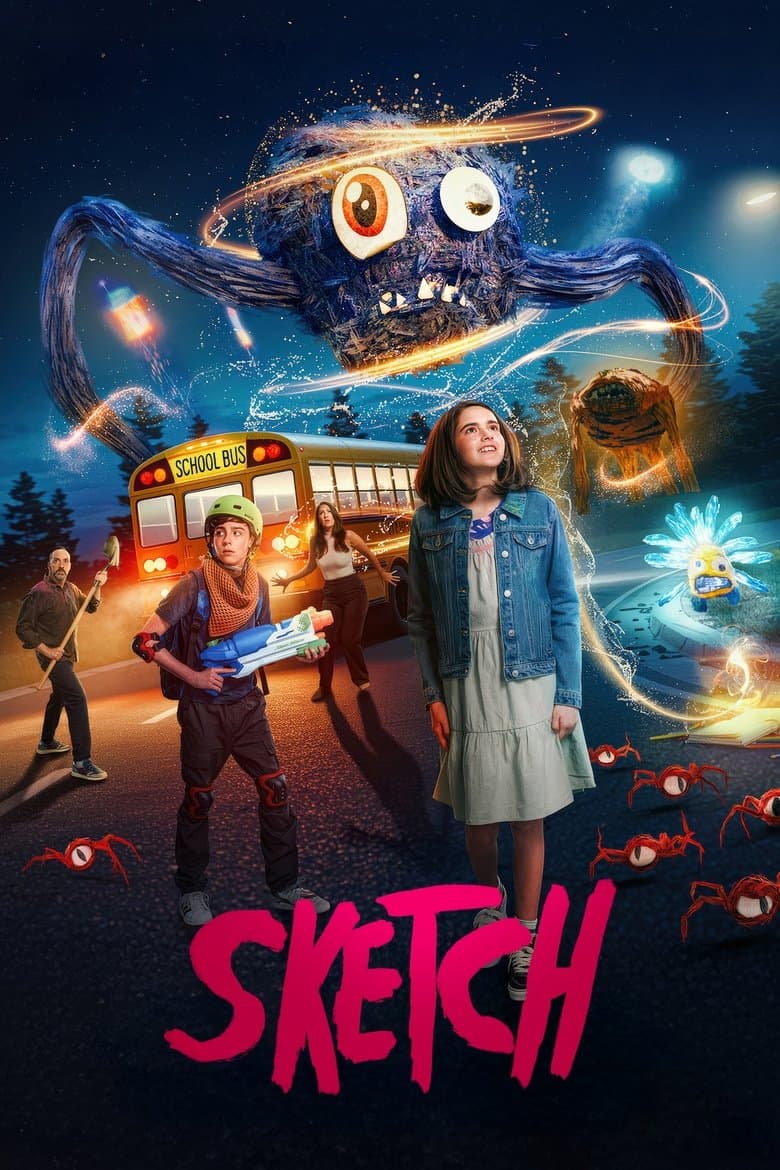
Movie · 2025
When a young girl’s sketchbook falls into a strange pond, her drawings come to life—chaotic, real, and on the loose.
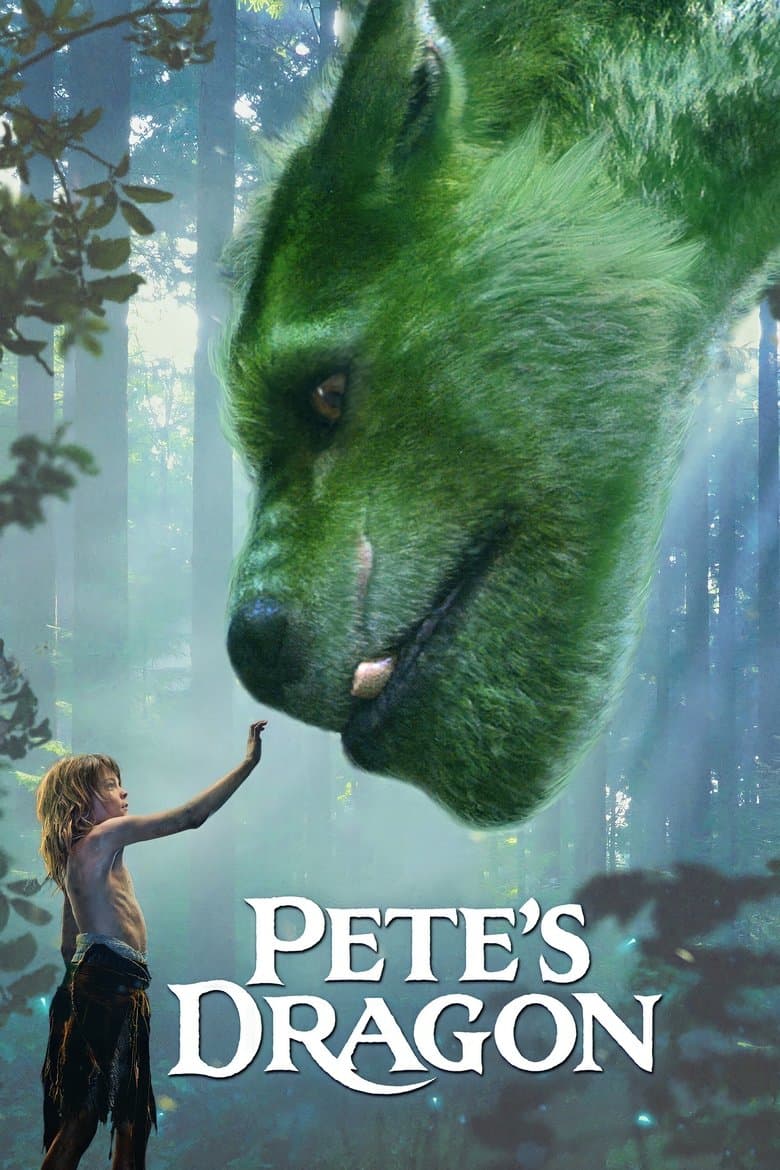
Movie · 2016
For years, old wood carver Mr. Meacham has delighted local children with his tales of the fierce dragon that resides deep in the woods of the Pacific Northwest.
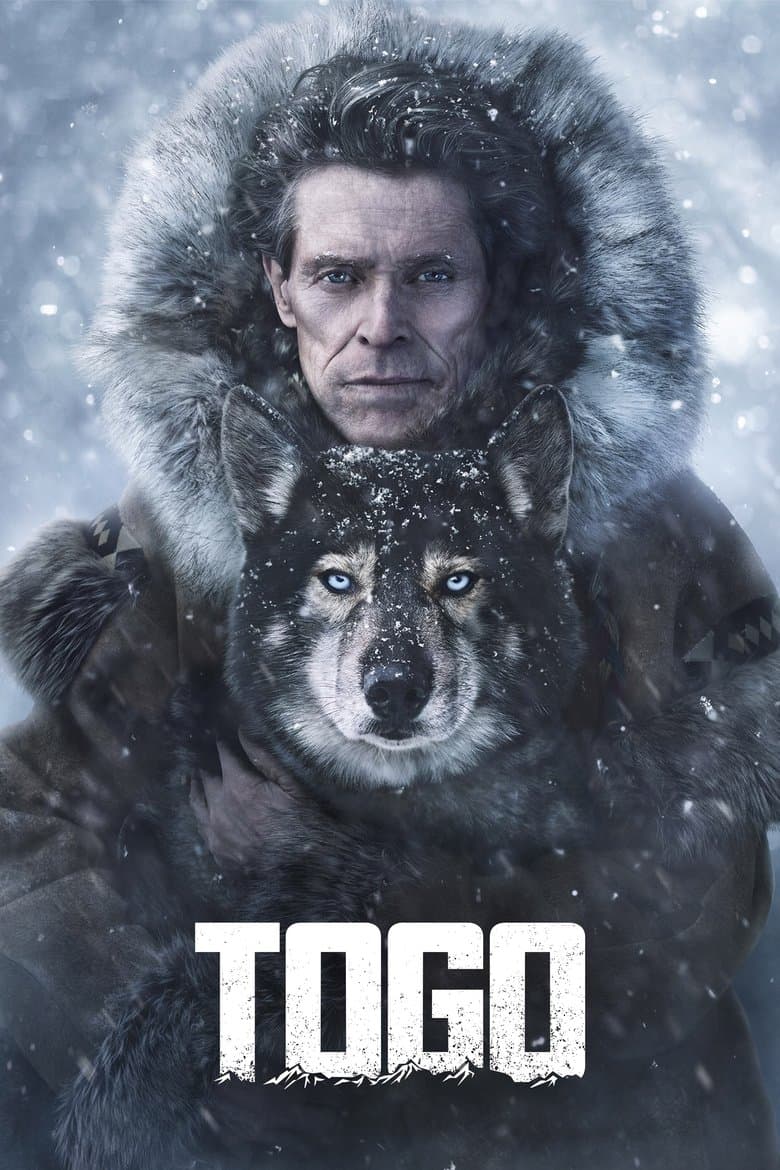
Movie · 2019
The untold true story set in the winter of 1925 that takes you across the treacherous terrain of the Alaskan tundra for an exhilarating and uplifting adventure that will test the…
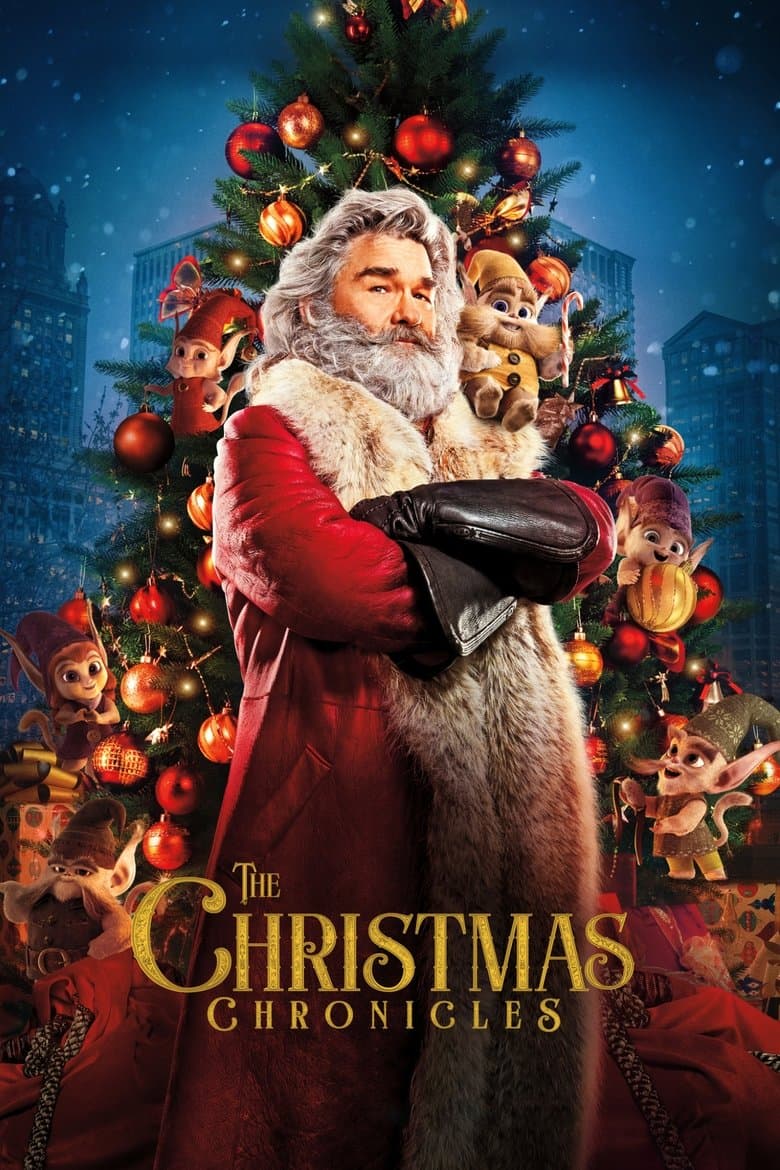
Movie · 2018
Siblings Kate and Teddy try to prove Santa Claus is real, but when they accidentally cause his sleigh to crash, they have to save Christmas.
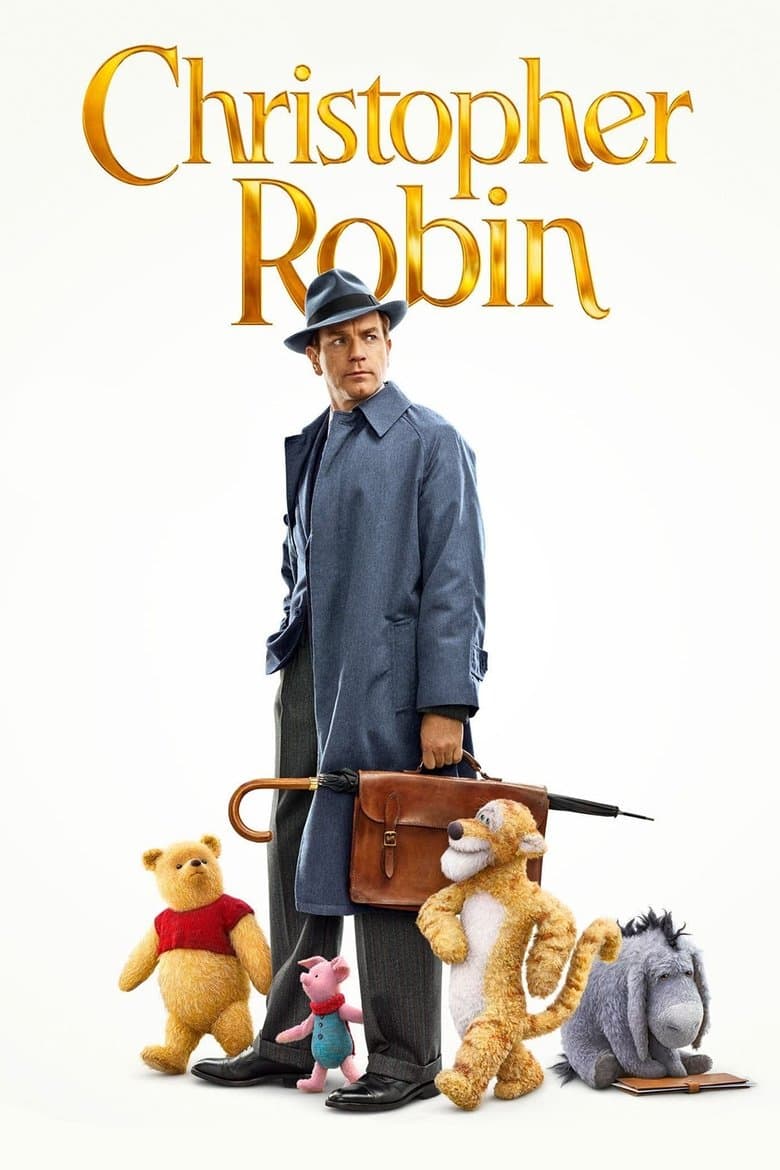
Movie · 2018
Christopher Robin, the boy who had countless adventures in the Hundred Acre Wood, has grown up and lost his way.
