Movie review
August 1, 2018 · 104 min · PG · Kids · Fantasy · Comedy · Adventure · Family
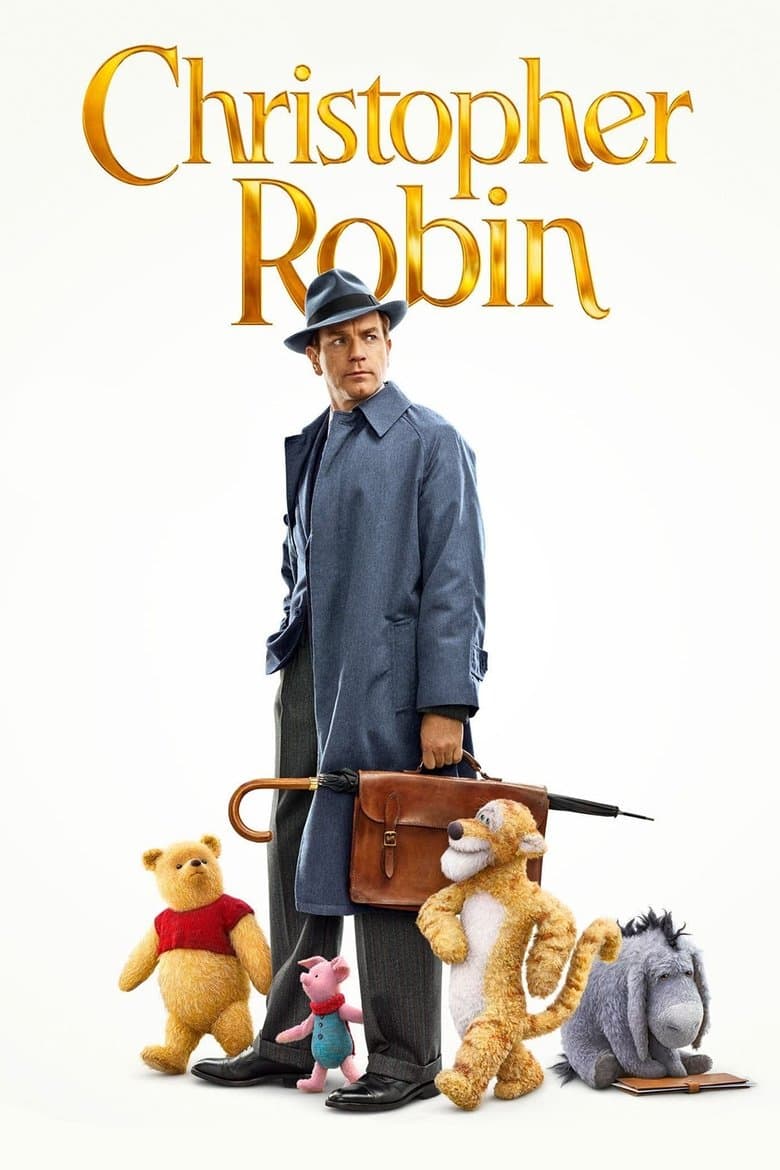
Adult Christopher Robin works at a luggage company in London after World War Two. He faces layoff pressure from his boss and starts to neglect his wife Evelyn and his daughter Madeline. Pooh and the friends from the Hundred Acre Wood draw him back toward play, imagination, and family. He drops pure cost cutting and supports cheaper luggage for ordinary customers plus paid leave for staff. The senior owner accepts the plan, and the family reunites in the Wood.
The main cast is a white British family that fits the period, and the plot is not built as a diverse hero team. Supporting office roles include people of color, and Sophie Okonedo voices Kanga, which some reviews called notably diverse for early postwar England. The film has almost no identity politics talk. Dialogue centers on work stress, family neglect, and a mild pitch for leisure time and paid leave. Core themes are childhood, friendship, fatherhood, and reconnecting with family, with only a soft note about a capable wife and a present dad.
Community feedback
Was our 19% Woke rating accurate?
Breakdown
These are the editorial factors and ratings behind our score for Christopher Robin.
Woke representation / casting
Leads are a period-plausible white British family, not a one-of-each hero team. Supporting London office roles include visible people of color, and Sophie Okonedo voices Kanga. Reviewers flagged this as notably diverse for early postwar England. It is real background emphasis, not savior or leader foregrounding.
22%
Woke political dialogue
There is almost no identity or DEI dialogue. Talk centers on work stress, family neglect, and a mild pitch for leisure, paid leave, and selling to ordinary people. That is work-life fairness talk, not race, gender, or sexuality rhetoric. There are no activist monologues about patriarchy, whiteness, or colonialism.
3%
Identity-driven story themes
Core themes are childhood, friendship, imagination, fatherhood, and family reconnection. Evelyn wants her husband present, and Madeline wants her father’s time rather than boarding school. There is no race-struggle plot or queer identity arc. The small score only reflects soft family messaging about a supportive wife and a present father.
2%
Western institutional / cultural critique
The film mildly mocks workaholism and a boss who wants layoffs and deep cuts. The fix is kinder capitalism with paid leave and mass-market luggage, not anti-capitalist overthrow. It does not push toxic-masculinity or anti-family framing. The office villain and time-off beat are still light cultural nudges.
14%
Woke character or canon changes
Not relevant. Adult Christopher with a family is a standard original sequel premise, not a DEI rewrite of established Pooh characters.
0%
Anti-woke backlash and complaints
Not present. No meaningful anti-woke or anti-DEI backlash campaign was found. Coverage did not treat the film as propaganda or a race-swap fight.
0%
Creator track record context
Marc Forster scores as a liberal human-story director rather than DEI-first. Allison Schroeder’s Hidden Figures work lifts the progressive context a bit. Lucy Bevan’s public diversity casting advocacy also raises this factor. The overall mix is mild-to-moderate progressive Hollywood, not an activist-driven core.
22%
Production
Movie · 2025
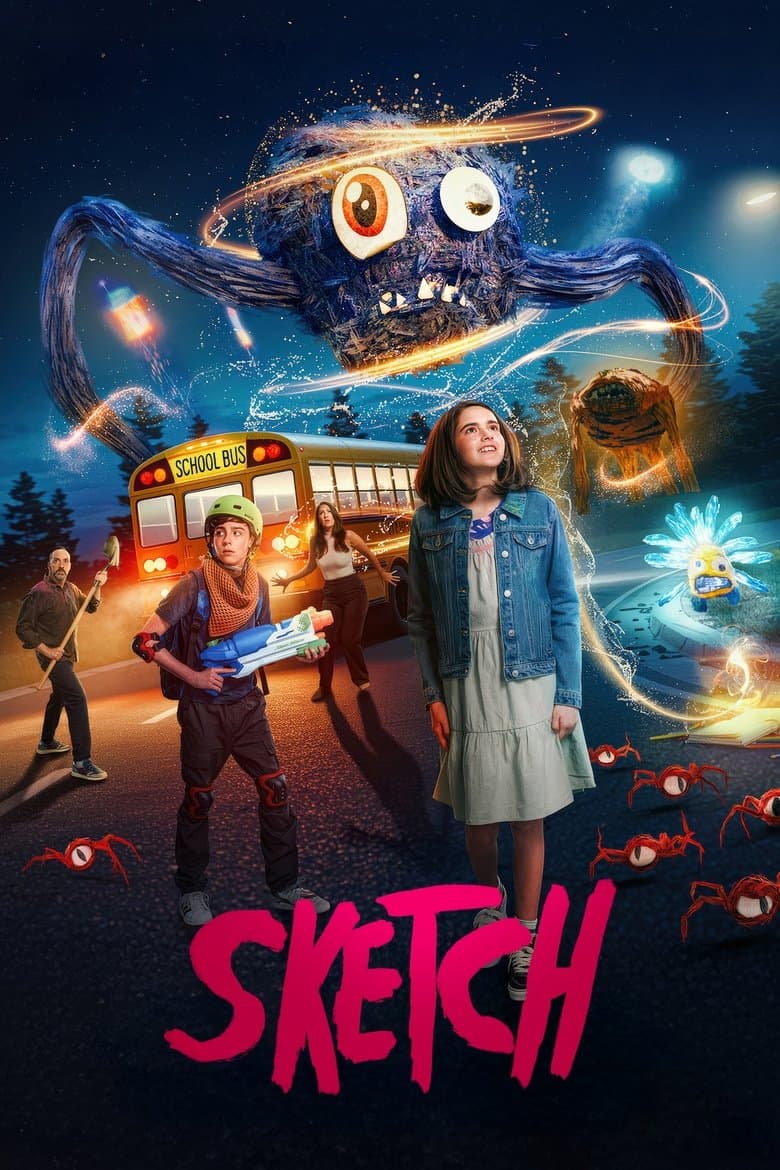
When a young girl’s sketchbook falls into a strange pond, her drawings come to life—chaotic, real, and on the loose.
Movie · 2025
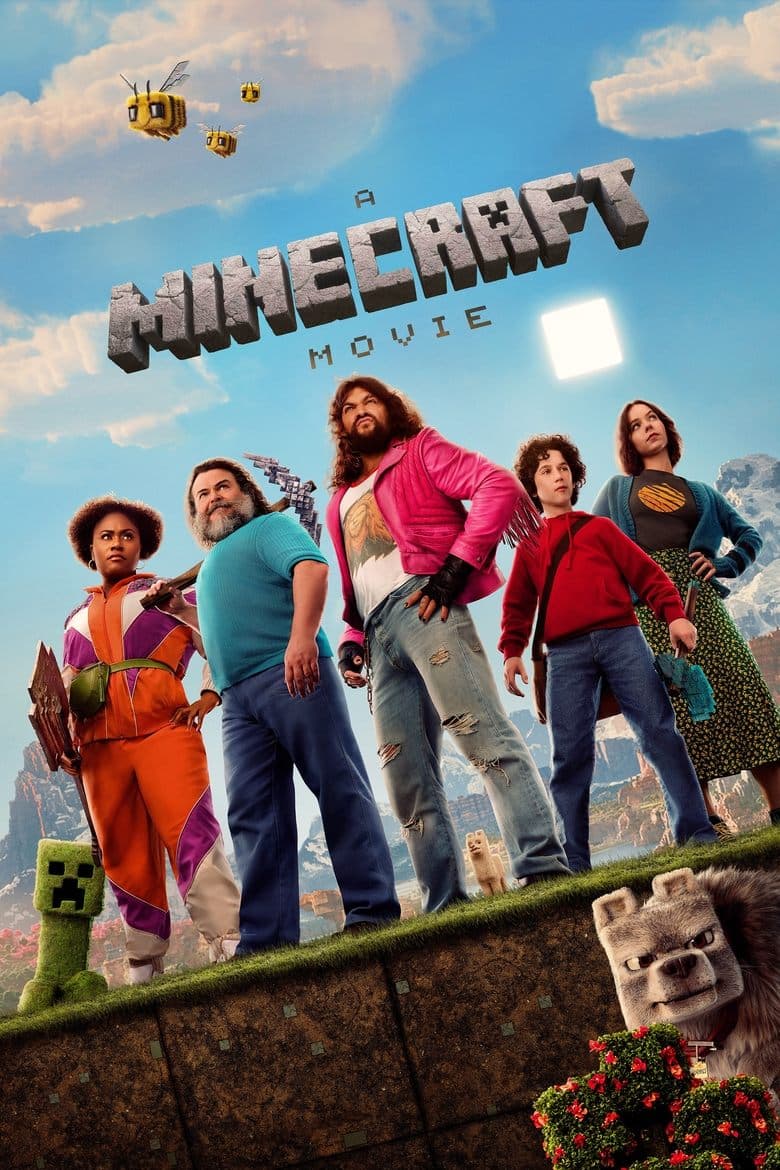
Four misfits find themselves struggling with ordinary problems when they are suddenly pulled through a mysterious portal into the Overworld: a bizarre, cubic wonderland that…

Movie · 2018
Siblings Kate and Teddy try to prove Santa Claus is real, but when they accidentally cause his sleigh to crash, they have to save Christmas.

Movie · 2017
A dog goes on quest to discover his purpose in life over the course of several lifetimes with multiple owners.
Movie · 2020
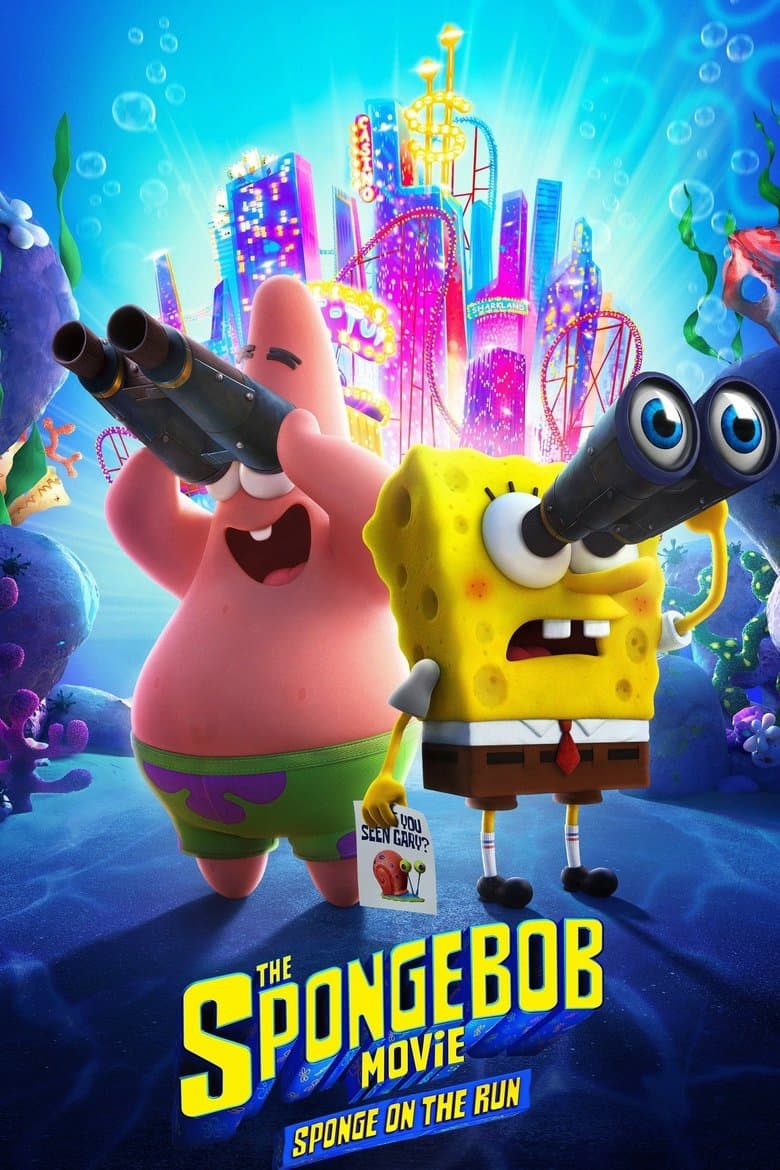
When his best friend Gary is suddenly snatched away, SpongeBob takes Patrick on a madcap mission far beyond Bikini Bottom to save their pink-shelled pal.

Movie · 2016
For years, old wood carver Mr. Meacham has delighted local children with his tales of the fierce dragon that resides deep in the woods of the Pacific Northwest.
Movie · 2017
When Chloe discovers that her new home's garden gnomes are not what they seem, she must decide between the pursuit of a desired high school life and taking up the fight against…
Movie · 2016
An orphan little girl befriends a benevolent giant who takes her to Giant Country, where they attempt to stop the man-eating giants that are invading the human world.
