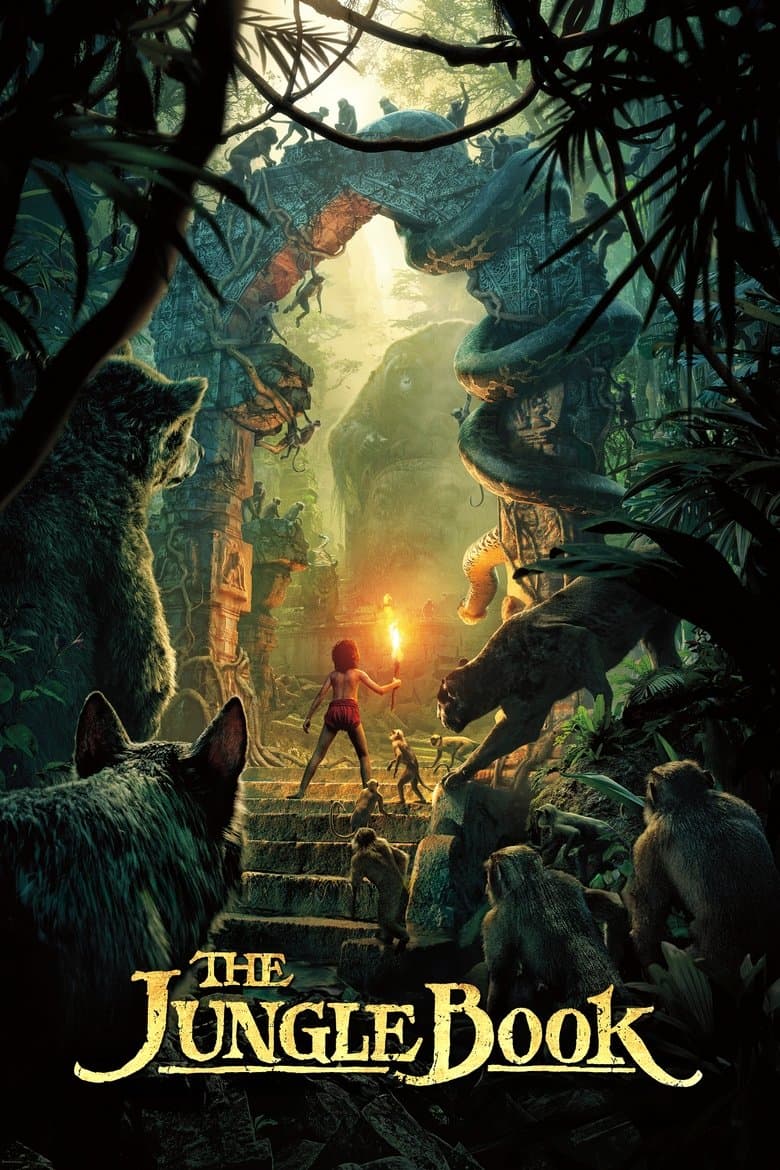
Disney's 2016 live-action and CGI remake is a family adventure set in 1890s India. Orphan Mowgli is raised by wolves until the tiger Shere Khan demands his death after a water truce. He flees with Bagheera, nearly falls to the python Kaa, befriends Baloo, and is seized by King Louie, who wants the secret of fire. Mowgli returns, faces Shere Khan with human tricks and fire, helps put out a wildfire, and chooses to stay in the jungle. The main themes are belonging, pack loyalty, the Law of the Jungle, fear and hierarchy, and living with nature rather than conquering it.
A few modern production choices read as light-to-moderate woke signals, not a core political project. Kaa is gender-flipped from male to female, and Favreau said all-male characters felt unbalanced and they wanted a Jungle Book for their generation. King Louie is redesigned partly to move away from 1967 racial-coding concerns and to fit India better as a Gigantopithecus. Voice casting uses a diverse modern A-list slate, while Mowgli's Indian heritage fits the setting. There are no queer themes, no activist dialogue, and no sustained anti-woke backlash aimed at this film.
Community feedback
Was our 28% Woke rating accurate?
Breakdown
These are the editorial factors and ratings behind our score for The Jungle Book.
Woke representation / casting
Indian-descent Mowgli fits the 1890s India setting and is not a forced diversity stretch. Major animal roles use a modern diverse celebrity voice cast including Elba, Nyong'o, and Esposito. Favreau also openly gender-flipped Kaa to fix what he called an all-male imbalance. That is a light-to-moderate representation priority, not a quota-driven human ensemble.
28%
Woke political dialogue
Not present. Dialogue stays in fable territory about the Law of the Jungle, fire, fear, pack loyalty, and man tricks.
0%
Identity-driven story themes
The arc is about a man-cub finding belonging, mentorship, and surviving Shere Khan. Soft respect for nature and living with the jungle is present but mild. It is not framed as race, gender, or queer identity politics, and identity is not the spine of the plot.
10%
Western institutional / cultural critique
The film does not attack the church, traditional family, or Western institutions as oppressive. The mild modern note is valuing nature as something to protect rather than subdue. Louie's greed for power and fire's danger work as classic moral lessons, not present-day activist critique of institutions.
5%
Woke character or canon changes
The clear identity-driven change is Kaa going from male to female for gender balance and a modern audience. King Louie's species and voice redesign partly answers 1967 racial-stereotype criticism and India geography. Expanded Raksha and the ending where Mowgli stays lean closer to Kipling or an environmental tone, not a DEI rewrite of human historical figures.
40%
Anti-woke backlash and complaints
Not present. No meaningful right-leaning or anti-woke campaign treated the 2016 film as DEI propaganda.
0%
Creator track record context
Main story leadership is low-signal, with Favreau and Marks focused on craft rather than activism. Casting director Sarah Halley Finn's more diversity-forward résumé is only supporting context. It does not dominate how the public sees this family adventure's creative face.
15%
Production
Movie · 2016
An orphan little girl befriends a benevolent giant who takes her to Giant Country, where they attempt to stop the man-eating giants that are invading the human world.
Movie · 2024
A solitary cat, displaced by a great flood, finds refuge on a boat with various species and must navigate the challenges of adapting to a transformed world together.
Movie · 2016
For years, old wood carver Mr. Meacham has delighted local children with his tales of the fierce dragon that resides deep in the woods of the Pacific Northwest.
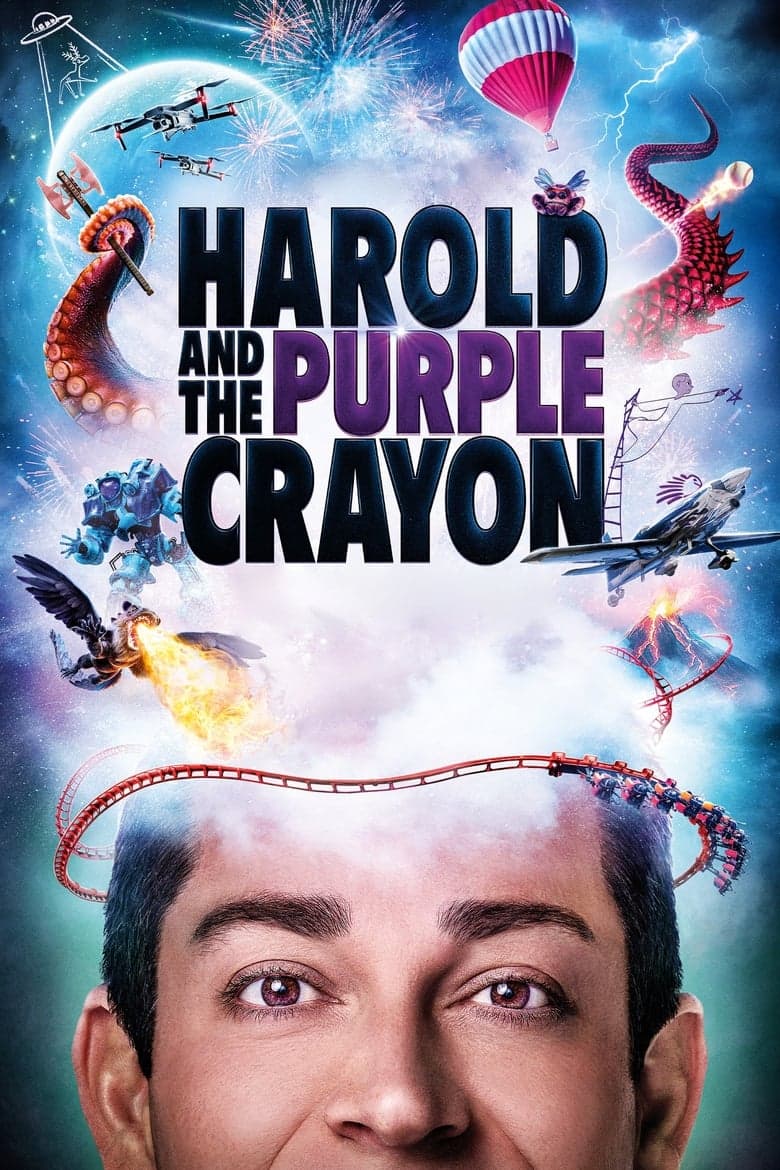
Movie · 2024
Inside of his book, adventurous Harold can make anything come to life simply by drawing it. After he grows up and draws himself off the book's pages and into the physical world…
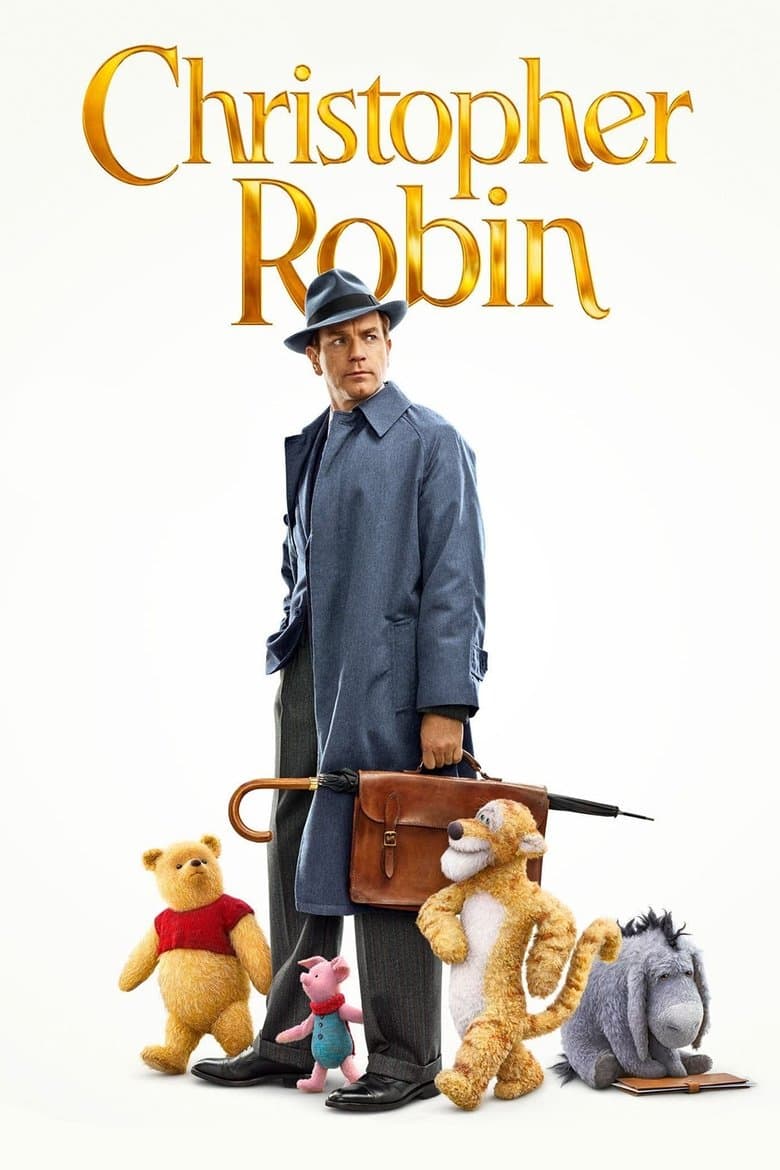
Movie · 2018
Christopher Robin, the boy who had countless adventures in the Hundred Acre Wood, has grown up and lost his way.
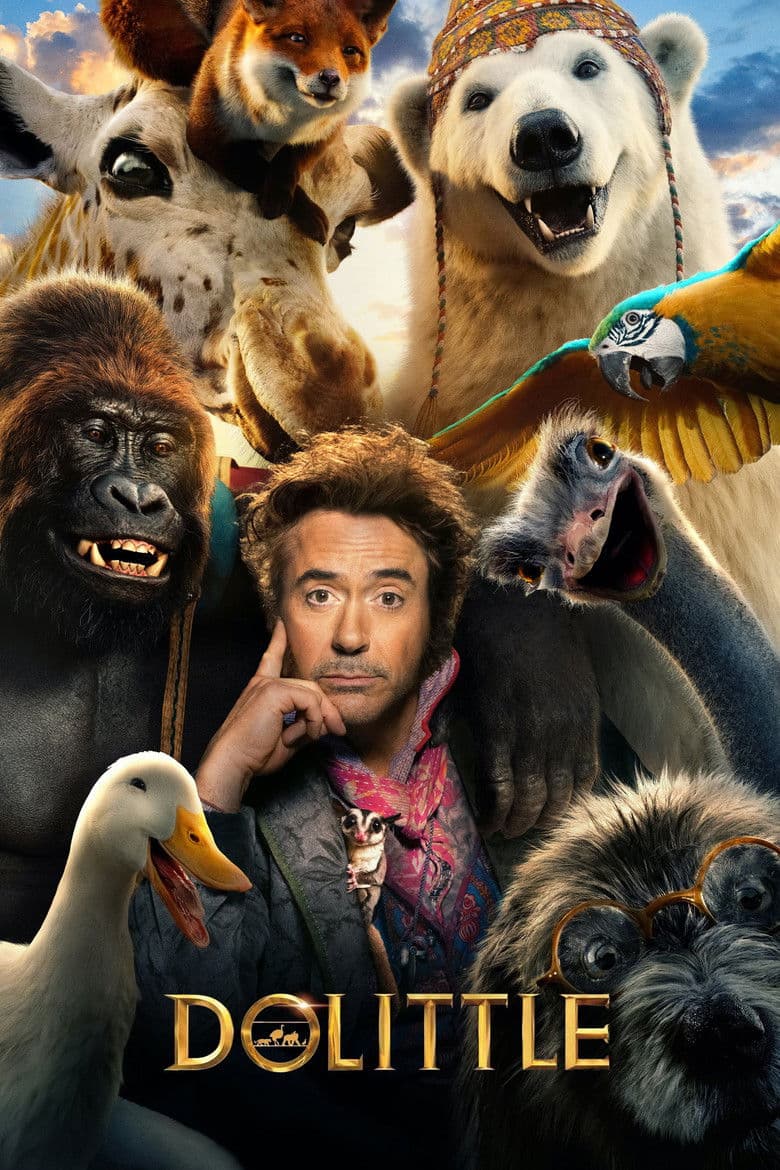
Movie · 2020
After losing his wife seven years earlier, the eccentric Dr. John Dolittle, famed doctor and veterinarian of Queen Victoria’s England, hermits himself away behind the high walls…
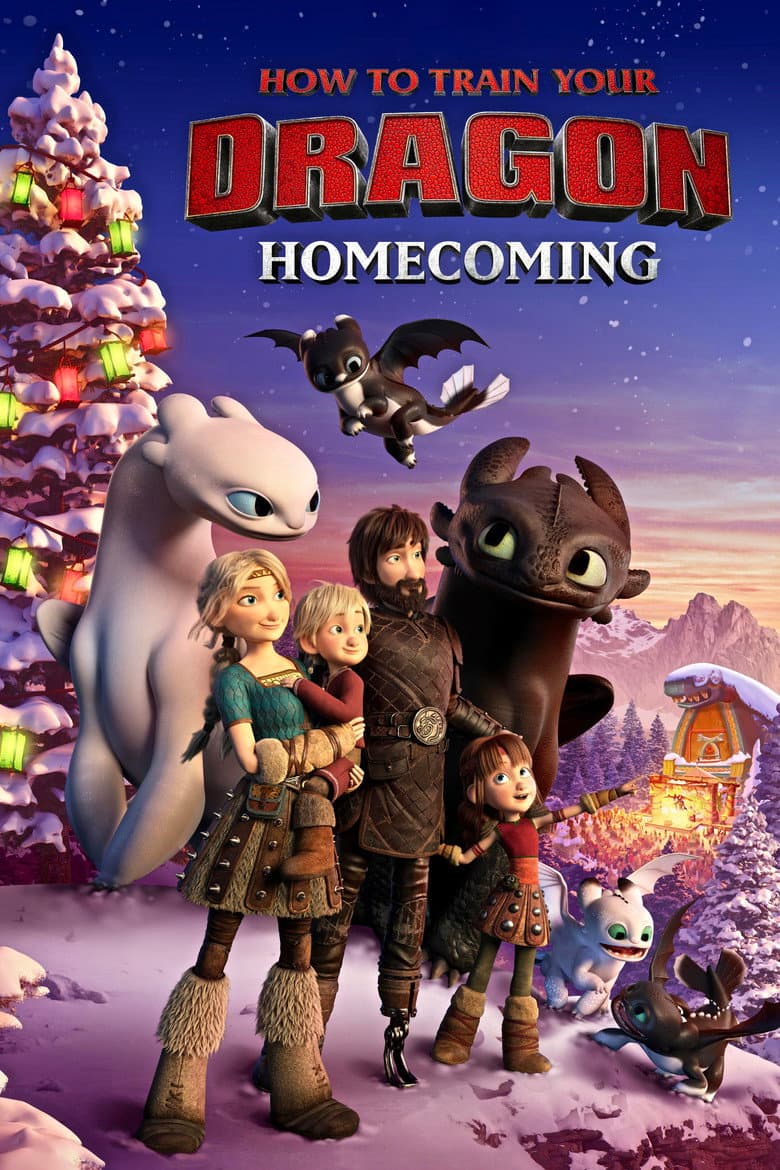
Movie · 2019
It's been ten years since the dragons moved to the Hidden World, and even though Toothless doesn't live in New Berk anymore, Hiccup continues the holiday traditions he once shared…
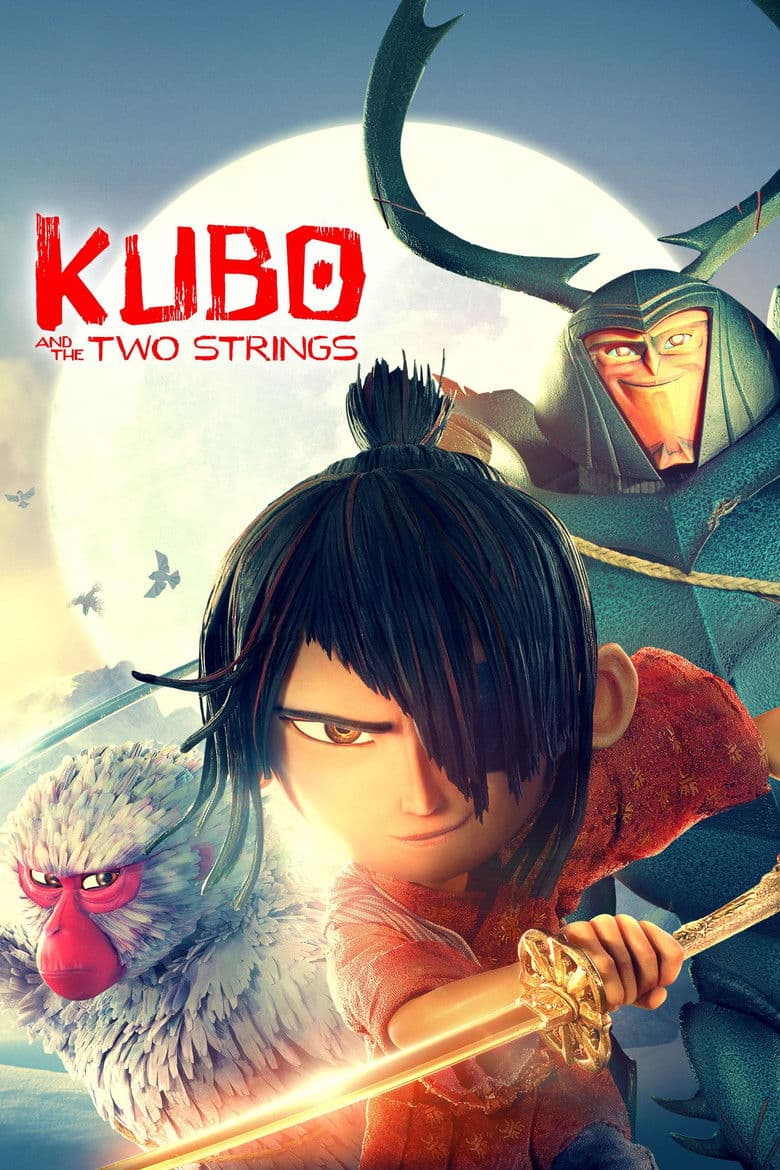
Movie · 2016
Kubo mesmerizes the people in his village with his magical gift for spinning wild tales with origami. When he accidentally summons an evil spirit seeking vengeance, Kubo is forced…
