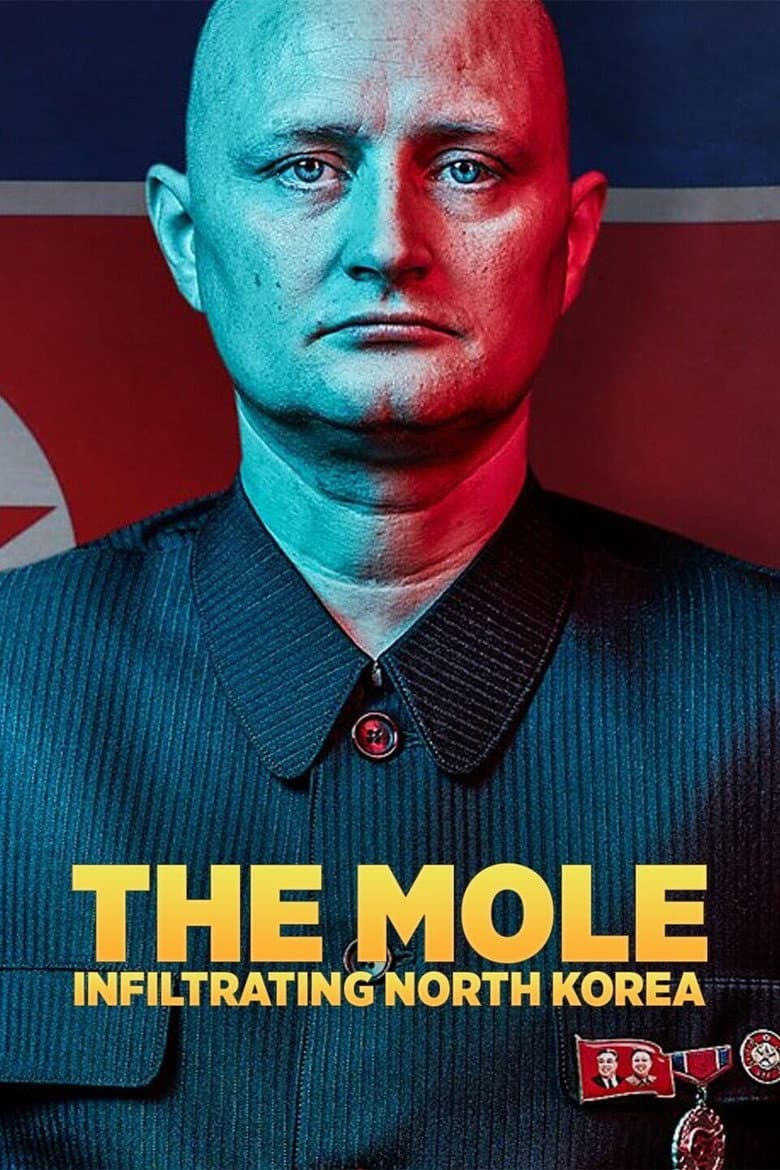
Ulrich Larsen is a former Danish chef who lives with illness and joins a North Korean friendship group in Denmark. He spends about ten years acting like a loyal supporter so he can reach people close to the regime. The plan grows when he and filmmaker Mads Brügger bring in Jim Latrache-Qvortrup, a former drug dealer who pretends to be a rich businessman. Hidden cameras follow meetings in Denmark, Europe, North Korea, and Africa about weapons, drugs, oil, and a possible factory in Uganda. The tone is tense, strange, darkly funny, and built like a spy thriller.
The film presents opposition to North Korea's dictatorship and the illegal network around it. It shows Western criminals, businessmen, and political helpers who work with the regime when money is offered. The story focuses on corruption, sanctions, lies, and personal risk as the undercover team tries to expose weapons and drug deals. The central men face danger while their families carry the cost of the long secret. The film treats the mission as a strange fight against a brutal state, with moral questions about deception and putting other people at risk.
Community feedback
Was our 2% Woke rating accurate?
Breakdown
These are the editorial factors and ratings behind our score for The Mole: Undercover in North Korea.
Woke representation / casting
Not present. The main people on screen are Danish and European men, while North Korean and Ugandan people appear as real people in the investigation. The film does not present their identities as a diversity goal or a casting message.
0%
Woke political dialogue
Not present. The spoken material deals with North Korean weapons, sanctions, dictatorship, money, and undercover work. It does not use recurring modern identity, gender-role, DEI, or activist lines.
0%
Identity-driven story themes
Not present. The story follows a long sting against a dictatorship and illegal trade network. Race, sex, queer identity, and representation do not drive the plot or character arcs.
0%
Western institutional / cultural critique
Not present. The film shows North Korea, corrupt brokers, and a fake plan to remove Ugandan island residents for a factory. It does not turn that story into a repeated critique of Western family life, Christianity, capitalism, traditional gender roles, or current identity politics.
0%
Woke character or canon changes
Not relevant. This is a documentary about real people and events. It does not change a known character or replace a real person's race, sex, or identity.
0%
Anti-woke backlash and complaints
Not present. Reported disputes focus on whether the undercover footage and deals were genuine, not on woke or DEI messaging. X had no anti-woke reaction, and other audience posts mainly praised the story or questioned its staging.
0%
Creator track record context
Mads Brügger's cached creator score is 8/100. His earlier work sometimes touches colonial exploitation and institutional abuse, which gives a mild social-justice context. His main pattern is anti-establishment journalism, not identity politics, DEI, or representation-first work. This title follows that anti-dictatorship style more than a woke one.
8%
Production
Movie · 2023
A courageous pastor uses his underground network to rescue and aid North Korean families as they risk their lives to embrace freedom.
Movie · 2018
New York, 1980. Three complete strangers accidentally discover that they're identical triplets, separated at birth.
Movie · 2020
When Washington Post journalist Jamal Khashoggi disappears after entering Saudi Arabia’s consulate in Istanbul, his fiancée and dissidents around the world are left to piece…

Movie · 2023
The remarkable coming-of-age story of Stephen Curry—one of the most influential, dynamic, and unexpected players in basketball history—and his rise from an undersized college…
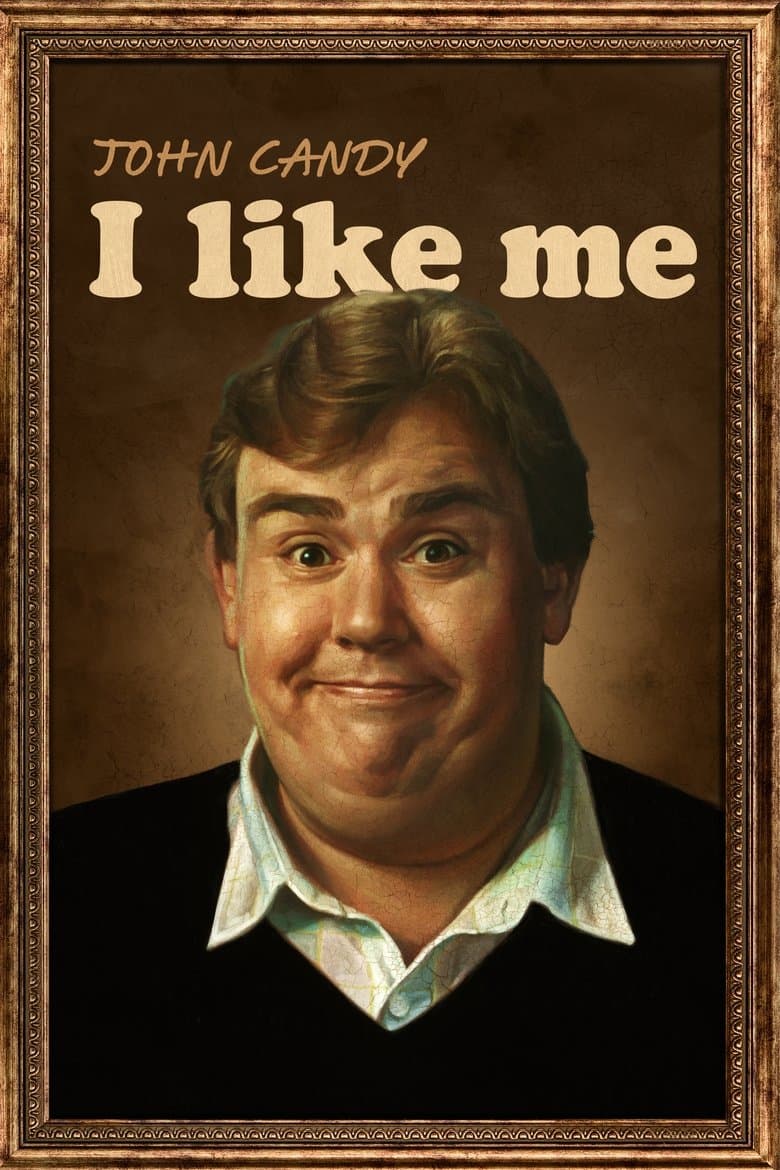
Movie · 2025
Those who knew iconic funnyman John Candy best share his story, in their own words, through never-before-seen archival footage, imagery, and interviews.
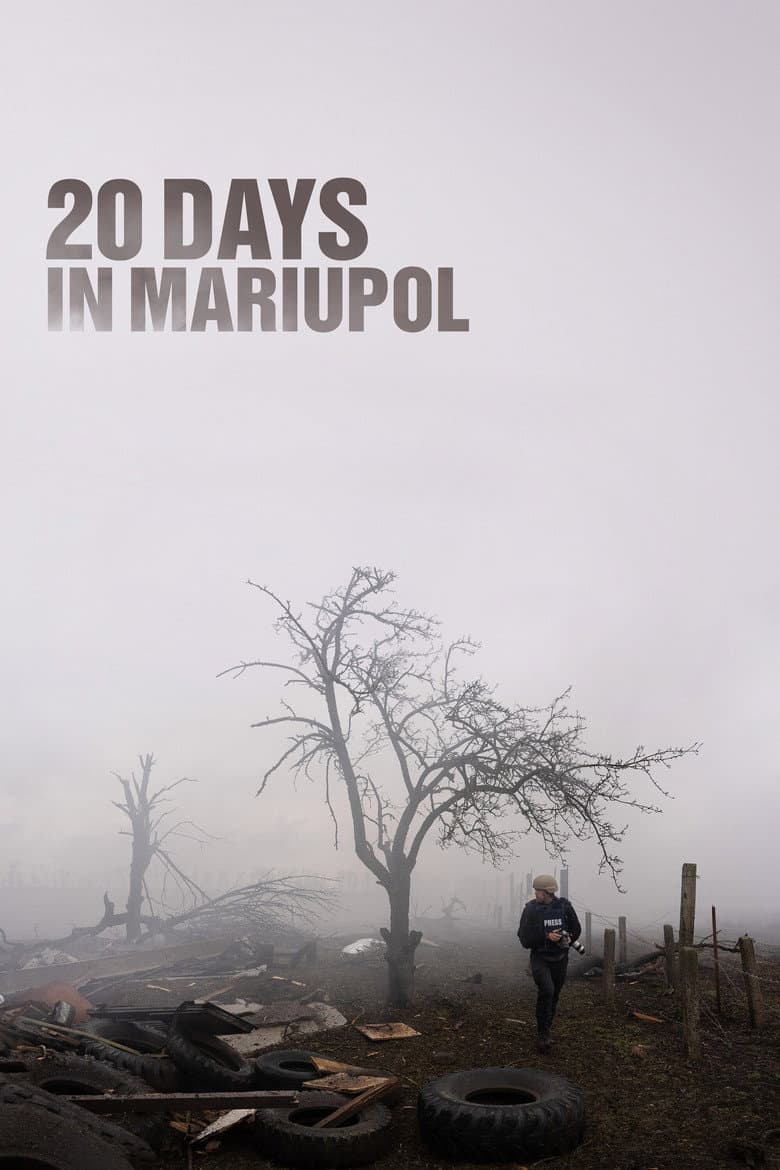
Movie · 2023
As the Russian invasion begins, a team of Ukrainian journalists trapped in the besieged city of Mariupol struggle to continue their work documenting the war's atrocities.
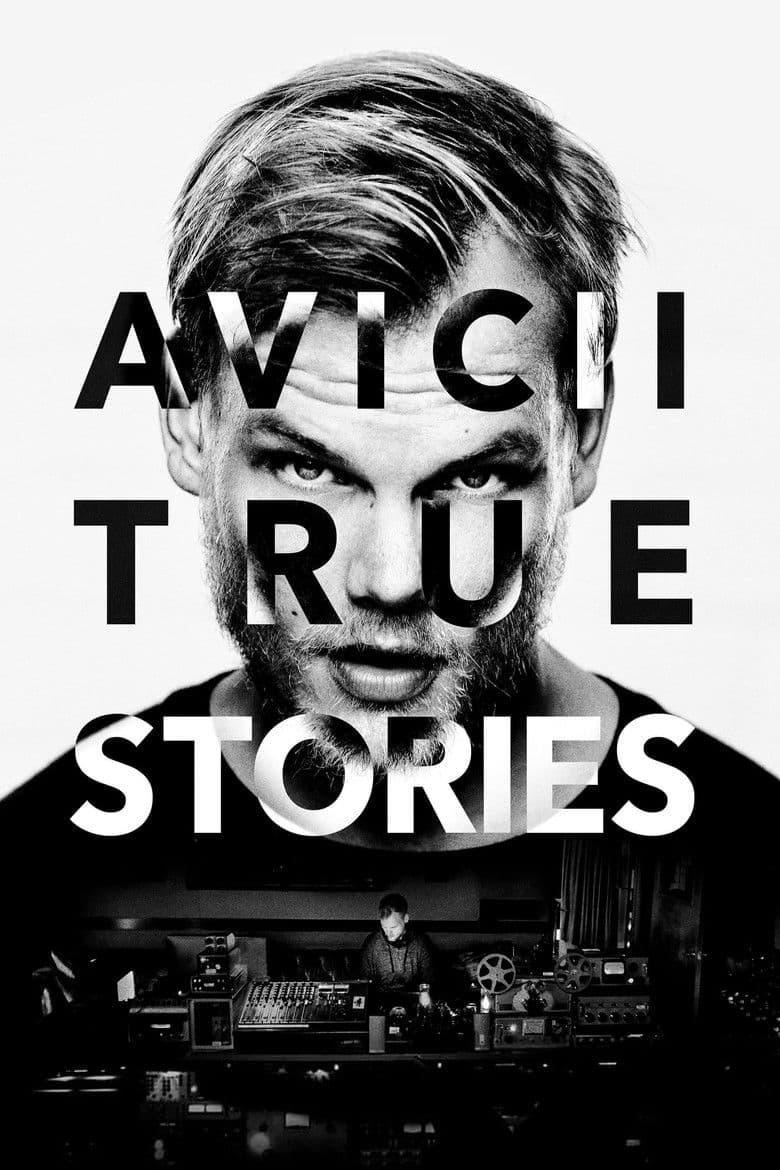
Movie · 2017
Documentary about the arena-packing Swedish DJ, chronicling his explosive rise to fame and surprising decision to retire from live performances in 2016.
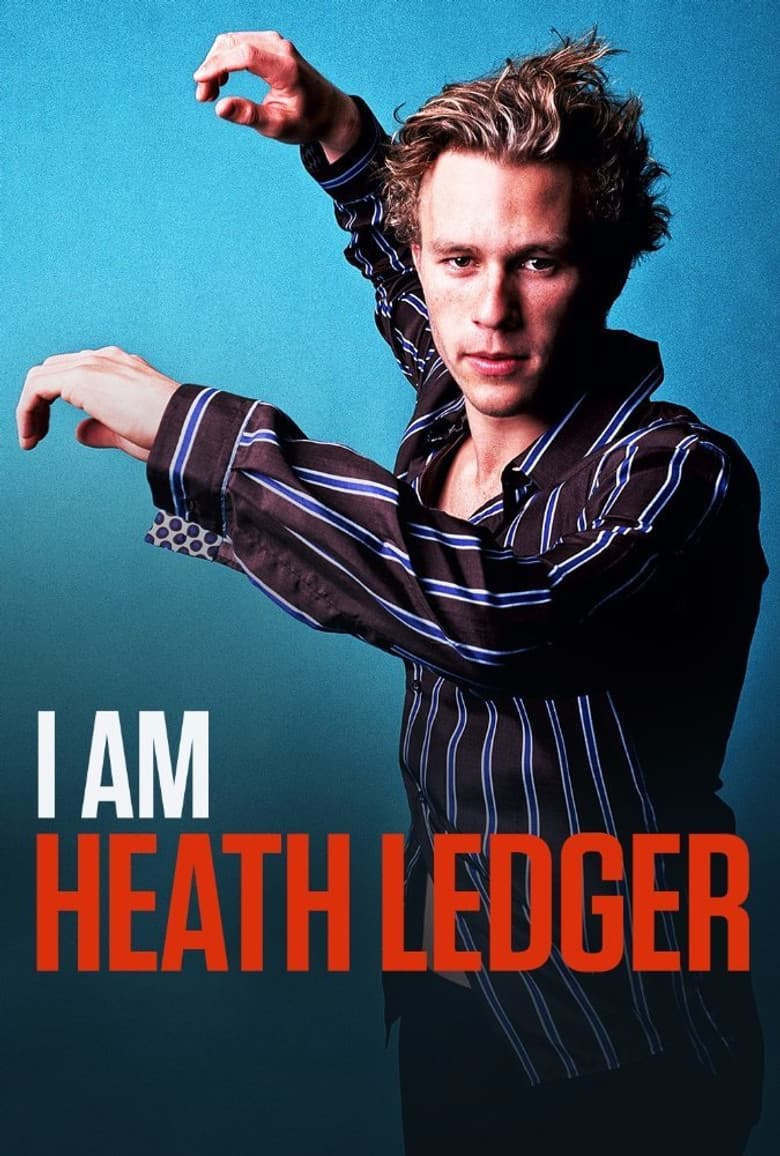
Movie · 2017
The life and career of an actor, artist, and icon. His own journey through his own camera.
