Movie review
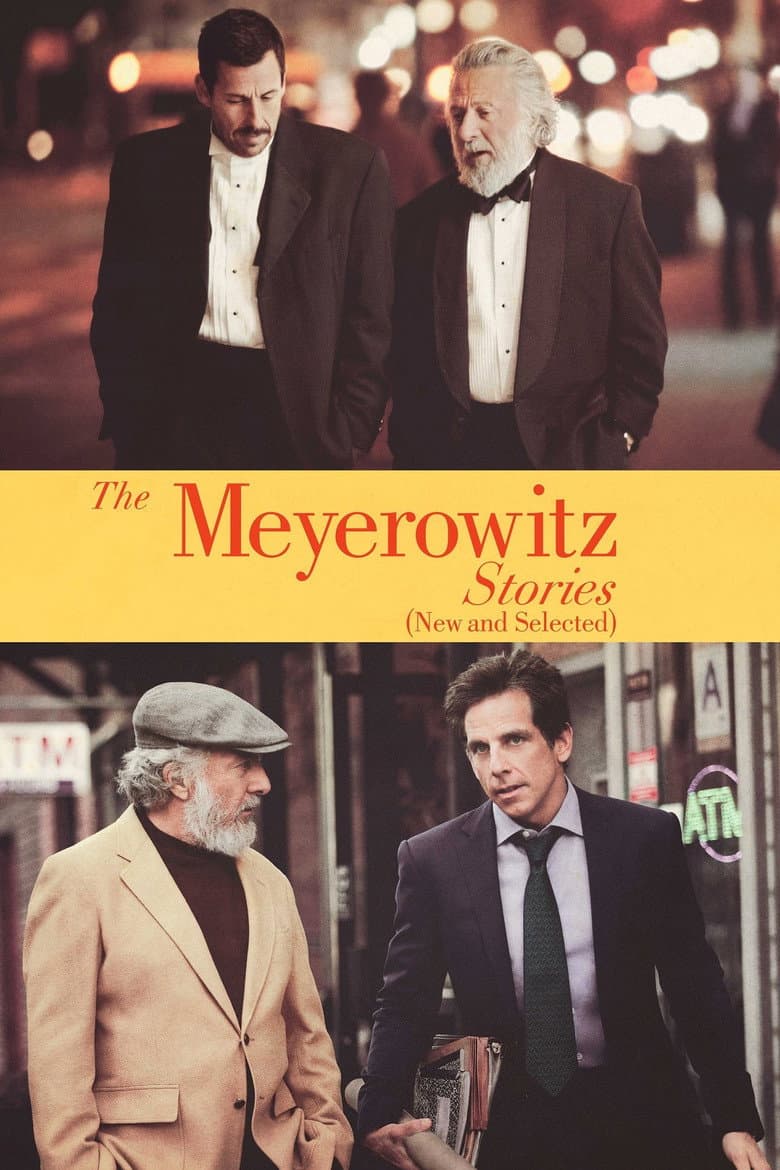
Danny Meyerowitz returns to his New York family after separating from his wife and losing his work as a musician. His father Harold is an aging sculptor whose choices have caused years of anger among Danny, Jean, and their half-brother Matthew. An art show, the possible sale of Harold's house, and Harold's serious brain injury keep the family together. The story uses dry jokes, sharp fights, sadness, and small moments of forgiveness to show how family wounds can last for years.
The film includes a brief gender-focused story when Jean says that a family friend exposed himself to her when she was a teenager. Her brothers respond with revenge, but Jean wants them to hear and understand her pain. The story shows the difference between the men's anger and Jean's experience, while the main plot stays focused on family damage, art, memory, illness, and forgiveness. Eliza's student films include brief nudity and simulated sexual behavior, but those scenes do not change the family story. A spoken reference to an interracial homosexual couple adds a small identity-related detail without shaping the film's main message.
Community feedback
Was our 26% Woke rating accurate?
Breakdown
These are the editorial factors and ratings behind our score for The Meyerowitz Stories (New and Selected).
Woke representation / casting
Not present. The film does not show a diversity-focused casting pattern. The central family and main supporting cast are mostly white New Yorkers. A brief spoken reference to a homosexual couple does not create an identity-focused casting design.
0%
Woke political dialogue
Not present. The dialogue centers on family fights, art, money, sex, illness, and regret. The film does not use speeches or repeated lines to promote modern identity politics, DEI, or activism.
0%
Identity-driven story themes
Jean has a late but important scene about a family friend exposing himself to her when she was a teenager. Her brothers turn her disclosure into a revenge attack, while Jean wants them to hear and understand her pain. The film presents this gap as a difference between the men's anger and a woman's experience. The subplot is clear but brief, and the main story remains about family wounds, art, and forgiveness.
30%
Western institutional / cultural critique
Harold's self-centered rule hurts his children for years. Jean is overlooked while her brothers speak and act for her after she discloses the abuse. The story lightly criticizes male anger and family power through this contrast. The film does not make a broad attack on Western institutions, religion, or traditional society.
24%
Woke character or canon changes
Not relevant. The film is an original family story rather than an adaptation of established characters or a historical event. No race, gender, sexuality, or hero-role change is part of the plot.
0%
Anti-woke backlash and complaints
One fringe Reddit commenter objected to the film's opening alimony discussion and said it shamed Danny as a stay-at-home father. The supplied X research found no anti-woke reaction or named complaint. Major reviews and audience posts did not show a wider woke backlash. The complaint is isolated and weak.
5%
Creator track record context
The supplied creator record gives Noah Baumbach a low score of 17 and describes him as a family-drama filmmaker. The supplied records give Scott Rudin, Eli Bush, and Lila Yacoub low scores as well. Matthew Puccini has a higher score of 49 because his short films center queer lives. Francine Maisler has a moderate score of 36, while Douglas Aibel has a low score of 14, so the overall crew context is mixed but not strongly activist.
22%
Production
Movie · 2022
After discovering a once-in-a-lifetime player with a rocky past abroad, a down on his luck basketball scout takes it upon himself to bring the phenom to the States without his…

Movie · 2024
Emotions run high when three estranged sisters reunite in a cramped New York City apartment to watch over their ailing father during his final days.
Movie · 2019
The story of Rudy Ray Moore, who created the iconic big screen pimp character Dolemite in the 1970s.
Movie · 2018
In 1990s Los Angeles, a 13-year-old spends his summer navigating between a troubled home life and a crew of new friends he meets at a skate shop.
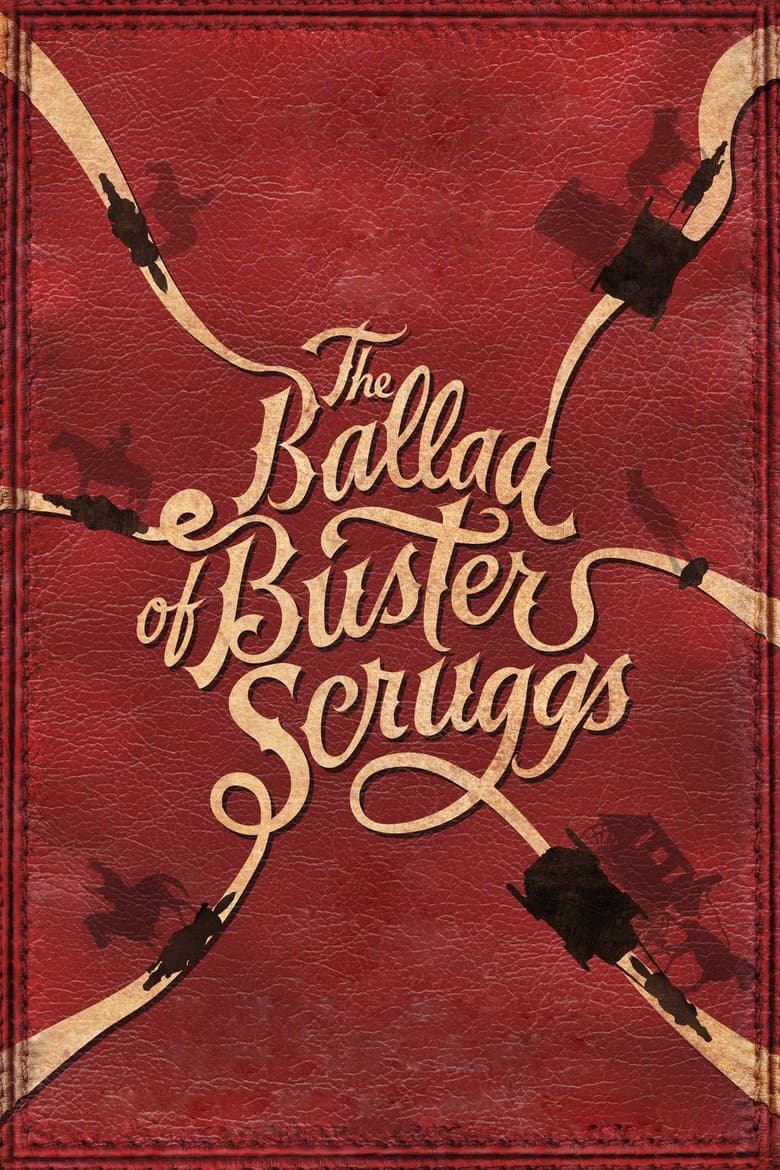
Movie · 2018
Vignettes weaving together the stories of six individuals in the old West at the end of the Civil War. Following the tales of a sharp-shooting songster, a wannabe bank robber, two…
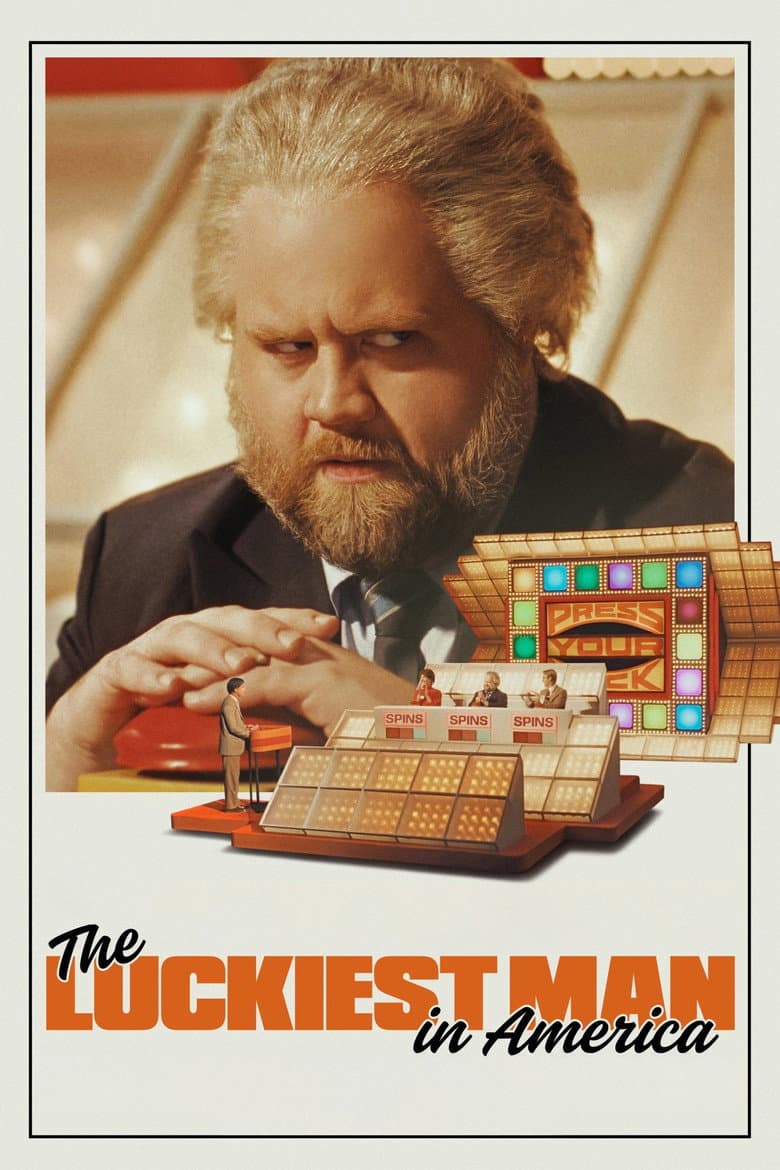
Movie · 2025
1984; Michael Larson, an unemployed ice-cream truck driver from Ohio, steps onto the game show "Press Your Luck" harboring a secret: the key to endless amounts of money.

Movie · 2017
Steve Coogan and Rob Brydon embark on a road trip along the coast of Spain.

Movie · 2016
Two high school girls are best friends until one dates the other's older brother, who is totally his sister's nemesis.
