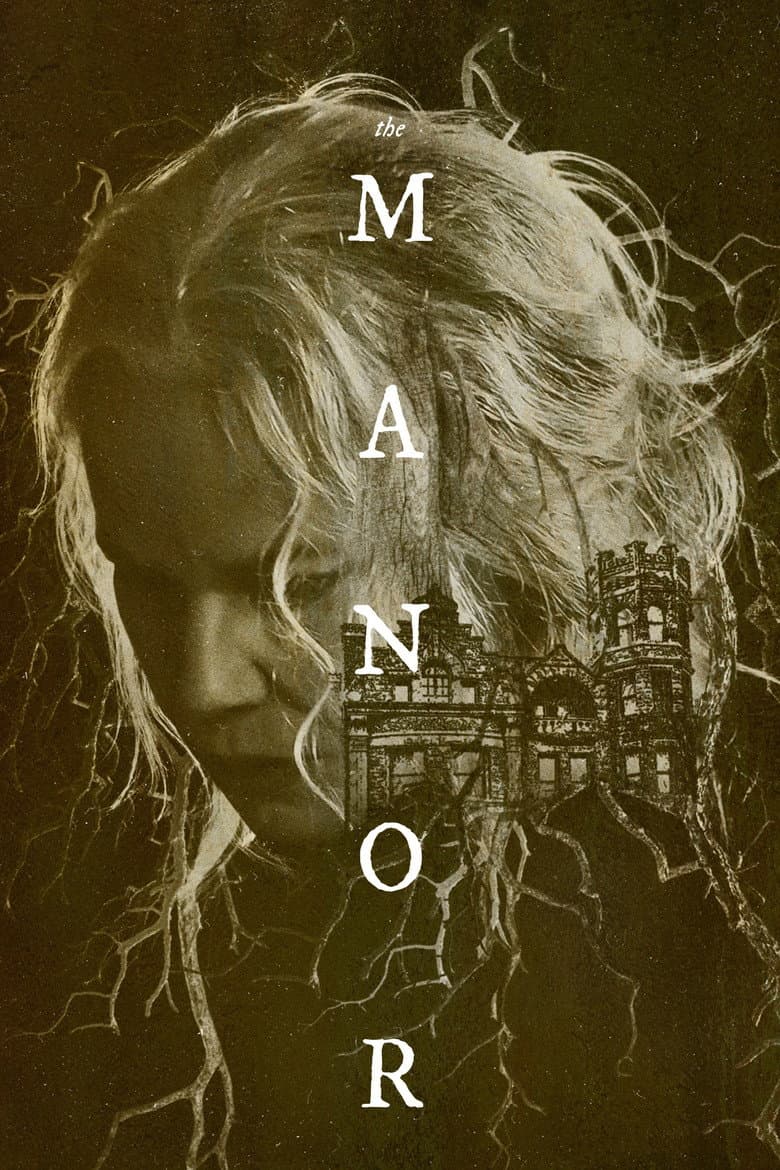
Judith Albright is a lively 70-year-old former dancer who moves into Golden Sun Manor after a stroke and early Parkinson’s disease. The historic nursing home limits her phone, movement, and contact with the outside world. Judith sees a tree-like monster and notices that residents are dying, but staff, family, and even her grandson Josh suspect that illness has damaged her mind. The film uses a slow, gloomy horror style as Judith tries to uncover the truth and keep her freedom.
The film makes ageism and the loss of dignity in elder care part of its main story. Judith and other residents talk about being treated like children, ignored by society, or pushed aside because of age and illness. The story also presents an older woman as funny, sexual, rebellious, and active instead of helpless, and it treats her bond with Josh as a deep human relationship. These ideas return through the nursing home’s rules and the way people dismiss Judith, but the film stays focused on supernatural horror instead of wider identity politics.
Community feedback
Was our 45% Woke rating accurate?
Breakdown
These are the editorial factors and ratings behind our score for The Manor.
Woke representation / casting
The film puts a 70-year-old woman at the center of a horror movie, which is unusual for the genre. Judith stays funny, sexual, brave, and active while she investigates the deaths. Carolyn and Hershey publicly described this choice as a way to show older women as full people who are often left out of leading roles. The other main roles do not show the same identity-focused pattern.
24%
Woke political dialogue
The residents say the home makes them irrelevant to society. Judith says staff treat sick residents like invalids and that she is not a child. The film also jokes about the pressure on older women to stay young through Botox, surgery, and diets. These lines return during the home scenes, but the film never stops for a long activist speech.
32%
Identity-driven story themes
The story repeatedly presents age and the experience of older women as sources of unfair treatment. Judith loses freedom after a stroke, faces condescension, and must fight to be heard. Other residents share the same loss of dignity, while the film presents Judith as lively and independent. This is a major theme, but it is about age and elder care rather than race, queer identity, or broad political activism.
50%
Western institutional / cultural critique
The home controls phones, movement, treatment, and contact with family. Staff and relatives often treat Judith as a child and dismiss her warnings. Residents compare the home to prison and say they become irrelevant. The film criticizes elder care and family choices, but it does not attack Christianity, capitalism, conservatives, or Western culture as a whole.
30%
Woke character or canon changes
Not relevant. The film is an original story by Axelle Carolyn and does not change a known character, canon, or real historical event.
0%
Anti-woke backlash and complaints
Not present. No clear anti-woke complaints appear in the supplied X search or in the major coverage reviewed. A small online remark says the film “went woke,” but it gives no title-specific reason and does not show a real backlash.
0%
Creator track record context
Axelle Carolyn’s cached score is 46/100 because her work often uses feminist ideas and female points of view in horror. Richard J. Bosner’s cached score is 52/100 because his past work often involves diverse or politically charged stories, while Jason Blum is 27/100 and most other listed producers score 5-19. This gives the project some supporting context, but the team does not show a strong shared activist record.
25%
Production
Movie · 2016
A stranger arrives in a little village and soon after a mysterious sickness starts spreading. A policeman is drawn into the incident and is forced to solve the mystery in order to…
Movie · 2021
A lone drifter suffering from partial memory loss accepts a job to look after a psychologically troubled woman in an abandoned house on an isolated island.
Movie · 2021
Reeling from the unexpected death of her husband, Beth is left alone in the lakeside home he built for her. Soon she begins to uncover her recently deceased husband's disturbing…
Movie · 2020
Inside the halls of an elite arts academy, a timid music student begins to outshine her more accomplished and outgoing twin sister when she discovers a mysterious notebook…
Movie · 2021
A shaman's family learn that their goddess is supposedly controlling one of them. However, their lives take a frightening turn when they realise the goddess has nothing to do with…
Movie · 2016
In a small Midwestern town, a troubled teen with homicidal tendencies must hunt down and destroy a supernatural killer while keeping his own inner demons at bay.
Movie · 2025
One year after her sister Melanie mysteriously disappeared, Clover and her friends head into the remote valley where she vanished in search of answers.
Movie · 2021
Madison is paralyzed by shocking visions of grisly murders, and her torment worsens as she discovers that these waking dreams are in fact terrifying realities with a mysterious…
