
Elle Evans spends the summer after high school at the Flynn family’s beach house in California. She must choose between Harvard, where her boyfriend Noah will study, and Berkeley, where her best friend Lee plans to go. She tries to keep both relationships happy while the house faces sale, Noah grows jealous of Marco, and her father starts dating again. The movie uses bright parties, games, romance, and jokes to tell a loose story about growing up and saying goodbye to school friends.
The clearest woke element is a small gay romance between Ollie and Miles, two school friends who remain a couple in the background. The movie also gives Elle a mild female-empowerment message when she stops choosing a college for Noah or Lee and follows her own interest in video game design. The story presents her career choice as a step toward independence and lets the couple receive a friendly goodbye. Those ideas support Elle’s personal growth for a few scenes, while friendship, romance, family change, and the end of childhood stay at the center.
Community feedback
Was our 20% Woke rating accurate?
Breakdown
These are the editorial factors and ratings behind our score for The Kissing Booth 3.
Woke representation / casting
Not present. The movie uses a mixed modern friend group, including black and Latino supporting characters, but it does not make their identities a message. The casting does not clearly use diversity-first framing.
0%
Woke political dialogue
Not present. The characters do not give political speeches about race, gender, sexuality, DEI, or current political causes. Their arguments stay about college, romance, family, and friendship.
0%
Identity-driven story themes
Elle spends the movie learning that she should not choose college only to please Noah or Lee. The film presents her choice to study video game design as a female-empowerment message. The background couple Ollie and Miles remains a confirmed gay relationship and receives a friendly goodbye. These ideas are visible, but friendship and romance remain more important than identity politics.
23%
Western institutional / cultural critique
The movie treats Noah’s jealousy and the boys’ pressure over Elle’s college choice as problems. The story also lets Rachel leave Lee so she can protect her own future, and it supports Elle’s choice to build a career outside both relationships. These moments mildly question possessive romance and old expectations for girls, but the movie does not attack Western institutions or social systems.
12%
Woke character or canon changes
Not relevant. The film adapts Beth Reekles’s teen romance story, but no identity-driven change to a known character, canon, or historical figure is central to the movie.
0%
Anti-woke backlash and complaints
Not present. Available social-media checks found no clear anti-woke posts, boycott, large-account push, or review-bombing. Audience and conservative reviews mainly discuss the weak plot, romance choices, sexual content, and romantic worldview.
0%
Creator track record context
Vince Marcello and Beth Reekles have no known activist pattern. Jay Arnold is a gay filmmaker who has made queer-centered stories. Joey King has publicly supported LGBTQ youth, Black Lives Matter, and gun-control causes. Most other listed producers and casting directors have little activist history, so the overall context is a mild signal.
26%
Production
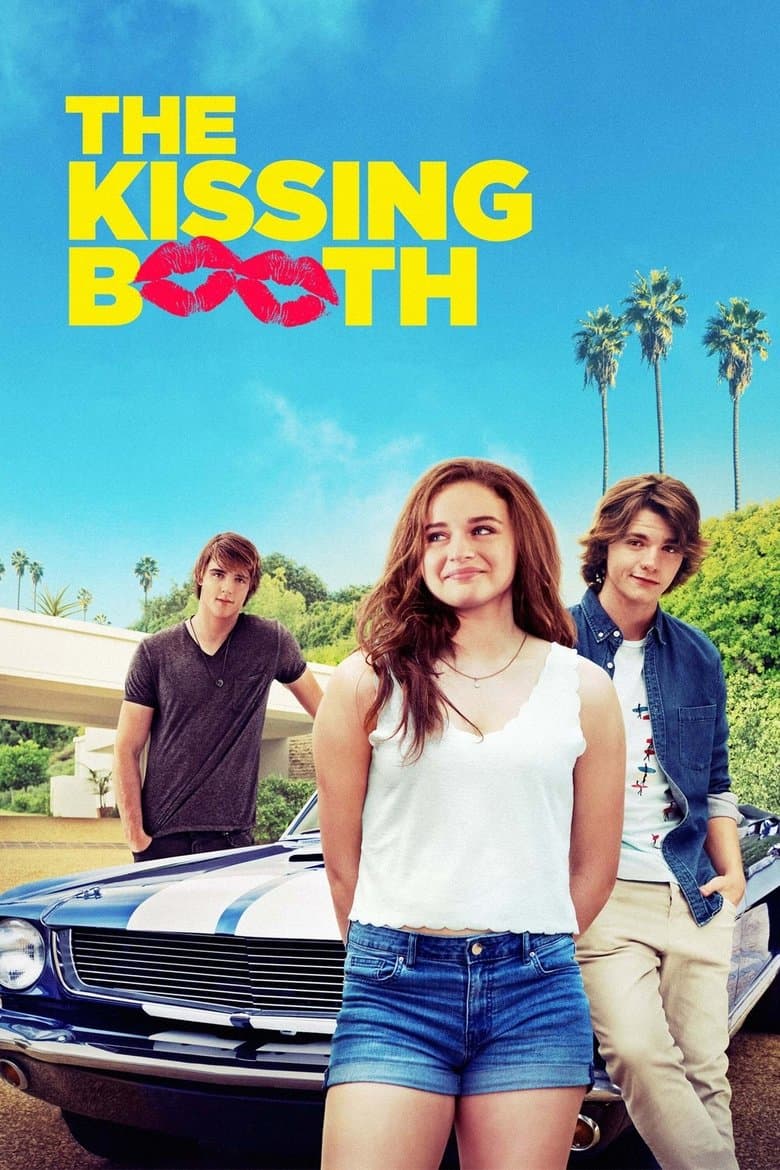
Movie · 2018
When teenager Elle's first kiss leads to a forbidden romance with the hottest boy in high school, she risks her relationship with her best friend.
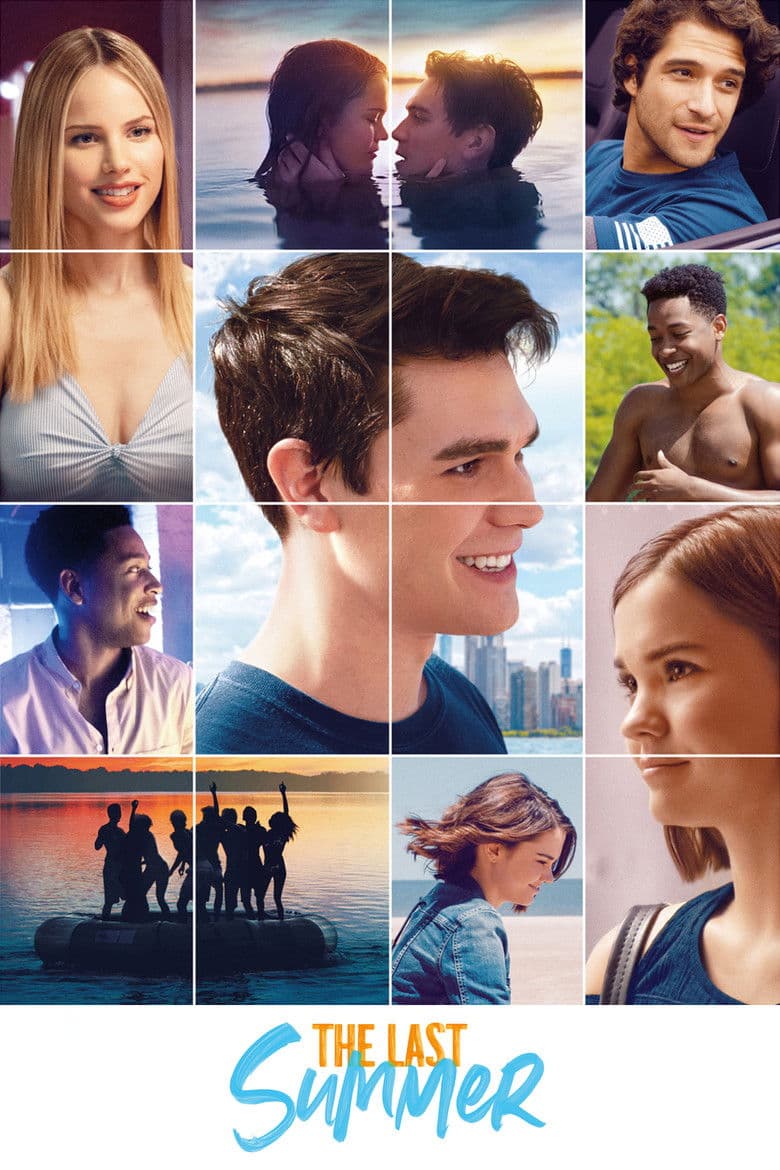
Movie · 2019
Standing on the precipice of adulthood, a group of friends navigate new relationships, while reexamining others, during their final summer before college.
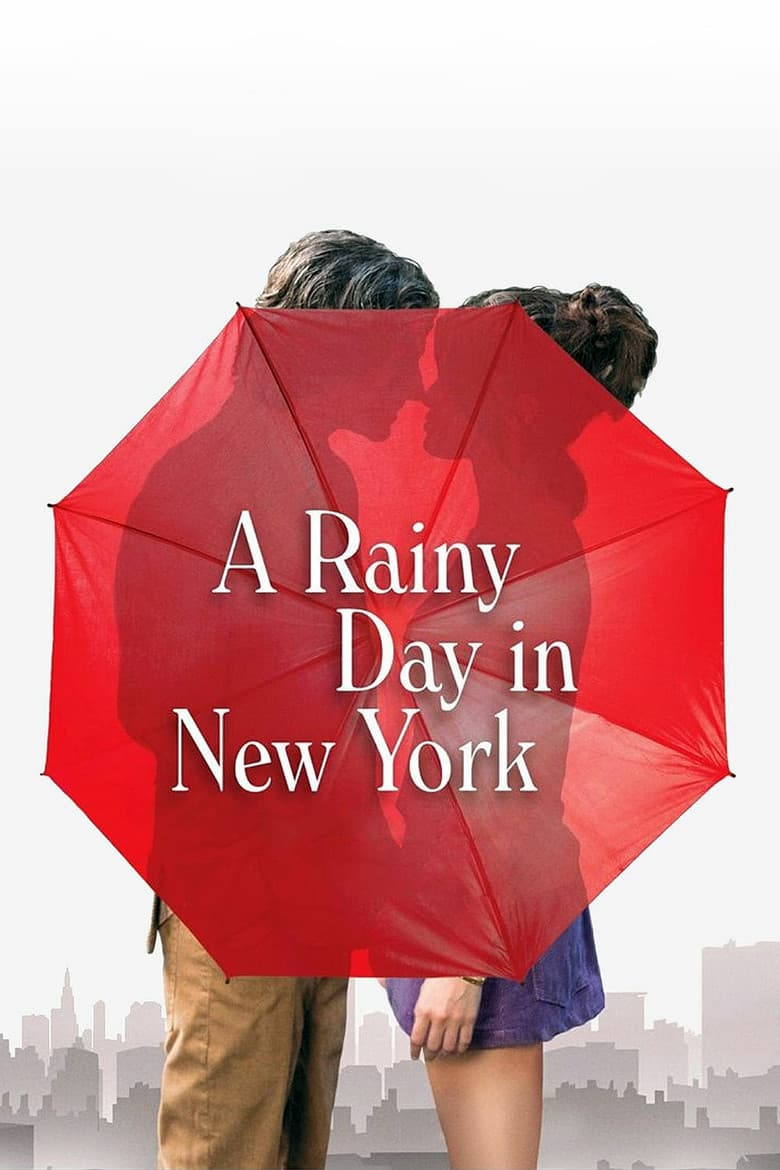
Movie · 2019
Two young people arrive in New York to spend a weekend, but once they arrive they're met with bad weather and a series of adventures.
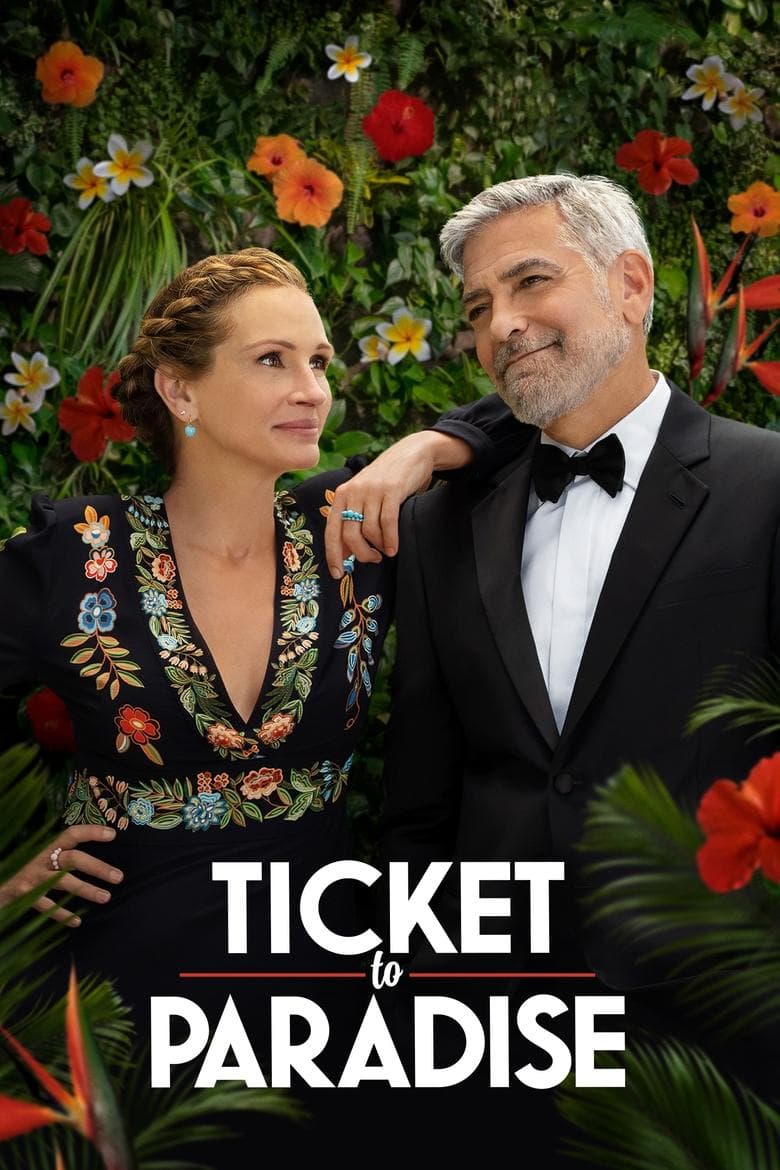
Movie · 2022
Divorced couple Georgia and David find themselves on a shared mission: they team up and travel to Bali to stop their daughter Lily from making the same mistake they once made 25…
Movie · 2024
After discovering their significant others are siblings, two resentful exes must spend Christmas under one roof — while hiding their romantic history.
Movie · 2022
Two strangers believe in love but never seem to be able to find its true meaning. In a wild twist of events, fate puts each in the other's path on one stormy New Year's Eve.
Movie · 2023
Mira Ray, dealing with the loss of her fiancé, John, sends a series of romantic texts to his old cell phone number… not realizing the number was reassigned to Rob Burns' new work…
Movie · 2021
Troubled teen Will Hawkins has a run-in with the law that puts him at an important crossroad: go to juvenile detention or attend a Christian summer camp.
