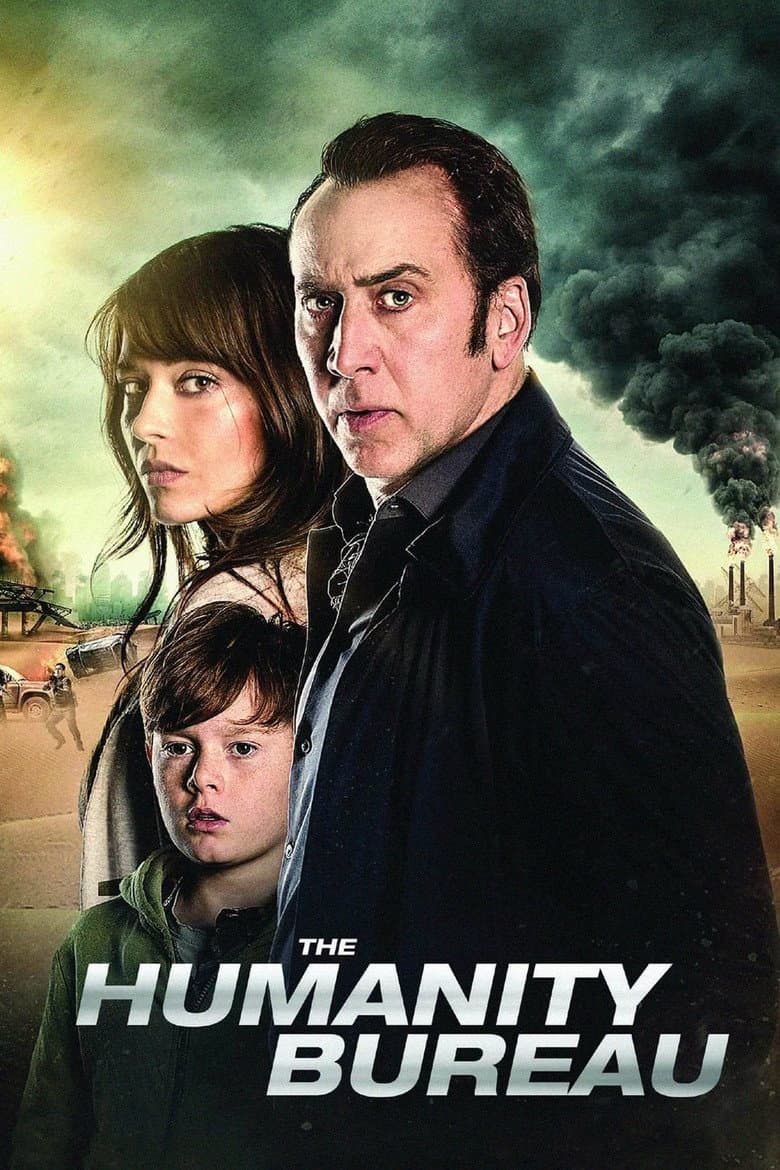
In 2030, America has been damaged by climate change, war, famine, and economic collapse. Noah Kross works for the Humanity Bureau, which judges whether people are useful enough to stay in the country. He is ordered to send Rachel Weller and her young son Lucas to New Eden, a place said to offer a fresh start. Kross learns that New Eden is a death camp and runs with them toward Canada, while agents and drones chase them.
The film clearly uses current political ideas about climate damage, border walls, government fear, and false safety claims. A Trump image and a “Make America Great” poster add a direct political signal. The story attacks a system that measures human worth by work and hides mass killing behind official rules. These ideas shape the whole plot, but the film uses them in a simple future thriller rather than a long identity or diversity story.
Community feedback
Was our 37% Woke rating accurate?
Breakdown
These are the editorial factors and ratings behind our score for The Humanity Bureau.
Woke representation / casting
Not present. The main cast is led by Nicolas Cage, Sarah Lind, and Hugh Dillon. The film does not frame its casting as a diversity or identity statement.
0%
Woke political dialogue
The film has lines about citizens needing to contribute more than they take. Rachel says that building fear is easier than building a wall. The Bureau calls dissenters subversives and says the government is not a democracy. These lines make government and border politics part of the story, but they do not form a long activist speech.
28%
Identity-driven story themes
The story presents climate damage and economic collapse as causes of a modern political crisis. The Bureau sorts citizens by their economic use and sends people with low scores to New Eden, which is actually a death camp. The film rejects forced removal, state secrecy, and mass killing and ends with a revolt. These themes run through the full movie, but they focus on government control and climate politics rather than race, sex, or sexuality.
38%
Western institutional / cultural critique
The film shows a government that calls poor people burdens and hides their deaths behind official rules. It links a border wall with fear and uses false radiation warnings to control movement. A Trump photo and a “Make America Great” poster place current American politics beside the opening removal order. The movie attacks government power and political lies, but it does not focus on Christianity, patriarchy, or gender roles.
40%
Woke character or canon changes
Not relevant. The movie is an original future story. It does not change an established character or historical figure.
0%
Anti-woke backlash and complaints
One customer review called the film’s anti-Trump subtext annoying. Another review said the climate and Trump references felt like cheap political commentary and complained that the message was unclear. The separate X pass found no anti-woke reaction or specific complaints. The evidence is small, and most discussion focused on poor writing, low budget, and pacing.
12%
Creator track record context
The cached record gives Rob W. King and Dave Schultz scores of 0/100. The listed producers and casting lead range from 0 to 7/100 and mainly work in commercial genre film and television. The available record does not show a lasting activist or representation-first pattern.
3%
Production
Movie · 2017
Jimmy is a committed child psychologist who uses his own playbook, but when he is brought in to work with Ellie, he is completely unprepared for his subject—a 9-year-old…
Movie · 2025
When a mysterious brick wall encloses their apartment building overnight, Tim and Olivia must unite with their wary neighbors to get out alive.

Movie · 2020
2038: George Almore is working on a true human-equivalent AI, and his latest prototype is almost ready. This sensitive phase is also the riskiest as he has a goal that must be…
Movie · 2018
High school senior Alex has an encounter with mysterious lights that appear over her small town. She soon develops dangerous, supernatural abilities, and turns to her childhood…
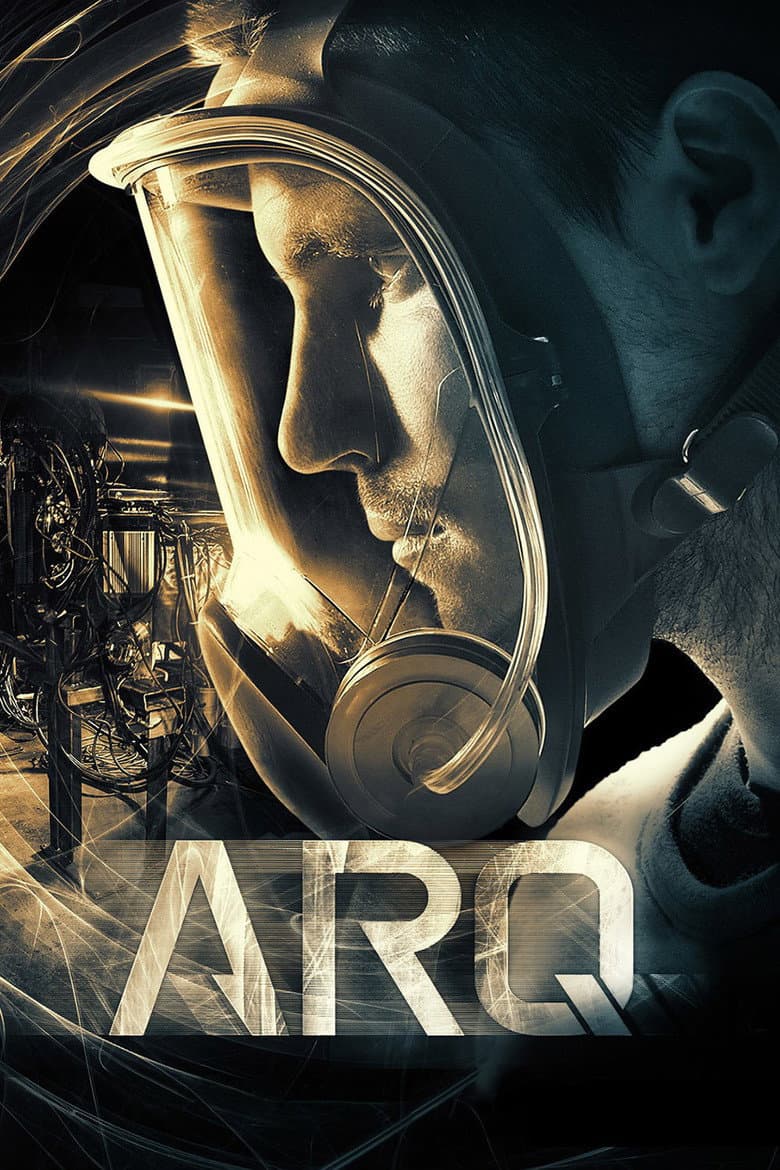
Movie · 2016
Two old friends living in a dystopic future become trapped in a mysterious time loop — one that may have something to do with an ongoing battle between an omnipotent corporation…
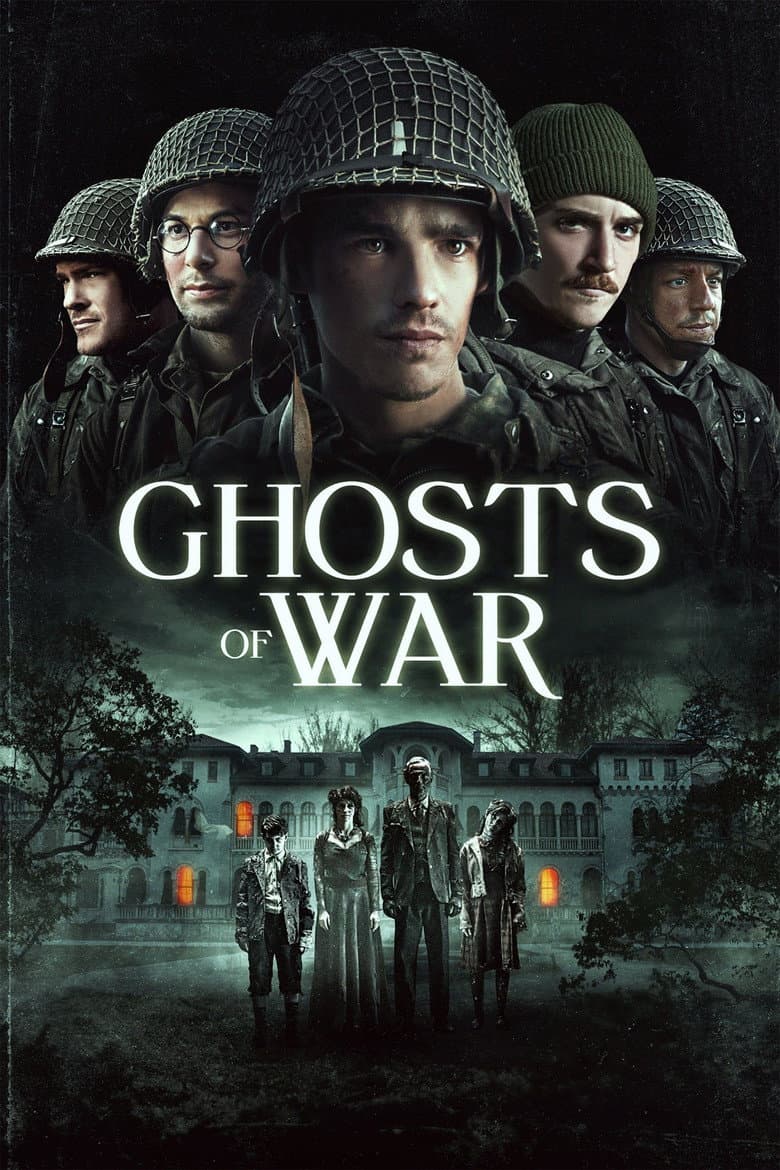
Movie · 2020
A group of World War II American soldiers encounter a supernatural enemy as they occupy a French castle previously under Nazi control.

Movie · 2020
During a pandemic lockdown, Nico, a young man with rare immunity, must overcome martial law, murderous vigilantes and a powerful family to reunite with his love, Sara.
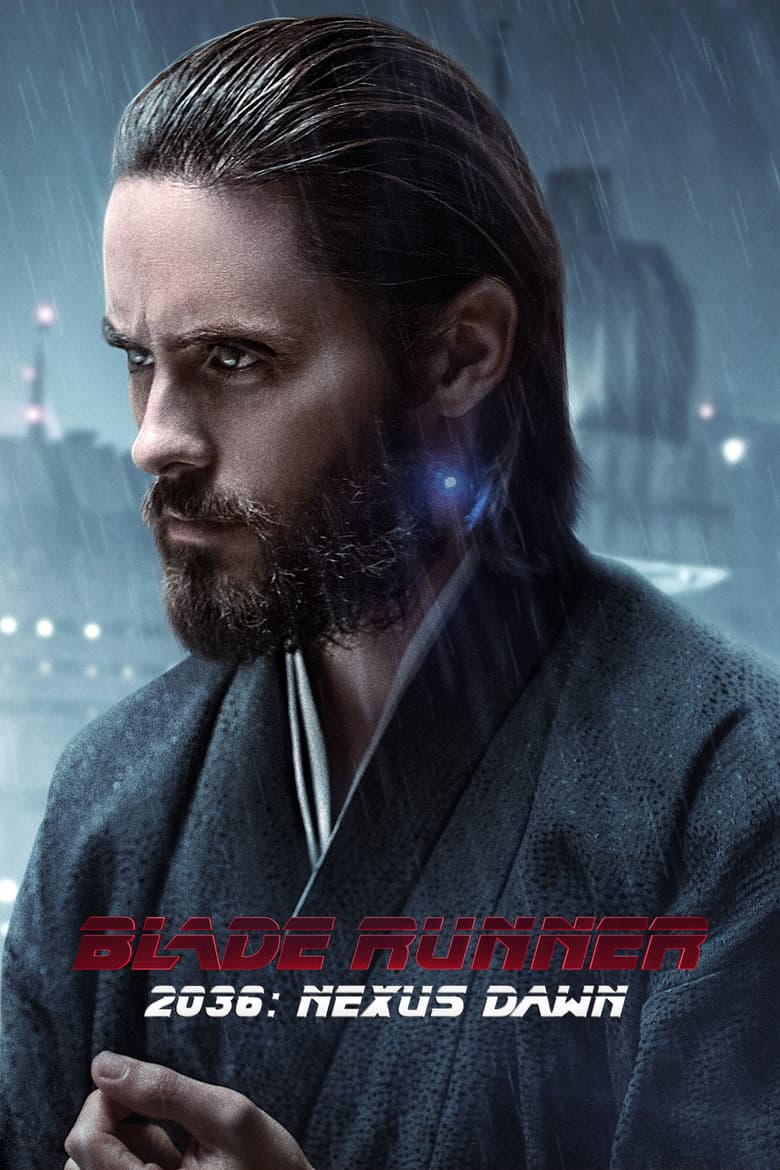
Movie · 2017
This in-world short film takes place in the year 2036 and revolves around Jared Leto’s character, Niander Wallace.
