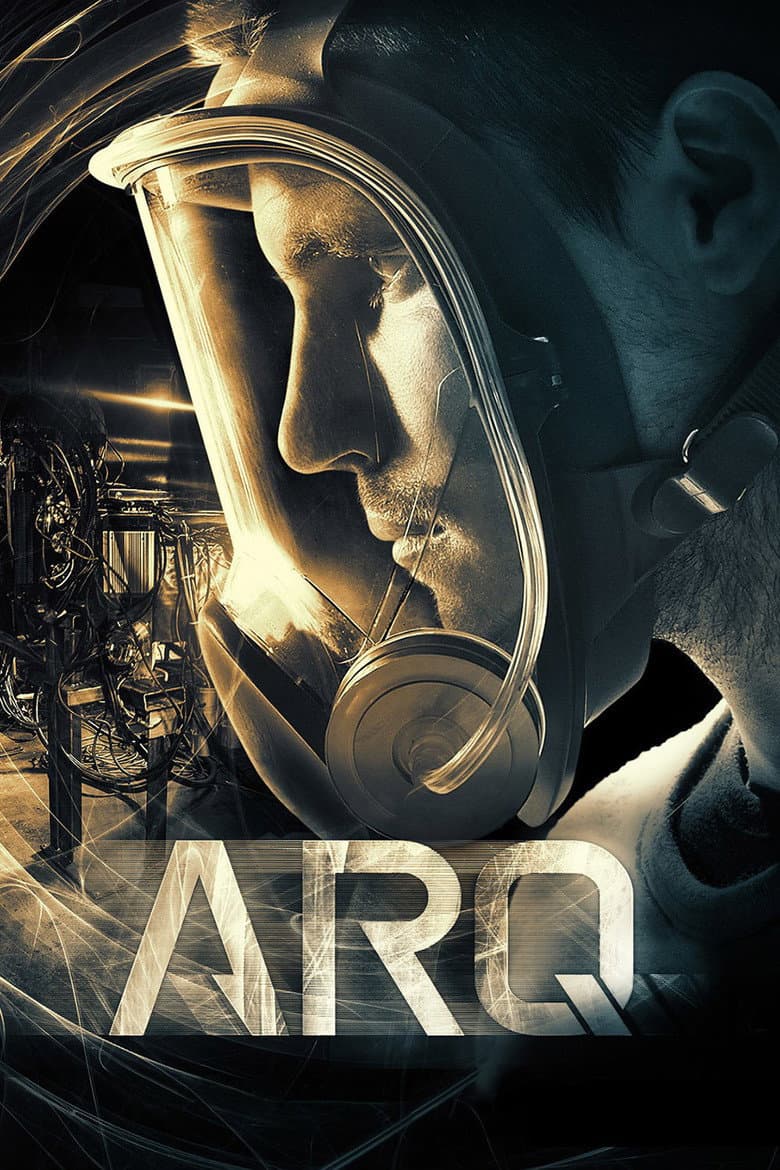
Renton is an engineer living in a dark future where oil is scarce and large companies fight over energy. He wakes beside Hannah, an old lover who has returned to his home, just before masked fighters break in. Every time Renton or another person dies, the ARQ machine sends the house back to the same morning. Renton and Hannah must learn who they can trust while they try to stop the attack and decide what should happen to the machine.
The film presents Torus as a giant company that uses energy control, soldiers, arrests, and torture to hold power. Hannah supports the Bloc rebels because Torus took her home and put her in a refugee camp, but the rebels also use violence and want the machine for their war. The story gives a clear message against company control of resources. That message stays tied to the time-loop thriller, while the main emotional arc follows two damaged people who slowly rebuild trust and choose hope over selfish escape.
Community feedback
Was our 27% Woke rating accurate?
Breakdown
These are the editorial factors and ratings behind our score for ARQ.
Woke representation / casting
Not present in this title.
0%
Woke political dialogue
Characters discuss Torus controlling energy, the Energy Wars, refugee camps, and the Bloc fighting back. The film calls Torus a company that takes resources until nothing remains. These lines make anti-corporate and anti-war ideas clear. The dialogue explains the danger and pushes the plot, so it does not become a long modern political speech.
30%
Identity-driven story themes
Not present. Core story follows time-loop mechanics, invention, ex-lovers rebuilding trust, and resource conflict; no arcs center on race, gender, sexuality, or group identity.
0%
Western institutional / cultural critique
The film presents Torus as an international company that controls energy and uses soldiers, arrests, torture, and refugee camps. The story says the company will keep taking resources until nothing remains. The film also treats the Bloc as violent and dangerous, so it does not present a simple perfect rebel answer. The critique targets company power and resource use, but it does not attack family, Christianity, or traditional gender roles.
32%
Woke character or canon changes
Not present in this title.
0%
Anti-woke backlash and complaints
Not present. No reports, social campaigns, or media coverage of forced diversity, agenda, or identity politics complaints.
0%
Creator track record context
Elliott said he built the future by extending current resource use and company control. That statement gives a small activist-style context signal because it links the story to present-day social and environmental worries. Cached scores for Elliott and the listed producers and editor are low, and no wider identity-driven pattern is recorded.
13%
Production
Movie · 2024
An elite trio of astronauts aboard a years-long, possibly compromised mission to Saturn's moon, Titan, gears up for a highly dangerous slingshot manoeuvre that will either…
Movie · 2018
On a bleak future Earth, a soldier endures a radical genetic transformation to save humanity. But his wife fears he's becoming more creature than man.

Movie · 2021
A former special forces agent is trapped in a time loop and relives his death over and over again. To escape the terrible situation, he must track down those responsible and stop…
Movie · 2018
Held captive in a futuristic smart house, a woman hopes to escape by befriending the A.I. program that controls the house.
Movie · 2025
When a mysterious brick wall encloses their apartment building overnight, Tim and Olivia must unite with their wary neighbors to get out alive.
Movie · 2026
In an attempt to avenge her daughter’s death, Irene Kelly travels through parallel universes, killing her daughter’s murderer again and again.
Movie · 2023
A detective becomes entangled in a mystery involving his missing daughter and a secret government program while investigating a string of reality-bending crimes.
Movie · 2016
A corporate risk-management consultant must determine whether or not to terminate an artificial being's life that was made in a laboratory environment.
