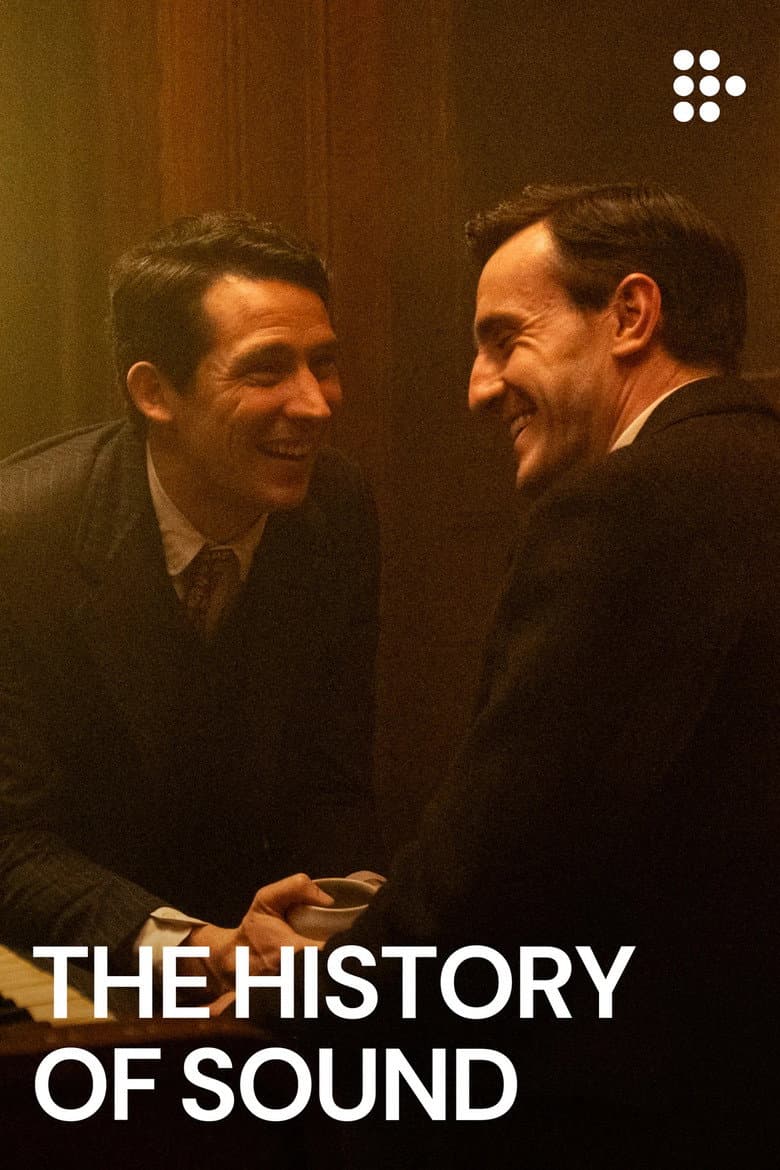
Lionel Worthing is a gifted singer from a poor Kentucky farm. In 1917, he studies music in Boston and meets David White, a wealthy student who shares his love of old folk songs. World War I separates them, but they meet again in Maine after the war to record songs from rural communities. The film moves from warm romance to quiet sadness as Lionel spends years living with love, loss, and memory.
The story centers on the love between Lionel and David, two men who share a private and tender relationship in a time when such love was not openly accepted. The film treats their relationship as real and lasting without making coming out or shame the main subject. A short episode on Malaga Island shows a mixed-race community facing forced removal by the state, and David reacts with sympathy. The main message joins queer love with the value of preserving ordinary people's songs, but the film does not build a wider political program around that history.
Community feedback
Was our 59% Woke rating accurate?
Breakdown
These are the editorial factors and ratings behind our score for The History of Sound.
Woke representation / casting
Not present. The film includes Black residents of a real mixed-race Maine community, and that scene fits the period story. The leads are white men in a 1910s American setting, and the film does not promote the casting as a broad diversity campaign.
0%
Woke political dialogue
Not present. The characters mainly discuss music, love, war, memory, and loss. The Malaga Island scene says that the state is forcing people from their homes, but it does not use repeated modern political speeches.
0%
Identity-driven story themes
The film's main plot is the love between Lionel and David, two men who have sex and build a lasting bond. The film presents their relationship as tender, serious, and real. The story also follows Lionel's later relationships with a man and a woman. Hermanus and Mescal said the film avoids making coming out, shame, or sexual repression its main subject.
90%
Western institutional / cultural critique
Not present. The film shows a state eviction of a mixed-race Maine community and the fear of police action. The event belongs to the period story, and the film does not turn it into a present-day attack on Western culture or institutions.
0%
Woke character or canon changes
Not relevant. The film adapts Ben Shattuck's short stories and adds scenes about Malaga Island and David's wife, Belle. Those changes expand the story but do not change an established character's identity or make a political point.
0%
Anti-woke backlash and complaints
Not present. Public discussion focused on the slow pace, the sad ending, the limited sex scenes, and the actors' chemistry. Clear complaints that the film pushes DEI, identity politics, or left-wing propaganda were not found.
0%
Creator track record context
Oliver Hermanus has a 72/100 creator score and a record of films about queer identity, apartheid, and homophobia. Paul Mescal has a 55/100 score and publicly supported trans rights while serving as a producer here. Several other producers have supported films about abortion, women, queer history, migration, or racial inequality. Ben Shattuck has a 0/100 writer score and no known activist record.
68%
Production
Movie · 2025
Laura and Simon have been best friends since college. Over the years, they've realized their bond is more than platonic.
Movie · 2018
Seasoned musician Jackson Maine discovers — and falls in love with — struggling artist Ally. She has just about given up on her dream to make it big as a singer — until Jack…
Movie · 2018
The coming-of-age tale of 16-year-old Lina Vilkas who is deported to Siberia amid Stalin's reign of terror in the Baltic region during WWII.

Movie · 2019
After learning that his terminally ill wife has six months to live, a man welcomes the support of his best friend who moves into their home to help out.
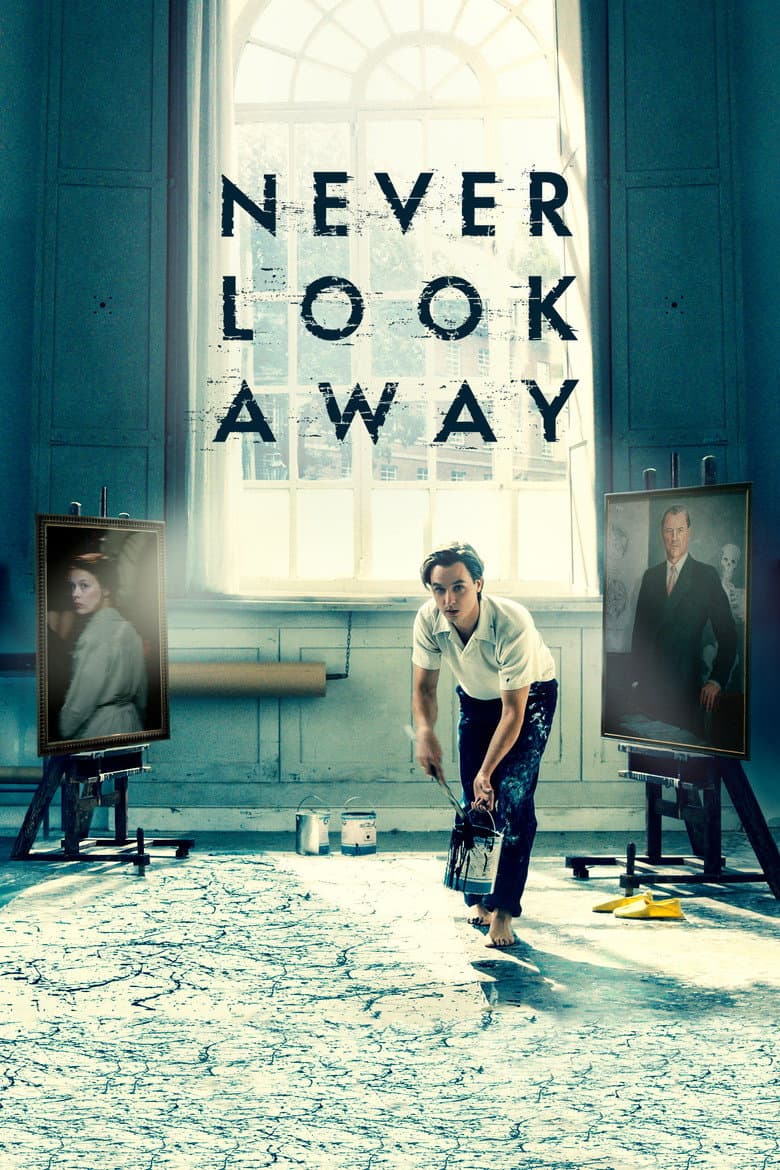
Movie · 2018
German artist Kurt Barnert has escaped East Germany and now lives in West Germany, but is tormented by his childhood under the Nazis and the GDR regime.

Movie · 2025
Based on a true story, two down-on-their-luck musicians form a joyous Neil Diamond tribute band, proving it's never too late to find love and follow your dreams.
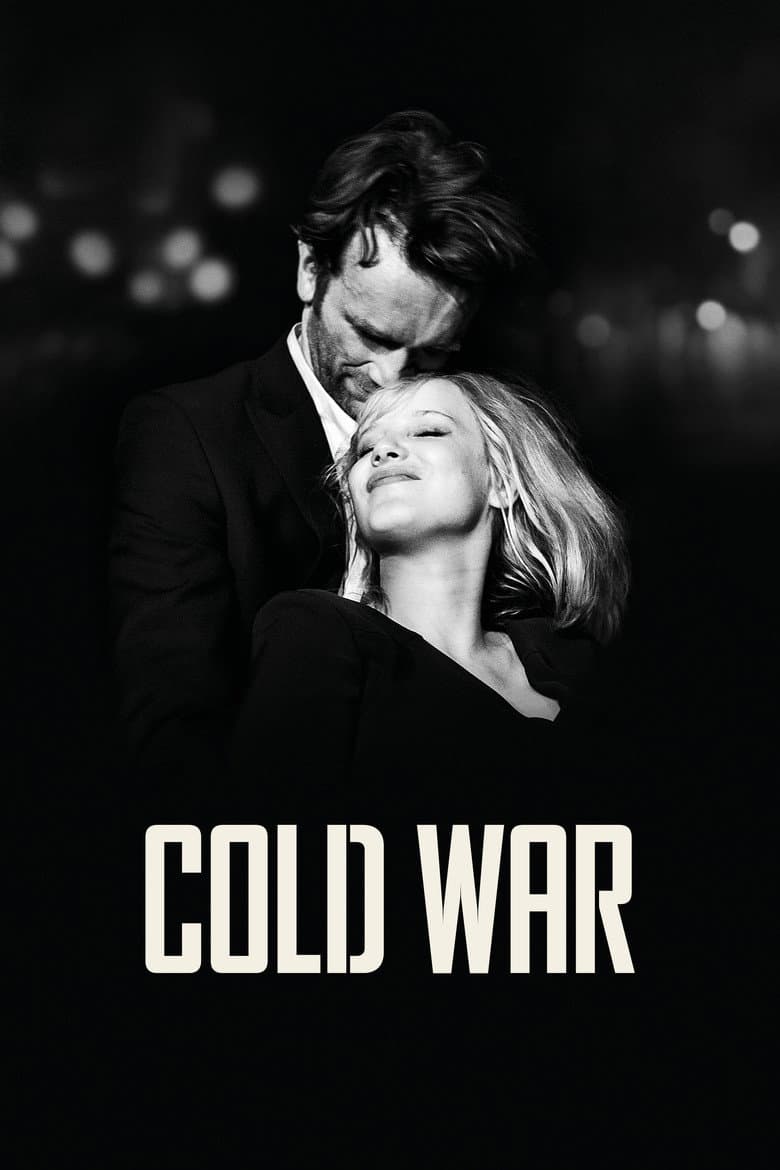
Movie · 2018
A man and a woman meet in the ruins of post-war Poland. With vastly different backgrounds and temperaments, they are fatally mismatched and yet drawn to each other.
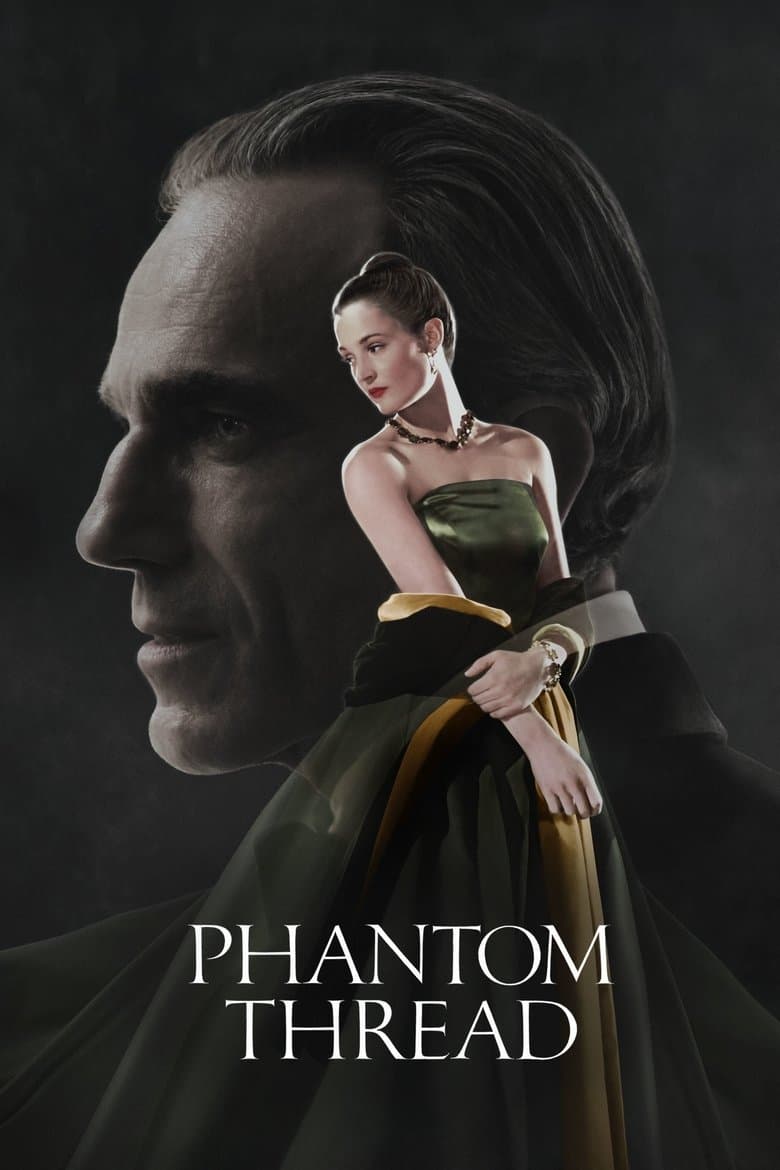
Movie · 2017
In 1950s London, a renowned dressmaker's meticulous lifestyle begins drastically changing as his relationship with his young muse intensifies.
