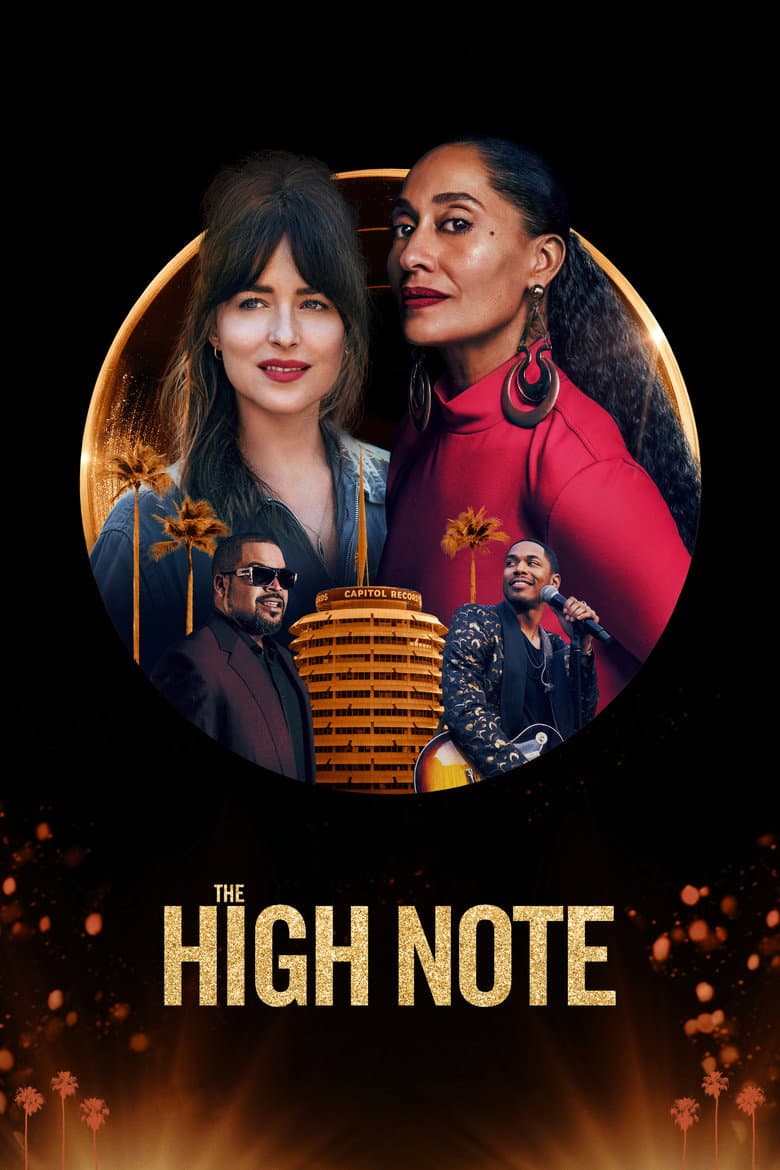
The High Note follows Maggie, a young personal assistant in the busy Los Angeles music world. She spends her days caring for Grace Davis, a famous R&B singer who has not made a new album in years. Maggie secretly dreams of becoming a music producer, while Grace wants to prove that her career still has room to grow. Their plans collide with Grace’s manager, who wants her to accept a safe Las Vegas show and repeat her old hits. The film uses a bright, gentle comedy style with romance, songs, and a few sharper fights about work and trust.
The film makes women's work and ambition its clearest social message. Maggie wants a job that few women have held, and Grace fights the music business belief that older women should stop taking risks. Grace also says that women over forty and black women rarely get the same chances to release new music. The story treats the two women’s support for each other as the answer to those limits, while the men around them mostly manage or help their careers. These ideas shape the main plot, but the film presents them as an upbeat career story instead of a long political argument.
Community feedback
Was our 54% Woke rating accurate?
Breakdown
These are the editorial factors and ratings behind our score for The High Note.
Woke representation / casting
The film places two women at the center of the music business. Grace is a black female star, and Maggie is a white woman seeking a producer job. The modern Los Angeles setting makes the racial mix plausible, so there is no strong ethnic mismatch. The film repeatedly presents women supporting women and treats Maggie’s future role as unusual for a woman. The pattern is clear in the leads but does not define every major role.
38%
Woke political dialogue
Grace talks about how few women over forty and black women reach the top of the music business. The manager and label also speak as if her age has made her less valuable. These points connect career pressure to gender, race, and age. The film uses them in a few key scenes, but it does not build a wider political debate.
32%
Identity-driven story themes
The story makes women’s career choices a main theme. Maggie wants to enter a job held by very few women, and Grace refuses to let age end her music career. The two women succeed by helping each other instead of fighting over a man. The film presents this support as the answer to limits placed on women and black women. The message is central, but the movie keeps it inside a light career and romance story.
52%
Western institutional / cultural critique
The record label and Grace’s manager treat her as an aging product who should repeat old songs. The music business also appears harder for Maggie because producer jobs are mostly held by men. The story criticizes age and gender limits inside entertainment. It does not attack religion, family life, or Western society as a whole. The critique stays tied to one industry.
34%
Woke character or canon changes
Not relevant. The film is an original story about fictional music workers. It does not change established characters, source material, or real historical figures.
0%
Anti-woke backlash and complaints
Not present. The supplied X search found no anti-woke reaction, and reviewed news and audience pages showed no clear complaint that the film pushes DEI or identity politics. The visible discussion focused on the cast, music, and plot.
0%
Creator track record context
Nisha Ganatra’s cached record includes work tied to diversity, representation, and challenges to Hollywood norms. Flora Greeson’s cached record emphasizes ambitious women, female friendship, and women’s control over their work. Interviews about this film repeat that focus, with Ganatra hoping to inspire more young women to produce music. The film matches that creator pattern, but it remains a light music romance rather than an activist project.
50%
Production
Movie · 2016
From Jane Austen’s novella, the beautiful and cunning Lady Susan Vernon visits the estate of her in-laws to wait out colorful rumors of her dalliances and to find husbands for…
Movie · 2023
Highly intelligent computer major Zoey Miller is uninterested in romantic love, but her life is turned upside down when Zack, the school's soccer star, gets amnesia and mistakes…
Movie · 2022
Divorced couple Georgia and David find themselves on a shared mission: they team up and travel to Bali to stop their daughter Lily from making the same mistake they once made 25…
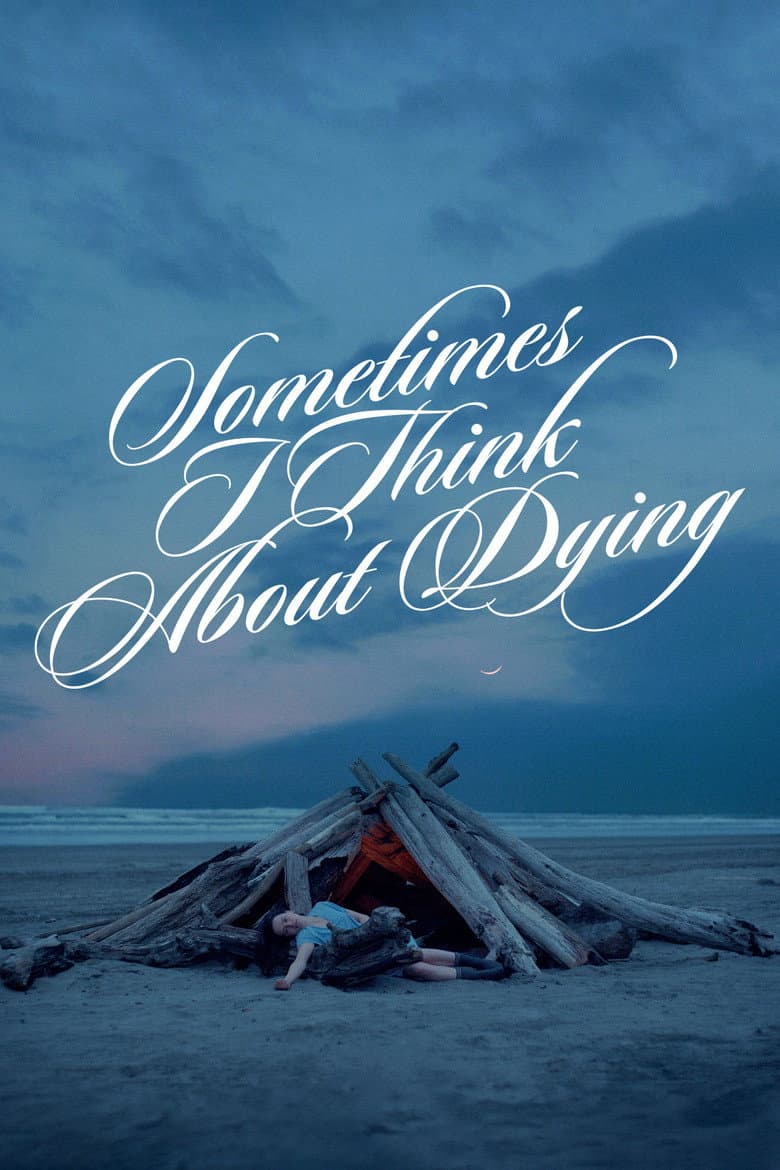
Movie · 2024
Fran likes to think about dying. It brings sensation to her quiet life. When she makes the new guy at work laugh, it leads to more: a date, a slice of pie, a conversation, a…
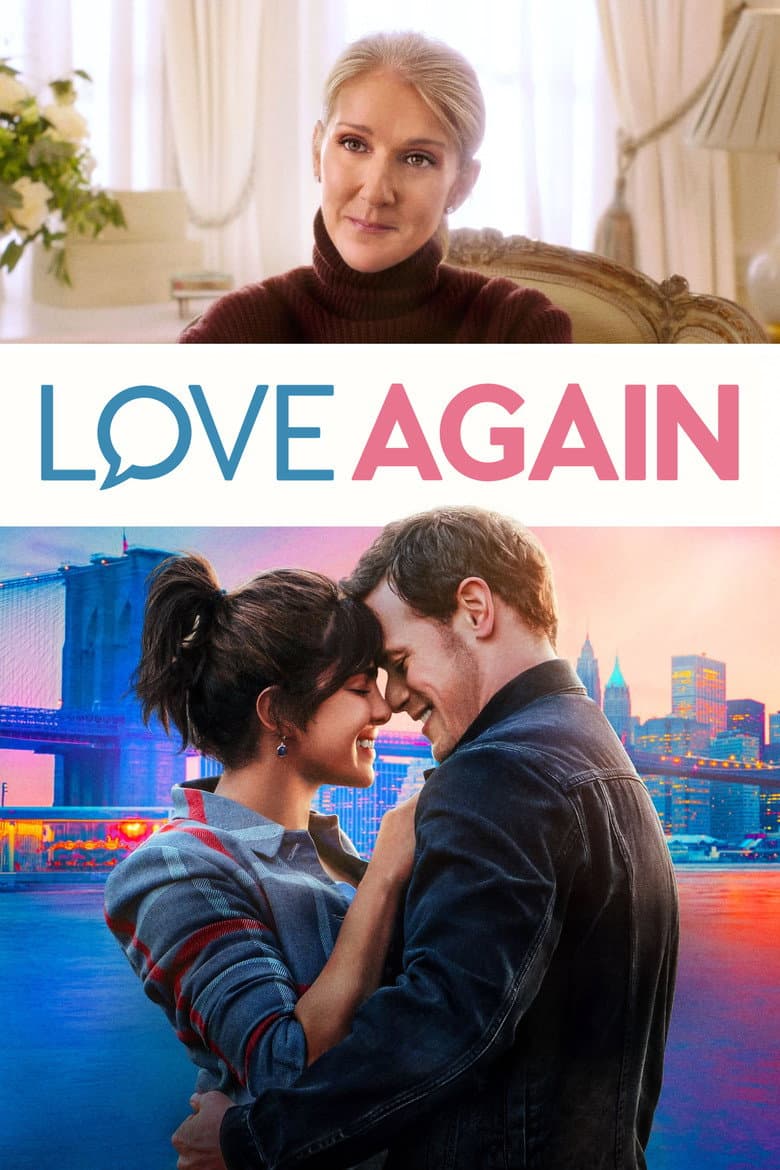
Movie · 2023
Mira Ray, dealing with the loss of her fiancé, John, sends a series of romantic texts to his old cell phone number… not realizing the number was reassigned to Rob Burns' new work…

Movie · 2016
A boy growing up in Dublin during the 1980s escapes his strained family life by starting a band to impress the mysterious girl he likes.

Movie · 2023
Michelle and Allen, who have reached the point in their relationship where they are considering next steps, decide to invite their parents to finally meet and to offer some…
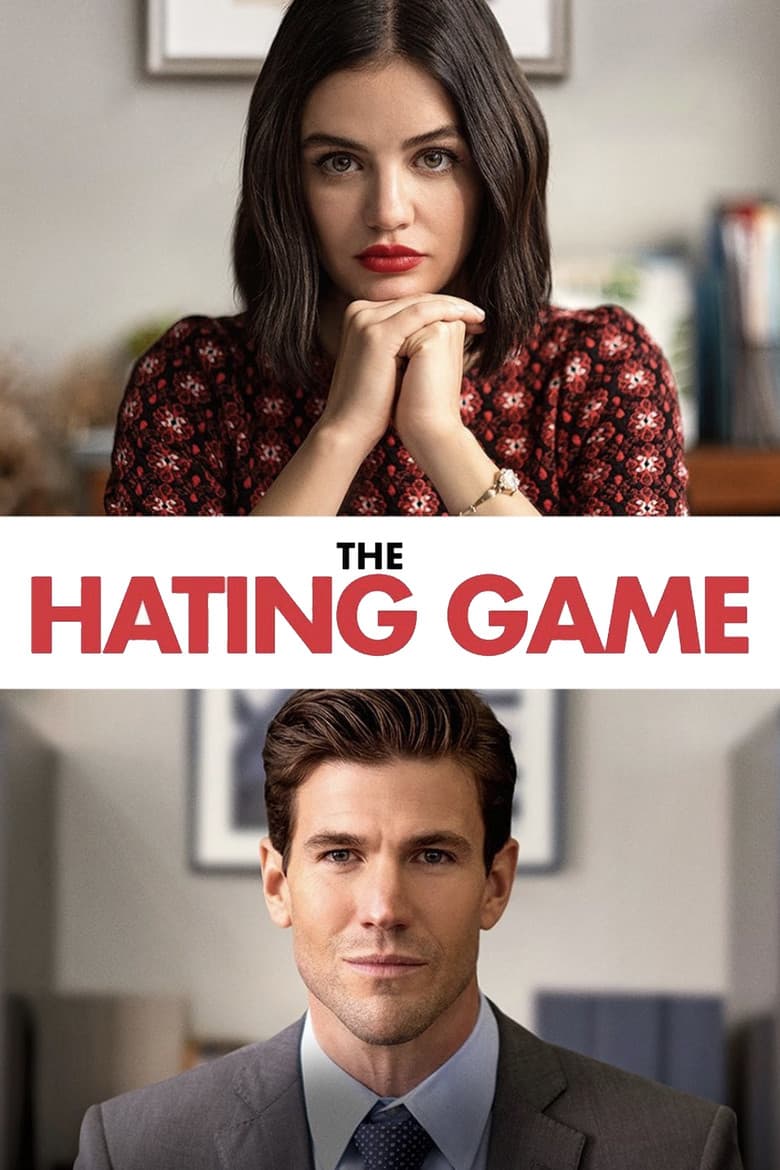
Movie · 2021
Resolving to achieve professional success without compromising her ethics, Lucy embarks on a ruthless game of one-upmanship against cold and efficient nemesis Joshua, a rivalry…
