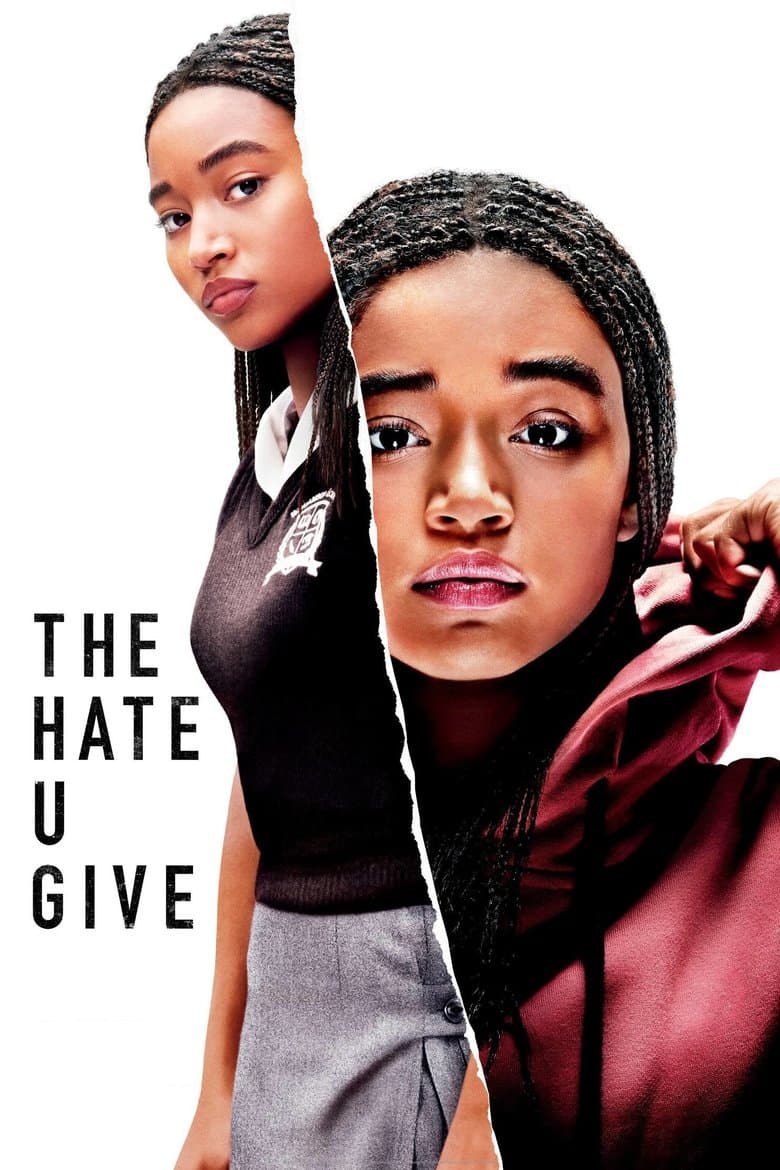
Starr Carter is a sixteen-year-old black girl who lives in the poor Garden Heights neighborhood and attends a wealthy, mostly white private school. She moves between both places by changing her words, clothes, and behavior. After a white police officer shoots her unarmed childhood friend Khalil during a traffic stop, Starr must decide whether to testify. The film is an emotional teen crime drama about grief, fear, family, and finding the courage to speak.
Race and police violence are not side issues because they drive Starr's choices from the opening family talk to the final protest. The film shows black identity, changing behavior between two worlds, white privilege, and the belief that police and court systems can fail black people. Starr's story leads her into public activism, while her family and the film's main message ask viewers to reject hate and break its cycle. The film also presents gang crime, poverty, Starr's relationship with a white boy, Christian family life, and a supportive black father, so its social message is tied to a wider family story.
Community feedback
Was our 87% Woke rating accurate?
Breakdown
These are the editorial factors and ratings behind our score for The Hate U Give.
Woke representation / casting
Not present. The black lead, Black neighborhood, mostly white school, Asian friend, and interracial teen couple all serve the story's setting and conflict. The marketing does not show a separate diversity-first casting campaign.
0%
Woke political dialogue
Starr's family talks about police danger and Black pride from the opening scene. Starr argues about white privilege, color-blind language, and the value of Khalil's life. Protesters call for justice and accuse the police system of corruption. The film ends with Starr speaking publicly about breaking the cycle of hate.
78%
Identity-driven story themes
The central story follows a black teenage girl after a white officer kills her black friend. Starr struggles with changing herself at a mostly white school and in her Black neighborhood. The film treats race, police violence, black identity, and speaking out as the main parts of her growth. Her final choice is to join public activism instead of staying silent.
86%
Western institutional / cultural critique
The film shows a white police officer killing Khalil during a traffic stop and a grand jury failing to charge him. Starr's family teaches her that police stops can be dangerous even when she follows orders. The story attacks white privilege, biased news coverage, and a court system that questions Khalil's past. Starr's uncle Carlos is a caring detective, but criticism of police and courts remains a major part of the story.
72%
Woke character or canon changes
Not relevant. The film adapts Angie Thomas's novel and keeps its black teen lead, police shooting, and protest story. No established character, canon, or real historical figure is changed for an identity-driven purpose.
0%
Anti-woke backlash and complaints
The film did not create a large, well-reported anti-woke campaign. Movieguide called it politically correct and said it contains anti-police rhetoric, while some audience reviews called the message heavy-handed and criticized the protest scenes. Other audience posts praised its treatment of police violence and family, so the complaints appear scattered and mixed.
18%
Creator track record context
Angie Thomas has a strong racial-justice and black-representation track record. George Tillman Jr. has spoken about representation and empathy and has made other films about black family and social issues. Audrey Wells is known for feminist stories and strong female voices. This background fits the film's race and police-violence focus, but the producers have little recorded activist context.
63%
Production
Movie · 2018
On the night she plans on taking her own life, 17-year-old 'Lisa McVey' is kidnapped and finds herself fighting to stay alive and is raped.
Movie · 2016
A divorced dad and his ex-con brother resort to a desperate scheme in order to save their family's farm in West Texas.
Movie · 2017
Cairo, 2011. A police officer investigates the murder of a woman in a luxurious hotel in the days leading up to the Egyptian revolution.
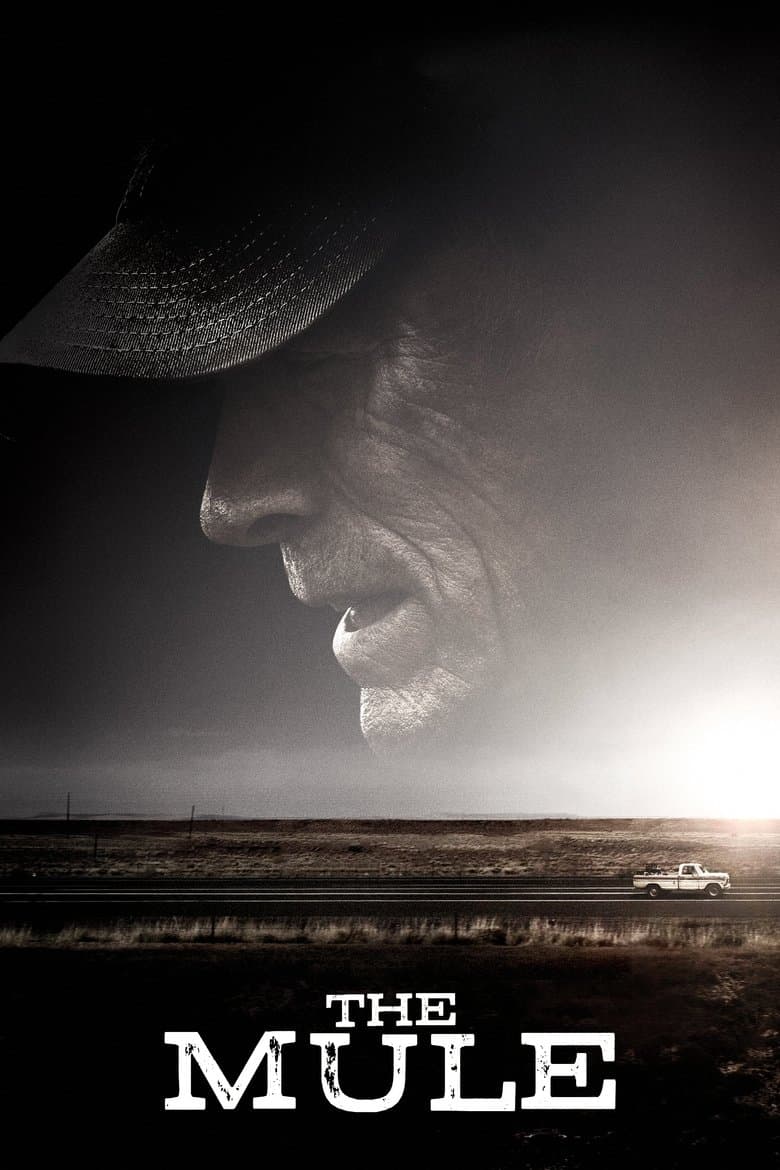
Movie · 2018
Earl Stone, a man in his eighties, is broke, alone, and facing foreclosure of his business when he is offered a job that simply requires him to drive.
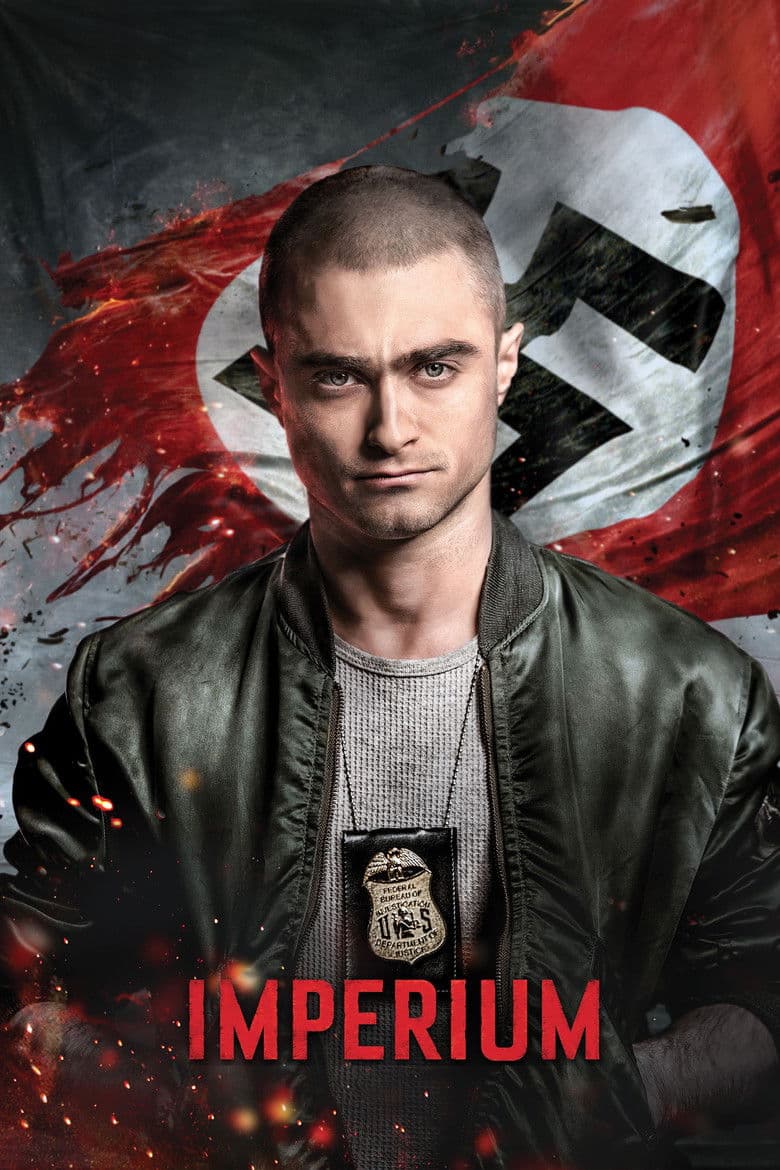
Movie · 2016
Nate Foster, a young, idealistic FBI agent, goes undercover to take down a radical white supremacy terrorist group.
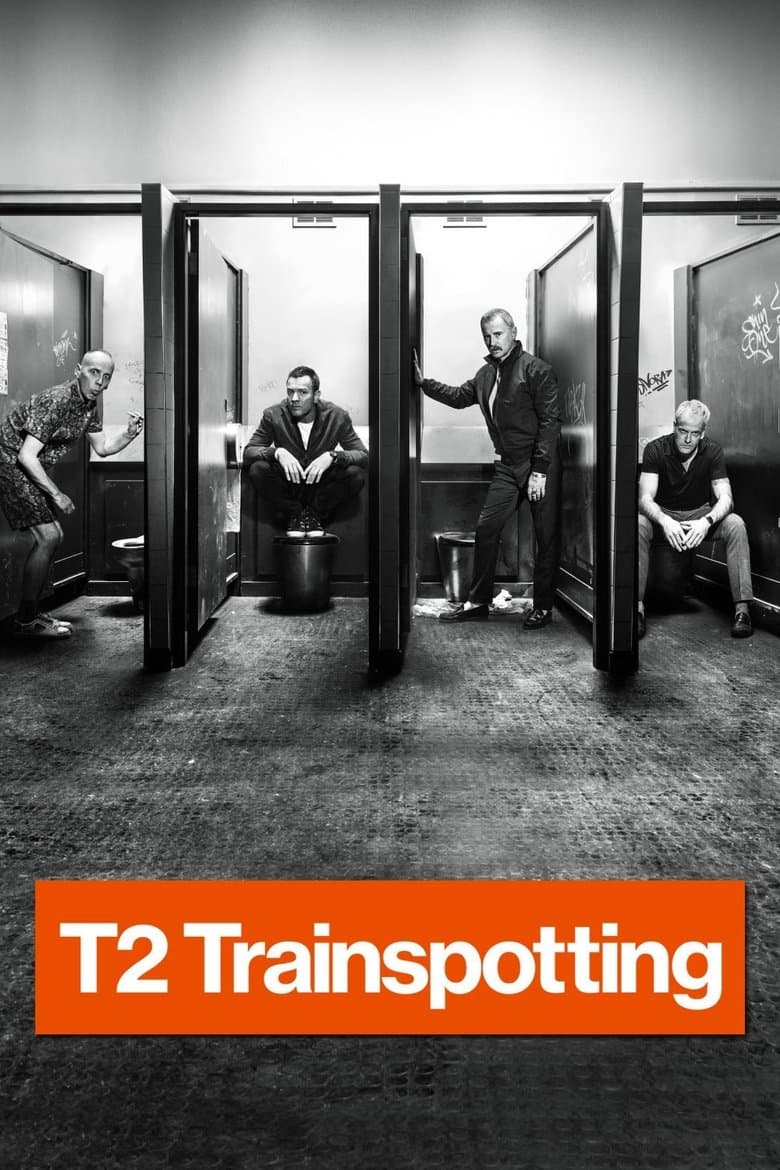
Movie · 2017
After 20 years abroad, Mark Renton returns to Scotland and reunites with his old friends Sick Boy, Spud and Begbie.
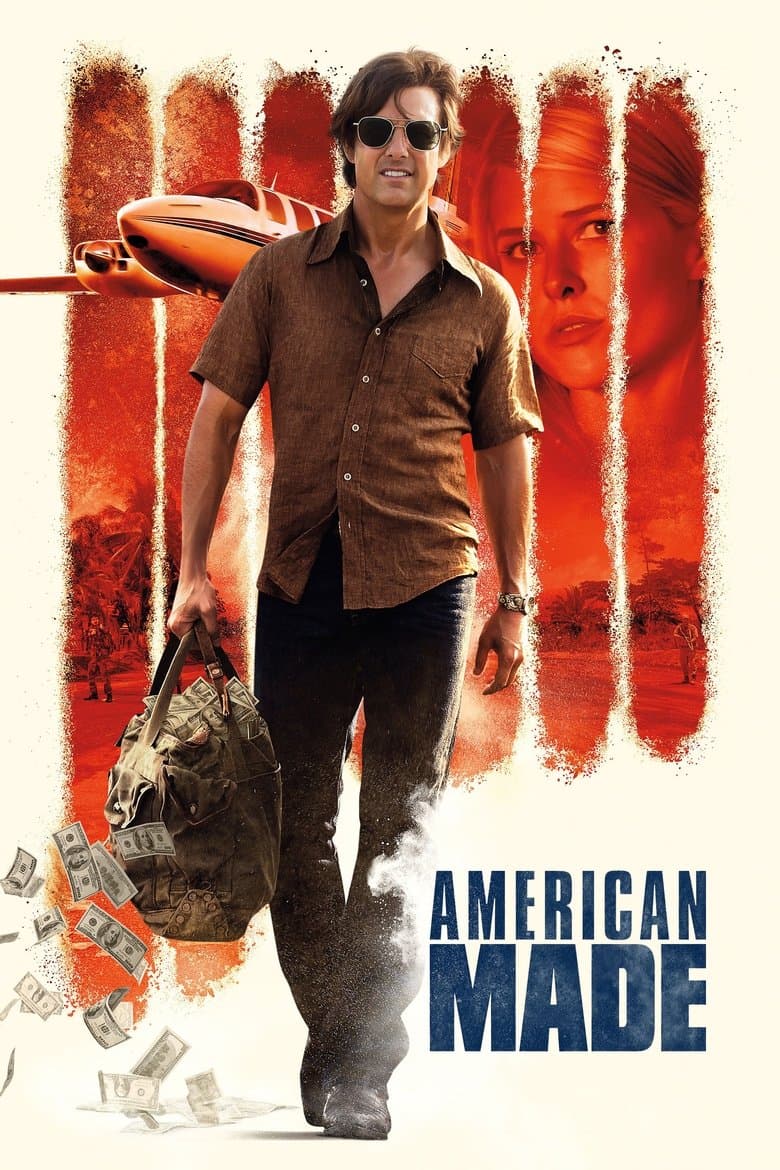
Movie · 2017
The true story of pilot Barry Seal, who transported contraband for the CIA and the Medellin cartel in the 1980s.
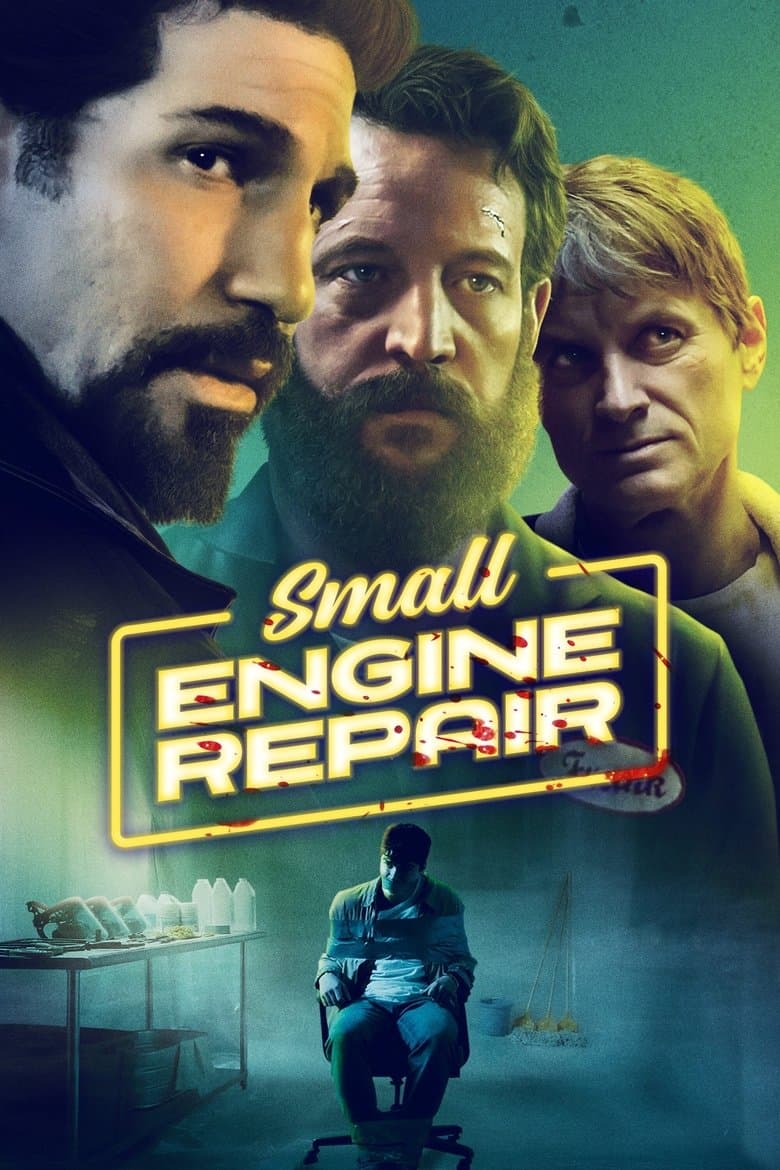
Movie · 2021
The seemingly casual reunion of three old friends at an out-of-the-way repair shop masks a hidden agenda fuelled by the arrival of a privileged young yuppie.
