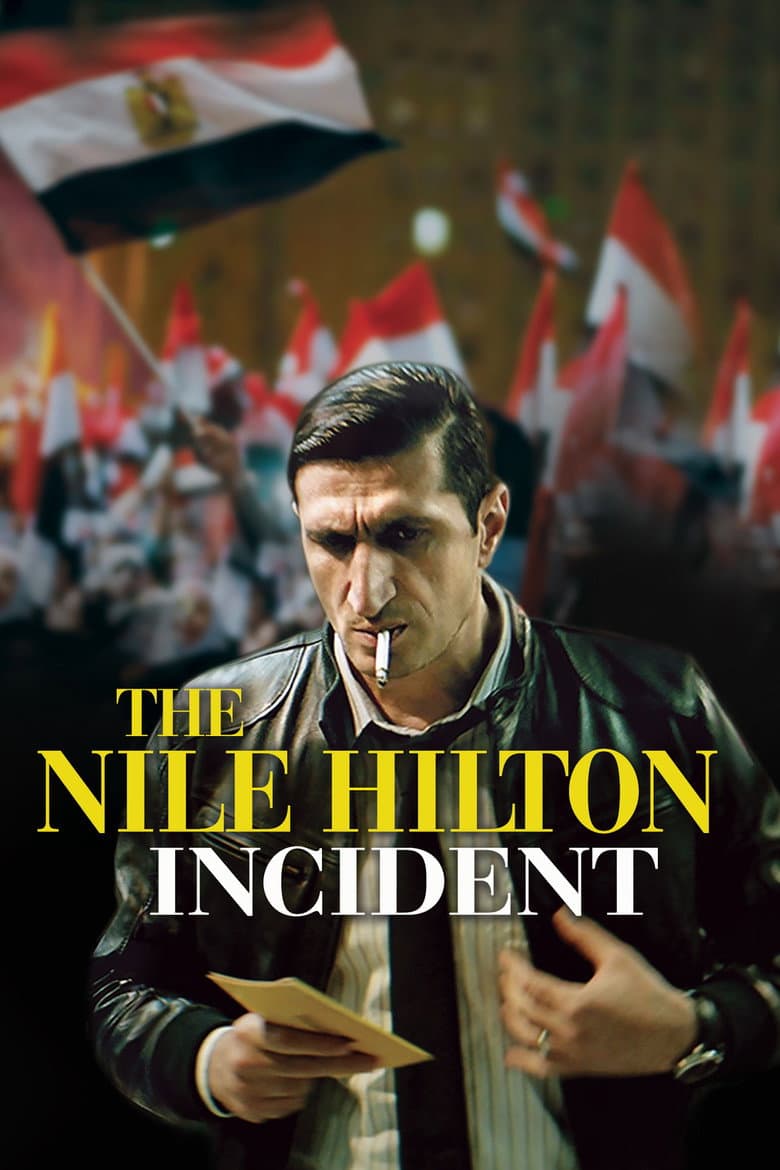
Noredin Mostafa is a Cairo police officer who takes bribes and follows the rules of a dirty system. In the days before Egypt’s 2011 revolution, he investigates the murder of a famous singer at the Nile Hilton hotel. The case leads him to Hatem Shafiq, a rich businessman close to President Hosni Mubarak. Noredin must choose between protecting his job and finding the truth, while a witness named Salwa tries to stay alive.
The film shows police, politicians, and rich businessmen protecting one another. Salwa is a young Sudanese hotel maid without legal papers, and her danger gives the murder case a second human story. The film also shows a dead singer, working women, and poor migrants facing abuse from men with money and power. Its main message is that bribery and fear have spread through public life, while Noredin slowly turns against the system that made him corrupt.
Community feedback
Was our 19% Woke rating accurate?
Breakdown
These are the editorial factors and ratings behind our score for The Nile Hilton Incident.
Woke representation / casting
Fares Fares, a Swedish-Lebanese actor, plays an Egyptian police commander. The film also uses Egyptian, Arab, and Sudanese actors in roles tied to the story’s setting. The regional casting fits the setting, and the film does not market it as a diversity goal. The lead actor’s national background creates a small mismatch, so the score stays low.
18%
Woke political dialogue
Not present. The film has talk about bribes, police power, and the 2011 uprising. It does not use modern identity, gender-role, DEI, or activist speech.
0%
Identity-driven story themes
Salwa is a young Sudanese maid without legal papers who becomes a key witness. The story shows her fear of police, her poverty, and the danger she faces from powerful men. The film also shows women being used and harmed by wealthy men. The murder case remains focused on corruption and survival rather than a modern identity message.
18%
Western institutional / cultural critique
Not present. The film attacks Egyptian police, the Mubarak power circle, and corrupt local elites. It does not frame Western families, churches, or other Western institutions as the problem through modern activist messaging.
0%
Woke character or canon changes
Not relevant. The film changes names and details while using a real murder case as inspiration. It does not show an identity-based race, gender, sexuality, or hero-role change.
0%
Anti-woke backlash and complaints
Not present. The supplied X pass found no anti-woke reaction. Other coverage focused on censorship, police corruption, accents, and audience opinion, not claims that the film pushes woke or DEI ideas.
0%
Creator track record context
Cached context gives Tarik Saleh a 22/100 score because his work often attacks authoritarian power, surveillance, corruption, and propaganda. Cached context gives Kristina Åberg 18/100 for socially engaged films and reporting, while Fares Fares, Emil Wiklund, Jon Wigfield, and Fabien Boitiere have low or zero scores. Marwa Gabriel has a higher cached score for cultural-authenticity work and attention to women’s place in film. This team adds a mild political and social context signal, not a strong DEI or identity-politics record.
24%
Production

Movie · 2024
While awaiting the next fuel truck at a middle-of-nowhere Arizona rest stop, a traveling young knife salesman is thrust into a high-stakes hostage situation by the arrival of two…
Movie · 2016
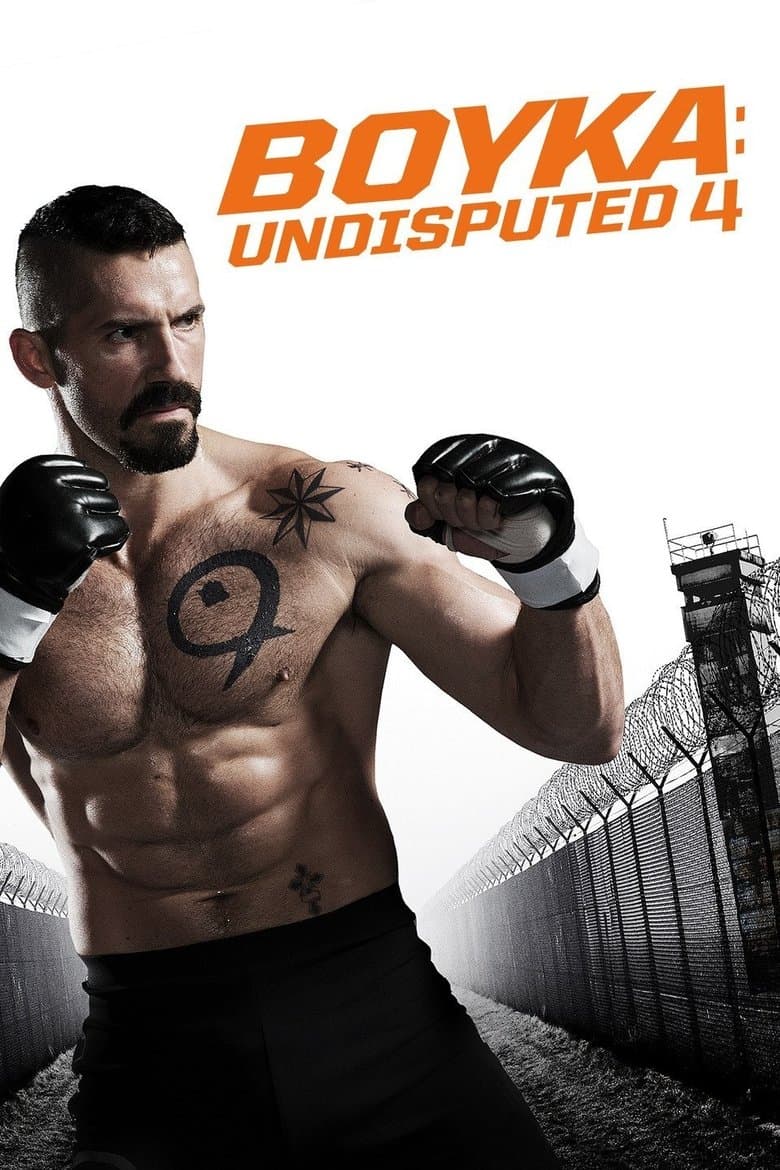
In the fourth installment of the fighting franchise, Boyka is shooting for the big leagues when an accidental death in the ring makes him question everything he stands for.

Movie · 2021
An ambitious carnival man with a talent for manipulating people with a few well-chosen words hooks up with a female psychologist who is even more dangerous than he is.
Movie · 2019
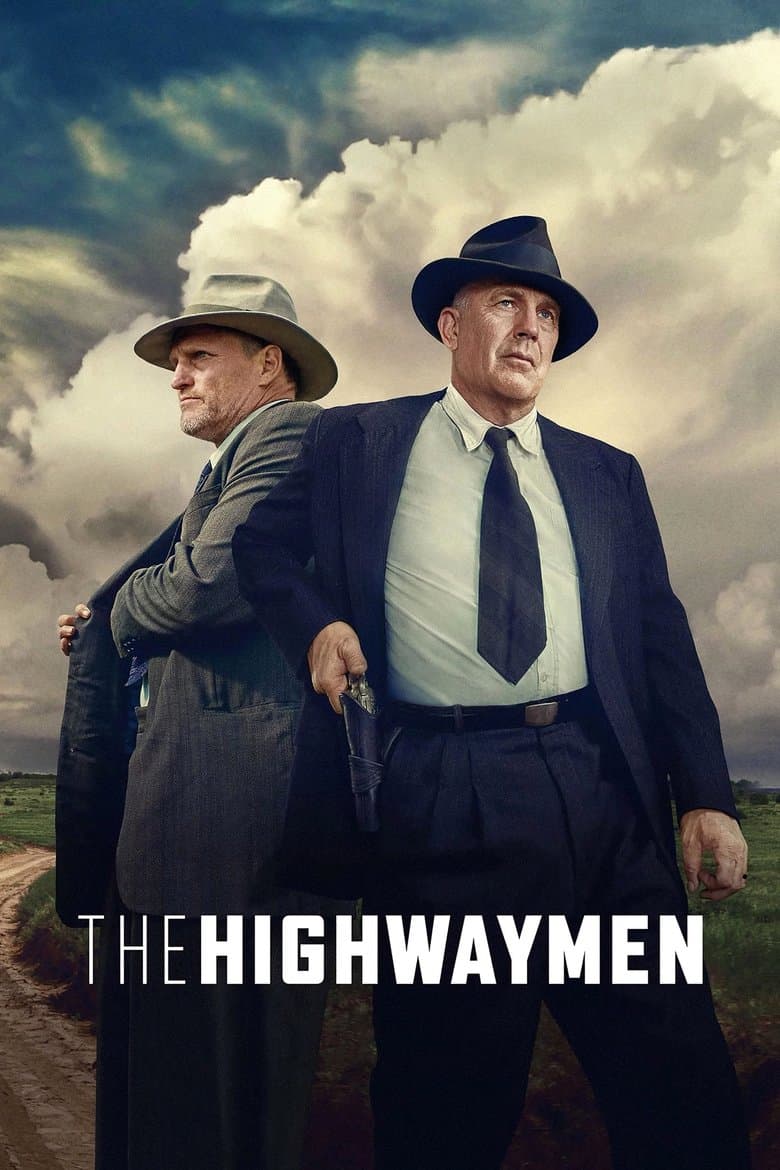
In 1934, Frank Hamer and Manny Gault, two former Texas Rangers, are commissioned to put an end to the wave of vicious crimes perpetrated by Bonnie Parker and Clyde Barrow, a…
Movie · 2021
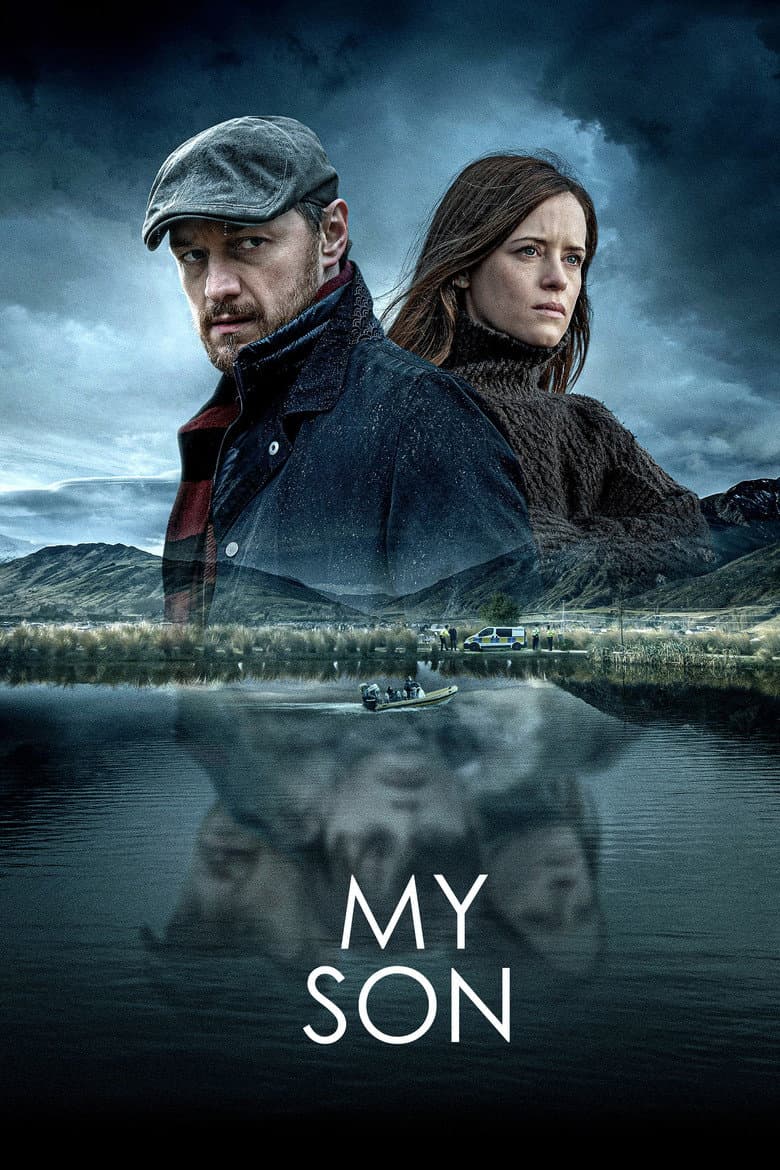
When a man's only son goes missing, he travels to the town where his ex-wife lives in search of answers. [To play a man whose life is clouded by mystery, McAvoy will not be given…
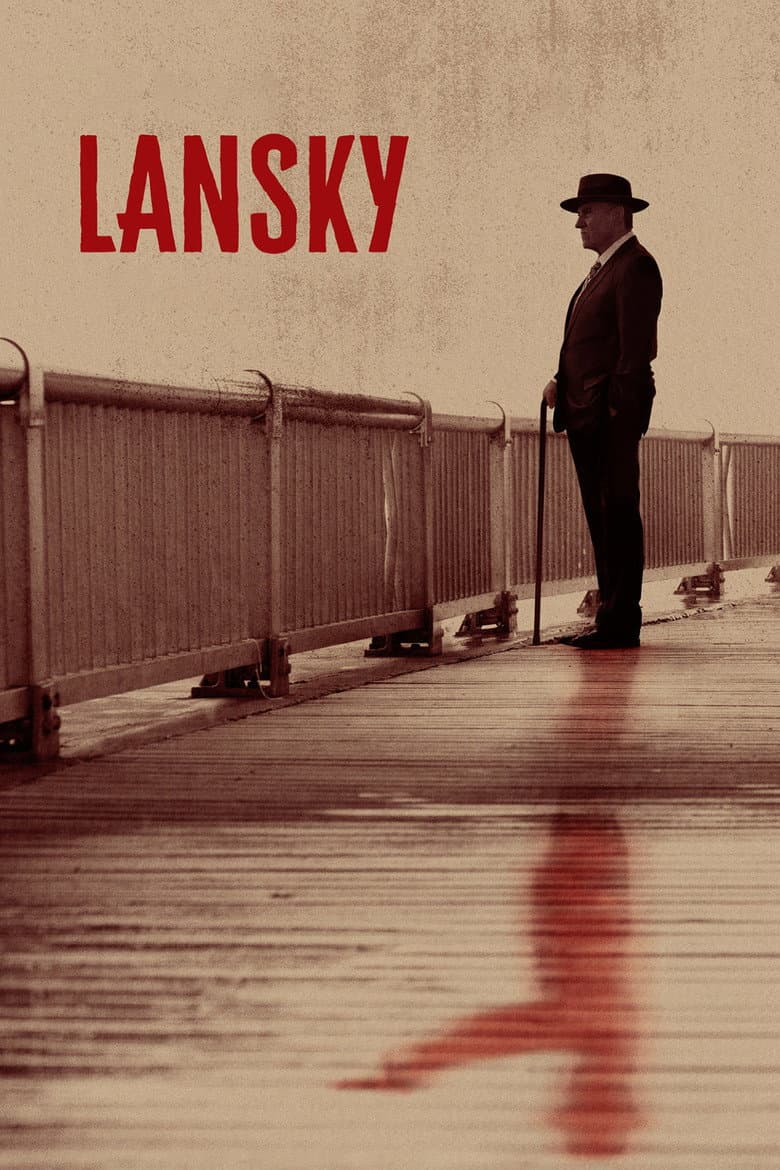
Movie · 2021
When the aging Meyer Lansky is investigated one last time by the Feds who suspect he has stashed away millions of dollars over half a century, the retired gangster spins a…

Movie · 2022
After escaping a Michigan prison, a charming career criminal assumes a new identity in Canada and goes on to rob a record 59 banks and jewellery stores while being hunted by a…
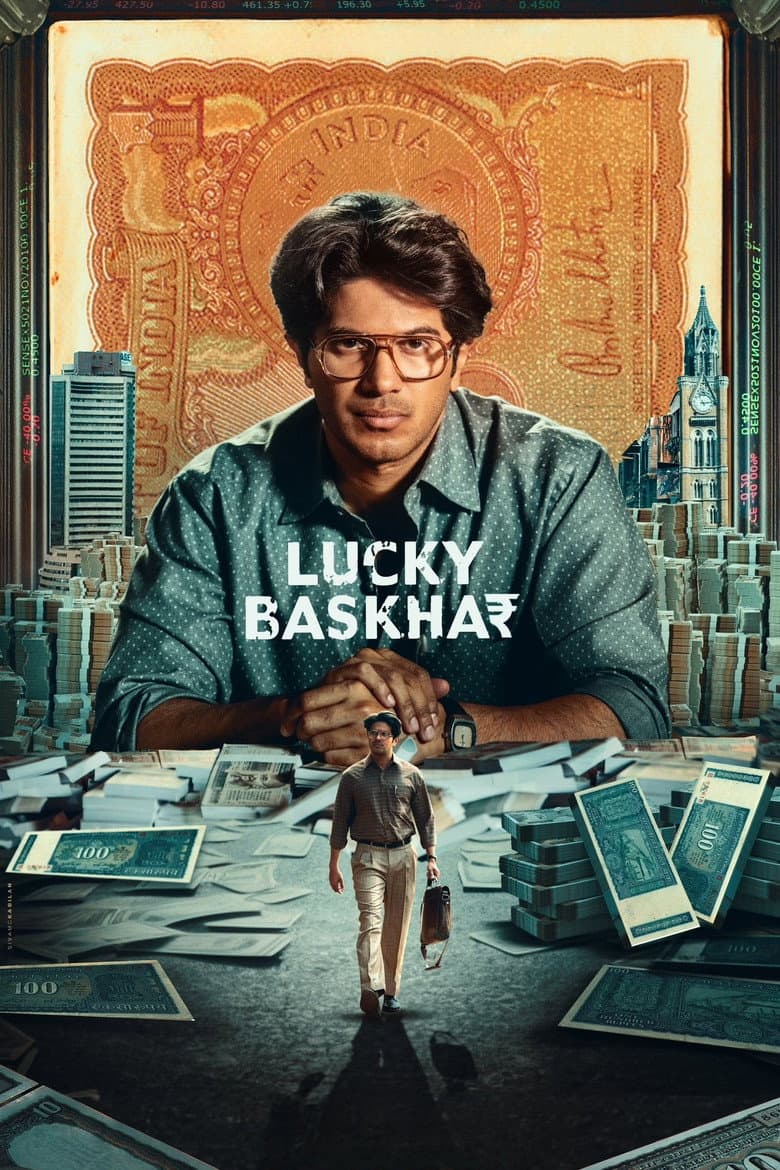
Movie · 2024
A middle-class bank clerk who longs to trade stability for adventure gets more than he bargained for when he unexpectedly becomes a wealthy man.
