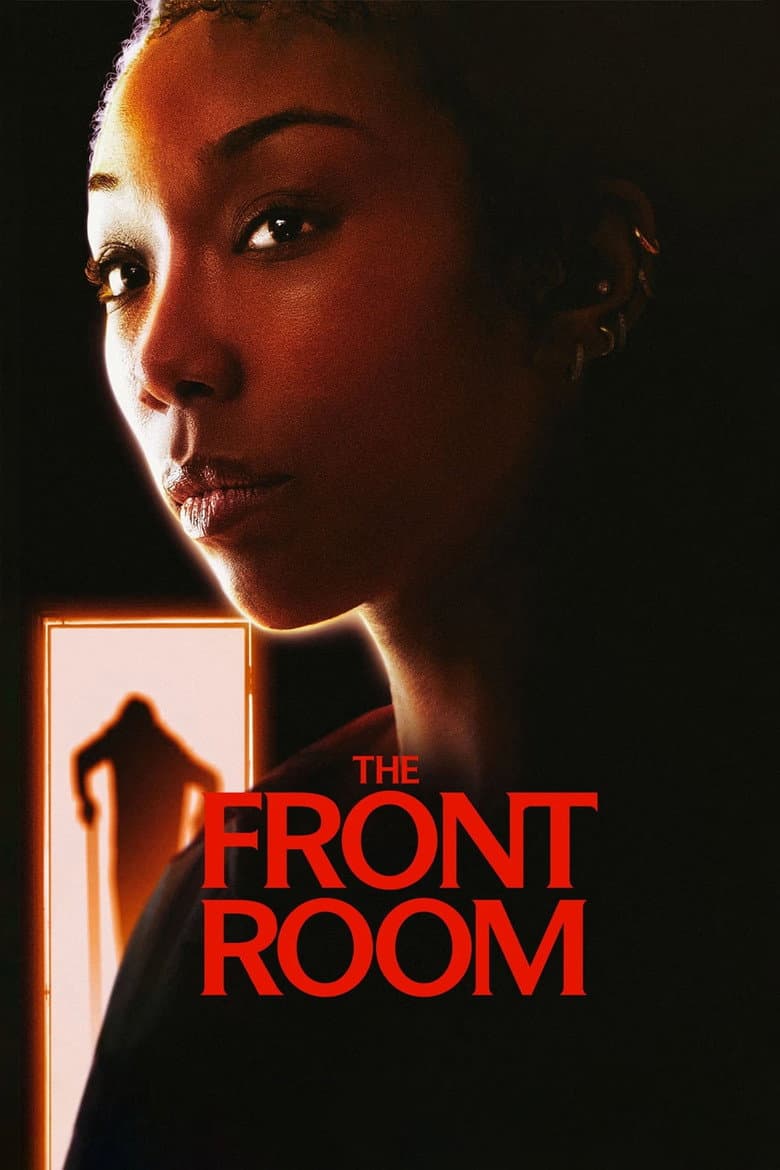
The Front Room follows Belinda, a pregnant college teacher who lives with her white husband, Norman. After Norman’s father dies, the couple lets his sick stepmother, Solange, move into their home in return for money. Solange takes over the front room, the house, and many choices about the baby. The film mixes family horror, black comedy, religious fear, grief, and very gross body humor.
Belinda faces racist insults, pressure from Solange’s strict church group, and a fight over who will control her child. She also leaves her college job after unfair treatment and feels trapped by the work of caring for others at home. The story presents her return to teaching and escape from Solange as a hard-won kind of freedom. The movie uses race, women’s strength, religious control, motherhood, and old family wounds as its main ideas, but it tells them through wild horror and dark jokes.
Community feedback
Was our 81% Woke rating accurate?
Breakdown
These are the editorial factors and ratings behind our score for The Front Room.
Woke representation / casting
Belinda is a black college teacher, and Norman is a white man, so their interracial marriage is a visible part of the story. Solange’s racism makes those identity choices matter in several major scenes. The story takes place in modern America, so the couple is not a clear period mismatch. The lead casting supports a clear race-focused story rather than a background detail.
52%
Woke political dialogue
Belinda talks about unfair treatment at her college job. Norman warns that Solange rejects their interracial marriage. Solange uses racist insults and jokes about being a racist baby, and she talks about her Klan-linked past. Belinda asks how her half-black child will be treated in Solange’s strict Christian world.
45%
Identity-driven story themes
Belinda’s race, pregnancy, and work life shape the main conflict. The story shows her fighting a racist older woman who wants control over her home and baby. The film treats care work as a burden placed on women and presents Belinda’s return to teaching as a form of freedom. The story also links strict religion, family power, and older Southern racial beliefs.
64%
Western institutional / cultural critique
Belinda leaves her college job after pregnancy-related disrespect from the department. Belinda’s lessons about older female gods are set against Solange’s Christian symbols. Solange’s strict church group is tied to racism, control, and fear. The story treats old Christian family rules and unequal care work as forces that Belinda must reject.
56%
Woke character or canon changes
The film changes Susan Hill’s English short story into a modern American story. The original has a religious young couple and a nonreligious Solange, while the film reverses that setup. The film also changes Belinda into a black woman and adds an interracial marriage, racist family conflict, and a Daughters of the Confederacy link. These identity and religion changes shape the main plot rather than appearing as small details.
72%
Anti-woke backlash and complaints
The supplied X research found no anti-woke posts, boycott talk, or review-bombing. A faith-based review objected that the film treats Christianity as a white oppressor and replaces the cross with older goddess symbols. A Catholic review criticized its feminist view of religion and said its values were skewed. The criticism was limited and did not become a large public backlash.
18%
Creator track record context
Max and Sam Eggers and Susan Hill have low creator scores and no strong activist public image. Most producers also have low scores and no clear DEI campaign. Babak Anvari has a higher score because he publicly supported Iran’s freedom movement. Taylor Williams has a representation-focused theater record, but the wider team has only mixed and limited context.
24%
Production
Movie · 2025
Paranormal investigators Ed and Lorraine Warren take on one last terrifying case involving mysterious entities they must confront.
Movie · 2025
Following the death of their father, a brother and sister are sent to live with a foster mother, only to learn that she is hiding a terrifying secret.
Movie · 2026
After breaking the mysterious "One Wish Willow" to win his crush's heart, a hopeless romantic finds himself getting exactly what he asked for but soon discovers that some desires…
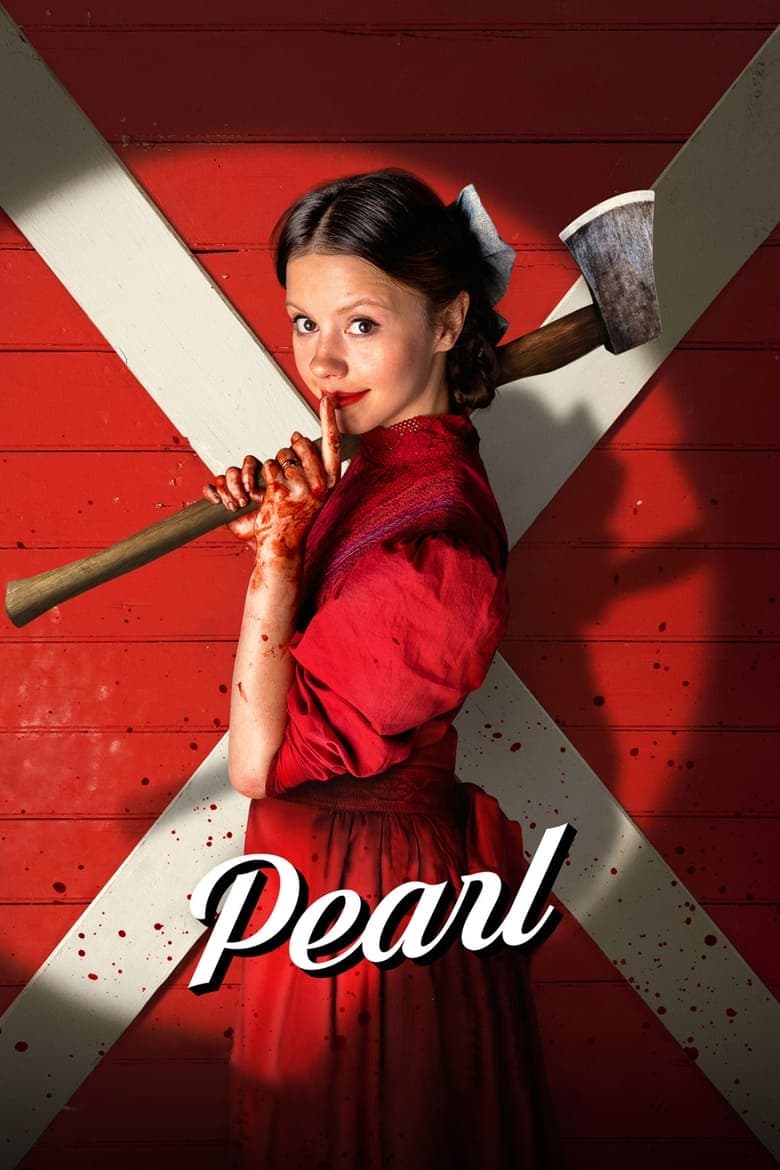
Movie · 2022
Trapped on her family’s isolated farm, Pearl must tend to her ailing father under the bitter and overbearing watch of her devout mother.

Movie · 2016
In 1630, a farmer relocates his family to a remote plot of land on the edge of a forest where strange, unsettling things happen.

Movie · 2024
A live broadcast of a late-night talk show in 1977 goes horribly wrong, unleashing evil into the nation's living rooms.
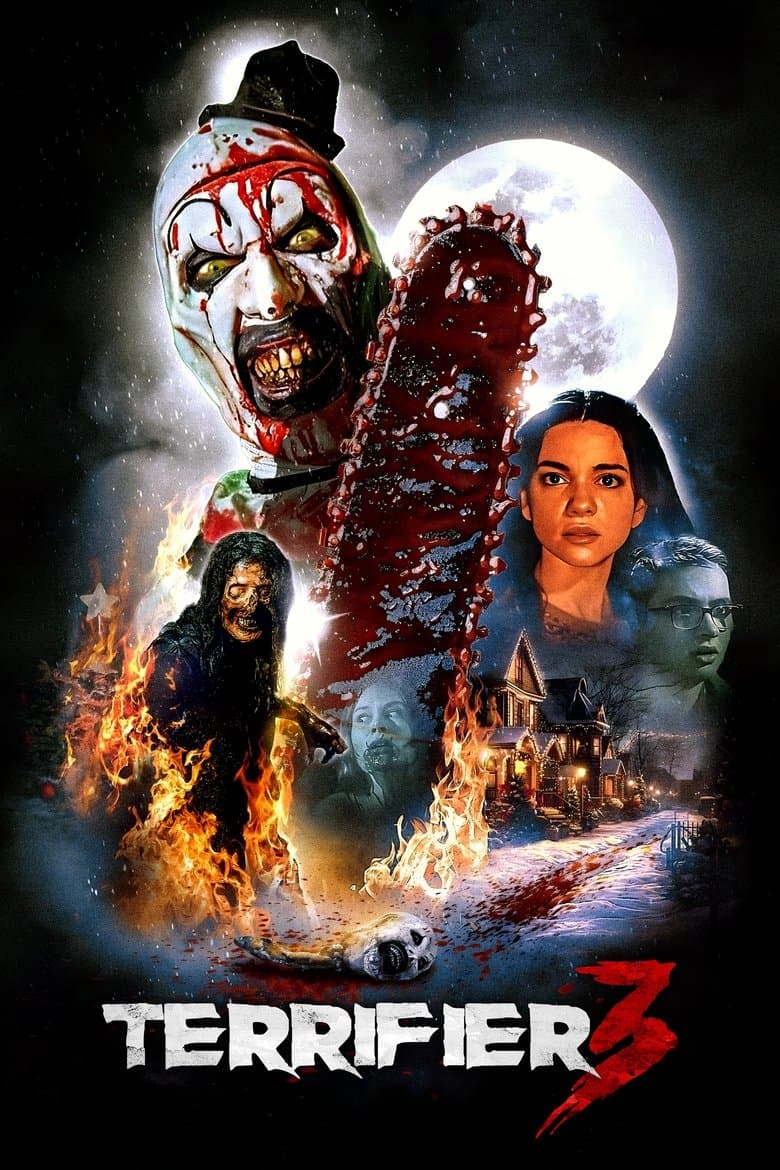
Movie · 2024
Five years after surviving Art the Clown's Halloween massacre, Sienna and Jonathan are still struggling to rebuild their shattered lives.
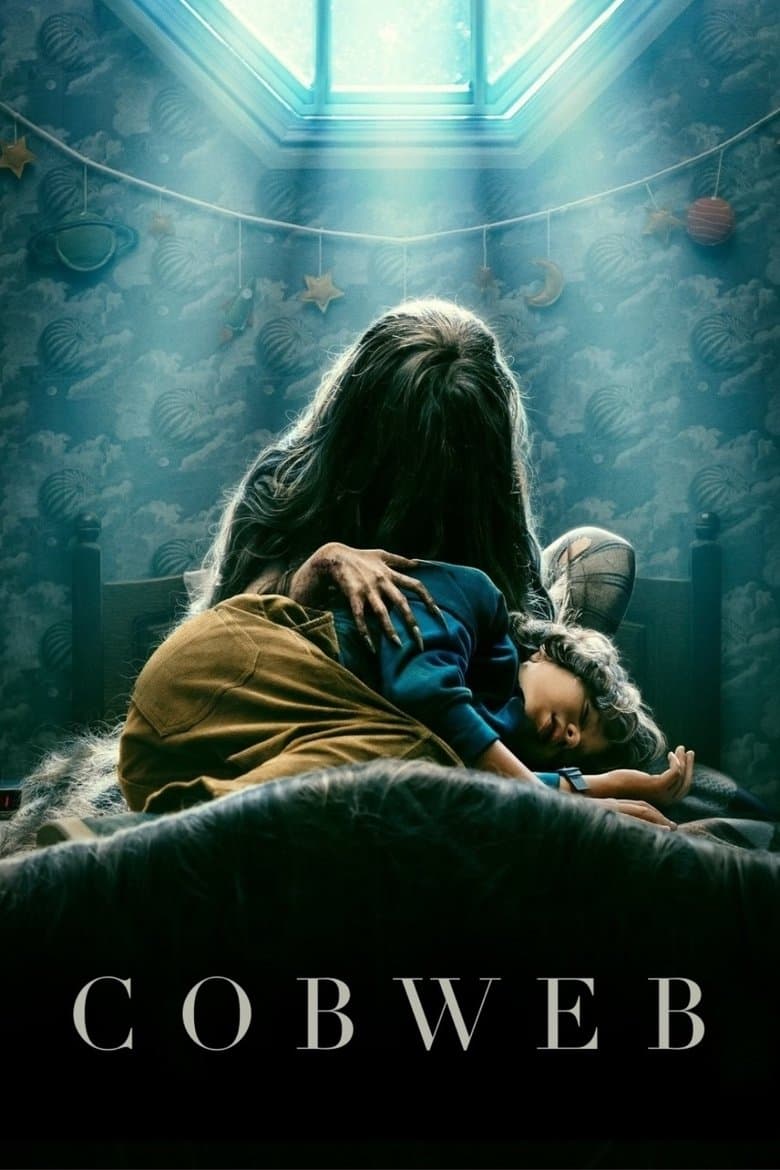
Movie · 2023
Eight year old Peter is plagued by a mysterious, constant tapping from inside his bedroom wall—one that his parents insist is all in his imagination.
