
Tammy Faye is a bright, makeup-loving woman who builds a huge Christian TV empire with her husband, Jim Bakker, from the 1960s through the 1980s. They start small, get famous, and live large. Money problems, power fights, and scandals then tear their world down. The tone is warm toward Tammy, sad about her fall, and often critical of the hard-edged church men around her.
A normal viewer will notice strong identity and acceptance themes. A big emotional high point is Tammy’s TV talk with a gay pastor who has AIDS, where she says Christians should love and hug people with AIDS instead of fearing them. She also clashes with Jerry Falwell over fighting a “liberal,” “feminist,” and “homosexual” agenda, and says America is for those people too. The story frames her as kind and ahead of her time on gay people and on women speaking up in a male church world. Faith, fame, and the couple’s sins stay the main plot, but the gay-acceptance and “woman vs. rigid church power” threads are hard to miss.
Community feedback
Was our 86% Woke rating accurate?
Breakdown
These are the editorial factors and ratings behind our score for The Eyes of Tammy Faye.
Woke representation / casting
Leads match real white historical figures (Chastain, Garfield, D’Onofrio as Falwell). Not a race-swap or quota ensemble. Main identity casting is the gay AIDS pastor Steve Pieters in a big scene; that is real-history casting, so weight stays light, with a modest LGBTQ bump only.
17%
Woke political dialogue
Clear, hard-to-miss lines: Falwell on fighting liberal/feminist/homosexual agendas; Tammy’s “America is for them too” and “God don’t make junk”; AIDS interview speech asking Christians to hug and care for gay people with AIDS. Viewer hears modern acceptance politics on screen.
74%
Identity-driven story themes
Rise-and-fall story is steered so Tammy’s moral win is loving gay people and resisting male church power. AIDS interview is a key emotional peak; epilogue stresses her LGBTQ support; she is sold as a queer-friendly icon. Queer and gender-role themes are strong and front-facing, not a side note.
76%
Western institutional / cultural critique
Hardline evangelicals (especially Falwell) look cold, power-hungry, and wrong on gays and on women at the table. Pastor-wife rules and “us vs. them” culture-war church politics are framed as cruel. Goes past generic “rich preachers steal money” into anti-conservative, anti-traditional-gender, Religious Right critique.
68%
Woke character or canon changes
No race or gender swaps of real people. Some drama may invent or sharpen progressive clash scenes (for example the Falwell table fight). Jim’s rumored same-sex side is lightly hinted. Mostly ordinary biopic shaping, not big DEI rewrites of history.
18%
Anti-woke backlash and complaints
Some Christian and right-leaning viewers say the film is a soft gay-icon rehab that undermines traditional church values. No large viral “too woke” boycott. Complaints are real but limited in reach.
22%
Creator track record context
Bailey/Barbato’s high queer-advocacy brand and source doc matter a lot; Sylvia’s gay personal link to Tammy as icon and Chastain’s female-led producer role add more. Director Showalter is low. Overall package leans identity-forward through producers and writer more than the director.
60%
Production

Movie · 2016
WWII American Army Medic Desmond T. Doss, who served during the Battle of Okinawa, refuses to kill people and becomes the first Conscientious Objector in American history to…
Movie · 2016
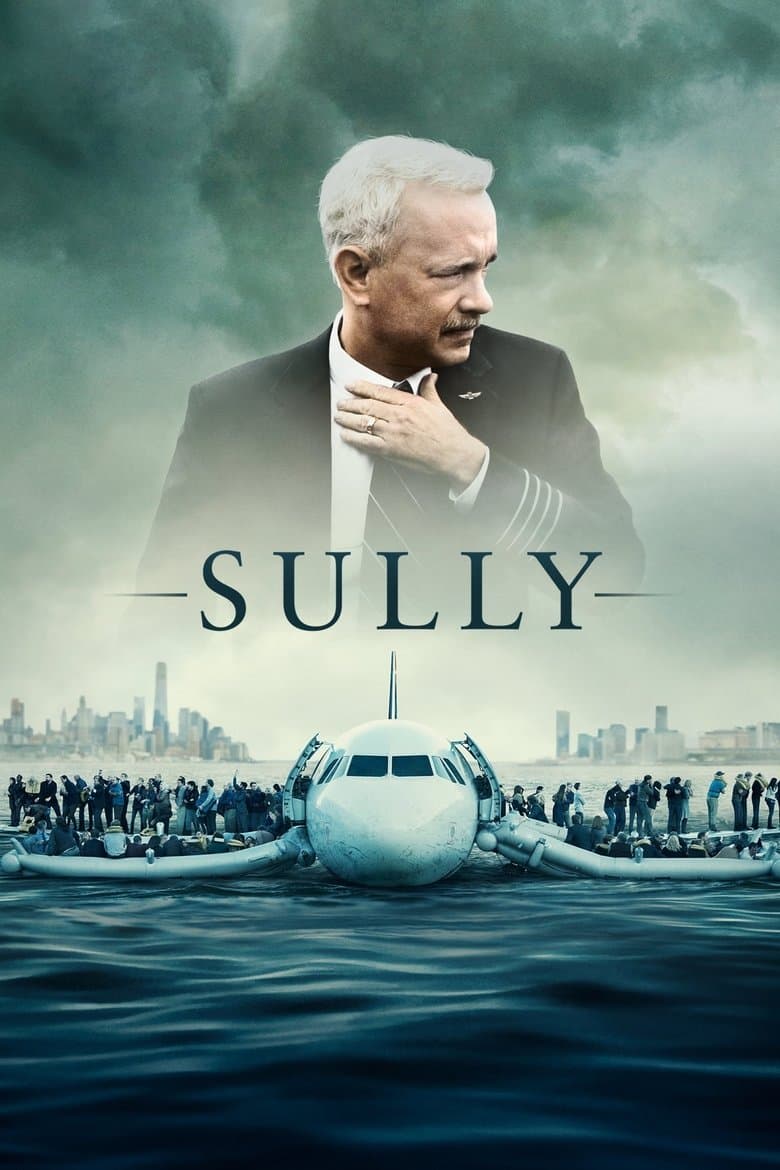
On 15 January 2009, the world witnessed the 'Miracle on the Hudson' when Captain 'Sully' Sullenberger glided his disabled plane onto the Hudson River, saving the lives of all 155…

Movie · 2017
In 1950, amidst the ravages of the Korean War, Sergeant Süleyman stumbles upon a a half-frozen little girl, with no parents and no help in sight and he risks his own life to save…

Movie · 2022
A quiet, neglected girl is sent away from her dysfunctional family to live with relatives for the summer. She blossoms in their care, but in this house where there are meant to be…
Movie · 2025
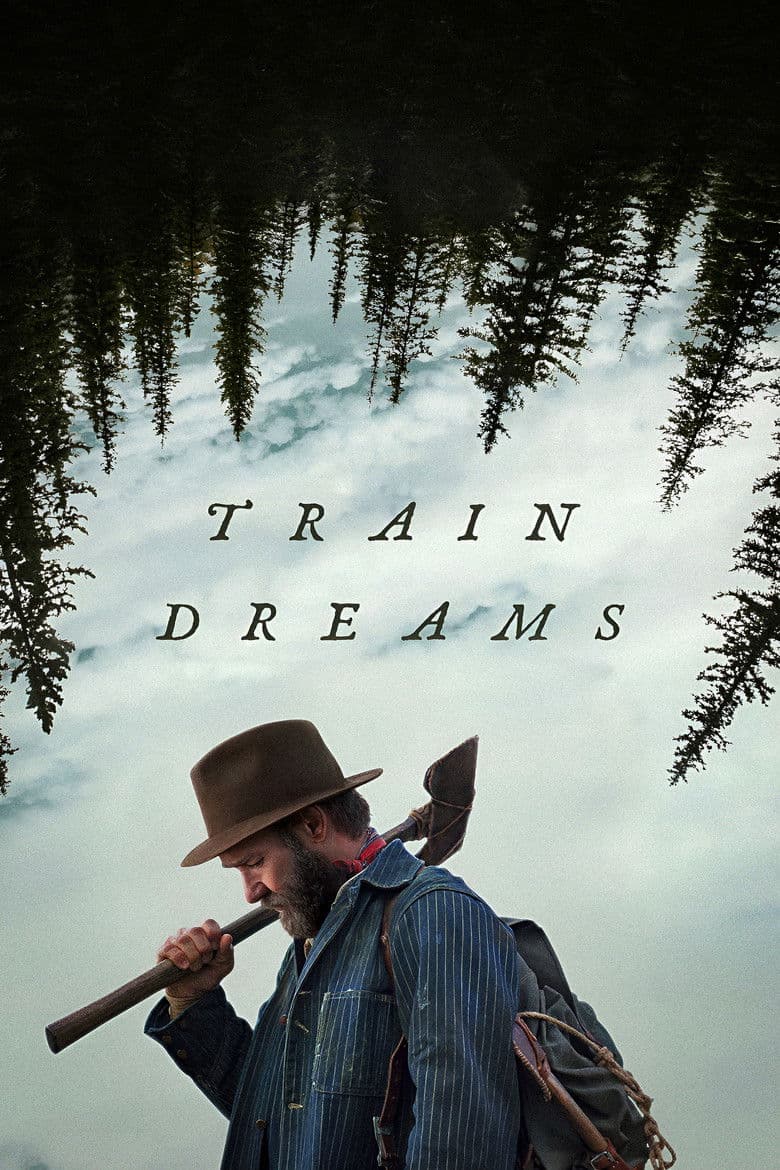
A logger leads a life of quiet grace as he experiences love and loss during an era of monumental change in early 20th-century America.

Movie · 2023
The story of J. Robert Oppenheimer's role in the development of the atomic bomb during World War II.
Movie · 2026
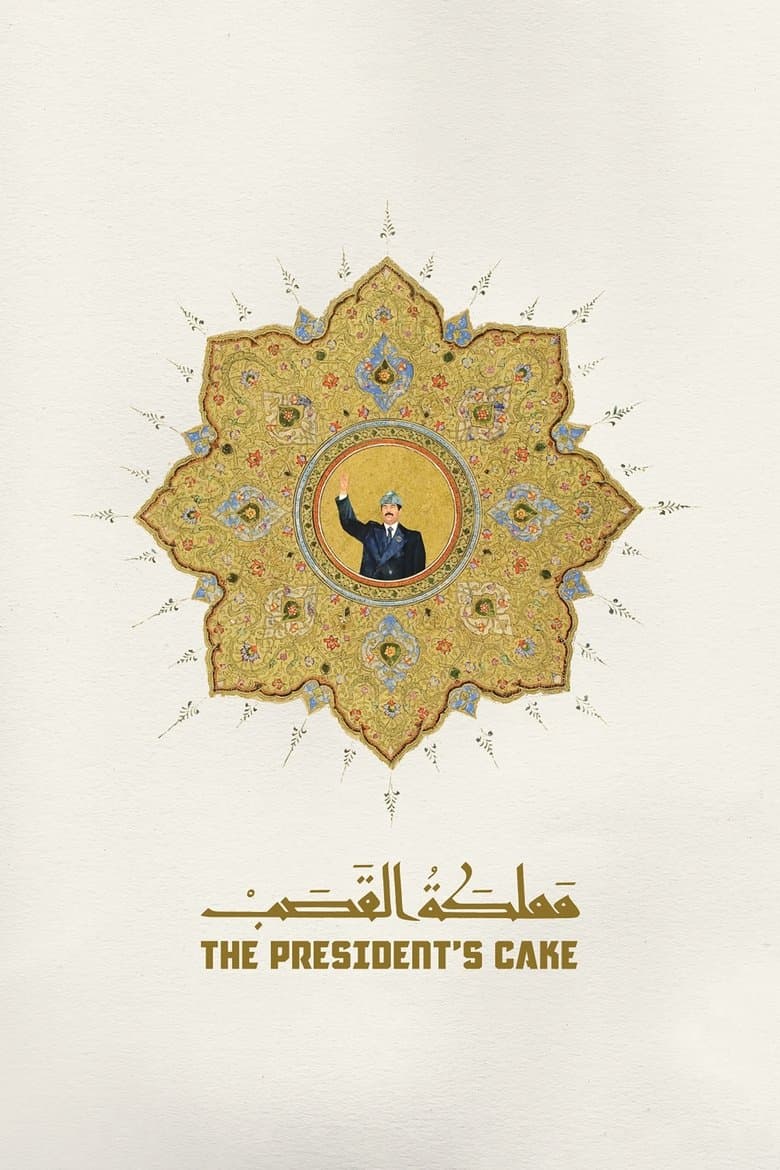
While people across 1990s Iraq struggle to survive the war and food shortages, Saddam Hussein requires each school in the country to prepare a cake to celebrate his birthday.
Movie · 2017
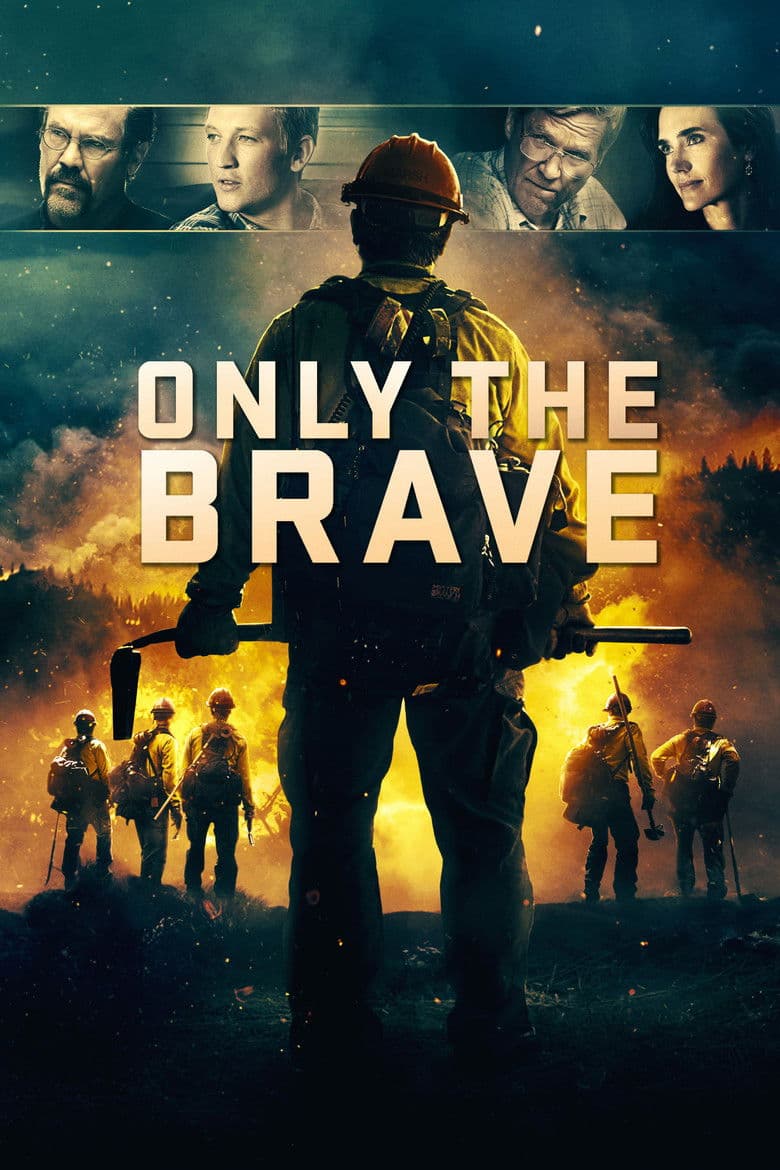
Members of the Granite Mountain Hotshots battle deadly wildfires to save an Arizona town.
