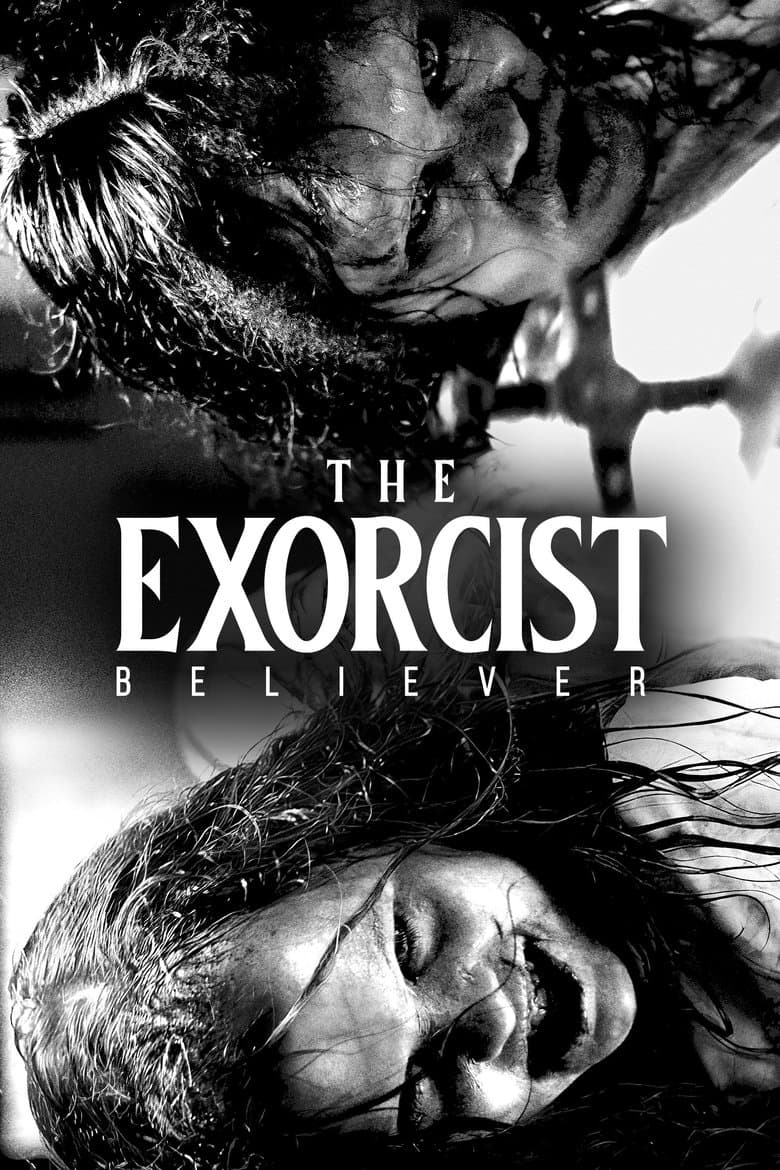
The Exorcist: Believer follows Victor Fielding, a widowed father raising his daughter Angela in Georgia. Angela and her friend Katherine vanish after they try to contact Angela’s dead mother in the woods. They return three days later with no memory and signs of demonic possession. Victor turns to Chris MacNeil, a woman who survived a similar ordeal, as both families face a deadly choice. The film uses grim horror, family grief, and religious fear.
The film gives the rescue effort to Catholics, Baptists, a former convent novice, and a rootwork healer. It says that many faiths and cultures can fight the same evil, while Chris calls the old church system the “patriarchy.” The story also brings Ann’s past abortion into the possession plot and uses a woman as the main ritual leader. These ideas shape the final exorcism, but the story still centers on parents trying to save their children rather than on politics.
Community feedback
Was our 64% Woke rating accurate?
Breakdown
These are the editorial factors and ratings behind our score for The Exorcist: Believer.
Woke representation / casting
The film places a black father and his Black daughter at the center of the story. It also gives major roles to a black rootwork healer, a Latino priest, a former convent novice, and several women who help lead the rescue. This creates a clear pattern of race, culture, and gender choices in the main group. The choices fit a modern Georgia setting, which keeps the identity focus moderate.
37%
Woke political dialogue
Chris says the old church system kept her away from Regan’s exorcism because of the “damn patriarchy.” The demon also attacks Ann over the abortion that ended her path toward becoming a nun. These lines bring modern gender and abortion politics into a supernatural crisis. The dialogue is limited to a few scenes, so it is clear but not constant.
28%
Identity-driven story themes
The central exorcism joins several religions and spiritual practices instead of relying mainly on Catholic priests. Chris says every culture has its own way to fight possession, and the film treats shared action as the answer. Ann’s abortion, Chris’s patriarchy comment, and the two girls from different family backgrounds add identity-focused material. These ideas shape the final ritual, while grief and parenthood remain the main emotional story.
46%
Western institutional / cultural critique
The film presents the Catholic Church as an old institution that blocks the wider group from using its ritual. Chris links that exclusion to the patriarchy, and the film gives key ritual work to women and non-Catholic helpers. The priest who joins the ritual is quickly killed, while Ann is treated as the person who can lead it. The movie still shows some Christian characters as sincere, so the criticism is aimed at church control more than all religion.
43%
Woke character or canon changes
The film changes Chris MacNeil from a worried mother in the original to a public expert on exorcisms. Chris now says that patriarchy kept her out of Regan’s exorcism, which adds a modern feminist reason to an old event. The film also gives her a broken relationship with Regan because Chris wrote a book about the possession. This change is easy to notice, but Chris is removed from the main action soon after she returns.
36%
Anti-woke backlash and complaints
The separate X pass found notable but scattered complaints that the film goes woke. Right-leaning posts attacked the abortion backstory, the multi-faith exorcism, the rootwork healer, and Chris’s patriarchy line. Some posts also objected to a black lead father and to which possessed girl dies. Other viewers said the movie was simply poor and not woke, and no organized boycott appeared.
42%
Creator track record context
David Gordon Green and Peter Sattler have low cached scores and no clear DEI or activist record. Danny McBride, Jason Blum, and most other producers also have low or modest cached scores. Stephanie Allain has a strong history of supporting Black, Latino, female, and underrepresented filmmakers. Cynthia Francillon has a smaller but clear focus on black women and queer identity work. This gives the title some supporting context, but it is not a uniform activist team.
32%
Production

Movie · 2025
Following the death of their father, a brother and sister are sent to live with a foster mother, only to learn that she is hiding a terrifying secret.

Movie · 2024
A live broadcast of a late-night talk show in 1977 goes horribly wrong, unleashing evil into the nation's living rooms.

Movie · 2022
Trapped on her family’s isolated farm, Pearl must tend to her ailing father under the bitter and overbearing watch of her devout mother.

Movie · 2024
Five years after surviving Art the Clown's Halloween massacre, Sienna and Jonathan are still struggling to rebuild their shattered lives.

Movie · 2024
A boy and his stepmother fear for their safety after an eerie creature resembling the boy's recently deceased father visits them.
Movie · 2016
Lorraine and Ed Warren travel to north London to help a single mother raising four children alone in a house plagued by malicious spirits.
Movie · 2016
In 1630, a farmer relocates his family to a remote plot of land on the edge of a forest where strange, unsettling things happen.
Movie · 2026
After breaking the mysterious "One Wish Willow" to win his crush's heart, a hopeless romantic finds himself getting exactly what he asked for but soon discovers that some desires…
