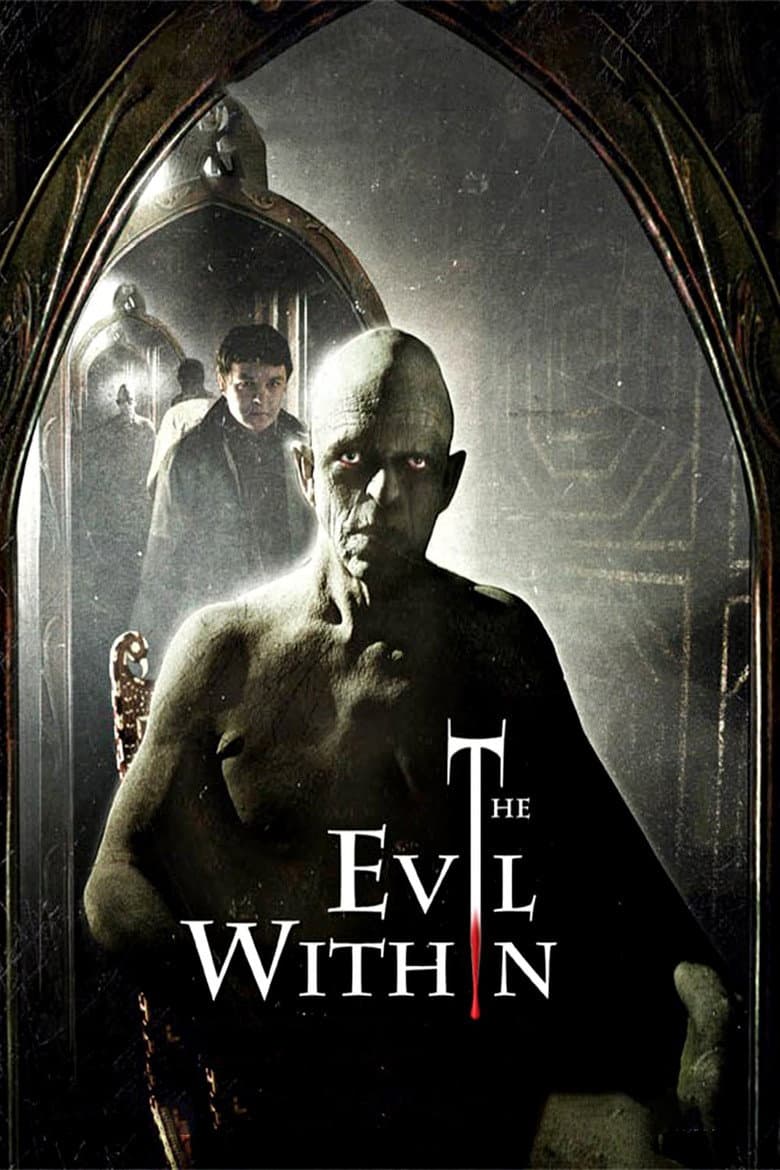
Dennis is a lonely adult man with an intellectual disability who lives with his older brother John in a large house. John tries to care for Dennis while also trying to build a life with his girlfriend Lydia. An antique mirror gives Dennis a talking reflection that tells him to commit murders. The film is a grim horror story with dreamlike scenes, blood, strange creatures, and an uncertain line between real events and visions.
The main identity-related subject is Dennis’s disability and the way other people treat him. John, Lydia, a doctor, and a social worker argue about care, control, and whether Dennis should be placed in an institution. The film links his anger and violence to an earlier brain injury caused by John, while the mirror turns that pain into a murder plan. The story does not build around race, sexuality, feminism, or a modern political cause, so its social material stays tied to family guilt, mental damage, and fear.
Community feedback
Was our 26% Woke rating accurate?
Breakdown
These are the editorial factors and ratings behind our score for The Evil Within.
Woke representation / casting
The film centers a man with a disability, but it uses an actor who does not have that disability. The lead role makes this casting choice easy to notice. The rest of the cast does not show a repeated diversity pattern or a representation campaign. This creates a clear disability mismatch, but it is not a broad identity-based casting design.
18%
Woke political dialogue
Not present. The film has arguments about Dennis’s care and the state’s power to remove him, but it does not use modern identity, DEI, or activist lines. Its dialogue stays within the family and horror plot.
0%
Identity-driven story themes
The film makes disability, family care, and institutionalization central to Dennis’s story. John and other adults treat Dennis as a problem to be managed, while Dennis’s inner voice turns that rejection into violence. The story also uses brain injury and isolation as horror themes. This is a recurring identity-driven theme, but the film does not turn it into a modern rights campaign or broader identity politics.
40%
Western institutional / cultural critique
The film makes a social worker and psychiatric care part of the threat around Dennis. John argues that the state could take Dennis away, and the story presents forced care as frightening. These scenes criticize control over a family, but they do not attack Western culture, religion, capitalism, or traditional gender roles. The critique is brief and tied to the horror plot.
12%
Woke character or canon changes
Not relevant. The film is an original horror story and does not change an established character, source, or real historical figure.
0%
Anti-woke backlash and complaints
Not present. No clear anti-woke complaints about the film were found. Online discussion focused on the strange production, disability portrayal, and horror quality instead.
0%
Creator track record context
Not present. The creator record shows an individual horror project with no reported activist or DEI pattern. The producers and casting director also have no reported identity-focused public record. Interviews frame the film as a personal nightmare project, not as a social campaign.
0%
Production
Movie · 2022
Trapped on her family’s isolated farm, Pearl must tend to her ailing father under the bitter and overbearing watch of her devout mother.
Movie · 2024
Five years after surviving Art the Clown's Halloween massacre, Sienna and Jonathan are still struggling to rebuild their shattered lives.
Movie · 2020
Six friends hire a medium to hold a séance via Zoom during lockdown — but they get far more than they bargained for as things quickly go wrong.
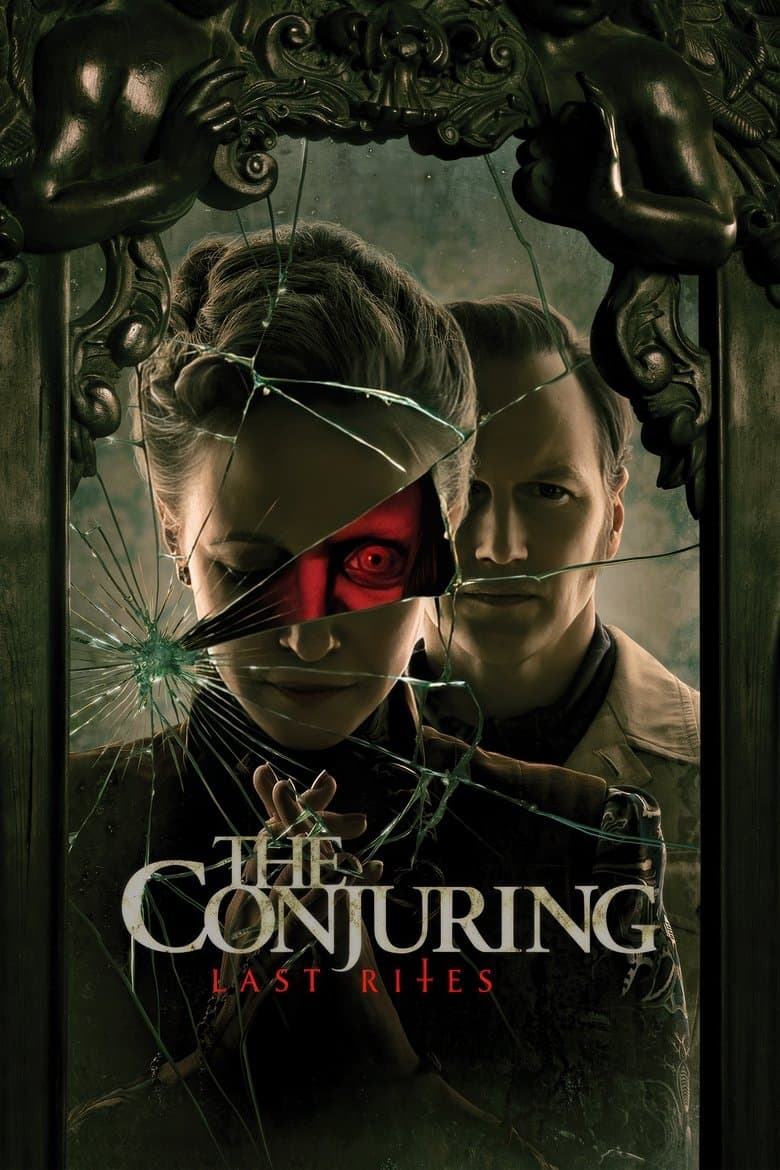
Movie · 2025
Paranormal investigators Ed and Lorraine Warren take on one last terrifying case involving mysterious entities they must confront.
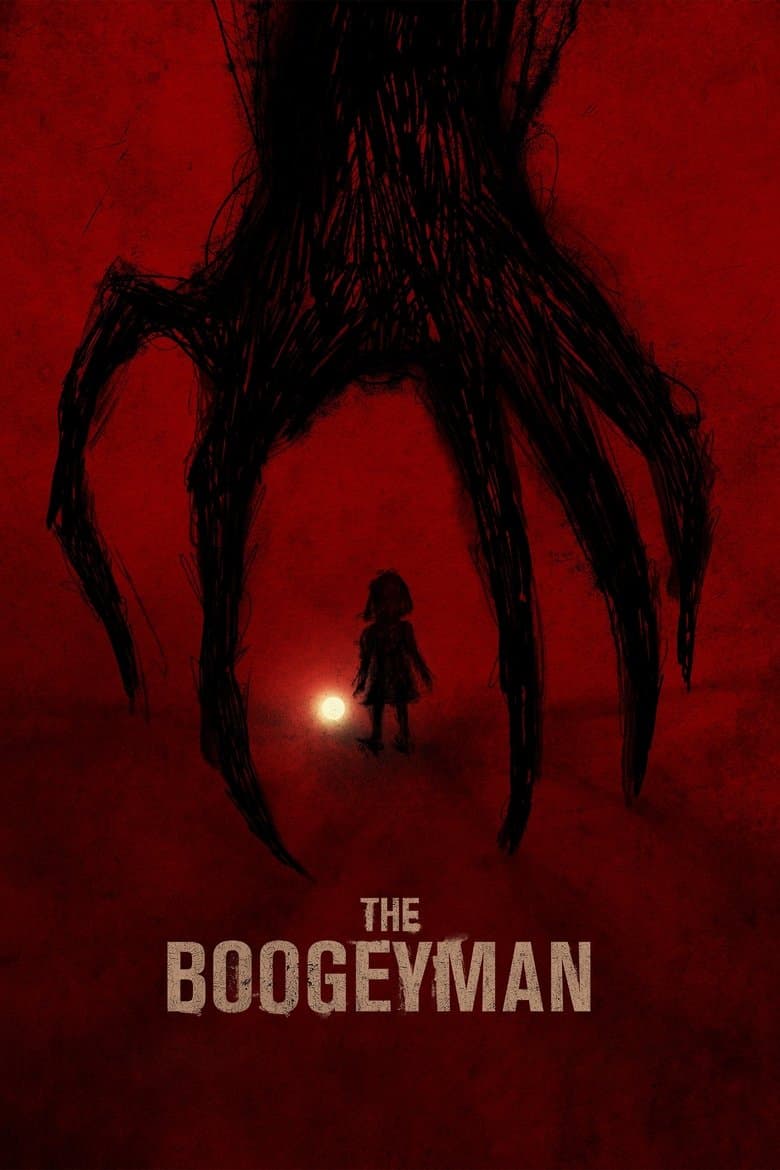
Movie · 2023
Still reeling from the tragic death of their mother, a teenage girl and her younger sister find themselves plagued by a sadistic presence in their house and struggle to get their…
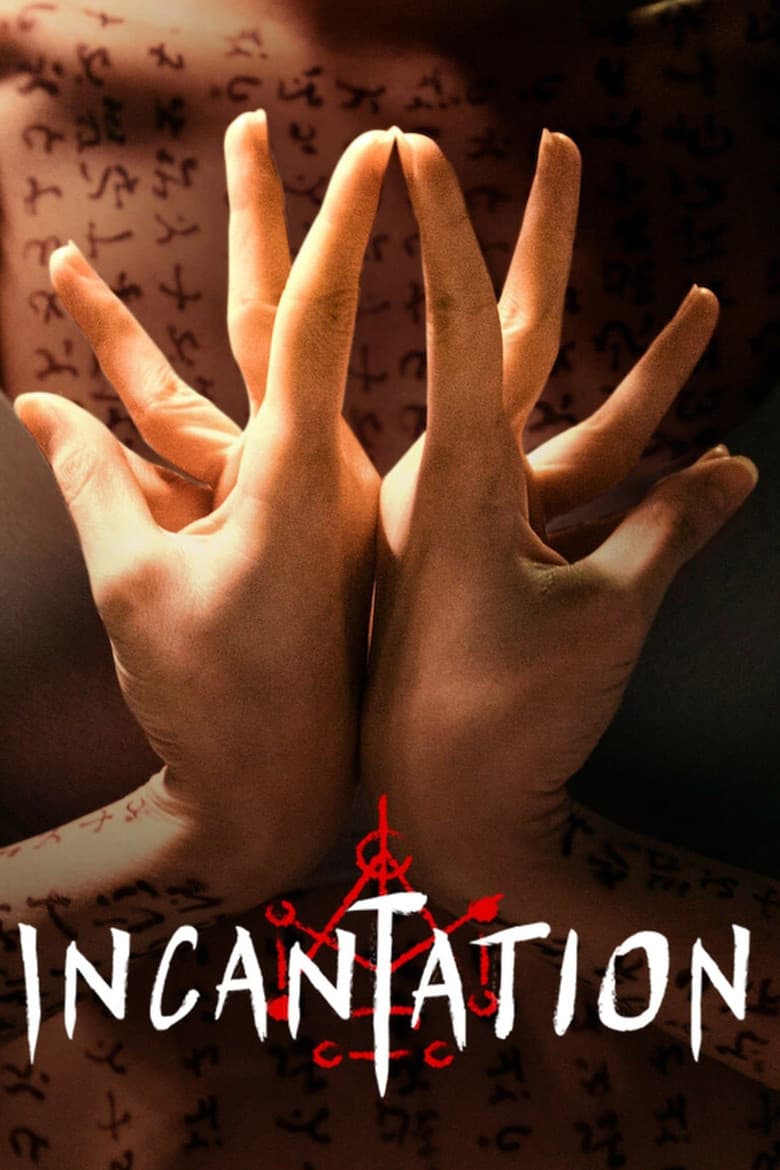
Movie · 2022
Inspired by the true story of a family who believed they were possessed by spirits. This film follows a woman who must protect her child from a curse.
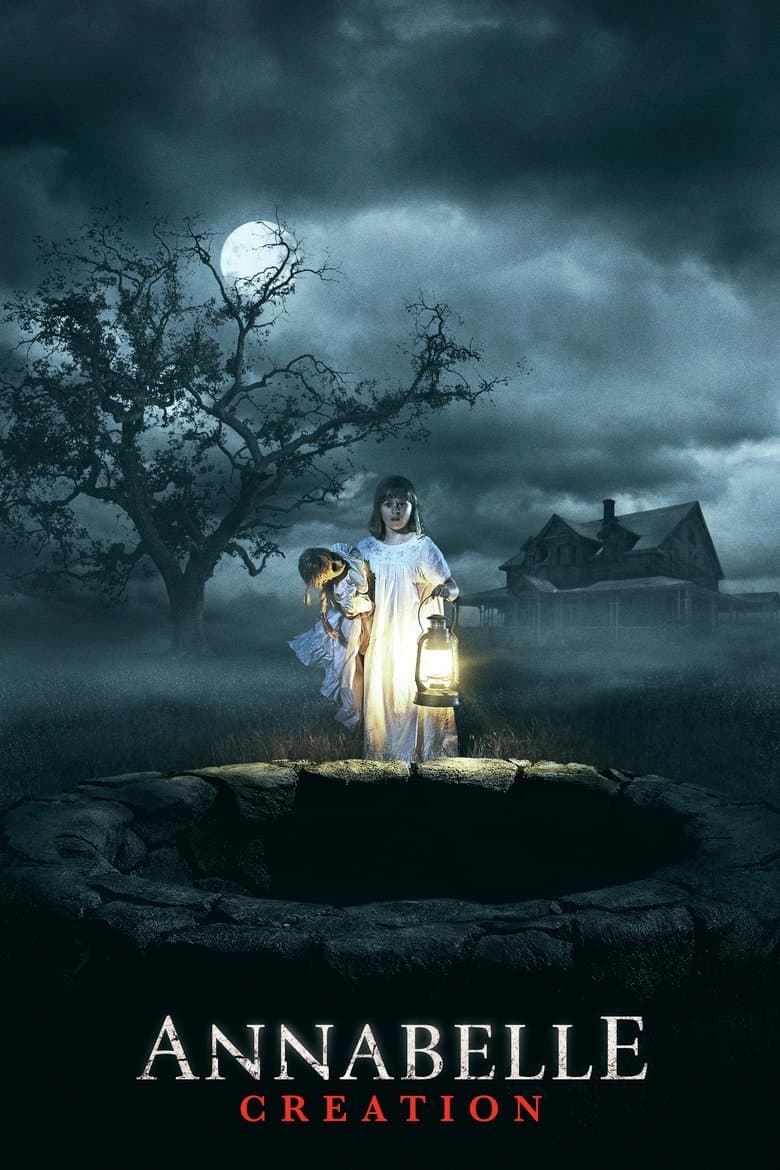
Movie · 2017
Several years after the tragic death of their little girl, a doll maker and his wife welcome a nun and several girls from a shuttered orphanage into their home, soon becoming the…
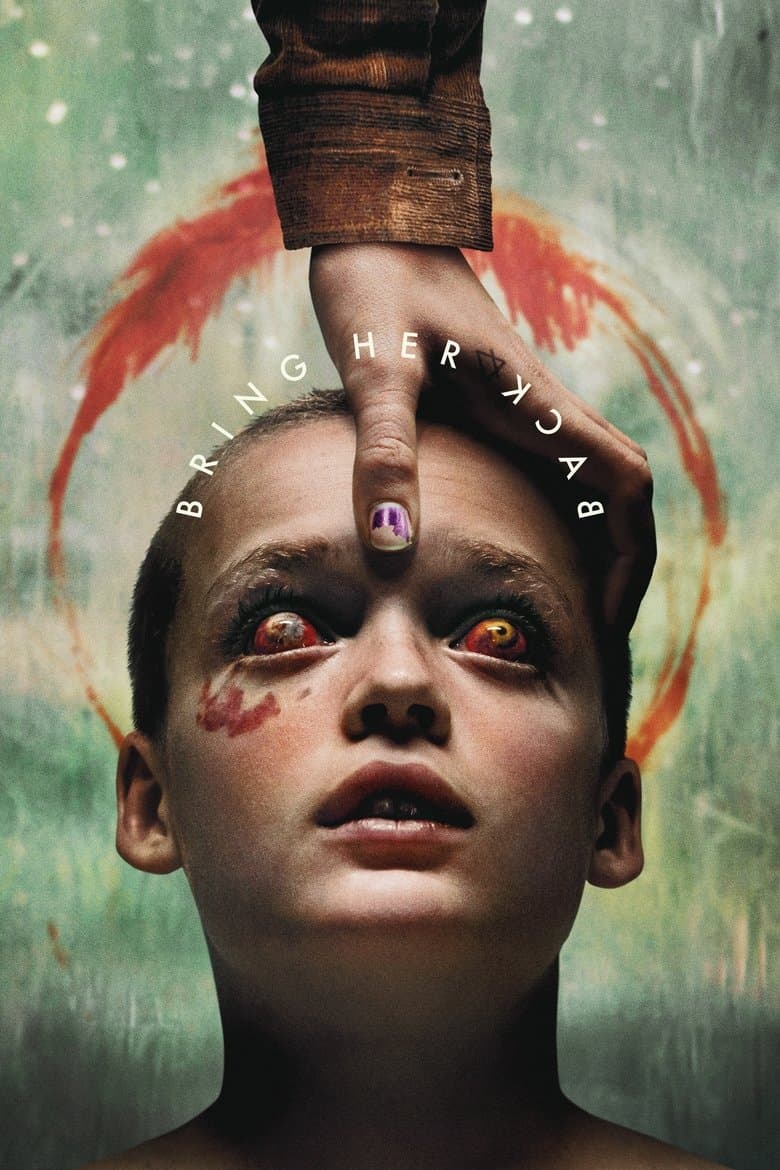
Movie · 2025
Following the death of their father, a brother and sister are sent to live with a foster mother, only to learn that she is hiding a terrifying secret.
