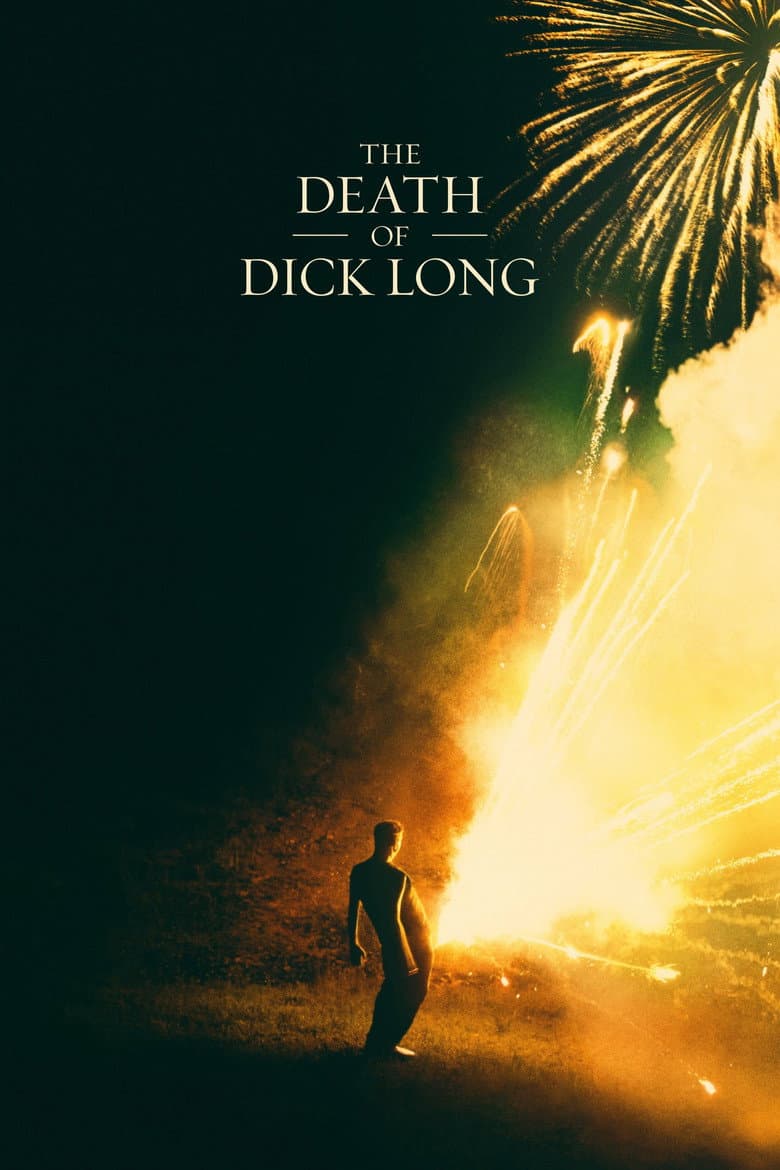
The Death of Dick Long follows Zeke Olsen and Earl Wyeth, two foolish Alabama bandmates who leave their friend Dick outside a hospital after a night of drinking, drugs, fireworks, and a deadly accident. Zeke rushes home to his wife Lydia and young daughter, while Earl tries to keep working and stay out of sight. Small-town police begin asking questions as the men make one bad lie after another. The movie mixes grim crime, crude shock humor, and sad family drama.
The main theme is the damage caused by secrecy and shame. Zeke has hidden a long-running sexual secret from his wife, and the truth breaks the safe family life he worked to protect. The film shows male friendship as a place where fear and desire stay hidden behind drinking, loud music, and jokes. It also shows the women and children left to face the results of the men's choices. Its unusual sex subject and empathy for damaged men are central to the plot, but the movie does not turn them into a modern political message.
Community feedback
Was our 36% Woke rating accurate?
Breakdown
These are the editorial factors and ratings behind our score for The Death of Dick Long.
Woke representation / casting
Not present. The movie uses a mostly white Alabama cast with a few supporting actors from other backgrounds, but it does not make race, gender, or sexuality a casting message. No major role is framed as a diversity statement.
0%
Woke political dialogue
Not present. The movie has no speech or repeated line that promotes DEI, identity politics, or a modern activist cause. Its sexual jokes and gay insult are crude character humor, not woke political messaging.
0%
Identity-driven story themes
The movie centers on a secret sexual practice shared by three men. Zeke hides it from his wife for years, and the reveal breaks his family life. The story also shows men hiding fear and desire behind drinking, jokes, and loud music. This is a clear sex and male-identity theme, but it does not support LGBTQ rights, DEI, or a current activist cause.
31%
Western institutional / cultural critique
The movie repeatedly shows macho male friendship, emotional hiding, and irresponsible husbands. The film treats this behavior as pathetic and harmful, while women and children face the damage. The story criticizes empty male posturing and the pressure to hide feelings. It stays focused on personal choices and does not attack capitalism, religion, or Western institutions.
39%
Woke character or canon changes
Not relevant. The film is an original story about Alabama friends and does not change an established character, canon, or historical figure.
0%
Anti-woke backlash and complaints
Not present. No clear anti-woke backlash was found. X research found no anti-woke reaction, and web discussions focus on the shocking sex reveal, crude humor, and dark comedy. No reported boycott or DEI complaint appears in the checked coverage.
0%
Creator track record context
Daniel Scheinert has a progressive public record and has defended LGBTQ+ stories and drag performers. Melodie Sisk has a repeated public focus on queer representation. Billy Chew’s public record centers on craft and Alabama stories, with no clear activist pattern. The wider creative team is mixed, so the creator context is noticeable but not dominant.
44%
Production
Movie · 2017
The true story of pilot Barry Seal, who transported contraband for the CIA and the Medellin cartel in the 1980s.
Movie · 2017
After 20 years abroad, Mark Renton returns to Scotland and reunites with his old friends Sick Boy, Spud and Begbie.

Movie · 2025
A former Army Ranger and struggling father turns to robbing McDonald’s restaurants by cutting holes in their roofs, earning him the nickname "Roofman." After escaping prison, he…
Movie · 2025
A retired hitman's life is turned upside down when his ex-wife and son arrive unannounced during the holidays because they are on the run from his former mob associates.
Movie · 2017
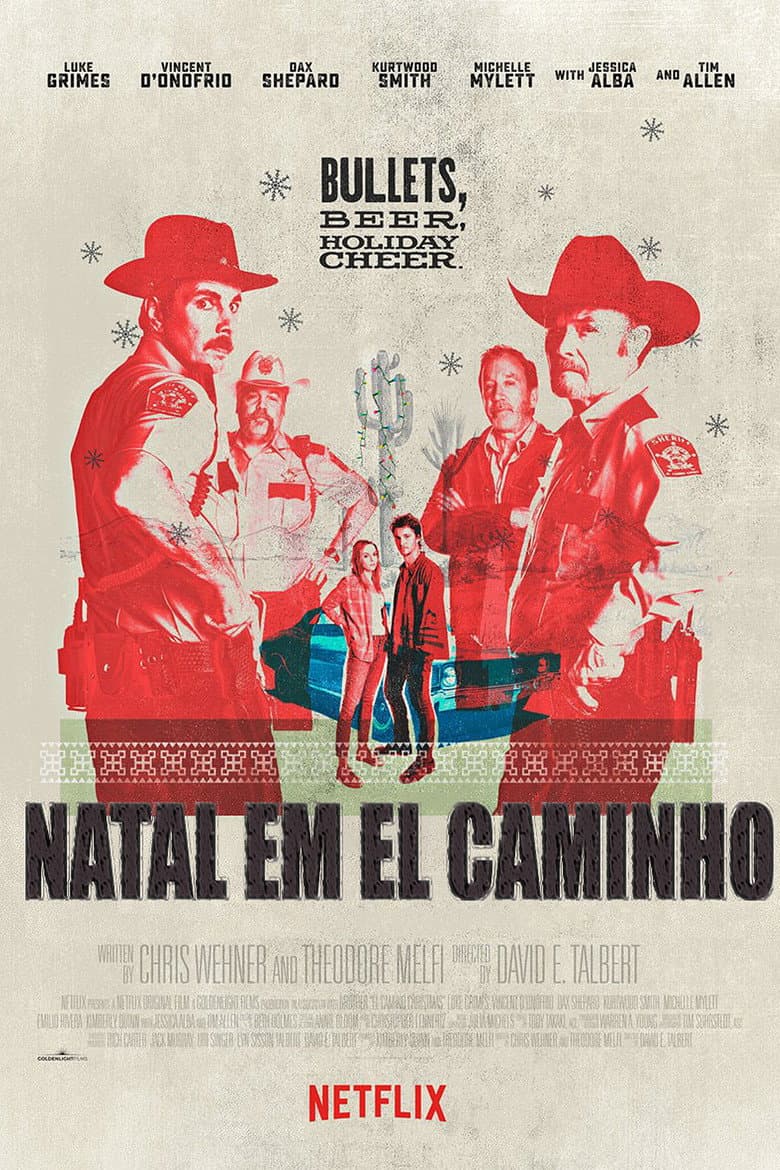
A young man seeking a father he has never met, through no fault of his own, ends up barricaded in a liquor store with five other people on Christmas Eve in the fictitious town of…
Movie · 2016
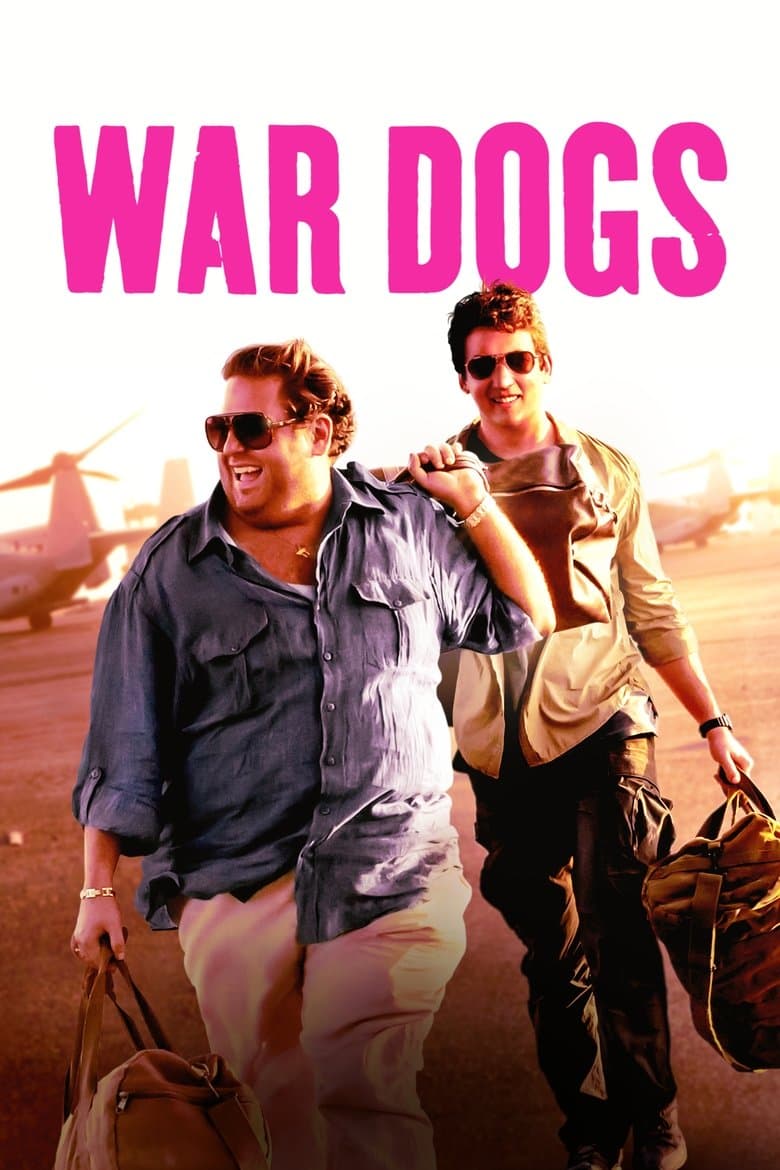
Based on the true story of two young men, David Packouz and Efraim Diveroli, who won a $300 million contract from the Pentagon to arm America's allies in Afghanistan.

Movie · 2017
Lynn, a brilliant student, after helping her friends to get the grades they need, develops the idea of starting a much bigger exam-cheating business.

Movie · 2017
When a depressed woman is burglarized, she finds a new sense of purpose by tracking down the thieves alongside her obnoxious neighbor.
