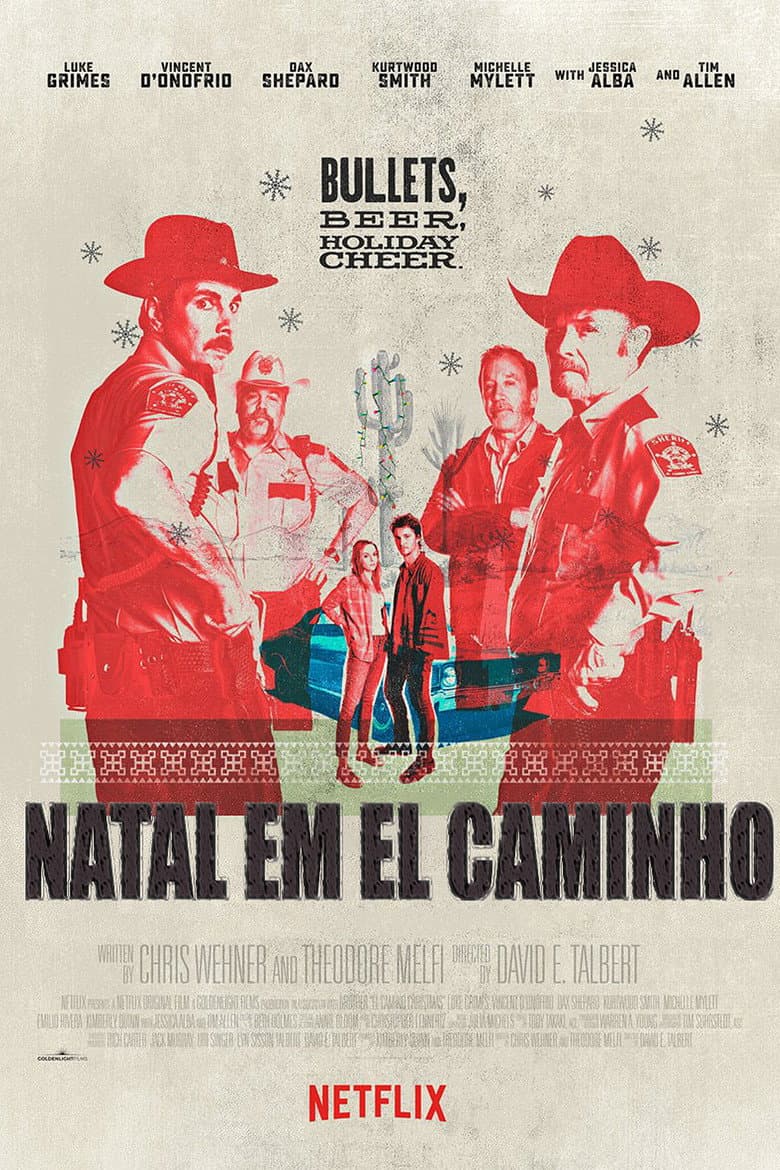
Eric Norris drives from Missouri to the desert town of El Camino, Nevada, to find the father he has never met. A drunk local officer mistakes Eric for a drug dealer, beats him, and turns a roadside clash into a hostage crisis. Eric ends up trapped inside a liquor store with his father, a store owner, a single mother, her young son, and the same officer. The movie mixes dark jokes, family pain, gunfire, and Christmas songs instead of warm holiday cheer.
The film gives the police a major role, and it shows them as corrupt, careless, and often foolish rather than trusted protectors. Kate is a tired single mother, and her young son may be on the autism spectrum. Eric and Larry face old family wounds while the people in the store slowly share their fears and secrets. The movie’s main ideas concern family, guilt, bad luck, and the cost of foolish choices.
Community feedback
Was our 17% Woke rating accurate?
Breakdown
These are the editorial factors and ratings behind our score for El Camino Christmas.
Woke representation / casting
Not present. The cast includes Latino, Latina, and Asian supporting characters in a present-day Nevada story, but that mix is plausible for the setting and is not presented as a diversity statement. The film does not use race, gender, or another identity as a special heroic message.
0%
Woke political dialogue
Not present. Characters mention false arrests, a government sex scandal, and a senator’s financial tie to a drug company, but those lines concern corruption in the plot. The movie has no recurring dialogue about DEI, identity politics, or activist causes.
0%
Identity-driven story themes
Not present. The movie follows family loss, drinking, police mistakes, and a hostage crisis. Kate’s single motherhood and her son’s possible autism are personal details, not a message about identity or social policy.
0%
Western institutional / cultural critique
The movie repeatedly shows local police making false arrests, beating Eric, lying to reporters, and firing without control. This gives the story a mild anti-police and anti-institution edge. The film treats the behavior as dark comedy and local incompetence, not as a wider activist attack on Western culture or social norms.
15%
Woke character or canon changes
Not relevant. The film is an original story about fictional people. It does not change a known character, source, or real historical figure.
0%
Anti-woke backlash and complaints
Not present. X research found no anti-woke reaction, and web reviews mostly complained about the weak plot, violence, dark tone, and poor Christmas feel. No reviewed complaint said the movie pushed woke, DEI, or identity politics.
0%
Creator track record context
David E. Talbert has a repeated record of films and stage work centered on black characters and visibility. Lyn Sisson-Talbert has a similar representation-focused career. Theodore Melfi co-wrote Hidden Figures, which focuses on black women at NASA and the barriers they faced. The other credited producers and casting directors have mixed or low public records for this kind of work, and this movie itself is not framed around those ideas.
45%
Production
Movie · 2018
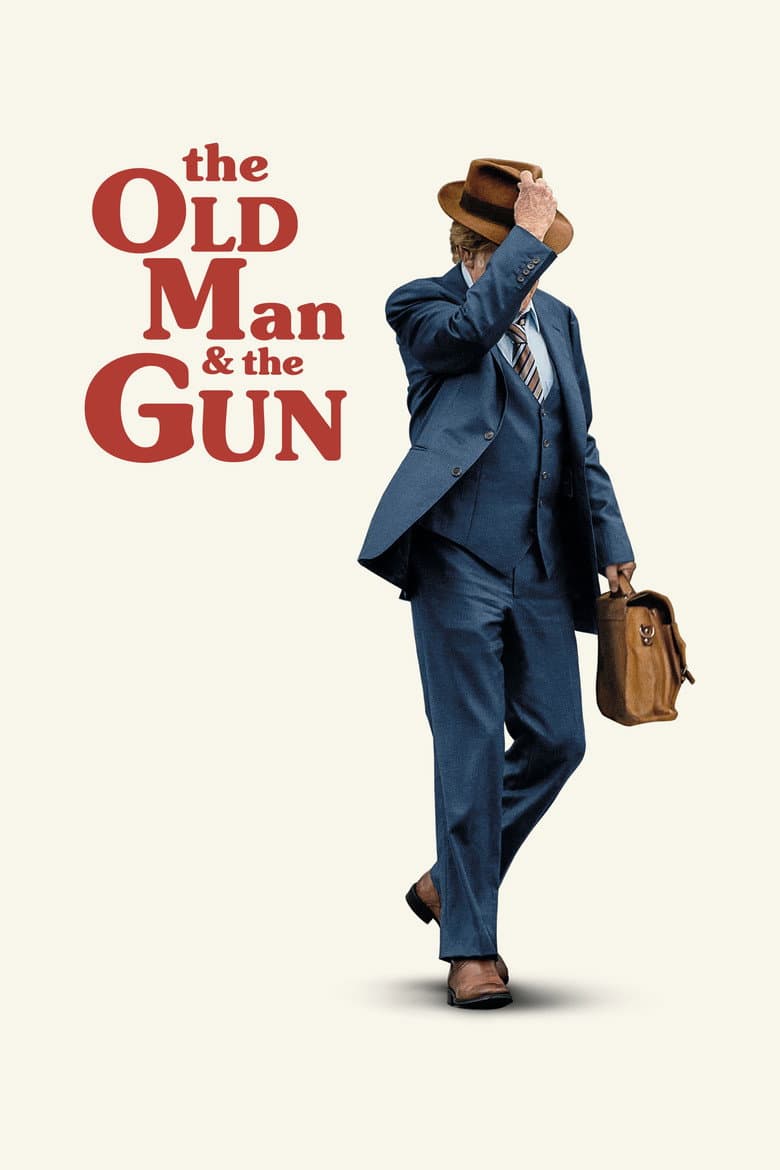
The true story of Forrest Tucker, from his audacious escape from San Quentin at the age of 70 to an unprecedented string of heists that confounded authorities and enchanted the…

Movie · 2017
When a depressed woman is burglarized, she finds a new sense of purpose by tracking down the thieves alongside her obnoxious neighbor.
Movie · 2025
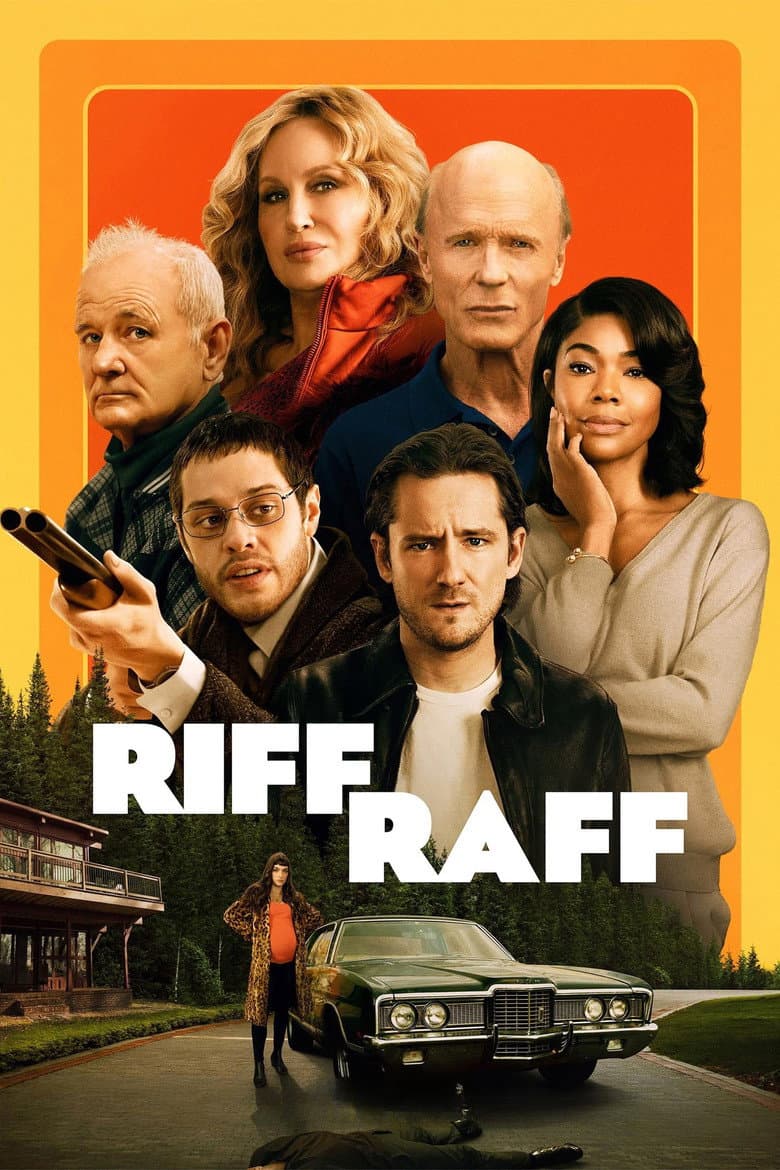
A retired hitman's life is turned upside down when his ex-wife and son arrive unannounced during the holidays because they are on the run from his former mob associates.
Movie · 2017
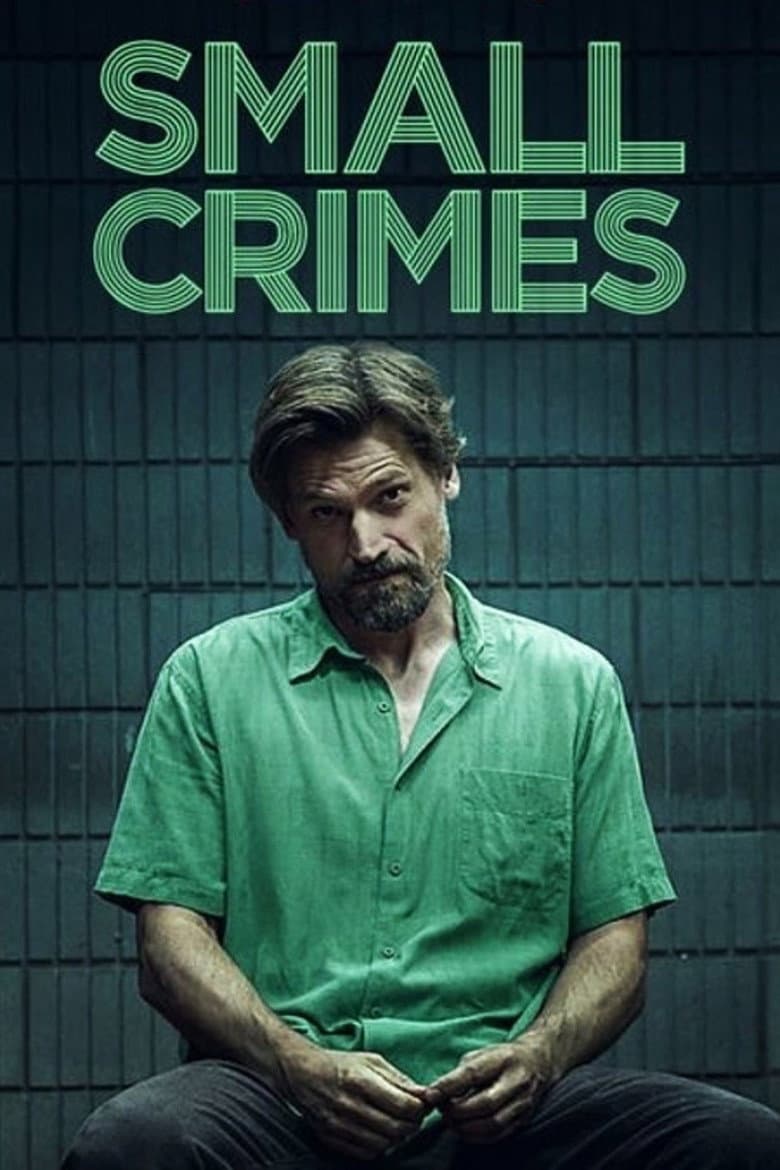
A disgraced former cop, fresh off a six-year prison sentence for attempted murder, returns home looking for redemption but winds up trapped in the mess he left behind.

Movie · 2017
Lynn, a brilliant student, after helping her friends to get the grades they need, develops the idea of starting a much bigger exam-cheating business.
Movie · 2017
The true story of pilot Barry Seal, who transported contraband for the CIA and the Medellin cartel in the 1980s.
Movie · 2016
When a Hollywood star mysteriously disappears in the middle of filming, the studio sends their fixer to get him back.

Movie · 2016
Based on the true story of two young men, David Packouz and Efraim Diveroli, who won a $300 million contract from the Pentagon to arm America's allies in Afghanistan.
