
Lynn is a quiet Thai high school student with a rare gift for mathematics and a strong need to protect her future. She wins a scholarship to an elite school, where she befriends Grace and meets Bank, another top student from a poor family. Grace and her rich boyfriend Pat ask Lynn to help them cheat, and Lynn slowly turns small favors into a business. The plan grows into a tense international exam operation in Thailand and Australia, so the movie feels like a fast crime thriller with jokes, fear, and hard moral choices.
The film gives its main attention to money, school pressure, and the unfair gap between students who must earn scholarships and students whose parents can pay. Lynn and Bank are both gifted, but their choices change when Pat and Grace use wealth to buy better chances. The story shows teachers, fees, and exam rules being bent, yet it also shows cheating hurting trust and carrying serious costs. Lynn is a highly skilled female lead who drives the main plans, while Bank remains an equally important male rival and partner. The story ends as a warning about privilege, ambition, loyalty, and the price of treating life like a test.
Community feedback
Was our 16% Woke rating accurate?
Breakdown
These are the editorial factors and ratings behind our score for Bad Genius.
Woke representation / casting
Not present. The main cast fits the Thai school setting. Lynn is a gifted girl, but the film does not frame her casting as a diversity or identity statement.
0%
Woke political dialogue
Not present. The dialogue focuses on cheating, money, school rules, and personal choices. It does not push modern identity, DEI, or activist ideas.
0%
Identity-driven story themes
The film repeatedly contrasts scholarship students Lynn and Bank with wealthy students Pat and Grace. The plot shows money buying access while poorer students carry more risk. This gives the movie a clear but mild message about the gap between rich and poor. The story presents that issue through cheating, suspense, and guilt.
28%
Western institutional / cultural critique
Not present. The film criticizes Thai school rules, fees, and exam pressure. It does not attack Western culture, Christianity, family life, or traditional gender roles.
0%
Woke character or canon changes
Not relevant. The film is a fictional story inspired by a cheating news report. It does not make identity-related changes to a known character, canon, or historical figure.
0%
Anti-woke backlash and complaints
Not present. No sustained complaints said that the 2017 film pushes woke, DEI, or identity-politics content. Public reaction found in the research was mostly positive.
0%
Creator track record context
Most of the key creators have mainly commercial careers and little public political activism. The director has discussed school pressure and problems in rigid education systems. Producer Jira Maligool has a past film with strong queer representation, but that work is separate from this movie. The overall creator signal is low.
10%
Production
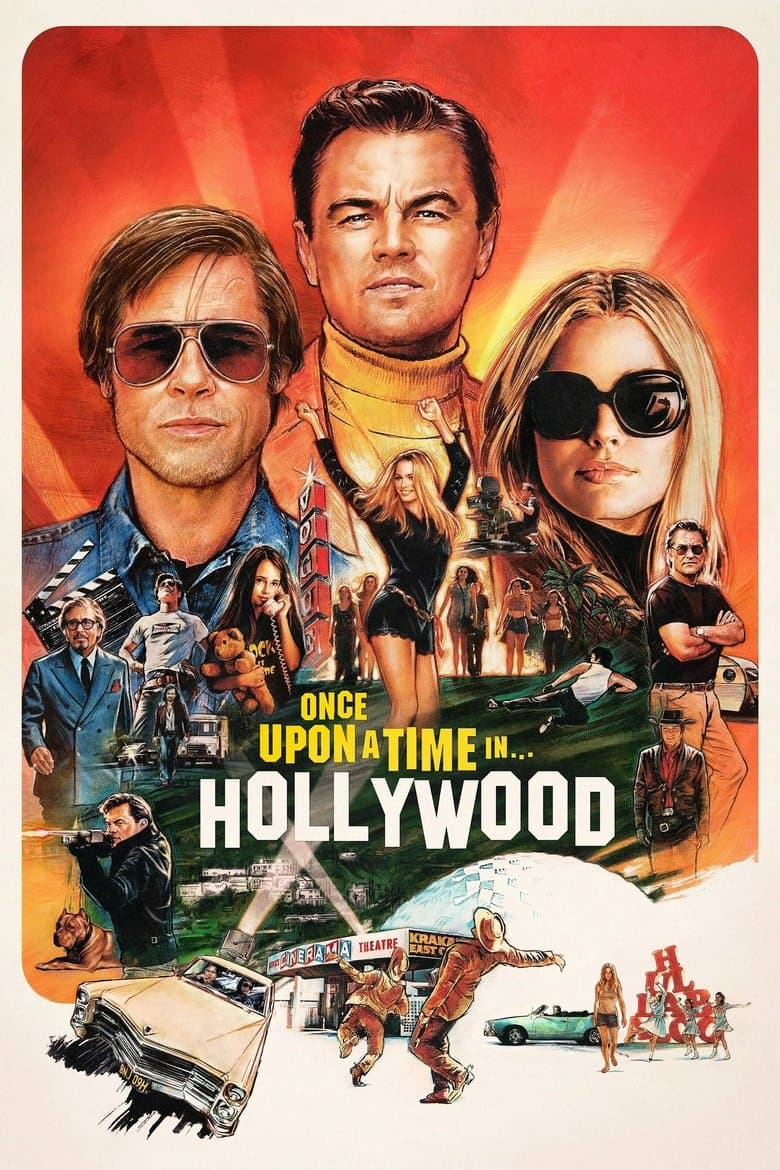
Movie · 2019
Los Angeles, 1969. TV star Rick Dalton, a struggling actor specializing in westerns, and stuntman Cliff Booth, his best friend, try to survive in a constantly changing movie…
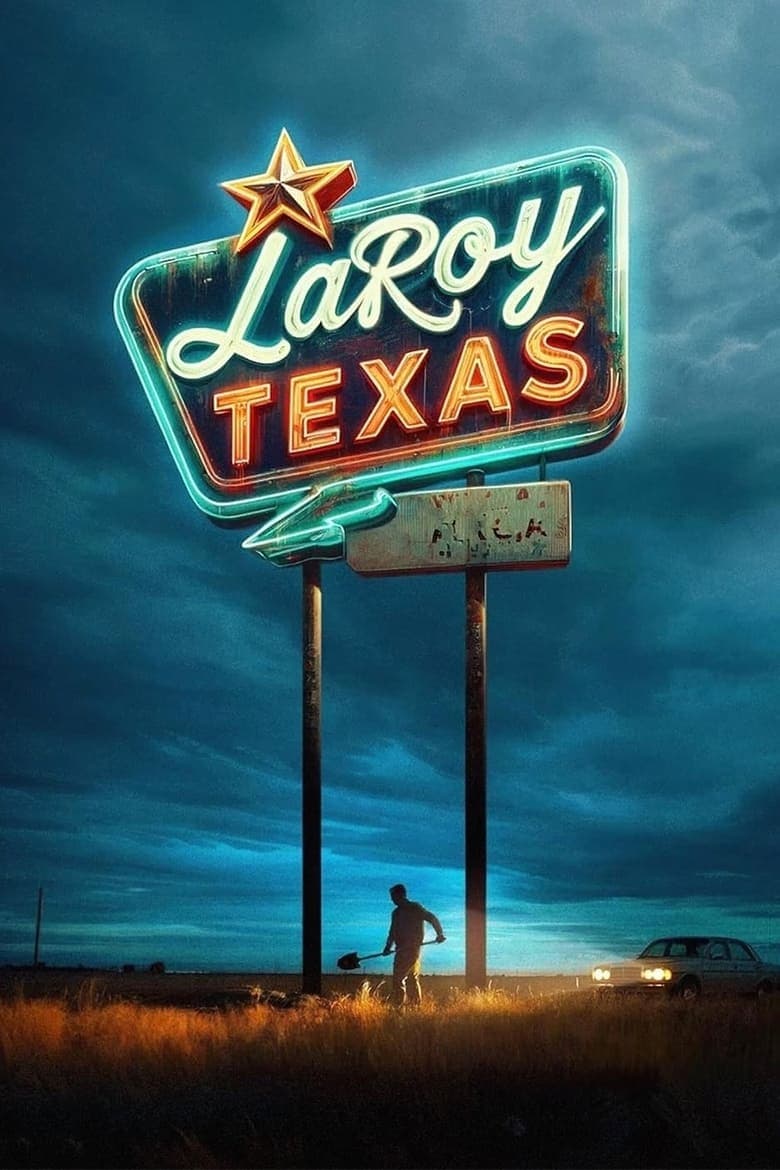
Movie · 2024
Broke and depressed, Ray is mistaken for a dangerous hitman and given an envelope of cash. Along with his P.I.
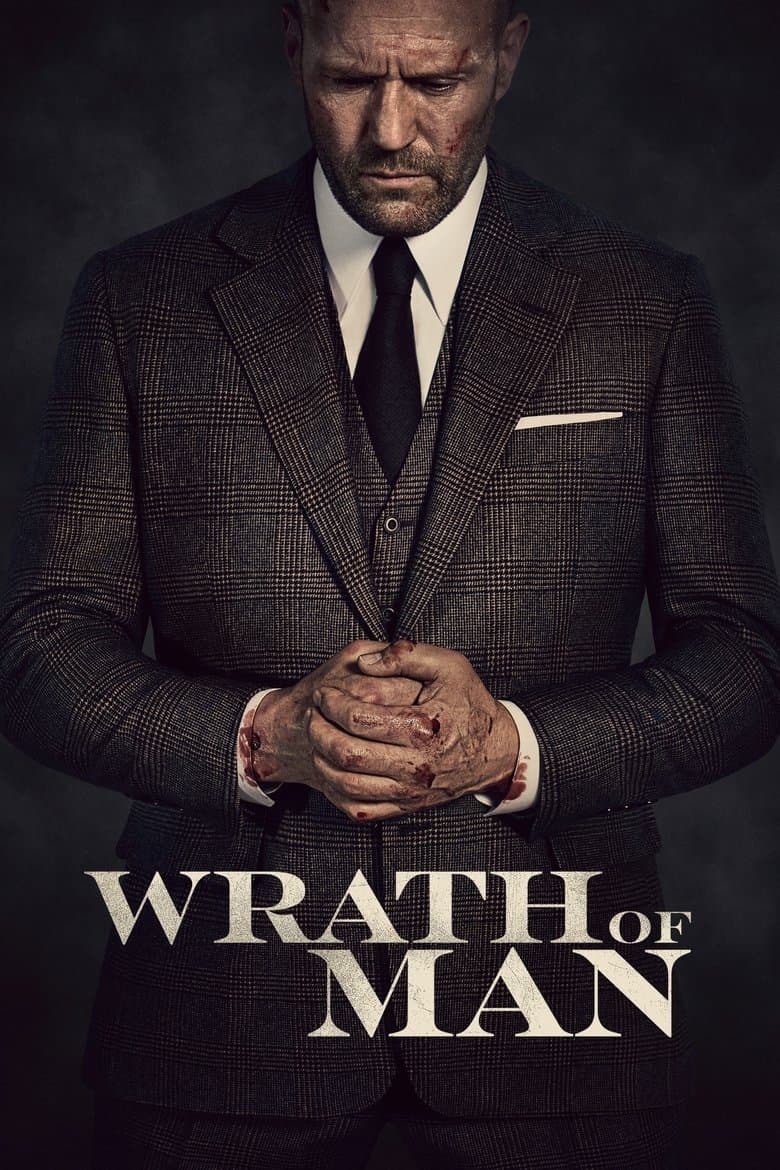
Movie · 2021
A cold and mysterious new security guard for a Los Angeles cash truck company surprises his co-workers when he unleashes precision skills during a heist.
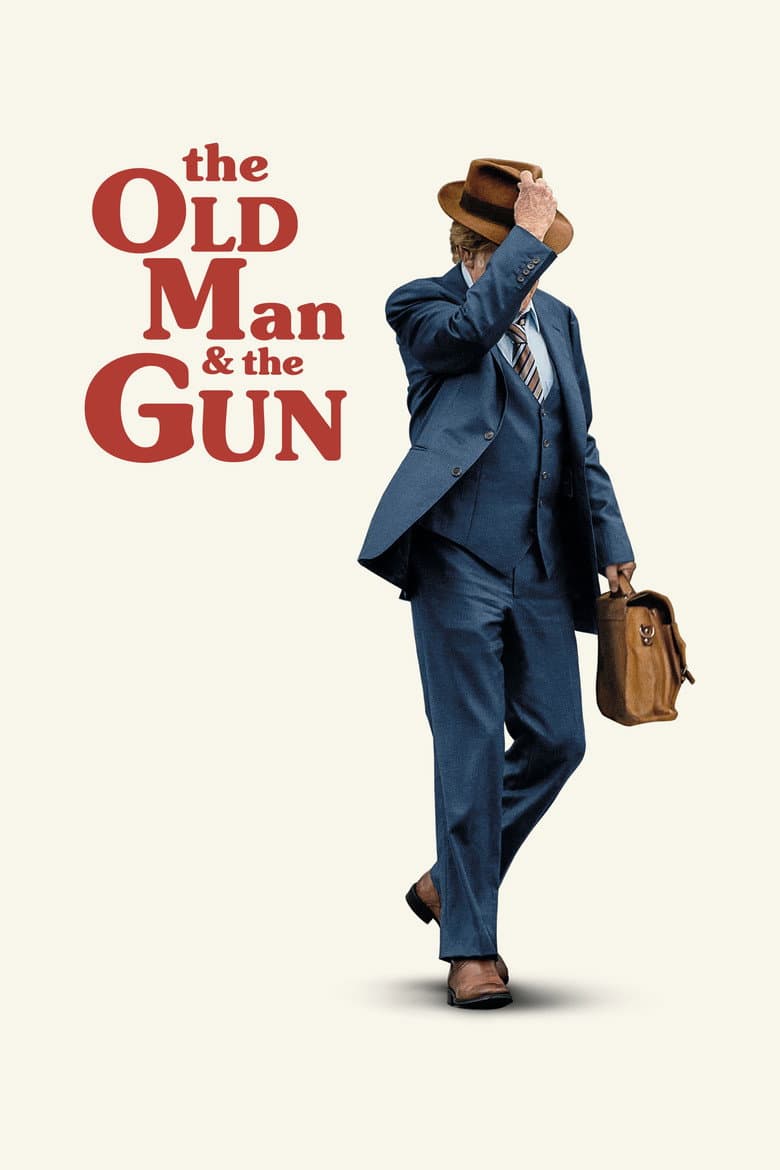
Movie · 2018
The true story of Forrest Tucker, from his audacious escape from San Quentin at the age of 70 to an unprecedented string of heists that confounded authorities and enchanted the…

Movie · 2017
When a depressed woman is burglarized, she finds a new sense of purpose by tracking down the thieves alongside her obnoxious neighbor.
Movie · 2017
A disgraced former cop, fresh off a six-year prison sentence for attempted murder, returns home looking for redemption but winds up trapped in the mess he left behind.
Movie · 2017
The true story of pilot Barry Seal, who transported contraband for the CIA and the Medellin cartel in the 1980s.
Movie · 2019
In the wake of his dramatic escape from captivity, Jesse Pinkman must come to terms with his past in order to forge some kind of future.
