
Movie review
January 19, 2017 · 96 min · R · Comedy · Crime · Thriller · Drama
Ruth Kimke is a depressed nursing assistant in Portland, Oregon, whose home is robbed. The police offer little help, so she joins her strange neighbor Tony to find her laptop, medicine, and her grandmother's silver. Their search pulls them into a robbery plan and a violent clash with a criminal family. The film mixes dry jokes, sadness, sudden gore, and a hopeful friendship.
The film centers on Ruth's anger at rude behavior, selfishness, careless drivers, dirty neighbors, and police inaction. It turns her search for stolen property into a violent lesson about justice, anger, and personal limits. Her friendship with Tony gives her a reason to keep going and offers a small return to hope. The film's social message asks people to show basic kindness and care for one another.
Community feedback
Was our 3% Woke rating accurate?
Breakdown
These are the editorial factors and ratings behind our score for I Don't Feel at Home in This World Anymore.
Woke representation / casting
Not present in this title.
0%
Woke political dialogue
Not present. No explicit political, activist, or identity-based dialogue; conversations stay personal and focus on everyday rudeness and individual purpose.
0%
Identity-driven story themes
Not present. Core story follows personal alienation, loss, and vigilante action in a misanthropic world without race, gender, sexuality, or representation-focused plotlines.
0%
Western institutional / cultural critique
Not present in this title.
0%
Woke character or canon changes
Not relevant. this is an original story with no source material, established characters, or historical figures altered for identity or ideological reasons.
0%
Anti-woke backlash and complaints
Not present. No anti-woke or right-leaning complaints exist; searches show zero public accusations of the film pushing DEI, identity politics, or left-wing messaging.
0%
Creator track record context
Macon Blair has a background in independent crime and dark comedy films. Blair connected this film to a feeling that the world was falling apart and to a plea for everyday decency. Lynskey linked its anger to the political mood after the 2016 election and spoke about health care and a first female president. These comments add mild political context, but they do not show a repeated identity-politics pattern.
13%
Production

Movie · 2017
Lynn, a brilliant student, after helping her friends to get the grades they need, develops the idea of starting a much bigger exam-cheating business.

Movie · 2016
Based on the true story of two young men, David Packouz and Efraim Diveroli, who won a $300 million contract from the Pentagon to arm America's allies in Afghanistan.

Movie · 2017
The true story of pilot Barry Seal, who transported contraband for the CIA and the Medellin cartel in the 1980s.
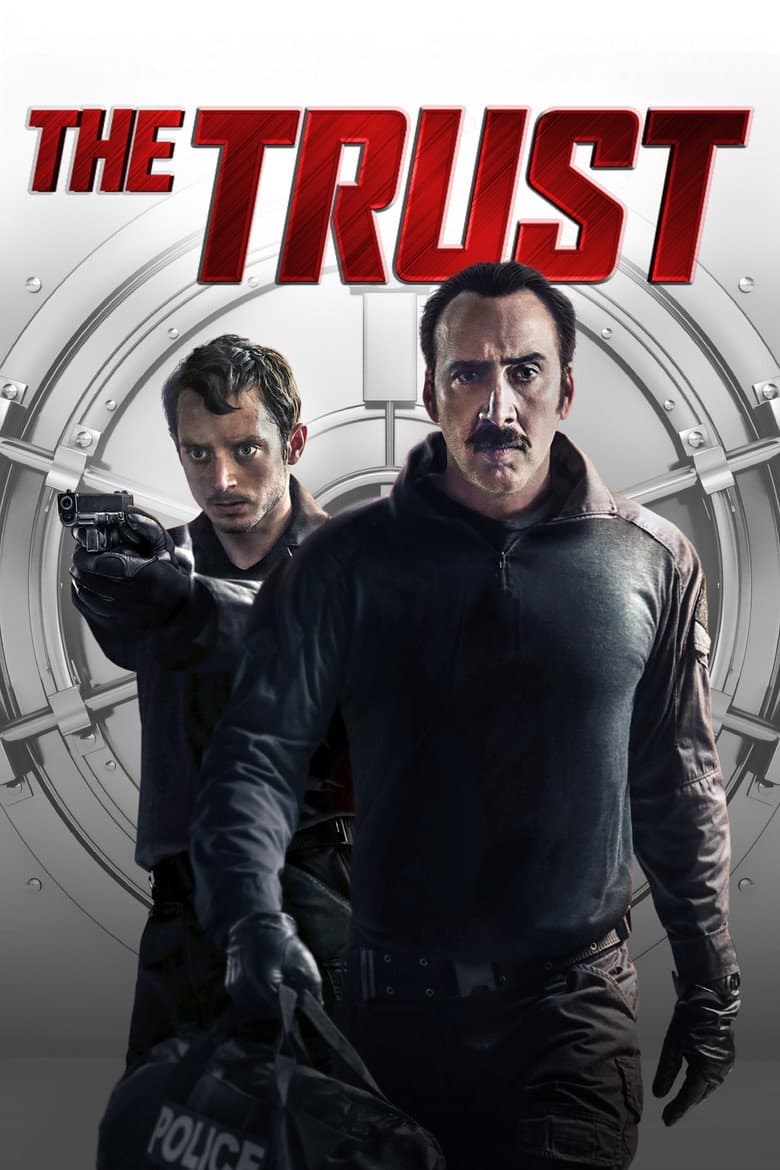
Movie · 2016
A pair of cops investigating a drug invasion stumble upon a mysterious bank vault.
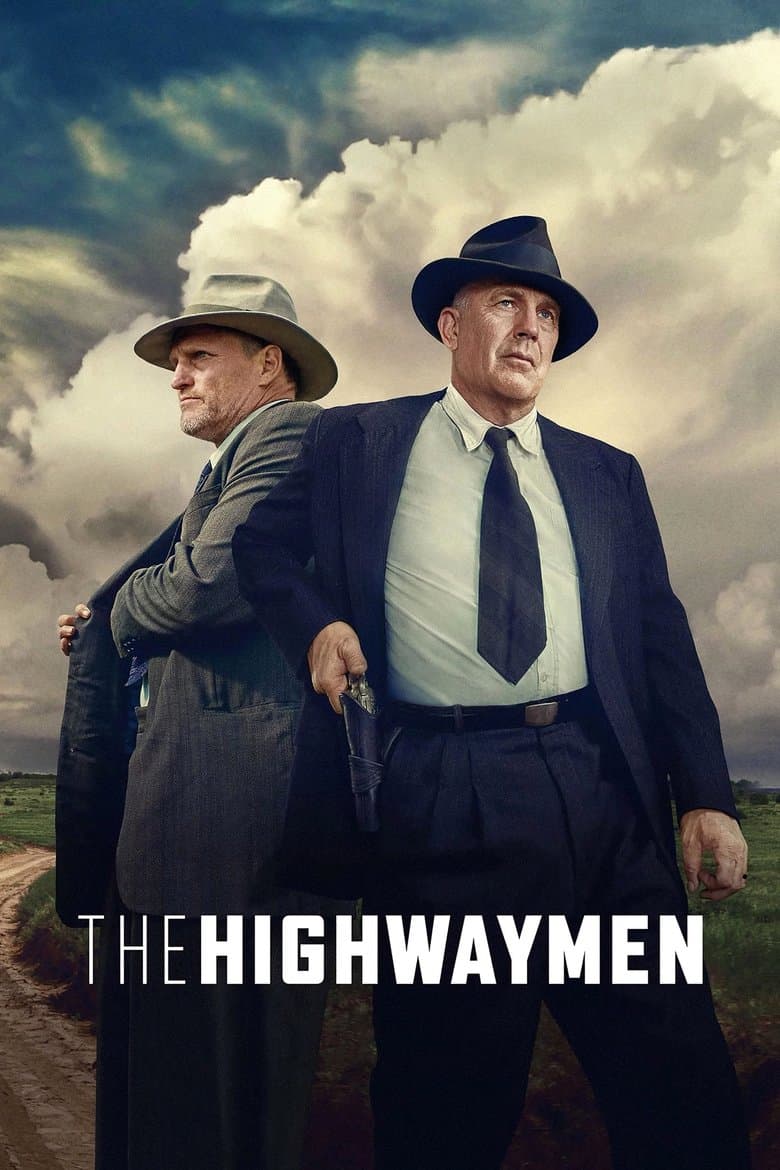
Movie · 2019
In 1934, Frank Hamer and Manny Gault, two former Texas Rangers, are commissioned to put an end to the wave of vicious crimes perpetrated by Bonnie Parker and Clyde Barrow, a…

Movie · 2017
A disgraced former cop, fresh off a six-year prison sentence for attempted murder, returns home looking for redemption but winds up trapped in the mess he left behind.
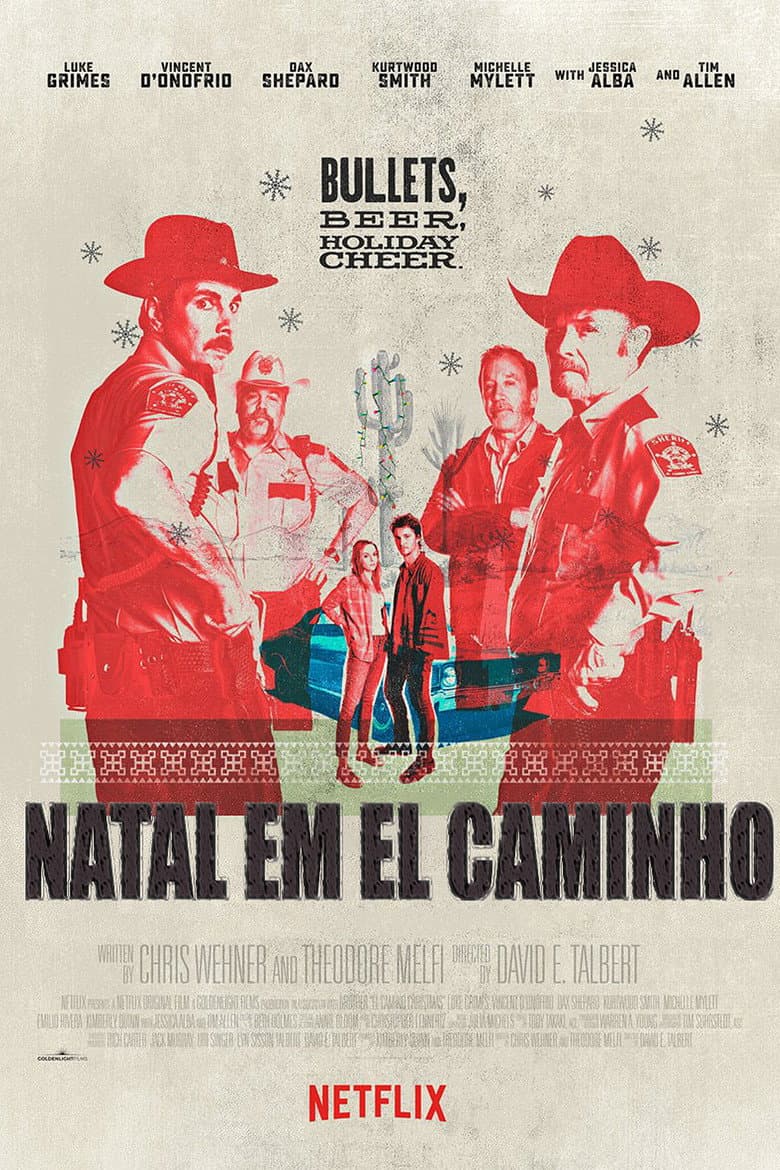
Movie · 2017
A young man seeking a father he has never met, through no fault of his own, ends up barricaded in a liquor store with five other people on Christmas Eve in the fictitious town of…

Movie · 2019
In New York, former convict Pete Koslow, related to the Polish mafia, must deal with both Klimek the General, his ruthless boss, and the twisted ambitions of two federal agents…
