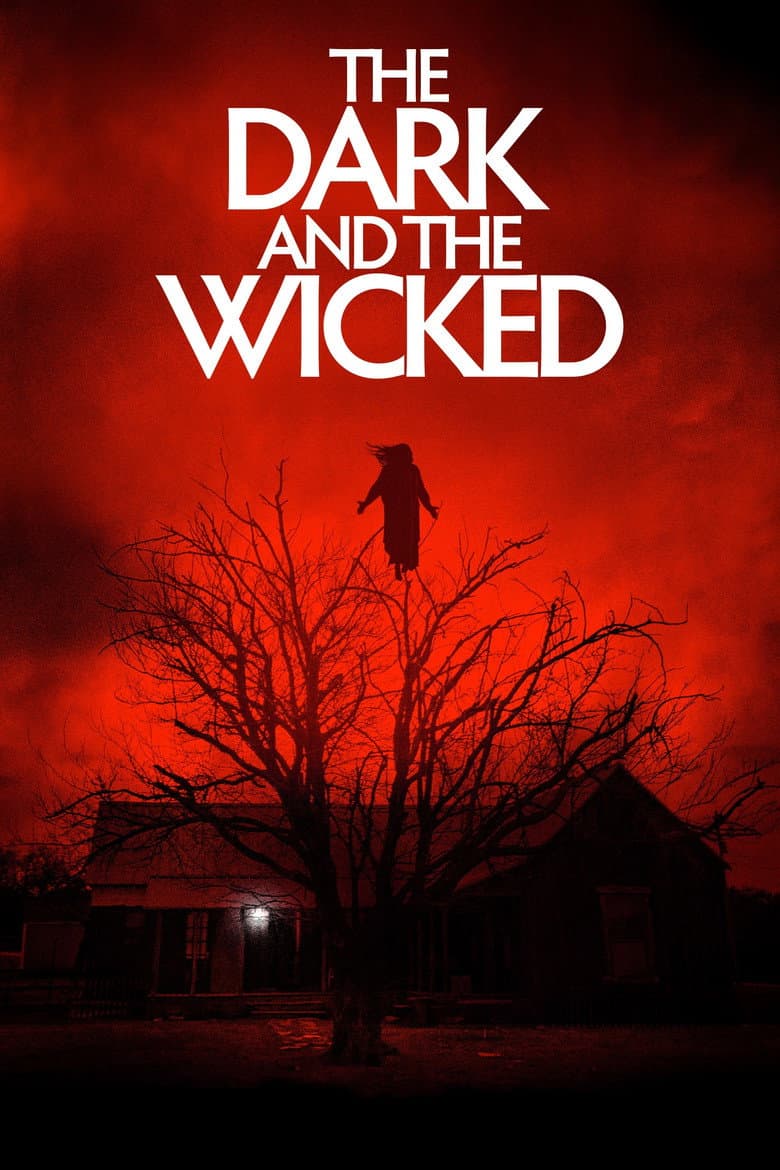
The Dark and the Wicked follows Louise and her brother Michael when they return to their remote Texas farm because their father is dying. Their mother is already broken by grief, and the family soon faces a force that twists fear, memory, and guilt. The siblings argue about whether to stay, leave, or trust what they see. The film uses a slow pace, empty fields, dark rooms, and sudden violence to create a bleak supernatural horror story.
The main ideas concern death, family duty, loneliness, and old wounds between parents and children. Louise stays near her father and tries to protect him, while Michael runs back to his wife and daughters when the danger grows. A priest, a nurse, and the family’s talk about God bring religious fear into the story, but the film offers no clear rescue or answer. The evil force attacks people through grief and false visions, so the story stays focused on isolation, helplessness, and the pain of watching family members fade.
Community feedback
Was our 7% Woke rating accurate?
Breakdown
These are the editorial factors and ratings behind our score for The Dark and the Wicked.
Woke representation / casting
Not present. The main cast is a mostly white group in a rural Texas family and nearby community. The film does not call attention to race, sexuality, or diversity in its casting.
0%
Woke political dialogue
Not present. The dialogue deals with the devil, death, belief in God, and family duty. It contains no clear modern political or activist message.
0%
Identity-driven story themes
Not present. The story focuses on grief, family distance, aging, suicide, and fear of death. It does not build its conflict around race, gender, sexuality, or another identity group.
0%
Western institutional / cultural critique
Michael says that his family does not believe in God, and a priest arrives with warnings about the devil. The priest later seems to be a false or evil figure, so Christian guidance gives the family no safety. This creates a brief image of religion as powerless or dangerous. The film uses that idea for supernatural horror and does not turn it into a modern activist attack on Western culture.
12%
Woke character or canon changes
Not relevant. The film is an original story about a Texas family. It does not change established characters, canon, or real historical figures.
0%
Anti-woke backlash and complaints
Not present. No anti-woke backlash was found in the reviewed news, audience posts, or supplied X pass. The available reaction discusses fear, grief, religion, the bleak ending, and unclear plot logic instead.
0%
Creator track record context
Bryan Bertino, the writer-director, has a cached score of 2/100 and a career centered on horror about trauma and isolation. Most producers and the casting director also have cached scores of 0 to 2/100. Milan Chakraborty has a cached 30/100 score for later work at a studio focused on marginalized stories, and James Short has 15/100 for a women’s sports documentary. Those side records do not show up in this film.
4%
Production
Movie · 2022
A year after the Miles County massacre, Art the Clown is resurrected by a sinister entity. Art returns home, where he must hunt down and destroy teenage Sienna and her younger…
Movie · 2024
A live broadcast of a late-night talk show in 1977 goes horribly wrong, unleashing evil into the nation's living rooms.
Movie · 2020
Six friends hire a medium to hold a séance via Zoom during lockdown — but they get far more than they bargained for as things quickly go wrong.
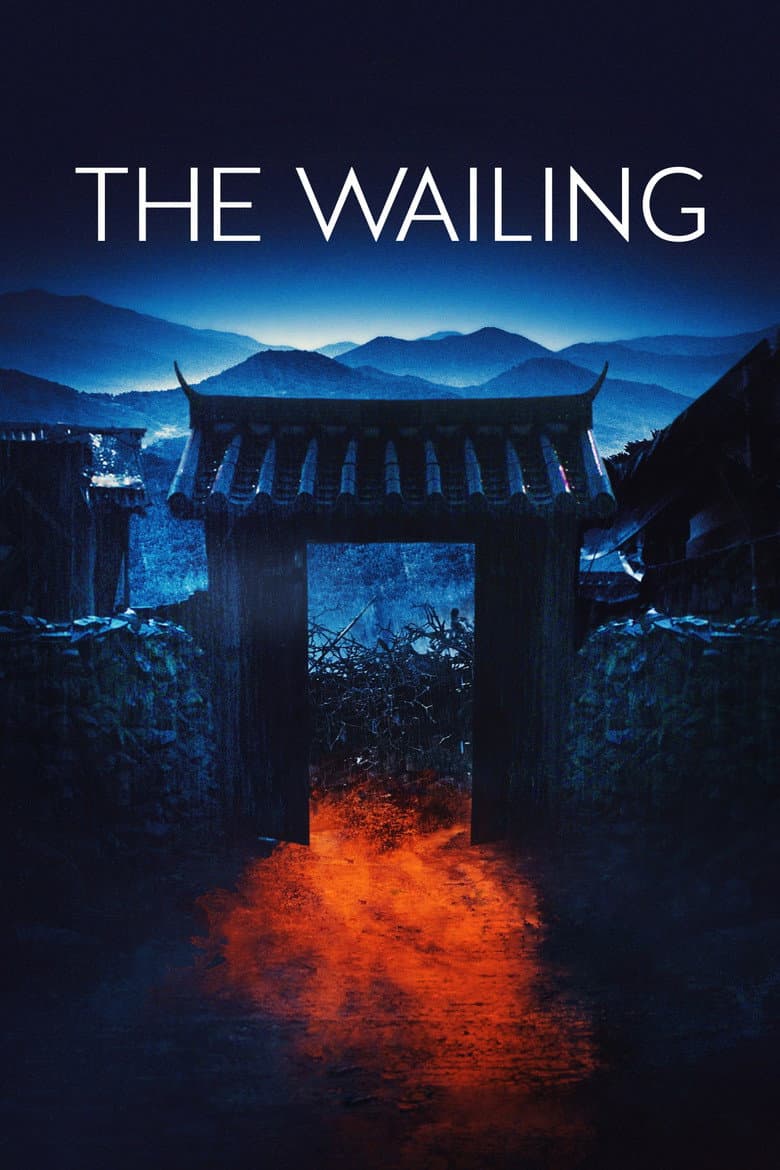
Movie · 2016
A stranger arrives in a little village and soon after a mysterious sickness starts spreading. A policeman is drawn into the incident and is forced to solve the mystery in order to…
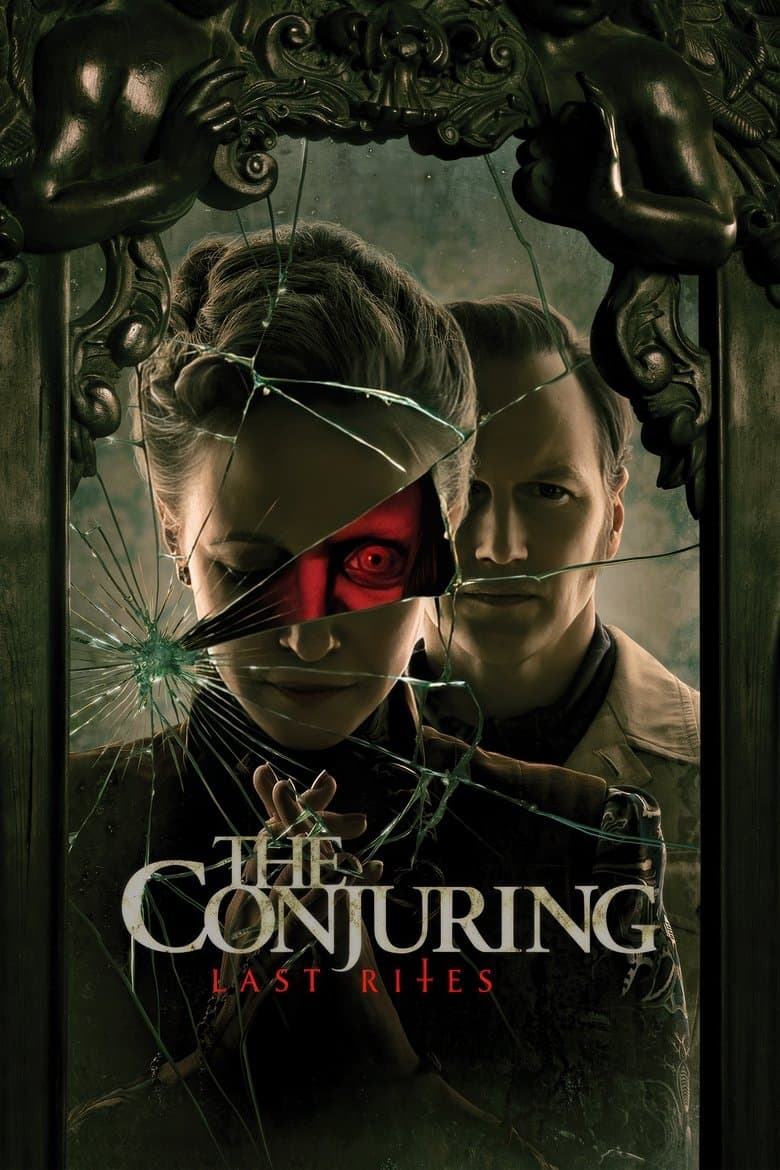
Movie · 2025
Paranormal investigators Ed and Lorraine Warren take on one last terrifying case involving mysterious entities they must confront.
Movie · 2024
A boy and his stepmother fear for their safety after an eerie creature resembling the boy's recently deceased father visits them.
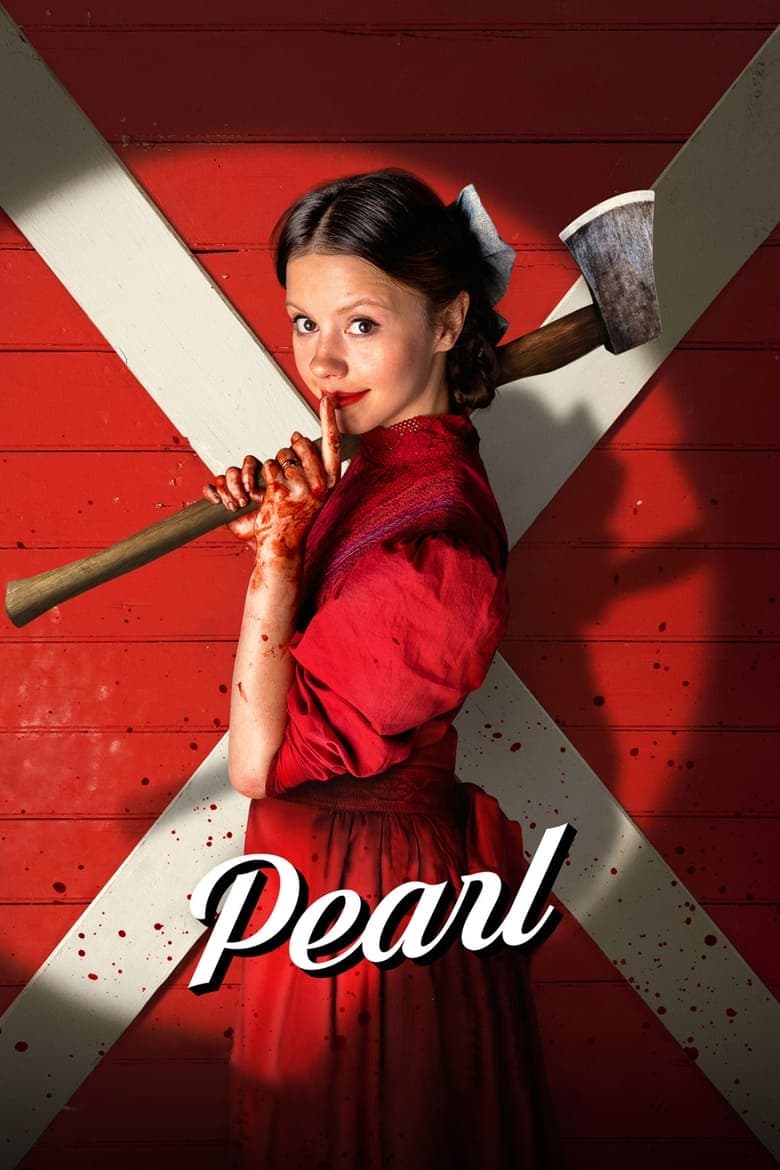
Movie · 2022
Trapped on her family’s isolated farm, Pearl must tend to her ailing father under the bitter and overbearing watch of her devout mother.
Movie · 2022
Inspired by the true story of a family who believed they were possessed by spirits. This film follows a woman who must protect her child from a curse.
