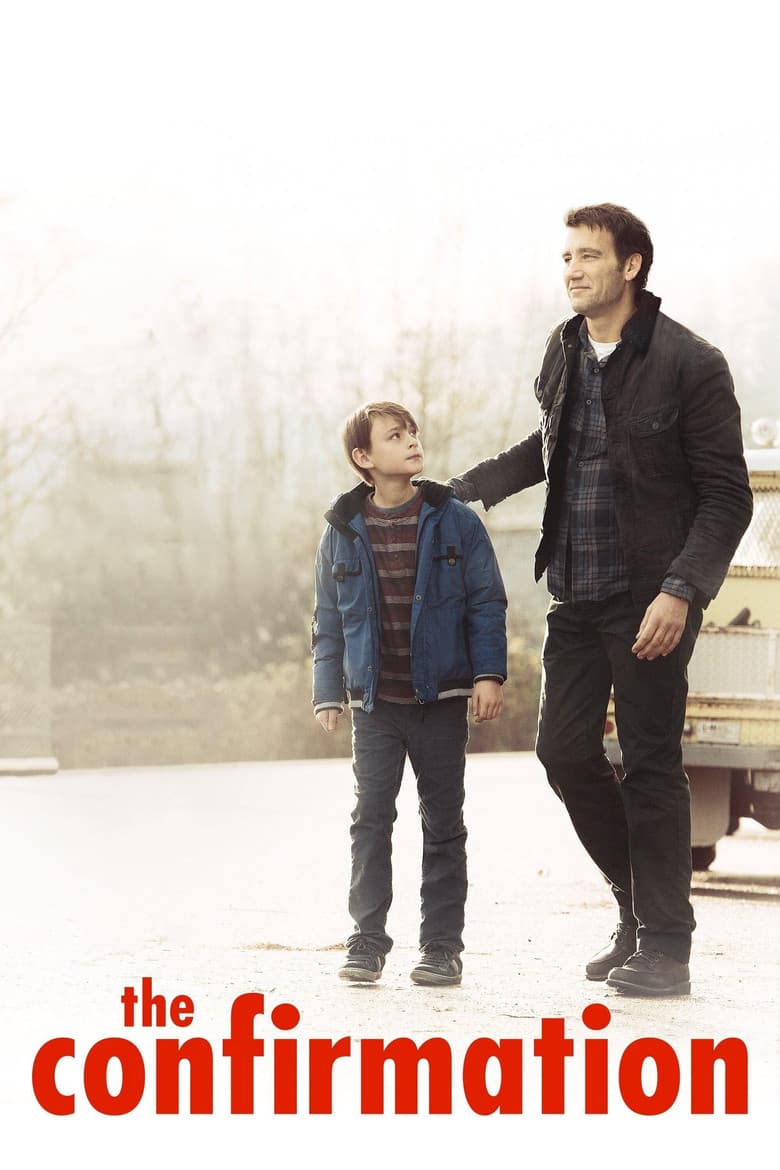
The Confirmation follows Walt, a divorced carpenter who has lost his home, money, and regular work because of drinking. He gets one weekend with his eight-year-old son, Anthony, while Anthony’s mother and stepfather attend a Catholic retreat. When thieves steal Walt’s family toolbox, father and son search a poor Washington town for the men who took it. The trip becomes a rough, funny, and sometimes dangerous lesson about trust and being a good father.
The film uses Catholic confession and a coming confirmation to frame Anthony’s questions about sin, truth, and forgiveness. Walt does not know if God is real, so he tells Anthony to attend church for his mother and decide what he believes when he is older. The story also shows low wages, unstable work, divorce, hunger, drinking, and small thefts among people who are struggling. These ideas support a human story about family, work, and moral choices, while the ending gives forgiveness more weight than perfect behavior.
Community feedback
Was our 8% Woke rating accurate?
Breakdown
These are the editorial factors and ratings behind our score for The Confirmation.
Woke representation / casting
Not present. The cast centers on a white father, his white son, and a local supporting group. The film does not make race, gender, sexuality, religion, or diversity part of its casting message.
0%
Woke political dialogue
Not present. The dialogue discusses Catholic faith, sin, drinking, work, and family duties. It does not push modern identity, DEI, or activist politics.
0%
Identity-driven story themes
Not present. The main themes are a father and son rebuilding trust, alcoholism, poverty, and forgiveness. The story does not make race, sex, sexuality, or group identity the main issue.
0%
Western institutional / cultural critique
The film shows low wages, unstable jobs, eviction, and people stealing from one another because they are desperate. The story treats these problems as part of hard times in a poor town. It does not attack capitalism, traditional family life, Christianity, or men as a group. The critique stays mild and supports the father-and-son story.
10%
Woke character or canon changes
Not relevant. The film is an original story about Walt and Anthony. Its link to The Bicycle Thief is an inspiration, not an identity change to an established character or real event.
0%
Anti-woke backlash and complaints
Not present. The supplied X check found no anti-woke reaction, and broader searches found no clear complaints that the film pushes DEI, identity politics, or left-wing messaging. Reviews mostly discussed family, faith, poverty, and acting.
0%
Creator track record context
Bob Nelson has a cached score of 8/100 and a mainly human, working-class body of work. His interviews about this film focus on his father, Catholic childhood, low wages, and unstable jobs, not identity politics. Producer Robert Friedman has a higher cached score because he later backed a queer-themed documentary, but that separate project does not shape this film. The other cached producer and casting scores are low.
13%
Production
Movie · 2019
Ten fishermen from Cornwall are signed by Universal Records and achieve a top ten hit with their debut album of Sea Shanties.

Movie · 2018
An American hypochondriac who is working as a baggage handler is forced to confront his fears when a British teenager with a terminal illness enlists him to help her carry out her…

Movie · 2022
Maurice Flitcroft, a dreamer and unrelenting optimist, managed to gain entry to The British Open Golf Championship qualifying in 1976 and subsequently shot the worst round in Open…

Movie · 2016
Aspiring New York City artist John Hollar returns to his Middle America hometown on the eve of his mother’s brain surgery.

Movie · 2017
Brigsby Bear Adventures is a children's TV show produced for an audience of one: James. When the show abruptly ends, James's life changes forever, and he sets out to finish the…

Movie · 2018
Tony Lip, a bouncer in 1962, is hired to drive pianist Don Shirley on a tour through the Deep South in the days when African Americans, forced to find alternate accommodations and…

Movie · 2016
The feel-good story of Michael 'Eddie' Edwards, an unlikely but courageous British ski-jumper who never stopped believing in himself—even as an entire nation was counting him out.

Movie · 2025
An eccentric lottery winner who lives alone on a remote island tries to make his fantasies come true by getting his favourite musicians to perform at his home.
