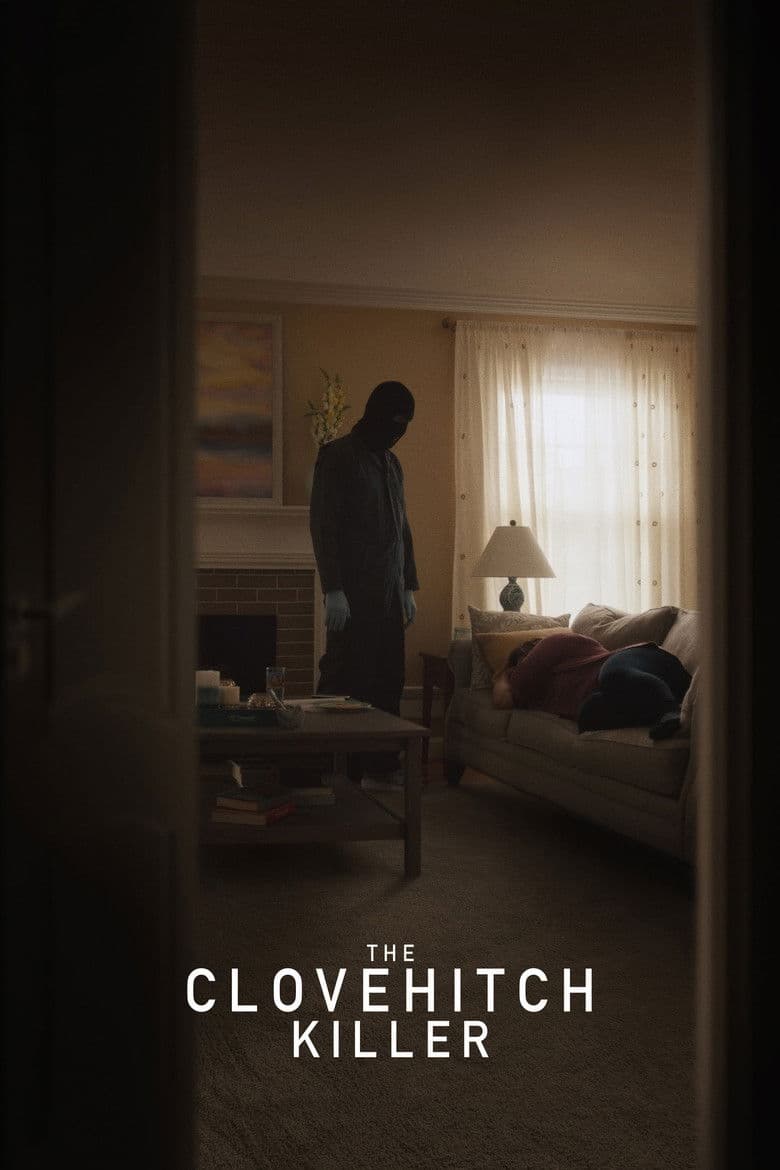
Tyler Burnside is a 16-year-old Boy Scout who lives with his church-going family in a quiet Kentucky town. The town still remembers the Clovehitch Killer, a man who bound and murdered women before disappearing. Tyler finds disturbing photos in his father Don’s truck and shed, so he starts to question the man he trusts most. The film uses a slow, quiet thriller style as a son tries to learn whether his father is a killer.
The film repeatedly questions the clean Christian family image that hides Don’s crimes. Church life, scouting, family duty, and polite small-town manners make Don look safe while he controls the people around him. Tyler and Kassi must choose between protecting a family and exposing a man tied to the deaths of many women. The story focuses on religious hypocrisy, family loyalty, sexual violence, and the fear that a respected father can hide evil in plain sight.
Community feedback
Was our 24% Woke rating accurate?
Breakdown
These are the editorial factors and ratings behind our score for The Clovehitch Killer.
Woke representation / casting
Not present. The main family and teen cast are white characters in a small Kentucky town. The film does not frame its casting as a diversity or identity statement.
0%
Woke political dialogue
Not present. The dialogue discusses faith, family duty, sex, and the murders. It contains no modern identity, DEI, or activist speech.
0%
Identity-driven story themes
Not present. The story centers on Tyler’s fear that his father is a serial killer. Kassi helps him because the killer may have murdered her mother. Don’s bondage and cross-dressing are tied to his crimes and are not presented as a queer identity or a political theme.
0%
Western institutional / cultural critique
The film repeatedly uses church life, Boy Scout leadership, and strict family duty as the public mask around Don’s crimes. The story shows Don using respect, fatherhood, and control to keep his family from facing the truth. The film treats the town’s clean Christian image as something that can hide serious evil. This criticism shapes the main mystery but stays tied to Don’s personal crimes.
40%
Woke character or canon changes
Not relevant. The killer and Burnside family are fictional. The film is only loosely inspired by the BTK case and does not change a known person or established character.
0%
Anti-woke backlash and complaints
Not present. A separate X search found no anti-woke reaction, boycott, or review-bombing. Audience discussion focuses on the ending, plot holes, and the disturbing family story. No clear anti-woke complaint about DEI, identity politics, or activist messaging was found.
0%
Creator track record context
Director Duncan Skiles has no documented history of political activism or identity-focused projects. Writer Christopher Ford has a low-profile record with no notable social-justice advocacy. Some producers have worked on projects about migration, racial inequality, civil-rights history, poverty, or culturally specific characters. That background gives a mild supporting signal, but it does not define this crime thriller.
20%
Production

Movie · 2018
Young and disenchanted Sam meets a mysterious and beautiful woman who's swimming in his building's pool one night.
Movie · 2023
Following the brutal murder of a young real estate agent, a hardened detective attempts to uncover the truth in a case where nothing is as it seems, and by doing so dismantles the…
Movie · 2016
When a Hollywood star mysteriously disappears in the middle of filming, the studio sends their fixer to get him back.
Movie · 2018
After suspecting that their police officer neighbor is a serial killer, a group of teenage friends spend their summer spying on him and gathering evidence, but as they get closer…
Movie · 2019
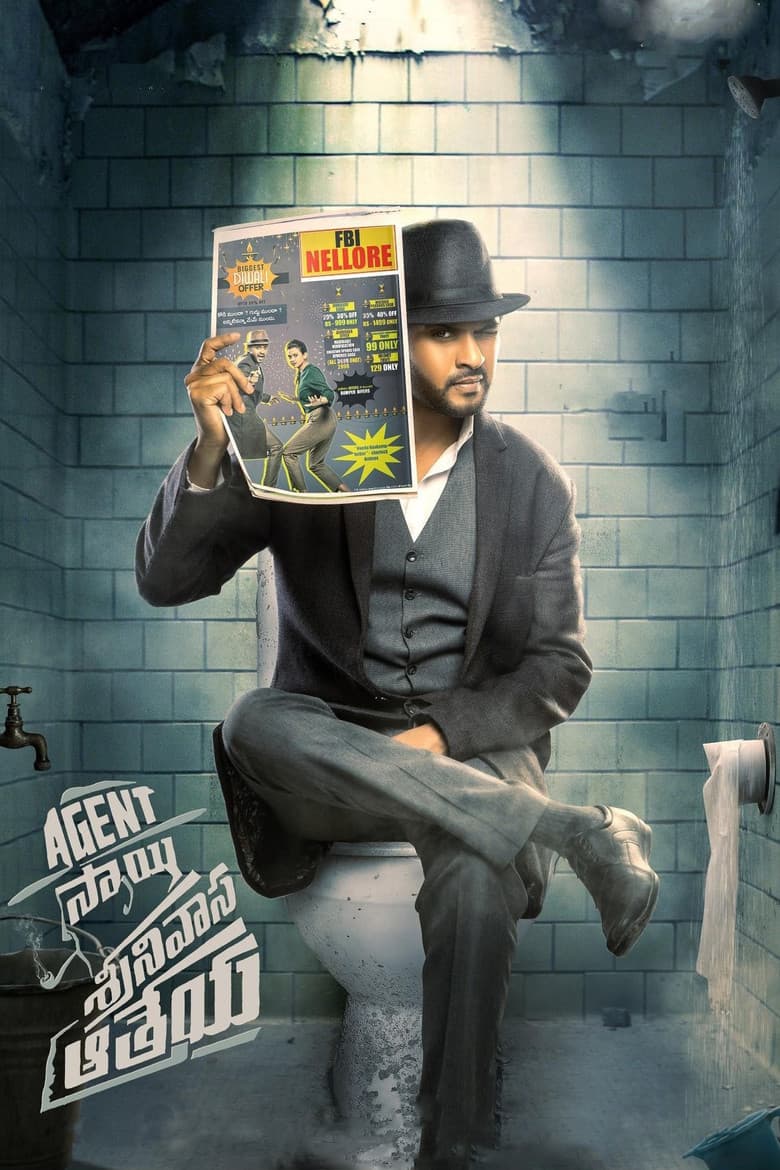
Agent Sai Srinivasa Athreya is a brilliant, underrated detective from Nellore who runs an agency called FBI which sees no business.
Movie · 2016
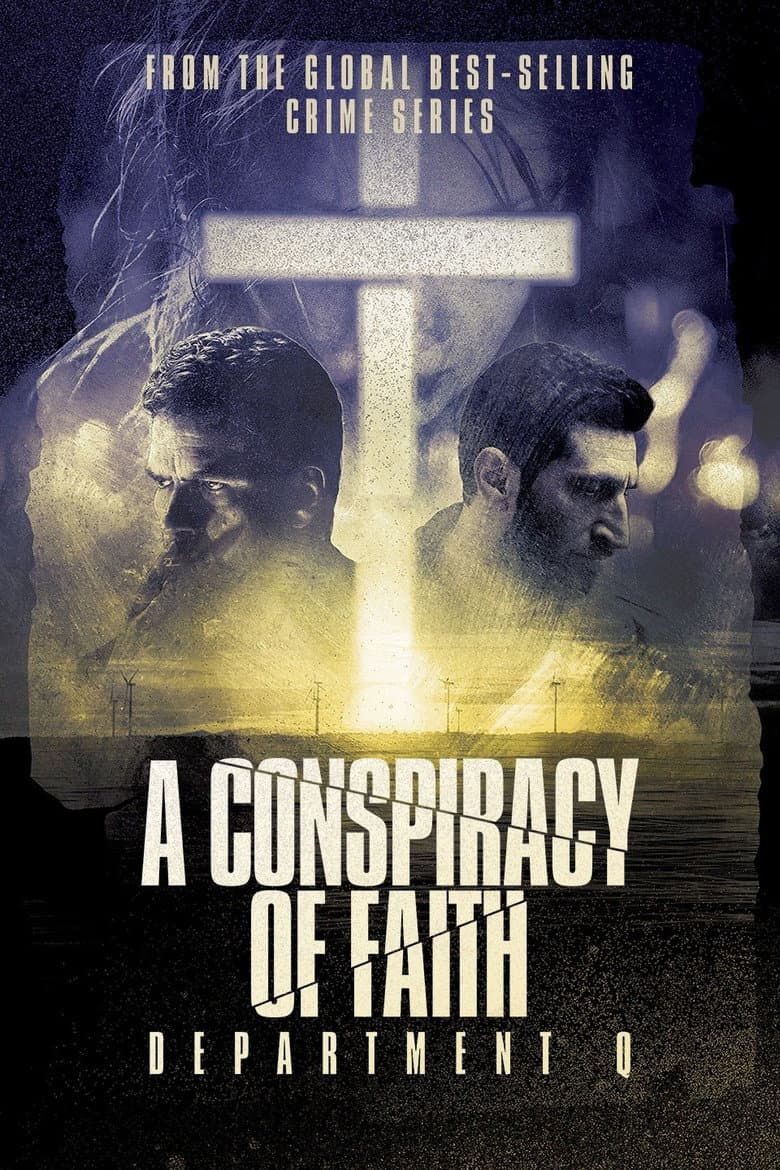
Denmark, 2016. A blurred note is found in a bottle that has traveled across the ocean for a long time. After deciphering the cryptic note, Department Q follow a sinister trail…
Movie · 2024
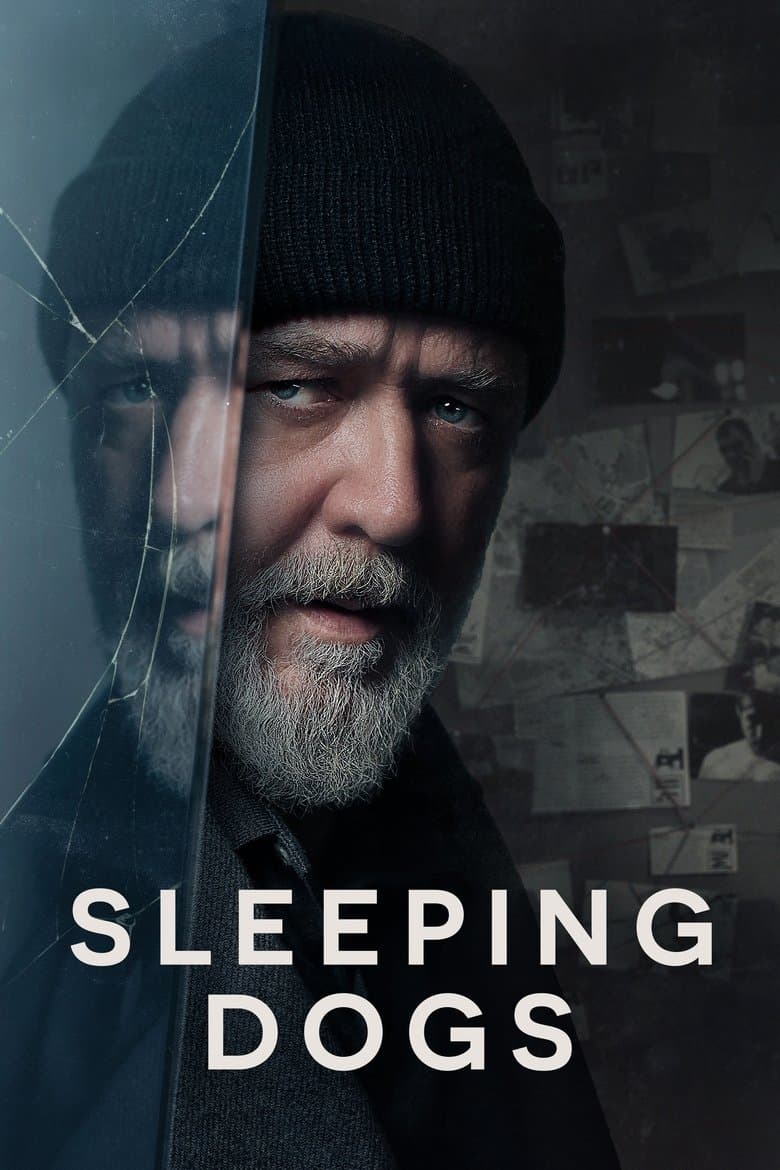
Roy Freeman, an ex-homicide detective with a fractured memory, is forced to revisit a case he can't remember.
Movie · 2018
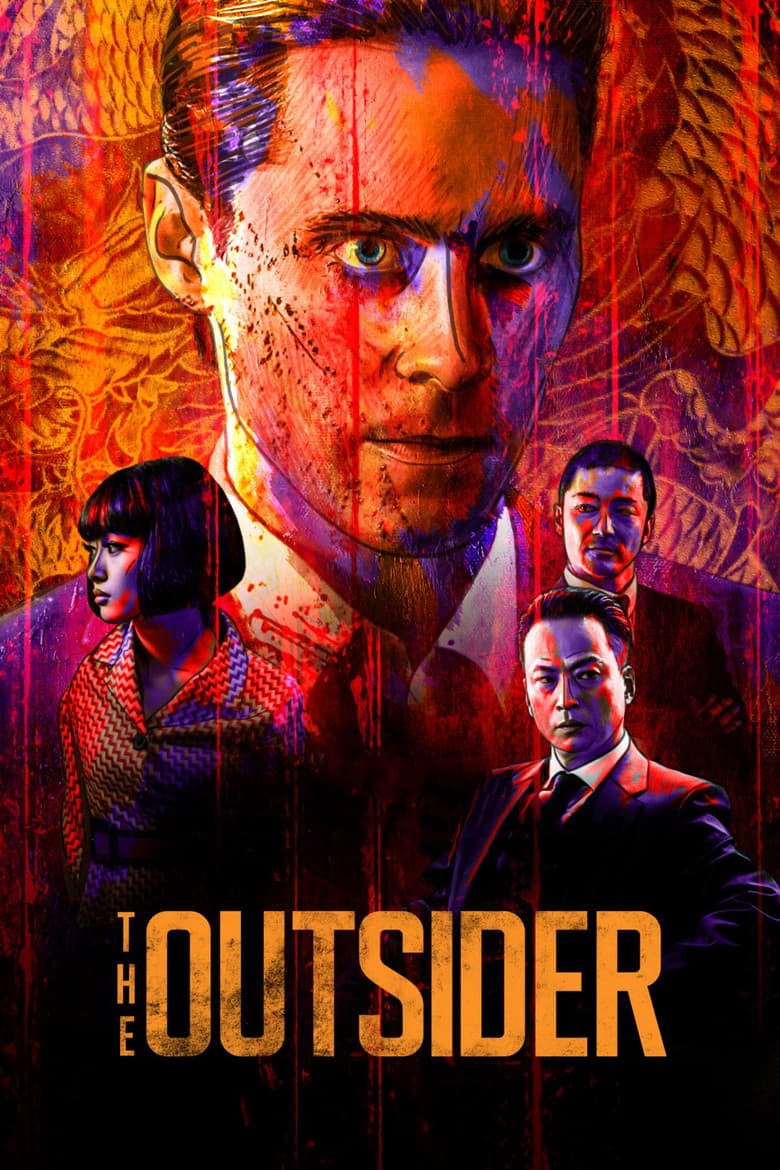
A former American G.I. joins a yakuza family after his release from prison in post-World War II Osaka.
