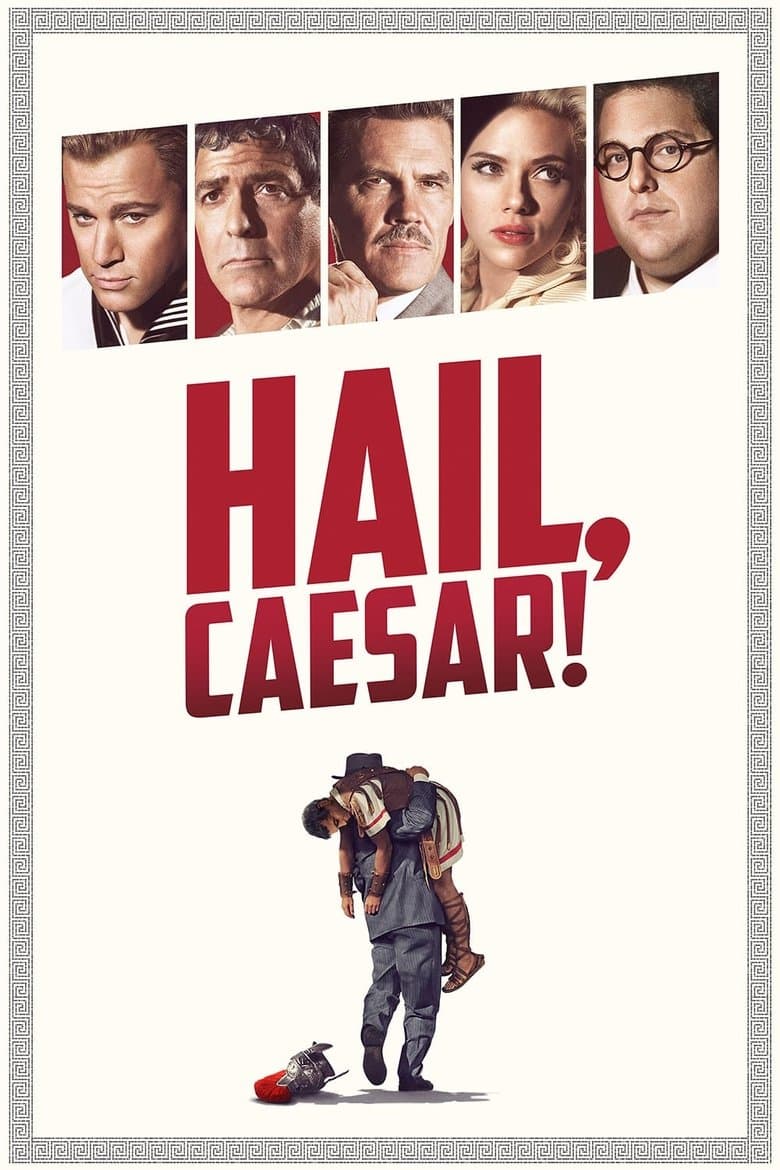
Eddie Mannix works as a studio fixer in 1950s Hollywood. His job is to hide stars' secrets and keep big movies on track for the studio bosses. When famous actor Baird Whitlock vanishes in the middle of a huge Bible epic, Mannix has to track him down and deal with a ransom from a strange club of writers. The film is a light, silly comedy that hops from one studio mess to another with bright sets and broad jokes.
The story makes fun of Hollywood deals, gossip rags, and the fake magic of movie sets. Mannix is a Catholic man who keeps going to confession while he covers up scandals and keeps stars working. One big musical number shows sailors dancing and joking about a life with no women, and the plot also uses secret same-sex career rumors plus a star who tries to run off with communists. Those beats are part of the period joke about fame and secrets, not a modern identity campaign.
Community feedback
Was our 11% Woke rating accurate?
Breakdown
These are the editorial factors and ratings behind our score for Hail, Caesar!.
Woke representation / casting
Not present. Casting aligns precisely with the 1950s Hollywood period and story requirements, featuring no forced diversity, audience-visible identity signaling, or character mismatches.
0%
Woke political dialogue
Not present in this title.
0%
Identity-driven story themes
The film includes clear same-sex jokes and plot beats. Burt Gurney's sailor number is written as camp and homoerotic, and the story uses closet-era gay rumors about stars and a director. Those moments are real and easy to notice, but they sit inside a wider joke about 1950s Hollywood secrets rather than a modern identity message that drives the whole plot.
20%
Western institutional / cultural critique
Not present in this title.
0%
Woke character or canon changes
Not relevant. Original fictional narrative with era-inspired elements and no ideological revisions to known history or figures.
0%
Anti-woke backlash and complaints
Not present. No documented backlash accusing the title of advancing woke, activist, or left-wing identity politics; available criticism centered on insufficient representation from the opposite perspective.
0%
Creator track record context
The Coen brothers wrote and directed the film and have very low cached woke scores with no pattern of identity activism. Key producers and the casting director also score low and lack a public DEI or social-justice track record tied to this kind of project.
6%
Production
Movie · 2018
The true story of Forrest Tucker, from his audacious escape from San Quentin at the age of 70 to an unprecedented string of heists that confounded authorities and enchanted the…

Movie · 2017
In a locked down train station, a homicide detective conducts an interview with a tormented monkey who is suspected of murder.

Movie · 2023
In this office satire, Orson, a straight-laced employee, retreats to a blissfully empty corner office to get away from his lackluster colleagues.
Movie · 2016
A brother and sister return to their family home in search of their world famous parents who have disappeared.
Movie · 2019
Agent Sai Srinivasa Athreya is a brilliant, underrated detective from Nellore who runs an agency called FBI which sees no business.

Movie · 2018
When an international border dispute arises between the U.S. and Canada, the Super Troopers- Mac, Thorny, Foster, Rabbit and Farva, are called in to set up a new Highway Patrol…
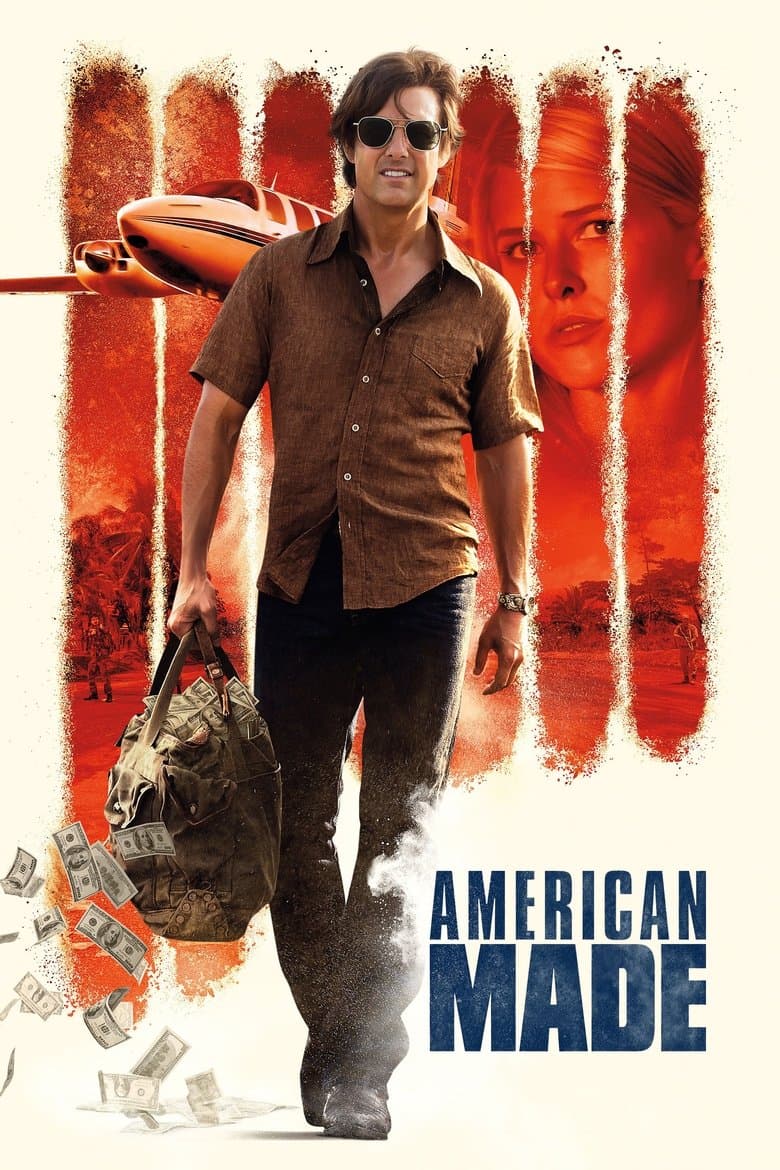
Movie · 2017
The true story of pilot Barry Seal, who transported contraband for the CIA and the Medellin cartel in the 1980s.

Movie · 2020
A once-celebrated kid detective, now 31, continues to solve the same trivial mysteries between hangovers and bouts of self-pity.
