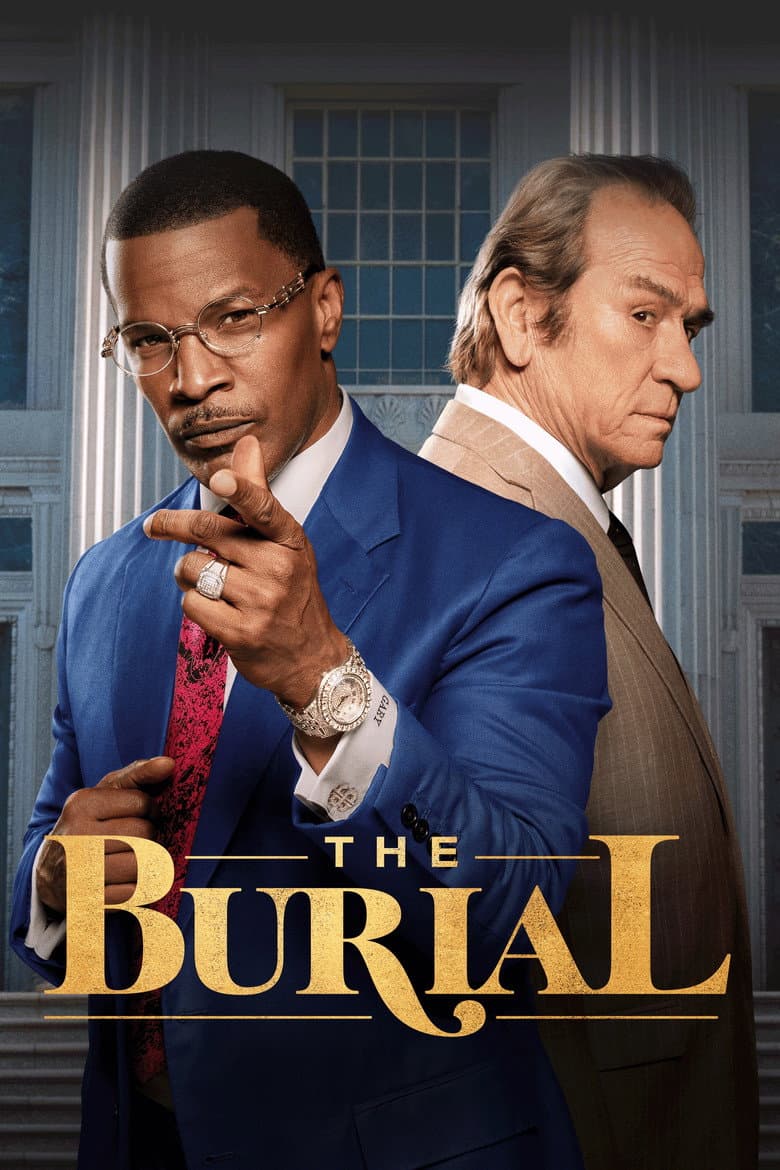
Jeremiah O’Keefe is an older funeral-home owner in 1990s Mississippi. His family business is in big money trouble after a deal with a huge funeral company falls apart. He hires bold, flashy lawyer Willie E. Gary to fight the company in court. The film is a mix of serious courtroom drama, buddy-movie friendship, and underdog win vibes.
A normal viewer will clearly notice race as a big part of the story, not a small side note. The film and its ads push “racial injustice” next to corporate greed. Court scenes talk about racism, the KKK, slavery, and a big company using black churches to sell overpriced funeral deals to black customers. The director has said the real case was more of a dry contract fight and that she made race stronger on purpose. She also invented a sharp black woman lawyer for the other side. Corporate greed still drives the plot, but the race and justice themes are hard to miss.
Community feedback
Was our 78% Woke rating accurate?
Breakdown
These are the editorial factors and ratings behind our score for The Burial.
Woke representation / casting
Leads match real people (black lawyer Willie Gary, white client O’Keefe). Stronger signal is the invented black woman opposing counsel Mame Downes and a stacked black legal team Betts said she wanted for “black flavor.” Half the cast is black in a story about Southern race and jury strategy. Clear identity-forward casting choices, not pure race-swaps of the main real men.
44%
Woke political dialogue
Court talk and side scenes name racism, prejudice, the KKK, slavery, slave burial ground history, and a company exploiting black churches and poor black customers. Viewers hear race-and-justice speech often in the trial half. It is dramatic courtroom talk more than pure slogan activism, but the race language is loud and repeated.
58%
Identity-driven story themes
The film turns a contract fight into a story about race, power, and justice. Ads sell “racial injustice.” The case’s win rests on showing how Loewen used black communities and churches. Race is not background flavor; it becomes a main story engine next to greed. Easy for any viewer to notice.
64%
Western institutional / cultural critique
Hits big corporations, the funeral industry, and race bias built into money and power. Adds slavery history, Confederate monuments over black burial grounds, and a “capitalism built on slavery” vibe from the director’s framing. Ordinary anti-greed underdog plot alone would score lower; the modern race-system framing raises it.
59%
Woke character or canon changes
Real leads stay race- and gender-true. Main change: fictional black woman lead for Loewen instead of the real all-male black counsel, plus director-stated race boosts and extra black team members. Identity-driven rewrite of the case’s tone and key opponent, not a full race-swap of history’s main men.
46%
Anti-woke backlash and complaints
No clear, widespread anti-woke campaign calls the film DEI propaganda, race-baiting, or “too woke.” Coverage is mostly positive courtroom-drama praise. Right-leaning backlash evidence is thin to none for scoring.
0%
Creator track record context
Mix of voices: Foxx (65) and Turner (58) bring stronger race/DEI-leaning public records; Wright (40) and casting figure Taylor-Coleman (59) mid; Betts (28) milder in cache but used this film to center race; several producers near zero. Overall mid-range support for race-focused storytelling, not a full activist roster.
44%
Production
Movie · 2023
The story of J. Robert Oppenheimer's role in the development of the atomic bomb during World War II.
Movie · 2023
The true story of the inseparable Von Erich brothers, who made history in the intensely competitive world of professional wrestling in the early 1980s.
Movie · 2024
On the brink of the Second World War, a young Norwegian man's drive to resist the Nazis sets a new course for his future – and the future of his country.
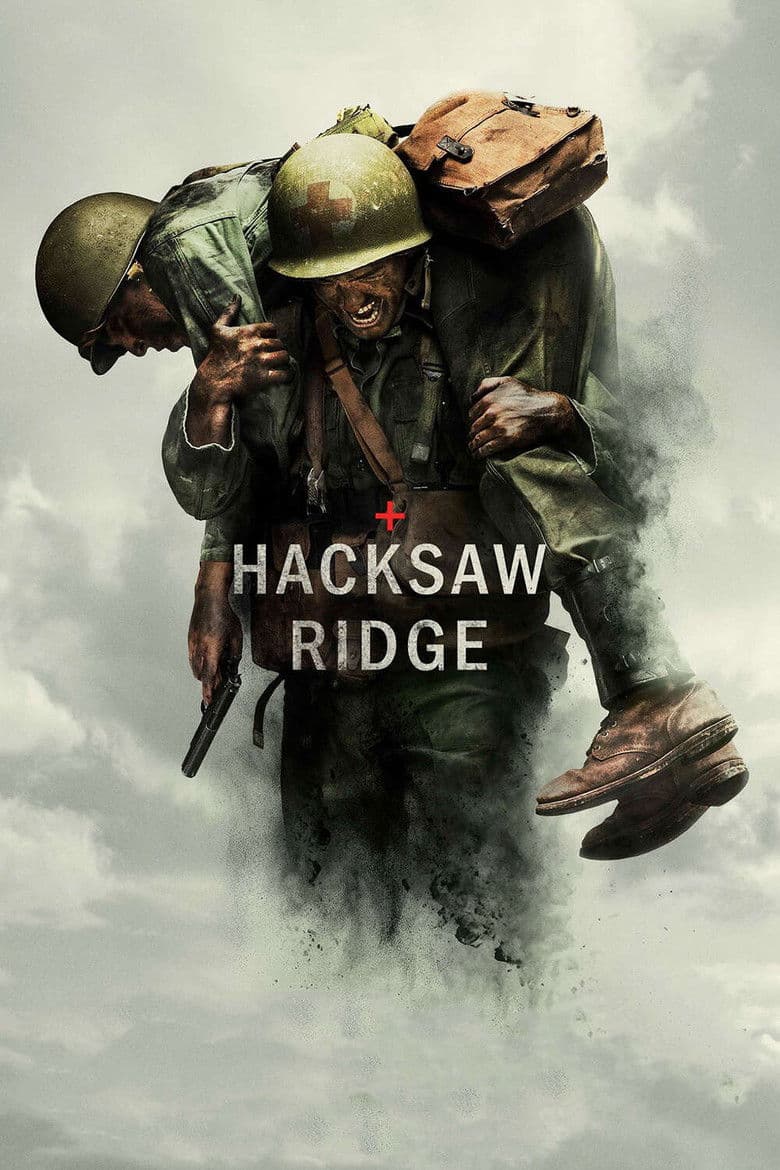
Movie · 2016
WWII American Army Medic Desmond T. Doss, who served during the Battle of Okinawa, refuses to kill people and becomes the first Conscientious Objector in American history to…
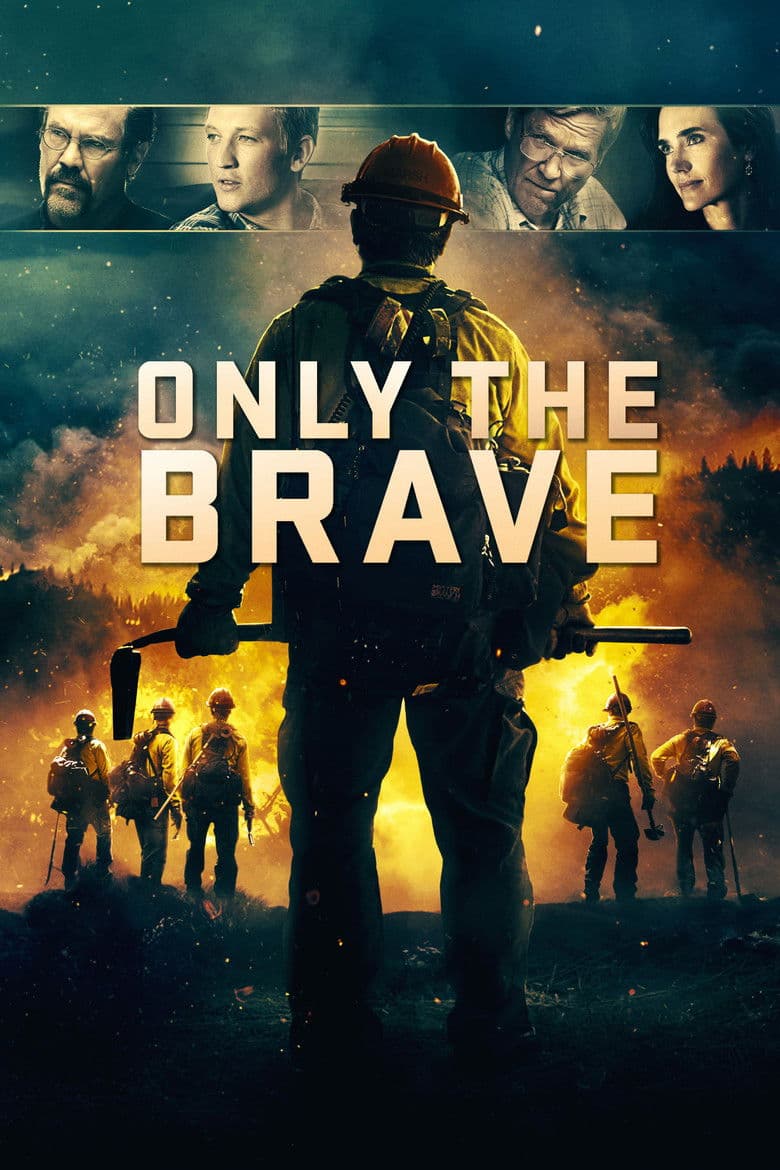
Movie · 2017
Members of the Granite Mountain Hotshots battle deadly wildfires to save an Arizona town.

Movie · 2016
After his older brother passes away, Lee Chandler is forced to return home to care for his 16-year-old nephew.
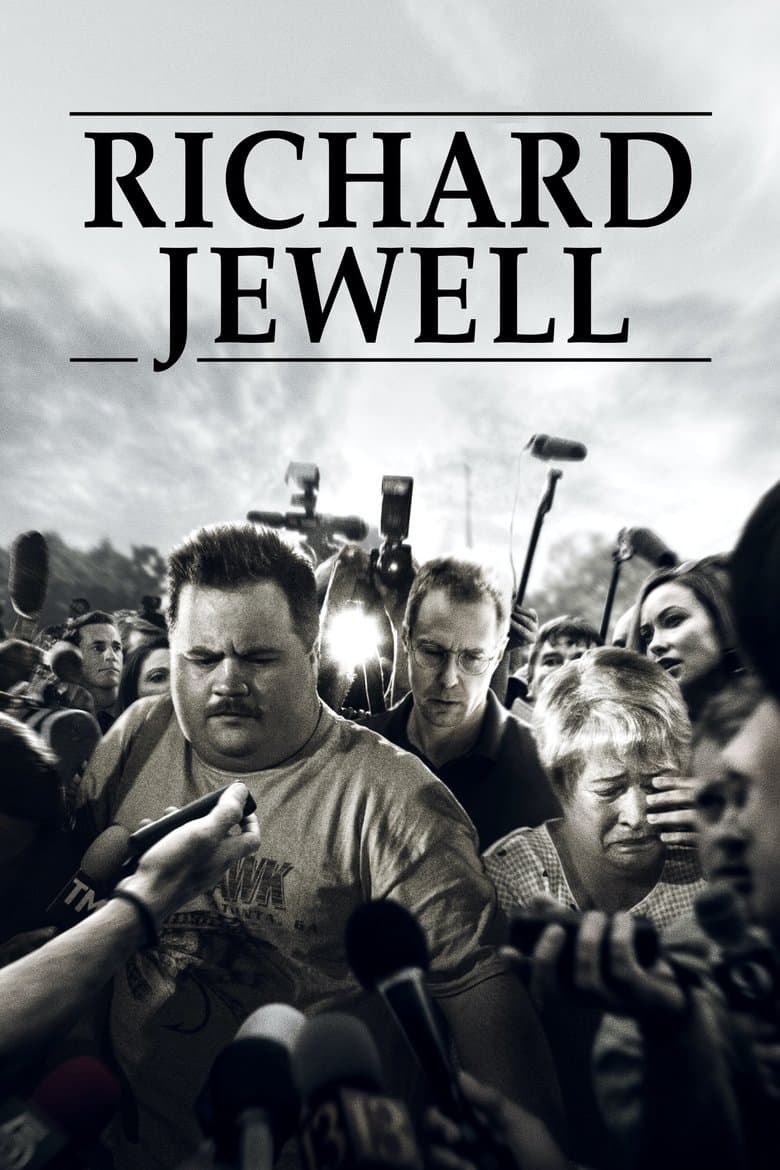
Movie · 2019
Richard Jewell thinks quick, works fast, and saves hundreds, perhaps thousands, of lives after a domestic terrorist plants several pipe bombs and they explode during a concert…
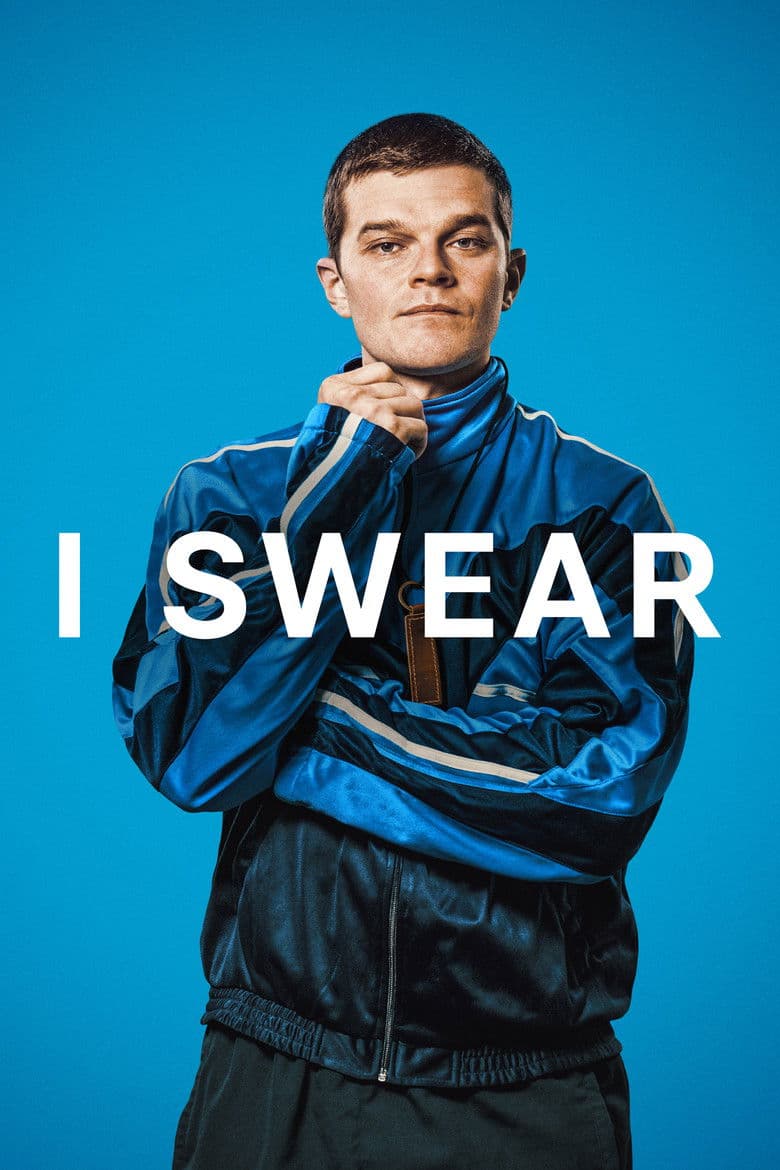
Movie · 2025
Diagnosed with Tourette Syndrome at 15, John Davidson navigates his way against the odds through troubled teenage years and into adulthood, finding inspiration in the kindness of…
