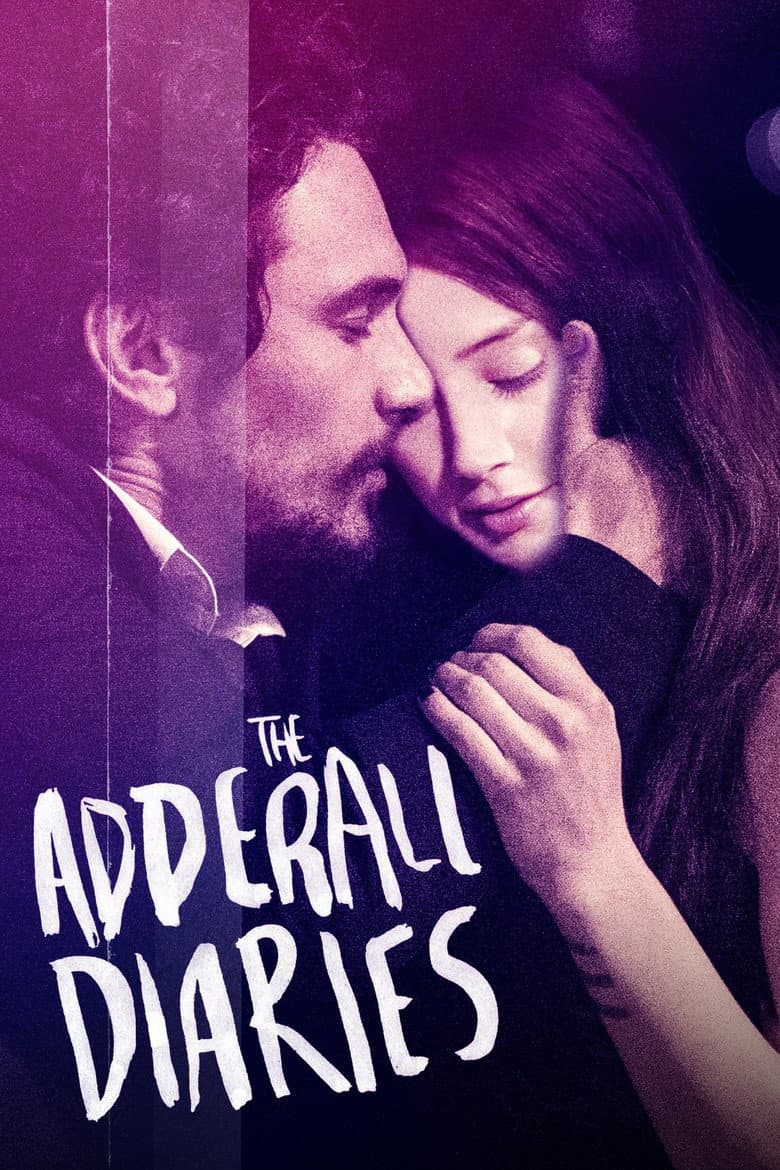
Stephen Elliott is a New York writer who has lost control of his work, his drug use, and his memories. His distant father returns and says Stephen invented much of the painful childhood that made him famous. Stephen follows a murder trial while he tries to decide what really happened in his family. The film has a dark, uneasy tone and moves between present-day New York, old memories, and scenes shaped by drugs and fear.
Stephen starts a romance with reporter Lana, but his need for pain and control strains the relationship. The story shows their sexual relationship through repeated S&M scenes in which Lana takes the stronger role and Stephen asks to be hurt. The film also follows addiction, childhood abuse, self-pity, and the danger of turning personal pain into a public story. Its main idea is that people can reshape the past to make themselves look like the victim, and Stephen must face his own part in that story.
Community feedback
Was our 20% Woke rating accurate?
Breakdown
These are the editorial factors and ratings behind our score for The Adderall Diaries.
Woke representation / casting
Not present. The story is set in modern New York and uses a mixed supporting cast without making identity the point. No prominent casting choice is presented as a diversity or representation message.
0%
Woke political dialogue
Not present. The film has no repeated lines about DEI, identity politics, gender activism, or modern activist causes. Its spoken conflict centers on memory, family, addiction, and a murder case.
0%
Identity-driven story themes
The film gives a noticeable subplot to Stephen's S&M relationship with Lana. Lana controls the bedroom in several scenes, while Stephen asks to be hurt and connects the role to his need to feel like a victim. The film treats this as part of his damaged life and relationship problems, not as a wider political message.
27%
Western institutional / cultural critique
Not present. The film focuses on one troubled father-son relationship, addiction, and a murder case. It does not attack Western institutions, Christianity, capitalism, or men as a class.
0%
Woke character or canon changes
Not relevant. The film is a fictionalized adaptation of a memoir, but it does not make a race, gender, sexuality, or leadership change to an established character.
0%
Anti-woke backlash and complaints
Not present. The separate X pass found no anti-woke reaction. Reviewed news, reviews, and audience posts did not claim that the film pushed DEI or identity politics.
0%
Creator track record context
Stephen Elliott's cached score is 60/100 because his work includes bisexual identity, outsider sexual themes, and liberal political writing. Marni Zelnick's cached score is 55/100 because she supports diverse voices and humanitarian film work. Pamela Romanowsky is 31/100, and most other listed creators have low or limited records in this area. The title-specific interviews focus on memory, addiction, and sexual expression, so the creator background is supporting context rather than the movie's main message.
29%
Production
Movie · 2018
A man and a woman meet in the ruins of post-war Poland. With vastly different backgrounds and temperaments, they are fatally mismatched and yet drawn to each other.
Movie · 2018
German artist Kurt Barnert has escaped East Germany and now lives in West Germany, but is tormented by his childhood under the Nazis and the GDR regime.
Movie · 2017
In 1950s London, a renowned dressmaker's meticulous lifestyle begins drastically changing as his relationship with his young muse intensifies.

Movie · 2018
While James More is held captive by terrorists in Somalia, thousands of miles away on the Greenland Sea, his lover Danny Flinders prepares to dive herself in a submersible into…
Movie · 2016
Canadian folk artist Maud Lewis falls in love with a fishmonger while working for him as a live-in housekeeper.

Movie · 2016
Lou Clark, a directionless 26-year-old from the English countryside, takes a job at the local castle as a caregiver and companion to a wealthy young banker, Will Traynor.
Movie · 2025
Based on a true story, two down-on-their-luck musicians form a joyous Neil Diamond tribute band, proving it's never too late to find love and follow your dreams.
Movie · 2018
Seasoned musician Jackson Maine discovers — and falls in love with — struggling artist Ally. She has just about given up on her dream to make it big as a singer — until Jack…
