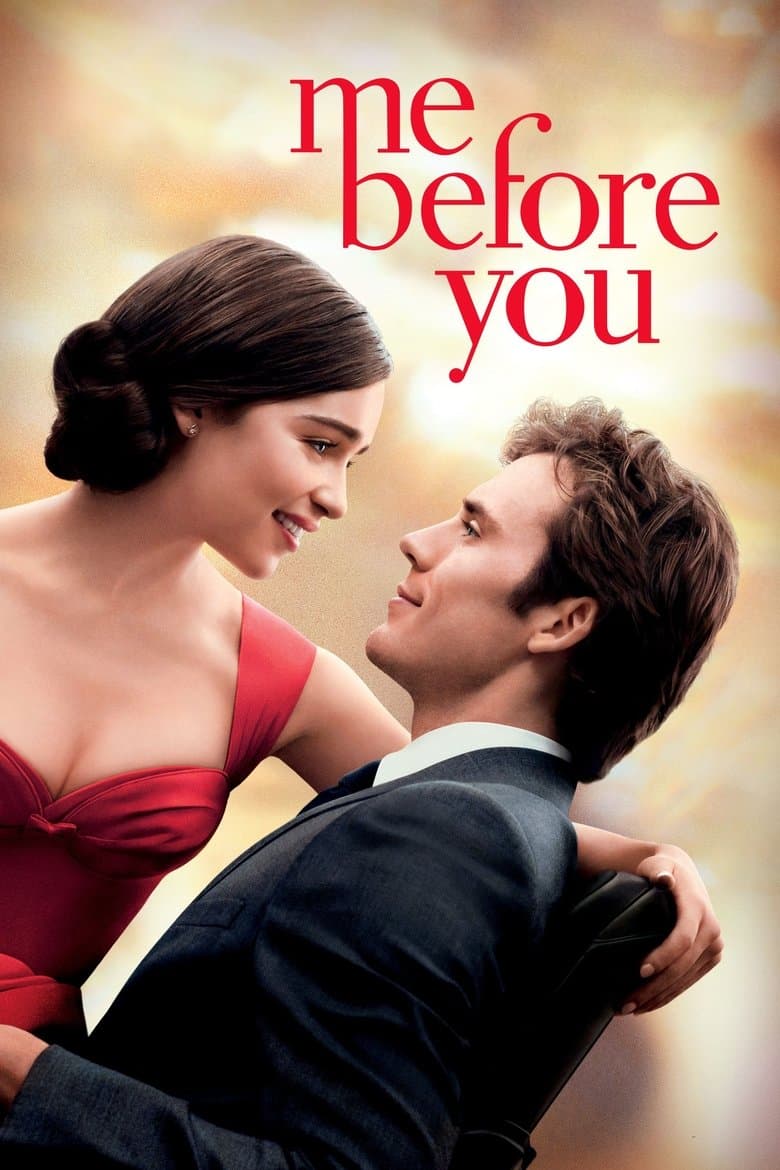
Working-class Lou Clark takes a job as companion to wealthy tetraplegic Will Traynor. They fall in love across a sharp class divide in modern England. Will still chooses assisted suicide at Dignitas. The film is a commercial British-American drama romance based on Jojo Moyes’s novel. The story centers on love, caregiving, quality of life, and one man’s personal decision about how he will live or die.
Audience-visible woke content is basically absent. The film does not push race, gender, queer, or DEI politics as its main message. Casting is a conventional white British ensemble for a countryside class-crossing romance. Disability is central, but it is framed as personal and tragic rather than as progressive identity empowerment. Public heat around the movie was about disability rights and euthanasia ethics, not casting diversity or modern identity politics.
Community feedback
Was our 5% Woke rating accurate?
Breakdown
These are the editorial factors and ratings behind our score for Me Before You.
Woke representation / casting
Not present. Lead and supporting cast are a conventional white British ensemble with no audience-visible race or gender swaps or quota-style diversity casting. Disability is central, but a non-disabled actor plays Will. That drew underrepresentation criticism, not progressive identity casting praise.
0%
Woke political dialogue
Not present. Dialogue centers on love, class manners, caregiving, quality of life, and Will’s personal decision to die. There is no modern activist race, gender, sexuality, or DEI rhetoric. Autonomy language around assisted dying is bioethical choice, not identity-politics scripting.
0%
Identity-driven story themes
Not present. Core arc is heterosexual romance, class difference, and one man’s refusal to live as tetraplegic. Lou’s growth is classic commercial live boldly romance. Disability is tragic and personal, not progressive identity empowerment.
0%
Western institutional / cultural critique
Not present. British class contrast is romantic fairy-tale backdrop, not activist critique of capitalism, whiteness, patriarchy, or core Western institutions. The euthanasia plot is individual ethics, not a systemic takedown of churches, family, or tradition.
0%
Woke character or canon changes
Not relevant. This is an author-adapted novel. Changes are ordinary compression and tone balancing, not identity- or DEI-driven rewrites of characters or history.
0%
Anti-woke backlash and complaints
There was no meaningful public case that the film is woke DEI or identity-agenda media. The main fight was disability-rights protest, which is left-side representation criticism under the scoring rules. Mild conservative and Christian complaints treated the ending as progressive choice or euthanasia propaganda.
12%
Creator track record context
Cached creatives are mostly low, with Sharrock, Moyes, and related names in a mainstream romance and craft range. Producer Alison Owen scores higher with a feminist-adjacent women-centered slate. The overall pattern is commercial tearjerker filmmaking, not identity-activist work.
15%
Production
Movie · 2017
Addie Moore and Louis Waters, a widow and widower, have lived next to each other for years. The pair have almost no relationship, but that all changes when Addie tries to make a…

Movie · 2025
18-year-old Noah moves from America to London, with her mother who's recently fallen in love with William, a wealthy British businessman.
Movie · 2018
German artist Kurt Barnert has escaped East Germany and now lives in West Germany, but is tormented by his childhood under the Nazis and the GDR regime.
Movie · 2016
Set during the last days of the Ottoman Empire, a love triangle develops between Mikael, a brilliant medical student, the beautiful and sophisticated artist Ana, and Chris, a…
Movie · 2020
Young musician Zach Sobiech discovers his cancer has spread, leaving him just a few months to live. With limited time, he follows his dream and makes an album, unaware that it…
Movie · 2023
After decades apart, childhood friends Nora and Hae Sung are reunited in New York for one fateful weekend as they confront notions of destiny, love, and the choices that make a…
Movie · 2019
England, early 20th century. The future writer and philologist John Ronald Reuel Tolkien (1892-1973) and three of his schoolmates create a strong bond between them as they share…
Movie · 2016
Canadian folk artist Maud Lewis falls in love with a fishmonger while working for him as a live-in housekeeper.
