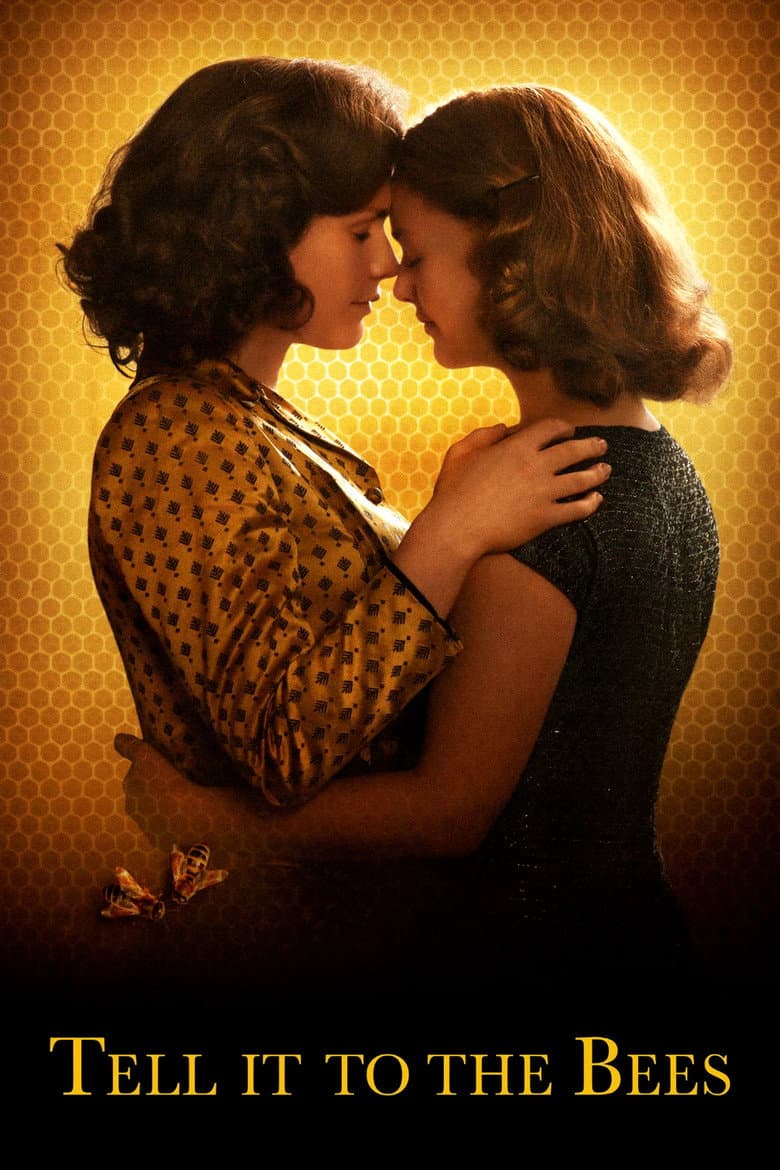
Tell It to the Bees is a quiet romance drama set in a small Scottish town in 1952. Dr. Jean Markham returns to run her late father’s medical practice after the town once drove her away. Jean meets Lydia, a factory worker whose husband has left her and whose young son Charlie is bullied at school. Jean lets Lydia and Charlie stay in her home, and the three build a fragile family while gossip and threats grow.
The film makes Jean and Lydia’s lesbian love the heart of the story. Their romance challenges the town’s belief that women should stay in marriages and follow narrow family rules. The film presents Jean as a skilled doctor and protector, while the men around Lydia are mostly absent, controlling, or dangerous. The women try to choose their own lives, but the bleak ending leaves the couple apart.
Community feedback
Was our 81% Woke rating accurate?
Breakdown
These are the editorial factors and ratings behind our score for Tell It to the Bees.
Woke representation / casting
The main cast is mostly white and fits the Scottish setting. The film puts two women at the center and makes one of them a skilled doctor in a period when women doctors were unusual. Interviews and marketing describe the project as a female-led story about women’s love and choices. The film does not show a broad race-based diversity pattern or an obviously mismatched cast.
40%
Woke political dialogue
The film briefly links Jean’s work to the belief that women should not be doctors. Jean also says that the Earth will die if the bees die. These lines touch gender roles and environmental concern, but they are short and tied to the period story. The film does not use modern activist speeches or repeat political slogans.
15%
Identity-driven story themes
The film centers on Jean and Lydia falling in love as lesbians. The women face gossip, family pressure, and threats because their relationship breaks the town’s rules. Jean and Lydia help each other reject the lives that the town and their husbands expect them to live. The story treats their love and their wish to choose their own lives as worthy, even though the ending leaves them apart.
92%
Western institutional / cultural critique
The town treats marriage, motherhood, and male authority as rules that women must obey. Robert abandons Lydia, and other men use fear or force against women. Jean and Lydia find safety by stepping outside those rules and building a home on their own terms. The film makes this conflict a large part of the romance, but it stays tied to a 1950s town and does not attack modern Western institutions or Christianity.
44%
Woke character or canon changes
The film is adapted from Fiona Shaw’s novel. The book lets Jean and Lydia leave together and build a life, while the film separates them at the train station. The movie also adds darker violence and an abortion crisis that changes the treatment of the women. These changes affect the central lesbian romance, but the film does not swap anyone’s race or gender.
30%
Anti-woke backlash and complaints
Not present. Public discussion centers on the romance, the performances, the pacing, and the changed ending. No reliable anti-woke boycott, review-bombing campaign, or right-leaning complaint was found, and the separate X check found no anti-woke reaction.
0%
Creator track record context
The cached records show a clear focus on women and queer stories around the main creative team. Annabel Jankel is scored 55, Henrietta Ashworth 71, Fiona Shaw 42, and Jessica Ashworth 29 in the stored context. Alison Owen and Daisy Allsop also have moderate scores, while most other producers have low scores. This gives the film strong creator track record context because the title directly matches that pattern.
53%
Production
Movie · 2020
A teenager lives out the hilarious and often tragic consequences of being lethally attractive, until he meets a girl with a congenital defect.
Movie · 2019
A bullied teenage girl forms an unlikely friendship with a mysterious young man who protects her from her assailants, while she copes with the pressures of her final examinations.
Movie · 2018
Seasoned musician Jackson Maine discovers — and falls in love with — struggling artist Ally. She has just about given up on her dream to make it big as a singer — until Jack…
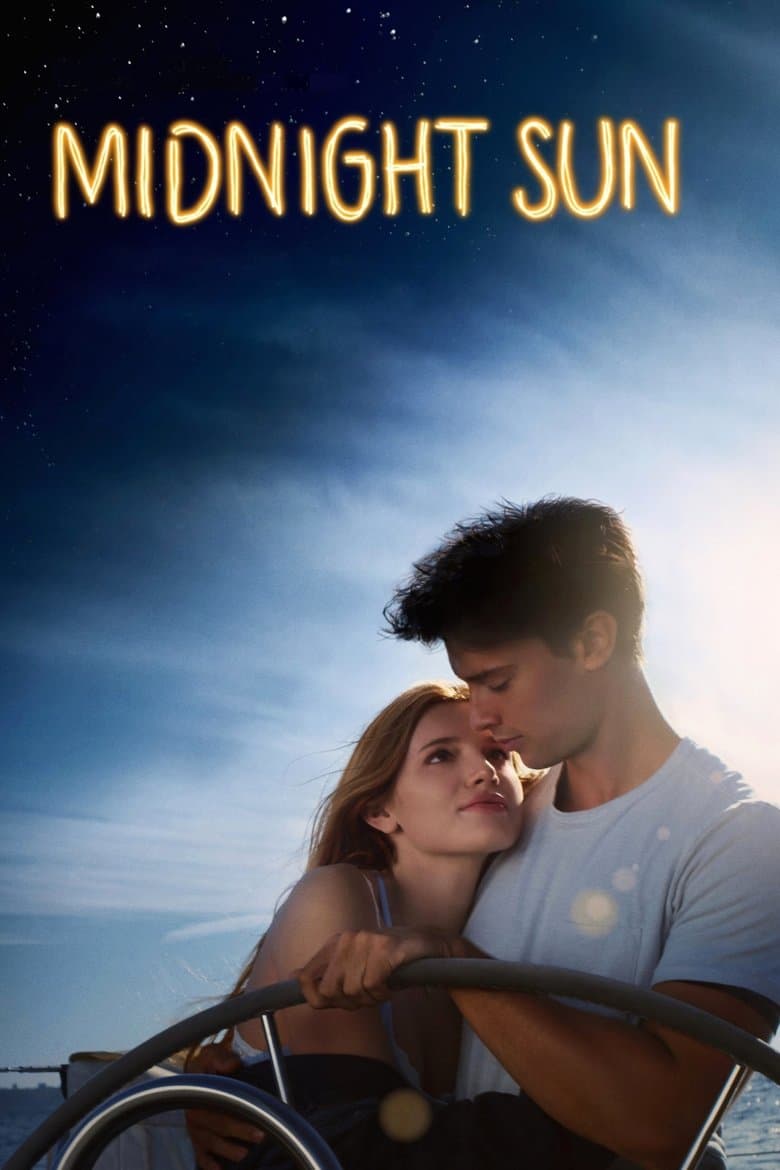
Movie · 2018
Katie, a 17-year-old, has been sheltered since childhood and confined to her house during the day by a rare disease that makes even the smallest amount of sunlight deadly.
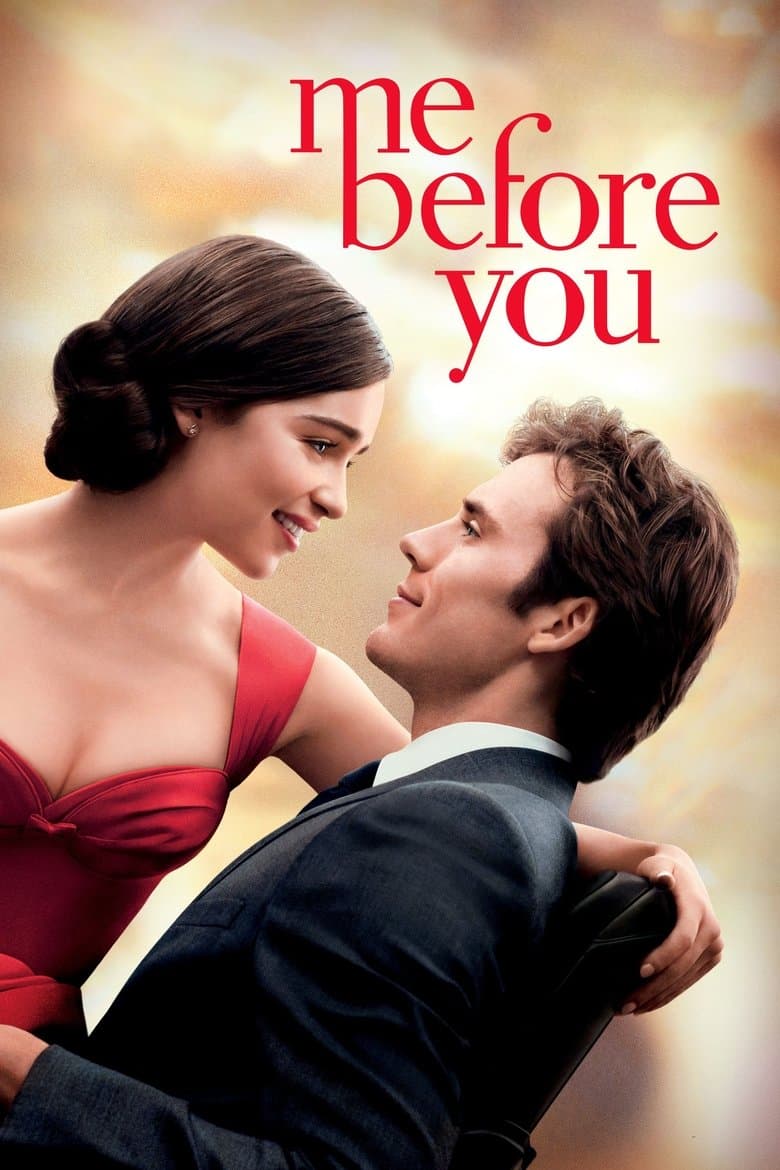
Movie · 2016
Lou Clark, a directionless 26-year-old from the English countryside, takes a job at the local castle as a caregiver and companion to a wealthy young banker, Will Traynor.
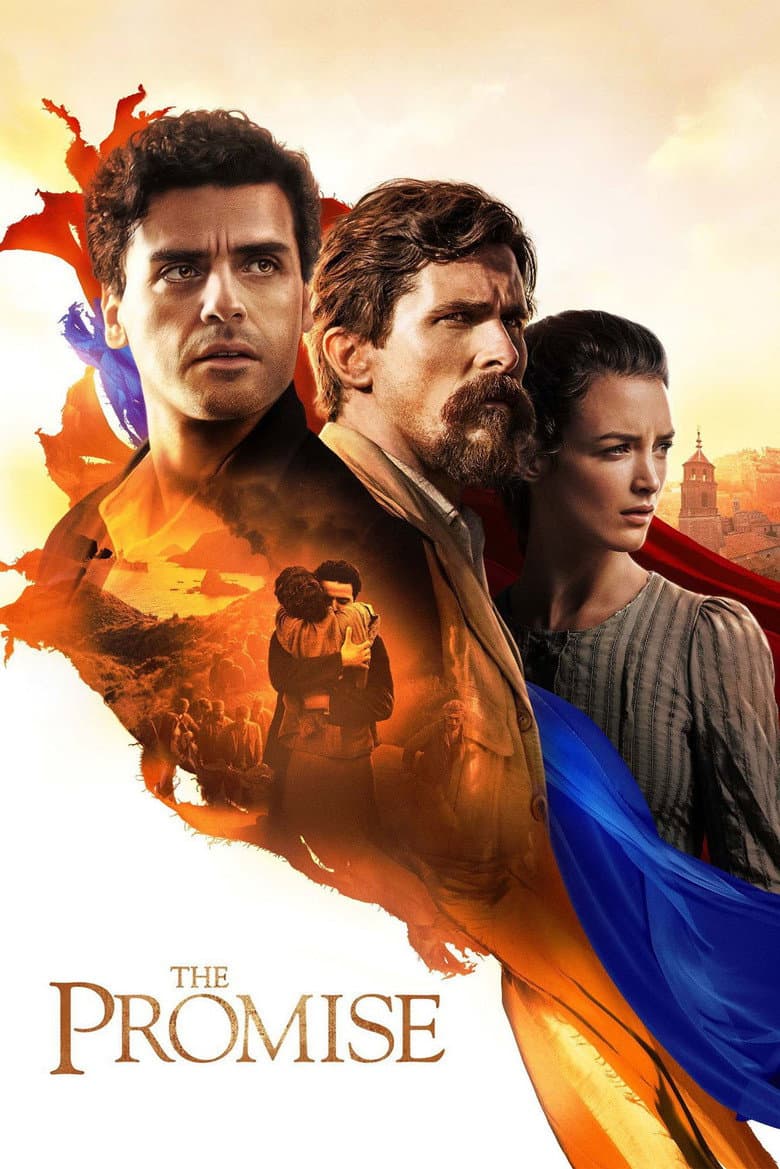
Movie · 2016
Set during the last days of the Ottoman Empire, a love triangle develops between Mikael, a brilliant medical student, the beautiful and sophisticated artist Ana, and Chris, a…

Movie · 2020
When illness strikes two people who are polar opposites, life and death bring them together in surprising ways.
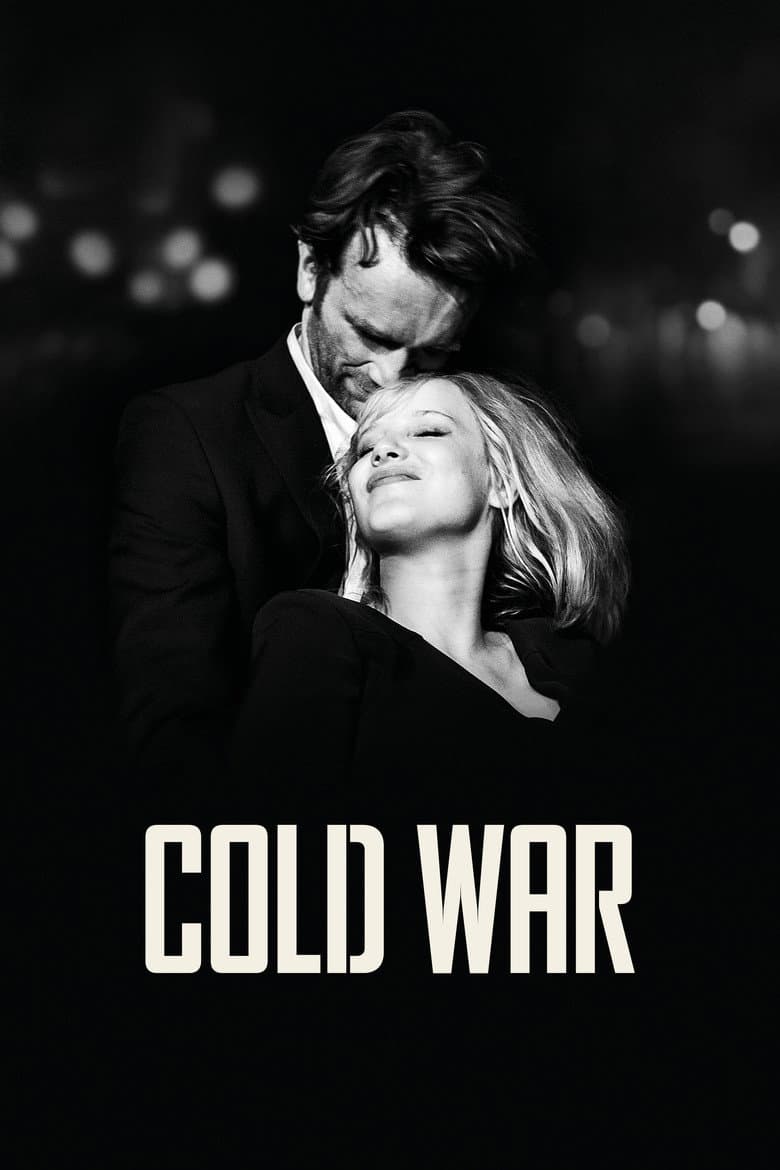
Movie · 2018
A man and a woman meet in the ruins of post-war Poland. With vastly different backgrounds and temperaments, they are fatally mismatched and yet drawn to each other.
