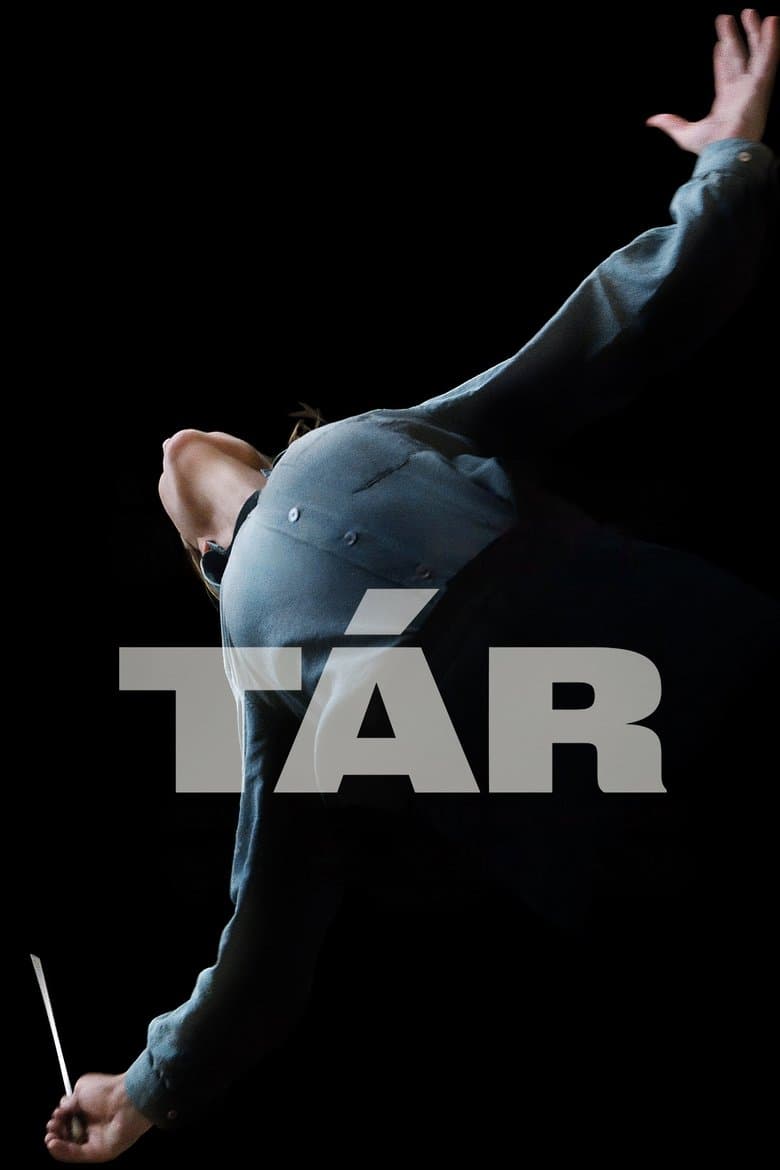
Lydia Tár is a world-famous orchestra conductor at the peak of her career. She is preparing a major symphony in Berlin while living with her wife and their child. Old choices and hard power games start catching up with her. The movie is a dark, careful drama about fame, control, and a public fall.
The film puts queer life, MeToo-style claims, and cancel culture right in the center of the plot. Lydia is a lesbian in a same-sex marriage, and her desire for younger women drives key story beats. A long classroom scene uses identity labels like BIPOC and pangender, and argues about old white male composers. Viewers also hear talk about power, social media shame, and a foundation meant to help women conductors. A normal viewer will clearly notice gender, queer relationships, and culture-war talk. The story often questions strict identity rules more than it cheers them, and the main focus is how power corrupts and how a public pile-on can destroy someone.
Community feedback
Was our 43% Woke rating accurate?
Breakdown
These are the editorial factors and ratings behind our score for TÁR.
Woke representation / casting
Lead is a powerful lesbian woman with a wife and child on screen, so queer life is clear and steady. Many key roles around her are women. The classical-music cast mostly fits the setting rather than race-quota signaling. Queer identity raises this score, but the film treats it as normal life, not a diversity ad.
38%
Woke political dialogue
The Juilliard scene uses clear identity labels and activist-style talk about race, gender, and “problematic” old composers. Lydia answers with hard pushback. Elsewhere, talk centers on power, abuse claims, and online shame more than repeated progressive slogans.
34%
Identity-driven story themes
MeToo-style claims, cancel culture, gender and power, and a lesbian abuser sit at the core of the plot. Same-sex desire and a women-focused fellowship program matter to the story. Viewers cannot miss these identity-era themes, even when the film questions strict progressive rules.
50%
Western institutional / cultural critique
The film hits elite music-world abuse and the cruelty of online pile-ons. It does not mainly preach colonial guilt, anti-Christian messaging, or “toxic masculinity” as the lesson. The famous class scene even defends old Western music against identity attacks.
24%
Woke character or canon changes
Not present in this title.
0%
Anti-woke backlash and complaints
There is little serious backlash claiming the film pushes woke or DEI messaging. Loud criticism more often came from people who said it was anti-woman, regressive, or anti-cancel culture. Anti-woke viewers often praised it instead.
0%
Creator track record context
Key creatives score low on the cached woke scale. Field is not known for activist or DEI-driven work, and he framed this film as a power study rather than an identity campaign.
6%
Production
Movie · 2023
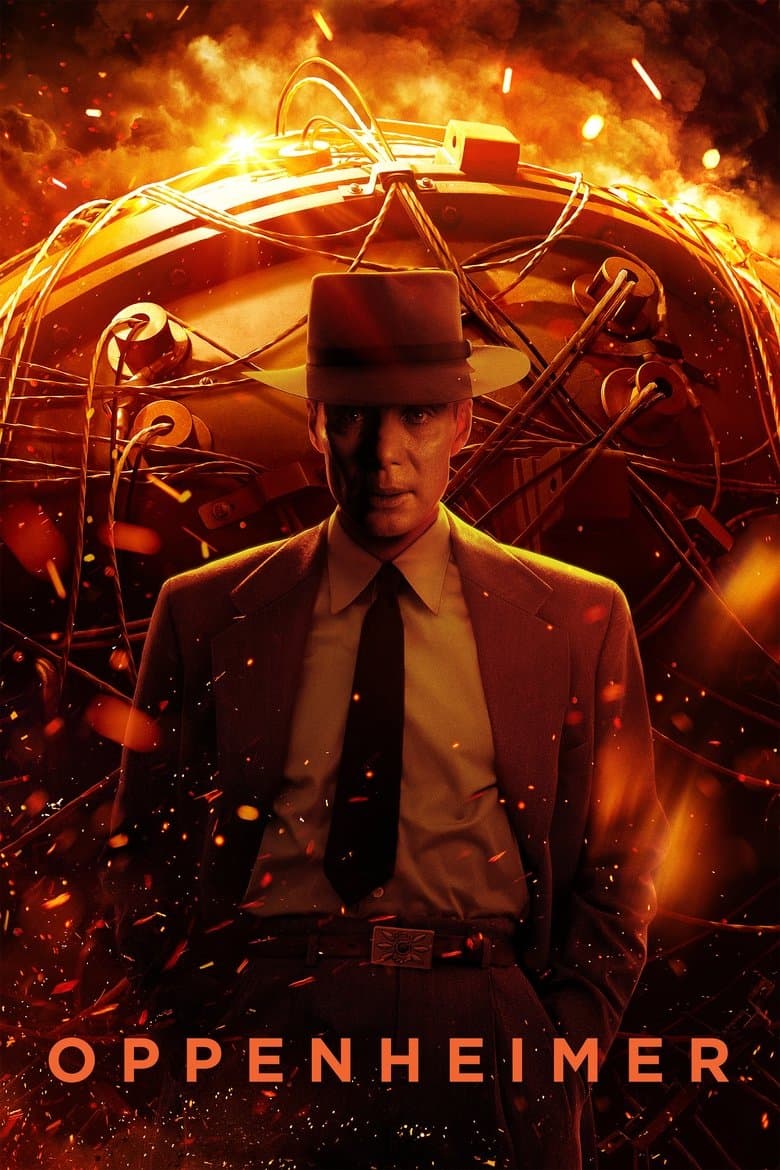
The story of J. Robert Oppenheimer's role in the development of the atomic bomb during World War II.

Movie · 2016
After his older brother passes away, Lee Chandler is forced to return home to care for his 16-year-old nephew.
Movie · 2022
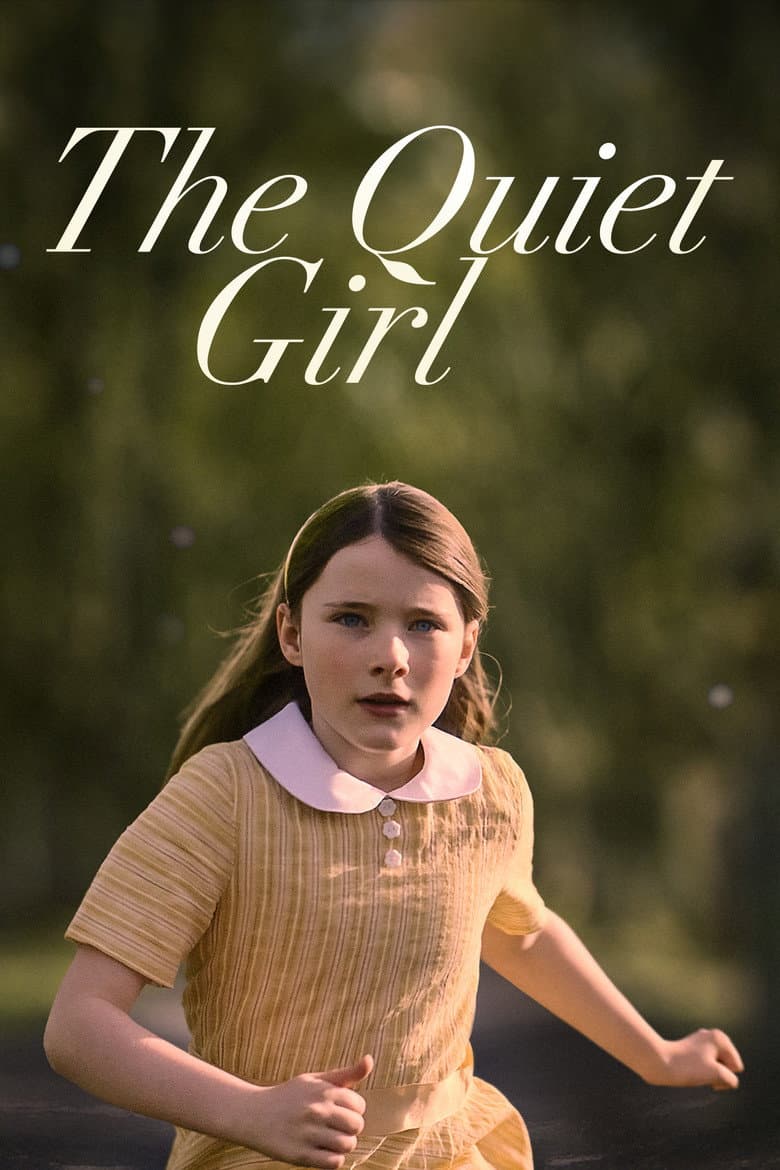
A quiet, neglected girl is sent away from her dysfunctional family to live with relatives for the summer. She blossoms in their care, but in this house where there are meant to be…
Movie · 2025
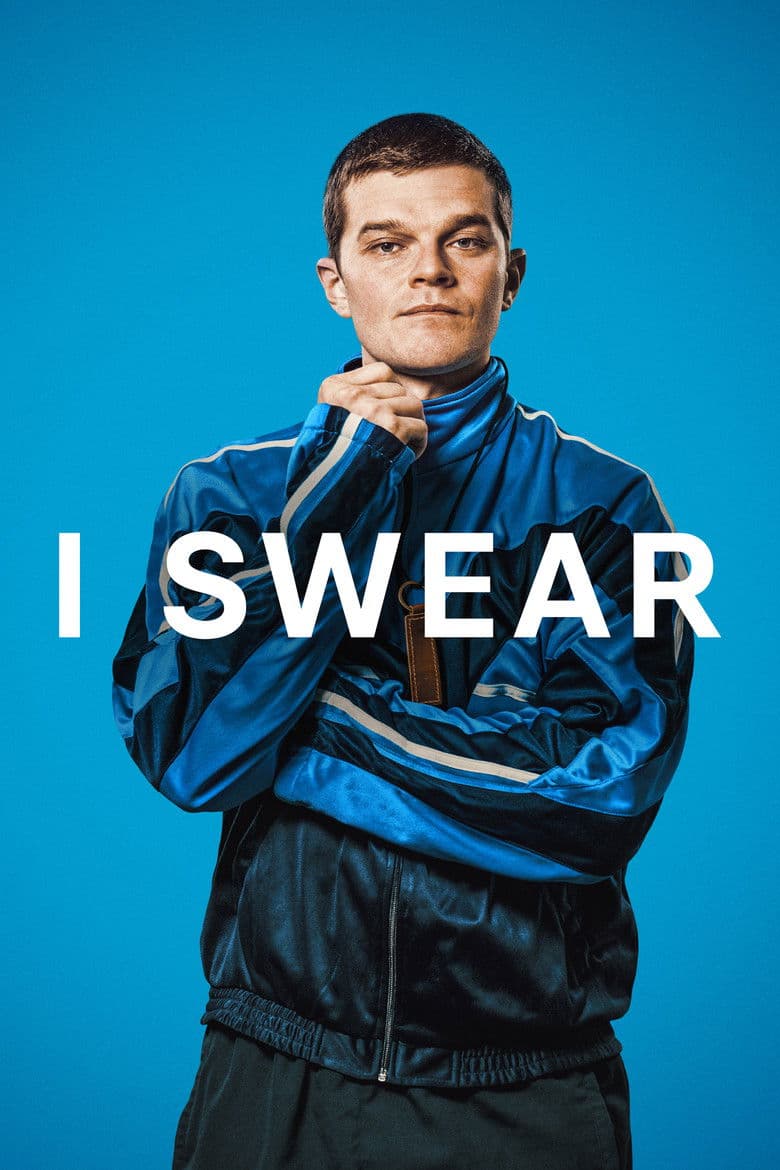
Diagnosed with Tourette Syndrome at 15, John Davidson navigates his way against the odds through troubled teenage years and into adulthood, finding inspiration in the kindness of…

Movie · 2023
The true story of the inseparable Von Erich brothers, who made history in the intensely competitive world of professional wrestling in the early 1980s.

Movie · 2026
While people across 1990s Iraq struggle to survive the war and food shortages, Saddam Hussein requires each school in the country to prepare a cake to celebrate his birthday.
Movie · 2020
A man refuses all assistance from his daughter as he ages and, as he tries to make sense of his changing circumstances, he begins to doubt his loved ones, his own mind and even…
Movie · 2017
Members of the Granite Mountain Hotshots battle deadly wildfires to save an Arizona town.
