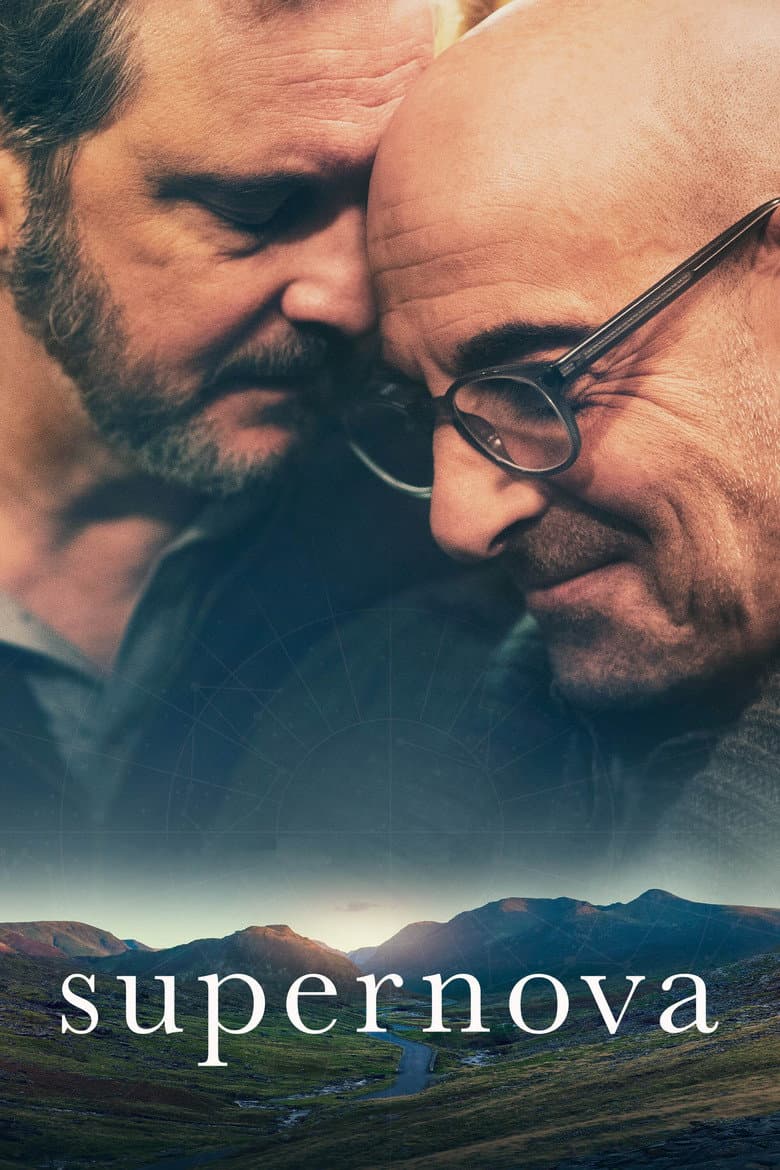
Sam and Tusker are a long-term couple traveling through England in an old camper van. Tusker has early-onset dementia, and the illness is changing his memory, his writing, and the life they planned together. Sam wants to keep caring for him, while Tusker wants control over how his illness ends. The film uses quiet talks, small arguments, family visits, and a sad final concert to tell a gentle story about love, loss, and an end-of-life choice.
The couple are two men, and their same-sex relationship is a clear part of the film throughout. The story treats their love as normal and lasting instead of making homophobia or coming out the main problem. Their sexuality is not used for speeches about politics, but the choice to place an older gay couple at the center gives the film a strong representation focus. The main conflict stays with dementia, caregiving, memory, suicide, and whether love means accepting a painful choice.
Community feedback
Was our 64% Woke rating accurate?
Breakdown
These are the editorial factors and ratings behind our score for Supernova.
Woke representation / casting
The film puts two men in its central romantic roles. The director and actors linked that choice to the lack of stories about older same-sex couples. The casting therefore carries a clear representation message beyond ordinary romance casting. The use of two straight stars also led to public debate about who should play queer roles.
58%
Woke political dialogue
Not present. The film does not use recurring speeches or jokes about DEI, gender politics, or activist causes. The spoken conflict concerns dementia, caregiving, love, and an end-of-life choice.
0%
Identity-driven story themes
The film makes an older same-sex relationship one of its main story pillars. Sam and Tusker live as a settled couple, and the story treats their love as normal, lasting, and worthy of full attention. The illness and end-of-life choice drive the plot, so the film does not make coming out or social rejection the main problem. The central gay romance still gives the film a strong identity-driven and representation-focused theme.
72%
Western institutional / cultural critique
Not present. The film does not attack churches, family life, men, traditional values, or Western institutions. Its conflict comes from illness, private choices, and the strain of care.
0%
Woke character or canon changes
Not relevant. The film is an original story about Sam and Tusker. It does not alter a known character, canon, or historical figure.
0%
Anti-woke backlash and complaints
Small X accounts called the film woke because it centers two men as a couple. One post mocked the idea that a film about a gay couple needed LGBT approval, and another complained about a gay-couple dementia story instead of a normal family. The posts had almost no likes or reach, and wider coverage did not show a large anti-woke campaign.
15%
Creator track record context
The director changed the couple from heterosexual to gay after noting the lack of stories about older same-sex love. The director has described representation and overlooked stories as important goals. The stored producer and casting notes show repeated support for LGBTQ stories, diverse voices, and underrepresented creators. The team has a moderate representation-focused record without a major partisan persona.
51%
Production

Movie · 2017
Nothing is as it seems in this riveting World War 2 thriller as a wary soldier goes to investigate a mysterious German monarch at his secluded mansion, leading him into a web of…

Movie · 2018
A man and a woman meet in the ruins of post-war Poland. With vastly different backgrounds and temperaments, they are fatally mismatched and yet drawn to each other.
Movie · 2023
After decades apart, childhood friends Nora and Hae Sung are reunited in New York for one fateful weekend as they confront notions of destiny, love, and the choices that make a…

Movie · 2020
When illness strikes two people who are polar opposites, life and death bring them together in surprising ways.

Movie · 2017
A brilliant but impulsive young surgeon spirals into self-destruction after a painful breakup, struggling to cope with love, loss, and the consequences of his own temper.

Movie · 2020
It was a chance meeting started by one of Sol’s friends trying to chat up Jennifer. However, in the end, it was those two who hit it off.

Movie · 2016
Lou Clark, a directionless 26-year-old from the English countryside, takes a job at the local castle as a caregiver and companion to a wealthy young banker, Will Traynor.

Movie · 2024
Remi and Barnes, two very different teenagers, meet by chance in the winter of their senior year, then spend four days together over the course of a year that will change their…
