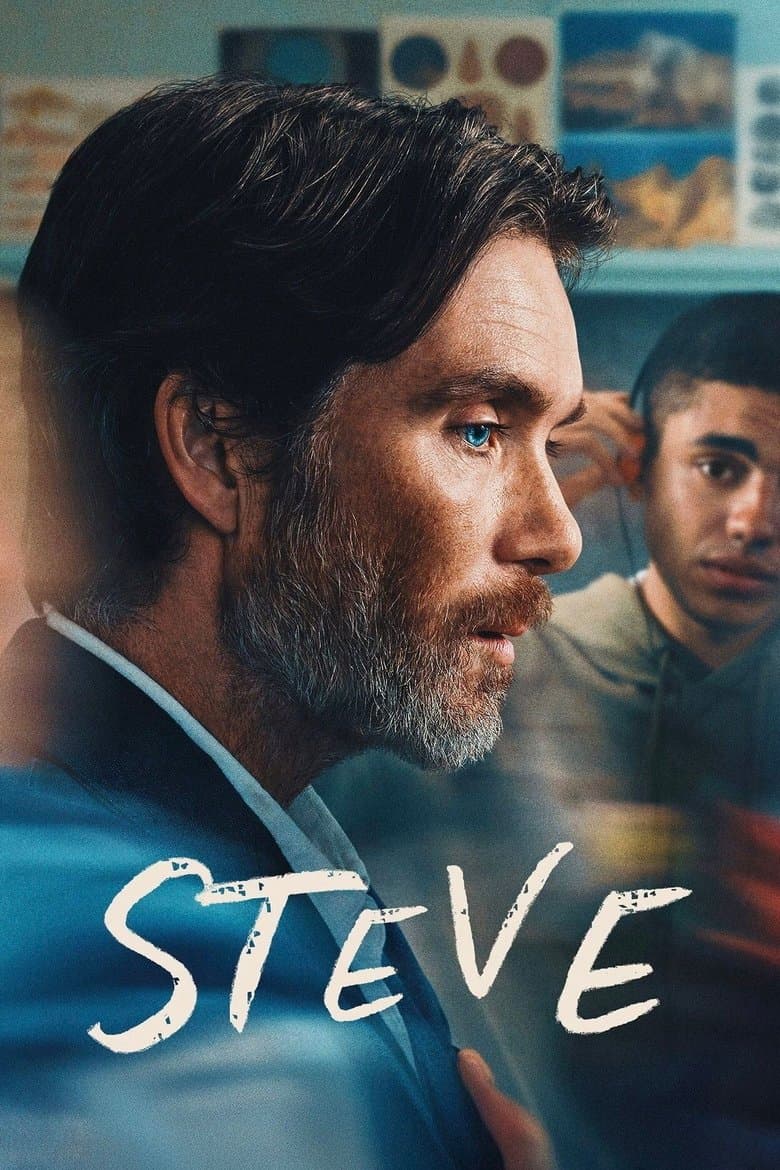
Steve follows Cillian Murphy’s Steve, a head teacher at Stanton Wood, a last-chance school for troubled teenage boys in 1996 England. Steve wants to protect the school and keep helping students who have been pushed out of normal education. On one frantic day, a television crew arrives, a local member of Parliament visits, and the school learns it will close. Steve also hides a growing drink and drug problem while he tries to control fights, fear, and his own painful past. The film feels tense, loud, bleak, and deeply serious, with a few dark jokes.
The film gives strong attention to care for troubled boys and to the harm caused by neglect, weak support, and harsh ideas about male strength. Steve and Shy both struggle to speak about pain, and the story treats honest connection as better than punishment or abandonment. The mixed student group and the Black teacher Shola are visible choices, but the film does not make race or sexuality the main subject. Criticism of school cuts, trustees, public officials, and a TV crew runs through the closure plot and gives the story a mild activist edge. These messages matter to the conflict, but the film remains a personal drama about mental health, guilt, and trying to save another person.
Community feedback
Was our 36% Woke rating accurate?
Breakdown
These are the editorial factors and ratings behind our score for Steve.
Woke representation / casting
The film shows a noticeably mixed student group for a rural English school in 1996. Shy is multiracial, several prominent boys are black, and Shola is a black teacher with a calm and important role. Three women also hold key staff jobs, including deputy head, therapist, and teacher. The story does not present these choices as a diversity campaign, so the signal stays mild.
19%
Woke political dialogue
The film includes direct political tension around the school’s future. A visiting local MP is shown as pompous, and staff learn that trustees and public bodies will close the school after cuts and a sale. These scenes give the film a mild anti-government and anti-austerity edge, but political speeches are brief and the story mostly follows personal crises.
19%
Identity-driven story themes
Steve and Shy both struggle with pain, anger, and the pressure to hide weakness. The story repeatedly links harmful male behavior with poor communication, emotional isolation, and ideas about masculine strength. Interviews about the film also call this toxic masculinity and urge more vulnerable talk between men. This is a meaningful theme, but it serves a mental health story rather than a race, queer, or wider identity campaign.
30%
Western institutional / cultural critique
The film shows Stanton Wood as a needed refuge damaged by budget cuts, too few staff, and a planned closure. It portrays trustees and public officials as distant from the boys, while the TV crew tries to expose the school by filming vulnerable students. The story says society has written off these boys and that punishment alone will not help them. This critique returns throughout the day and shapes the main conflict, but it focuses on education and youth services instead of a broad attack on all Western culture.
38%
Woke character or canon changes
Not relevant. The film shifts the source story from Shy’s viewpoint to Steve’s and changes the title, but coverage presents this as a normal focus change. No identity-based change to a known character, canon, or historical figure was confirmed.
0%
Anti-woke backlash and complaints
Not present. No clear anti-woke or right-leaning complaint about the film’s casting or message appeared in the mainstream coverage or audience discussions reviewed. Negative comments mostly target the ending, rushed style, or lack of a clear answer.
0%
Creator track record context
Max Porter has documented activism against fascism and arms trading, support for Fossil Free Books, and writing about masculinity and social power. Tim Mielants has a lower-key record centered on historical and character-driven stories, while Cillian Murphy’s public causes are broad humanitarian and mental health concerns. The project has a mild activist context around the writer and lead producer, but no strong identity-politics pattern from the key creators.
27%
Production
Movie · 2023
The story of J. Robert Oppenheimer's role in the development of the atomic bomb during World War II.
Movie · 2016
WWII American Army Medic Desmond T. Doss, who served during the Battle of Okinawa, refuses to kill people and becomes the first Conscientious Objector in American history to…
Movie · 2025
Diagnosed with Tourette Syndrome at 15, John Davidson navigates his way against the odds through troubled teenage years and into adulthood, finding inspiration in the kindness of…
Movie · 2022
A quiet, neglected girl is sent away from her dysfunctional family to live with relatives for the summer. She blossoms in their care, but in this house where there are meant to be…
Movie · 2025
A logger leads a life of quiet grace as he experiences love and loss during an era of monumental change in early 20th-century America.
Movie · 2022
Based on a true tragedy, the emotionally triggering film sheds light on the plight of Kashmiri Pandits (Hindus), a religious minority in the 1990s Kashmir valley, who were…
Movie · 2023
The true story of the inseparable Von Erich brothers, who made history in the intensely competitive world of professional wrestling in the early 1980s.
Movie · 2016
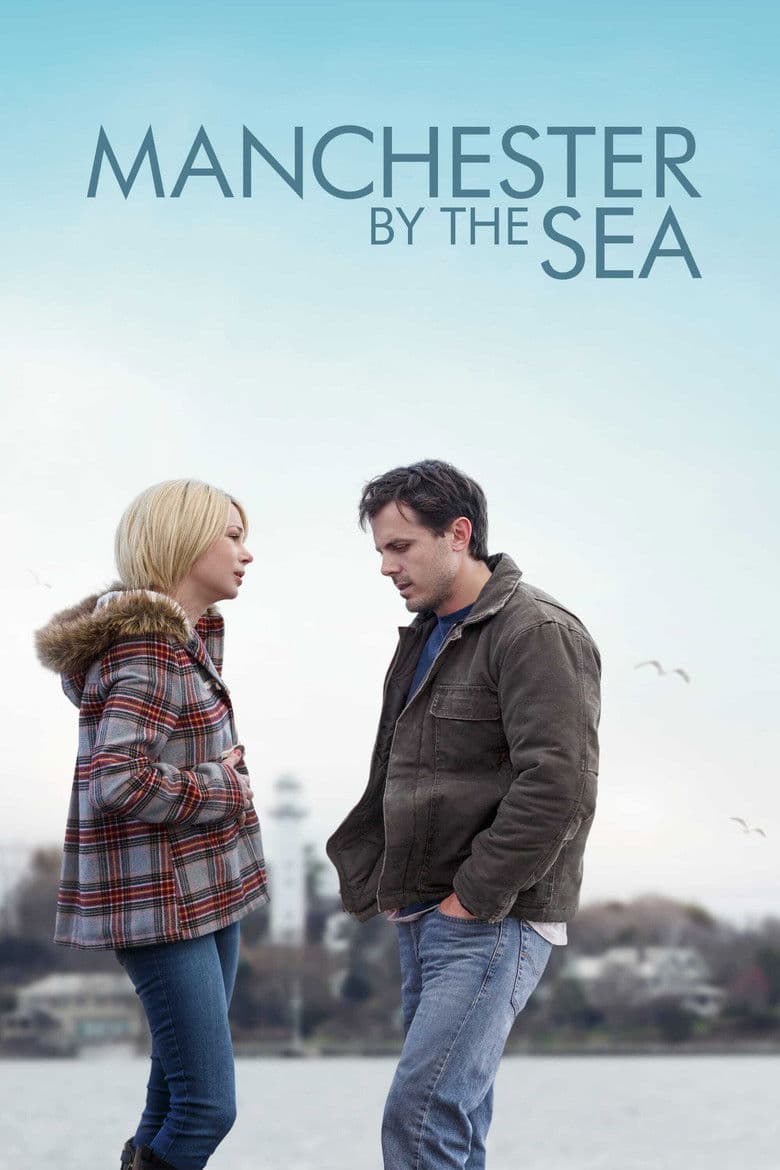
After his older brother passes away, Lee Chandler is forced to return home to care for his 16-year-old nephew.
