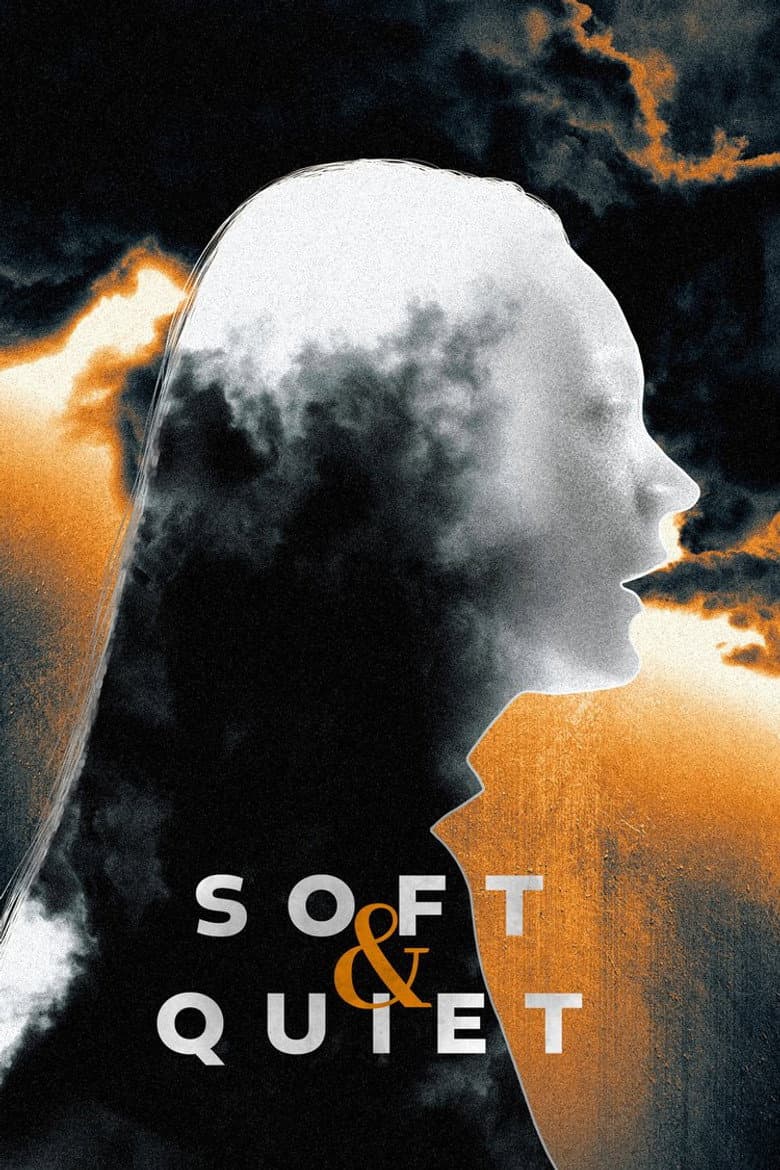
Soft & Quiet follows Emily, an elementary school teacher who gathers a group of women at a church in a quiet Oregon-area town. She presents the meeting as a friendly social event, but the women are building a white nationalist group called the Daughters for Aryan Unity. After they meet two mixed-race Asian sisters at a store, a petty dispute turns into a violent attack and a fight to hide what they have done. The film unfolds in real time with a tense, rough style that grows more frightening as ordinary talk becomes cruelty.
Race and white supremacy drive the whole story, from the group's plans to its insults and its choice of victims. The women complain about immigrants, Jews, Black Lives Matter, diversity rules, and women who do not follow their idea of family life. Emily also wants to use teaching and a soft, friendly image to spread the group's views, while the film shows white women using fear and claims of victimhood to gain power. The story presents hidden racism as a modern threat that can move from talk to hate crime, with anti-Asian violence and gender conflict shaping the final act.
Community feedback
Was our 87% Woke rating accurate?
Breakdown
These are the editorial factors and ratings behind our score for Soft & Quiet.
Woke representation / casting
Not present. The white women fit their white supremacist group, and the mixed-race Asian sisters are chosen for the racism conflict. The film does not show a diversity-first hero group or an identity-framed casting campaign.
0%
Woke political dialogue
The women repeatedly talk about immigrants, Jews, Black Lives Matter, diversity rules, and white identity. Emily describes teaching as a quiet way to shape children and grow the cause. The dialogue also covers traditional family values and uses an anti-gay slur. Political talk fills the meeting and returns during the attack.
78%
Identity-driven story themes
The film’s main story is about women building a white nationalist group and turning racial complaints into a hate crime. White supremacy, anti-Asian racism, female complicity, and group pressure control the characters’ choices. The movie shows hidden racism inside schools, churches, shops, and homes. It presents the spread of hate as a modern social danger.
92%
Western institutional / cultural critique
The film treats the church, school, family, and local business as places where white supremacist ideas can hide. Emily wants to use her job as a teacher to influence children, and the group dresses its hate in church manners and family values. The women use soft behavior and claims of female victimhood to control men and excuse violence. The movie does not attack Christianity or all Western institutions.
58%
Woke character or canon changes
Not relevant. The film is an original story and does not change established characters, canon, or real historical figures.
0%
Anti-woke backlash and complaints
A few Metacritic users called the film woke propaganda and said it attacked people who disagree with DEI. Other viewers mainly complained about the violence, pacing, or heavy message. The X research found no anti-woke reaction, so the backlash evidence is limited and fringe.
24%
Creator track record context
Beth de Araújo’s supplied creator profile shows repeated work about racism, white supremacy, sexual violence, and vulnerable groups. Her interviews connect this film to Amy Cooper, anti-Asian hate, and online TradLife white nationalism. Saba Zerehi and Joshua Beirne-Golden also support socially focused stories and culturally specific casts. Jason Blum and most other producers have lower or limited activist context.
58%
Production

Movie · 2018
Laurie Strode comes to her final confrontation with Michael Myers, the masked figure who has haunted her since she narrowly escaped his killing spree on Halloween night four…

Movie · 2025
A collection of Halloween-themed videotapes unleashes a series of twisted, blood-soaked tales, turning trick-or-treat into a struggle for survival.

Movie · 2022
Finney Blake, a shy but clever 13-year-old boy, is abducted by a sadistic killer and trapped in a soundproof basement where screaming is of little use.

Movie · 2024
Nothing is what it seems when a twisted one-night stand spirals into a serial killer’s vicious murder spree.
Movie · 2024
Patrick, a strange and lonely resident, lives in a mobile home at the back of an isolated caravan park. After a violent thunderstorm erupts, a mysterious young woman appears at…
Movie · 2021
The Blind Man has been hiding out for several years in an isolated cabin and has taken in and raised a young girl orphaned from a devastating house fire.
Movie · 2024
When an American family is invited to spend the weekend at the idyllic country estate of a charming British family they befriended on vacation, what begins as a dream holiday soon…

Movie · 2026
After a catastrophic military disaster reanimates the dead, Ava searches for her missing husband amidst an increasingly hostile world.
