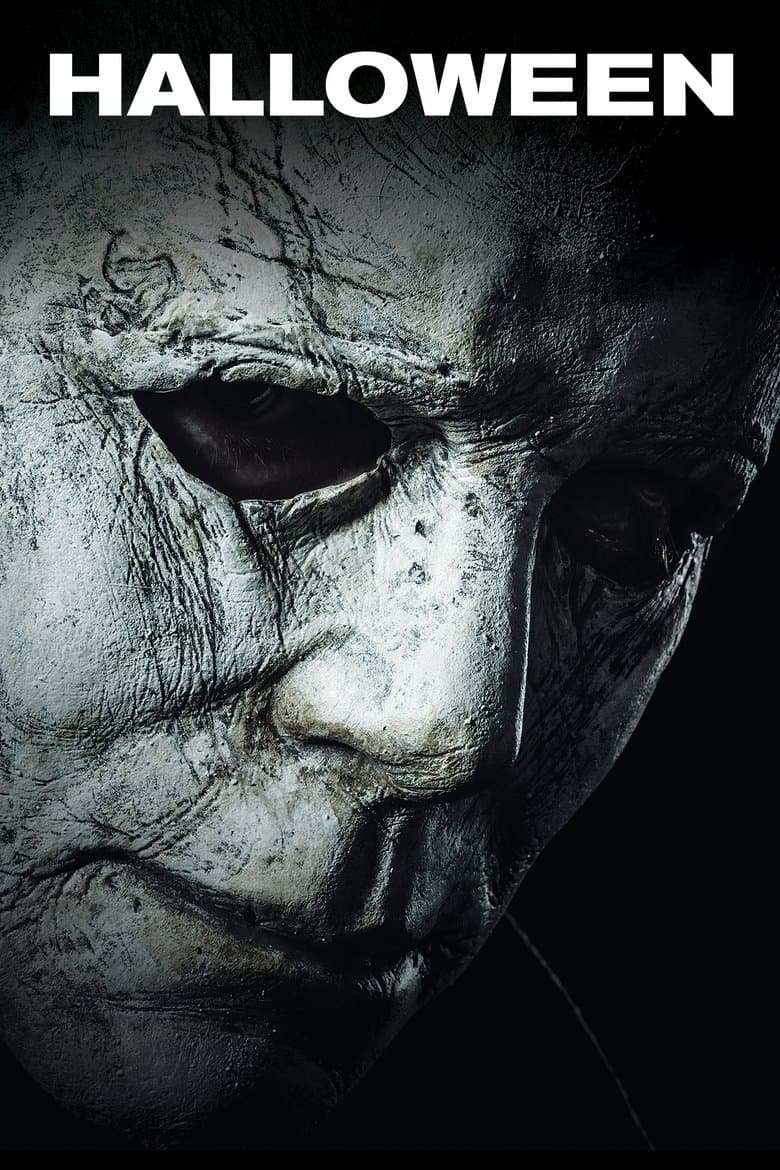
The 2018 film acts as a direct sequel to the 1978 original and follows Laurie Strode as she prepares for decades to confront the masked killer Michael Myers after his escape and return to Haddonfield. The story focuses on trauma survival, family reconciliation through shared threat, and a violent final showdown using practical horror tactics. Some critics interpreted the strong female survivor lead and trauma narrative through a #MeToo lens of empowerment against male violence, but the film presents these elements through classic slasher action and personal resilience without explicit activist dialogue or social messaging.
Community feedback
Was our 18% Woke rating accurate?
Breakdown
These are the editorial factors and ratings behind our score for Halloween.
Woke representation / casting
Casting uses a predominantly white ensemble that matches the Midwestern suburban setting and original film's cast with no evident race or gender swaps, forced diversity, or identity signaling in roles.
12%
Woke political dialogue
The film contains no explicit political speeches, activist lines, or modern ideological messaging; any empowerment reading comes from standard horror survival elements rather than injected commentary.
5%
Identity-driven story themes
Core focus stays on personal trauma, resilience, and generational effects with a female lead, following traditional slasher final girl conventions without modern identity politics, queer elements, or group representation emphasis.
15%
Western institutional / cultural critique
No depictions of toxic masculinity, patriarchy, traditional gender roles, or Western institutions as systemic flaws; the killer represents pure evil without broader activist indictments.
8%
Woke character or canon changes
Not relevant. The film selectively continues the 1978 storyline and characters without altering core identities, backstories, or demographics.
0%
Anti-woke backlash and complaints
Limited online mentions from some viewers questioning modern empowerment framing, but no prominent or widespread right-leaning criticism accusing the film of pushing DEI, identity politics, or woke agendas; most reactions stayed on horror execution.
10%
Creator track record context
Main writers and director come from non-political comedy and horror backgrounds; Jason Blum shows occasional liberal commentary while John Carpenter has expressed classical left-leaning views on capitalism and politics in past work, but the overall team shows no strong identity-driven or activist pattern.
18%
Production
Movie · 2021
When a young boy contracts a mysterious illness, his mother must decide how far she will go to protect him from terrifying forces in her past.
Movie · 2018
A man recently released from a mental institute inherits a mansion after his parents die. After a series of disturbing events, he comes to believe it is haunted.
Movie · 2025
When Polly receives a mysterious box, it comes with one rule: place inside something she needs, something she hates, and something she loves.
Movie · 2023
Father Gabriele Amorth, Chief Exorcist of the Vatican, investigates a young boy's terrifying possession and ends up uncovering a centuries-old conspiracy the Vatican has…
Movie · 2021
The Blind Man has been hiding out for several years in an isolated cabin and has taken in and raised a young girl orphaned from a devastating house fire.
Movie · 2017
Though Kevin has evidenced 23 personalities to his trusted psychiatrist, Dr. Fletcher, there remains one still submerged who is set to materialize and dominate all the others.

Movie · 2019
When a huge hurricane hits her hometown in Florida, Haley ignores evacuation orders to look for her father. After finding him badly wounded, both are trapped by the flood.
Movie · 2024
After raising an unnervingly talented spider in secret, 12-year-old Charlotte must face the truth about her pet and fight for her family's survival.
