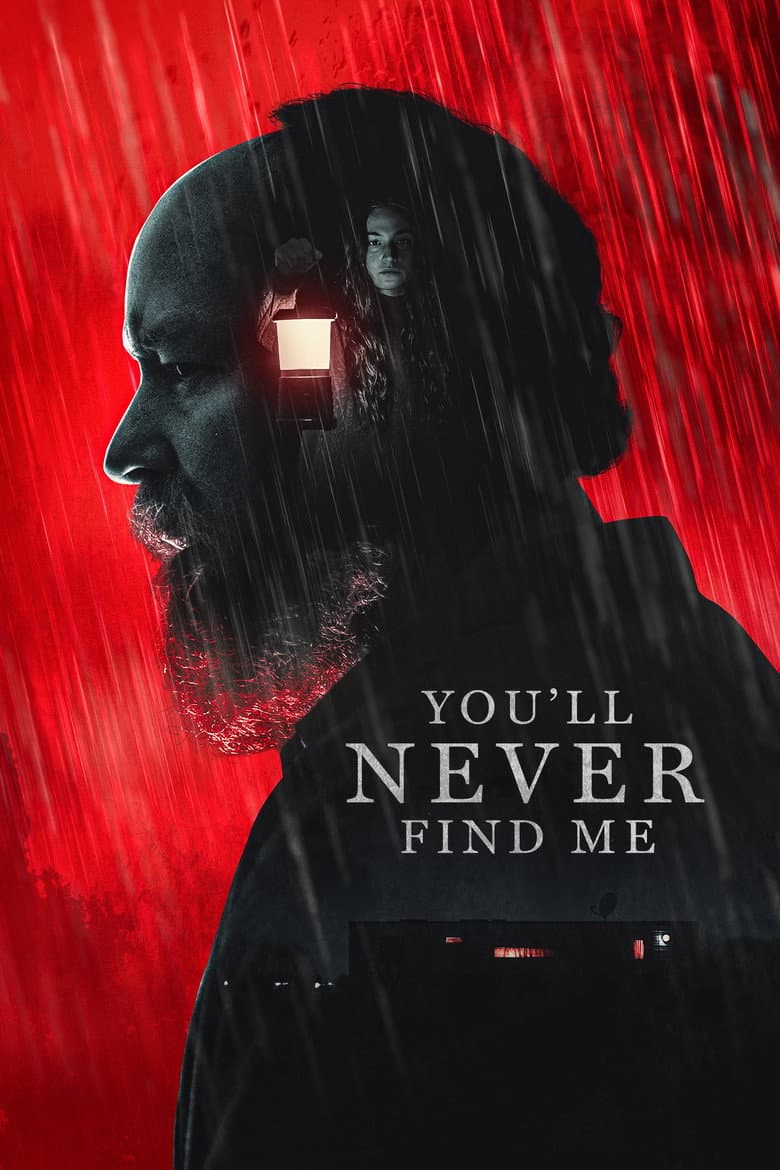
Patrick is a lonely man who lives in a small mobile home at the edge of an isolated caravan park. During a violent night storm, a young woman arrives at his door and asks to wait inside. Patrick offers her dry clothes, food, and a drink, but his kindness soon feels like a trap because he keeps blocking her efforts to leave. The film uses long talks, dark rooms, loud rain, and changing facts to create a slow, tense horror story about fear, lies, guilt, and a mind that can no longer trust what it sees.
The film gives its strongest social weight to the danger that can exist between an older man and a younger woman who are alone together. Patrick speaks about women in a cold and blaming way, and the story reveals that he has drugged and killed women before. The Visitor's fear and attempts to get away are central to the plot, while the final horror comes from Patrick being forced to face the women he harmed. These ideas make gender and male power visible, but the film stays focused on one killer's crimes and guilt rather than presenting a broad political program.
Community feedback
Was our 22% Woke rating accurate?
Breakdown
These are the editorial factors and ratings behind our score for You'll Never Find Me.
Woke representation / casting
Not present. The film uses a male lead and a female visitor in roles that fit the story. No identity statement, diversity campaign, or unusual casting pattern is shown or confirmed.
0%
Woke political dialogue
Not present. The characters do not use modern identity, DEI, or activist lines. Their talk centers on suspicion, guilt, religion, sleep, and murder.
0%
Identity-driven story themes
The film centers on an older man controlling a younger woman inside his home. The Visitor repeatedly tries to leave while Patrick uses food, drink, locked doors, and guilt to keep control. The story reveals that Patrick has drugged and killed other women, so the gendered danger is part of the main plot. The film presents this through personal horror instead of a wider activist message.
38%
Western institutional / cultural critique
Not present. The film does not attack modern Western institutions, family, Christianity, or traditional social rules. Patrick's talk about God reflects his personal nihilism and does not become a wider social message.
0%
Woke character or canon changes
Not relevant. The film is an original screenplay about Patrick and the Visitor. It does not adapt an established character, story, or real event with identity changes.
0%
Anti-woke backlash and complaints
Not present. The available X pass found no anti-woke reaction or specific complaints. Reviews and audience discussions focus on the film's pace, ambiguity, and ending rather than woke, DEI, or identity politics claims.
0%
Creator track record context
Josiah Allen has a 0/100 creator score, and Indianna Bell has an 18/100 score. Producer Ari Harrison has a 62/100 score because of work on queer and diversity-led projects. Jordan Cowan and Christine Williams have 0/100 scores. This mixed record adds limited background context, but the film itself does not carry a clear identity campaign.
16%
Production

Movie · 2019
When a huge hurricane hits her hometown in Florida, Haley ignores evacuation orders to look for her father. After finding him badly wounded, both are trapped by the flood.

Movie · 2022
Finney Blake, a shy but clever 13-year-old boy, is abducted by a sadistic killer and trapped in a soundproof basement where screaming is of little use.
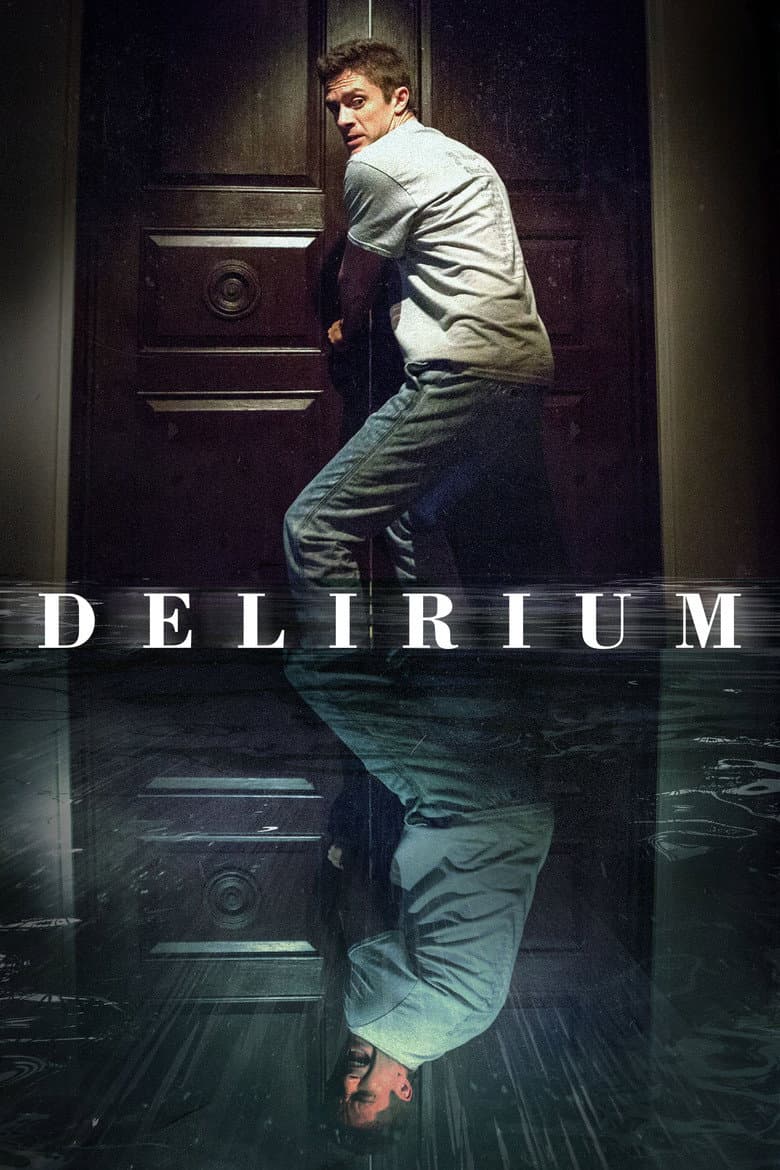
Movie · 2018
A man recently released from a mental institute inherits a mansion after his parents die. After a series of disturbing events, he comes to believe it is haunted.
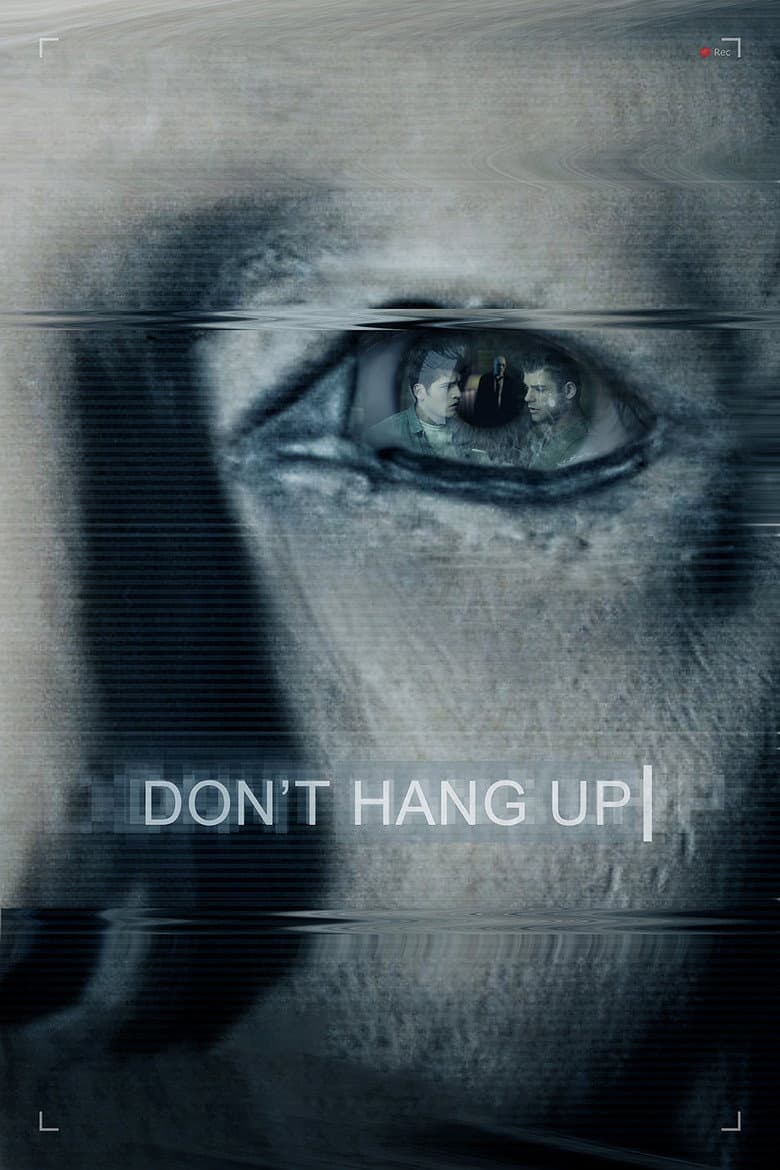
Movie · 2016
An evening of drunken prank calls becomes a nightmare for a pair of teenagers when a mysterious stranger turns their own game against them.

Movie · 2024
A grieving woman in a secluded forest encounters a killer who injects her with a paralytic drug. As her body shuts down, her fight for survival begins.

Movie · 2024
With his wife out sick, a struggling father brings home a lifelike AI, only to have his self-aware new help want everything her new family has to offer...

Movie · 2016
A deaf woman is stalked by a psychotic killer in her secluded home.
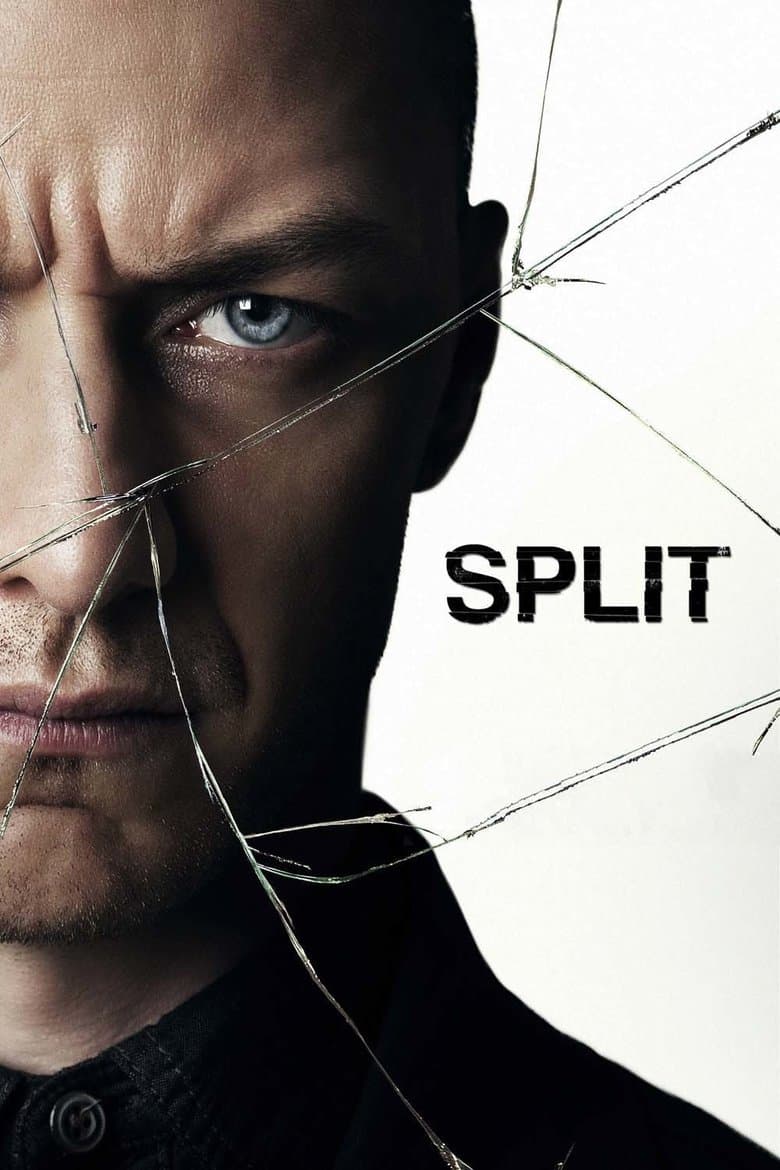
Movie · 2017
Though Kevin has evidenced 23 personalities to his trusted psychiatrist, Dr. Fletcher, there remains one still submerged who is set to materialize and dominate all the others.
