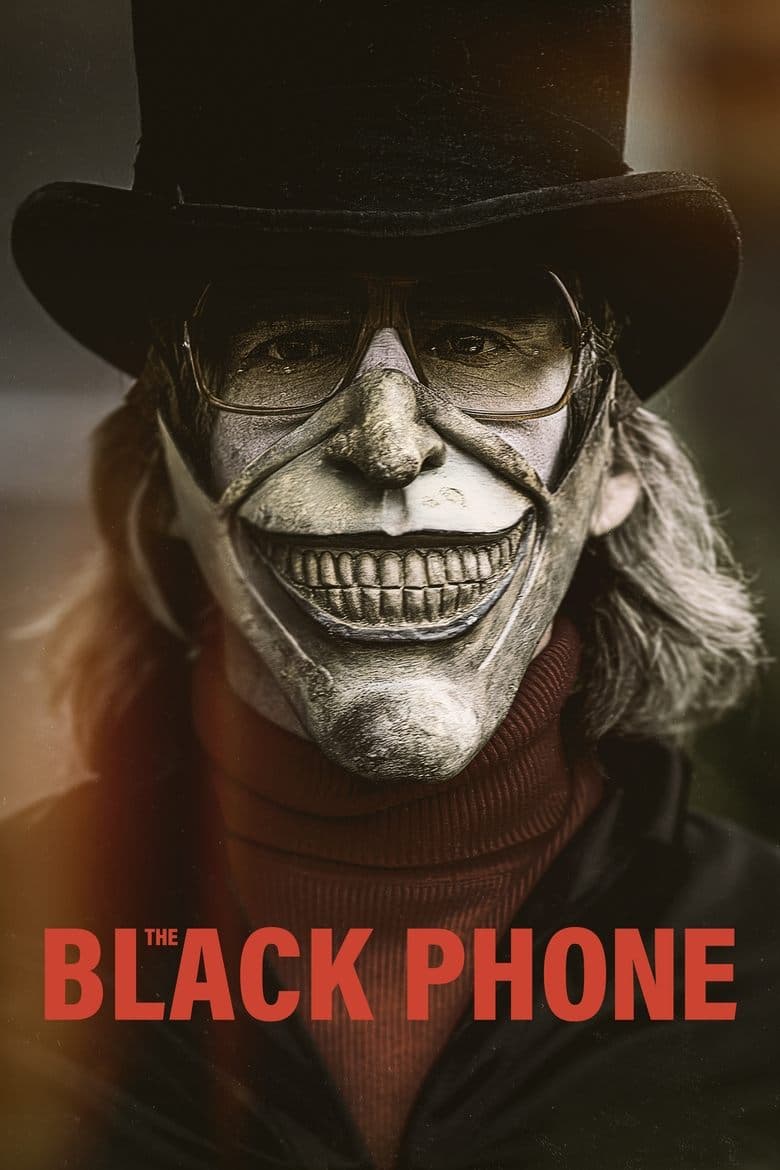
Finney Blake is a shy 13-year-old in 1978 Denver. A masked killer called the Grabber kidnaps boys from the neighborhood. Finney is locked in a soundproof basement with a dead black phone on the wall. The phone rings, and the ghosts of past victims guide him toward escape. The tone is tense, grim, and focused on childhood fear and survival.
The story centers on trauma, bullying, an abusive dad, and sibling loyalty. Finney’s sister Gwen has psychic dreams that help the police. Dead boys on the phone teach Finney how to fight back. Casting shows light diversity in supporting roles (a black detective, a Latino friend, an Asian victim) without making identity the point. Public talk was about scares and the villain’s performance, not about the movie pushing a social agenda. Some left critics said the Grabber felt “queer-coded,” which is not anti-woke backlash. Overall this plays as classic supernatural horror about kids under threat, not modern activist messaging.
Community feedback
Was our 14% Woke rating accurate?
Breakdown
These are the editorial factors and ratings behind our score for The Black Phone.
Woke representation / casting
Leads are a white boy, white sister, white villain, and white dad. Supporting roles include a black detective, a Latino friend, and an Asian victim. Diversity is light, story-fit, and not marketed as a diversity project. No race or gender swap of a famous established character.
18%
Woke political dialogue
Dialogue is about fear, escape tips from ghosts, family abuse, and school bullying. Period gay slurs appear as mean-kid insults, not as activist or social-justice speech.
5%
Identity-driven story themes
Core arc is a bullied boy surviving a child killer with help from dead victims and his sister. Themes are trauma, courage, and family. Gwen is capable and psychic as a sibling plot, not modern identity-politics messaging.
0%
Western institutional / cultural critique
The dad is an abusive alcoholic; school bullies are cruel. That is personal danger in a horror story. Police try to solve the case. The film does not reframe this as a lecture on patriarchy, whiteness, or broken Western systems.
10%
Woke character or canon changes
Not relevant. Changes from the short story (younger psychic Gwen, more ghosts, magician-style Grabber, fuller ending) expand the plot for a feature film and are not identity- or DEI-driven rewrites.
0%
Anti-woke backlash and complaints
No meaningful right-leaning wave calling the film too woke, DEI-driven, or agenda propaganda. Contested “queer-coding” complaints came mainly from progressive critics and do not count for this factor.
0%
Creator track record context
Key creatives score low on the cached list (Derrickson, Cargill, Hill, Blumhouse team). Patterns center on genre craft and, for Derrickson, faith-related themes more than activist identity work. Blum is the mild outlier.
12%
Production
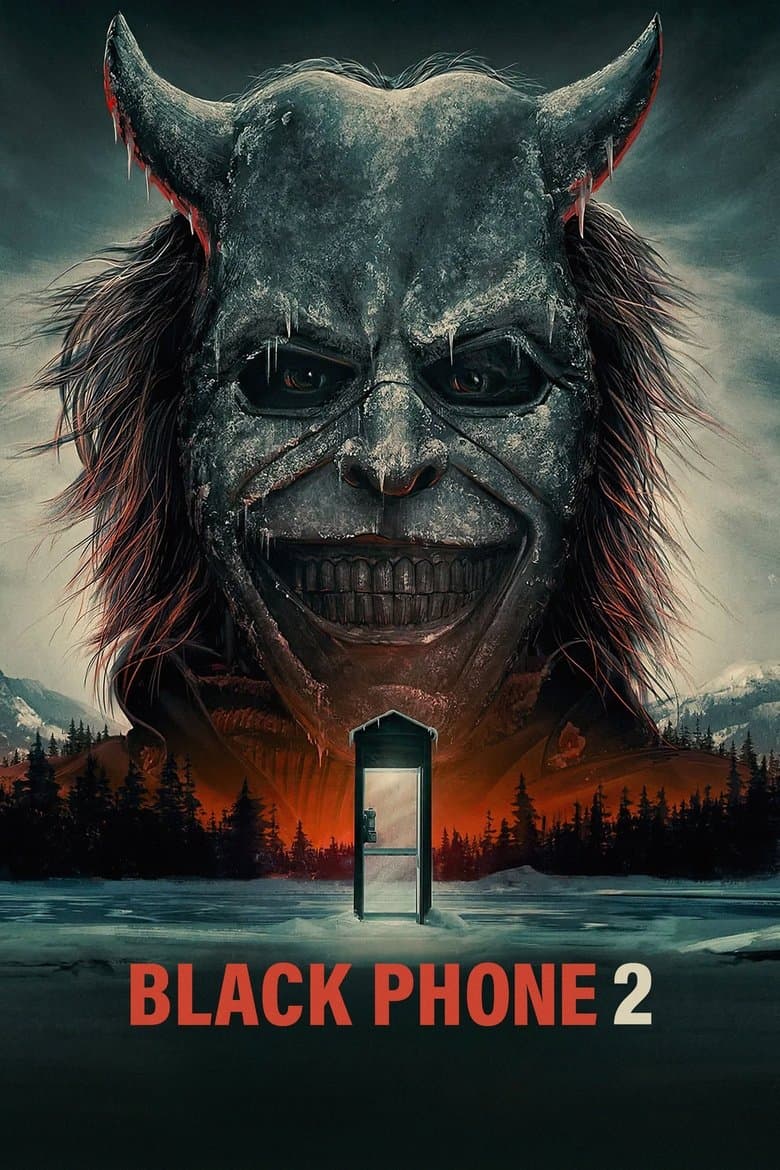
Movie · 2025
Four years after defeating The Grabber, Finney Blake is struggling with life after captivity. When his younger sister Gwen begins receiving calls in her dreams from the Black…
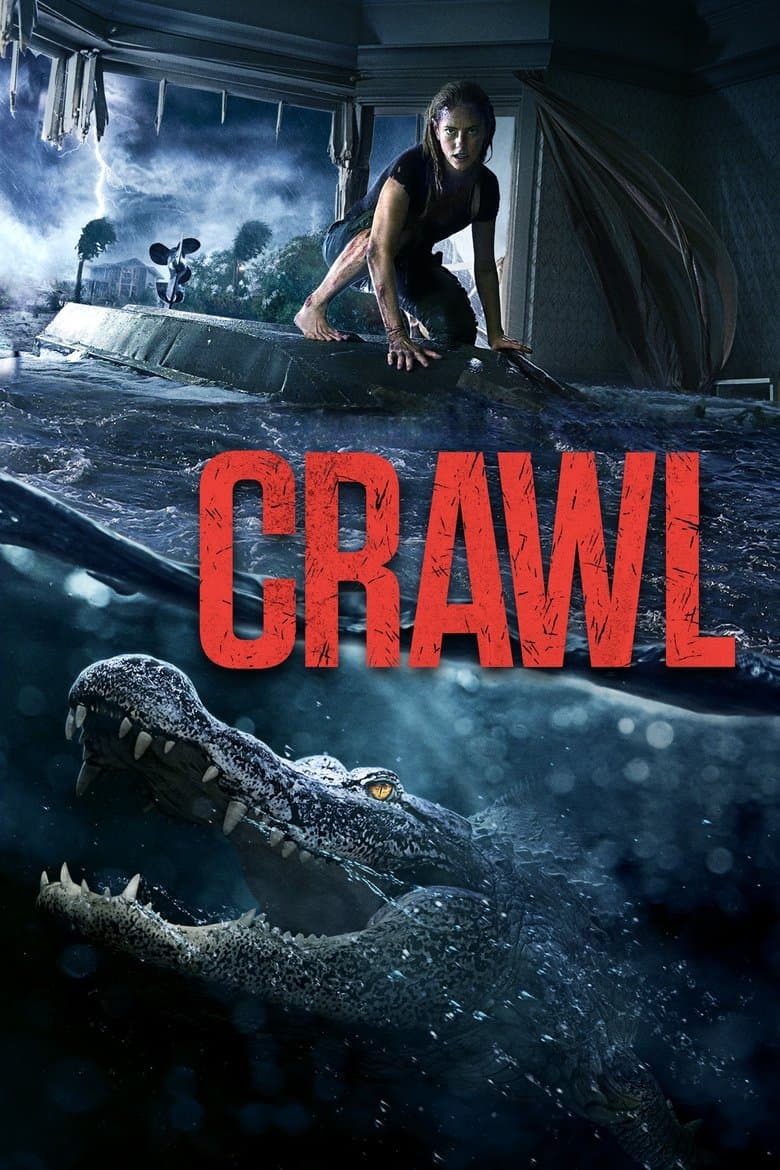
Movie · 2019
When a huge hurricane hits her hometown in Florida, Haley ignores evacuation orders to look for her father. After finding him badly wounded, both are trapped by the flood.
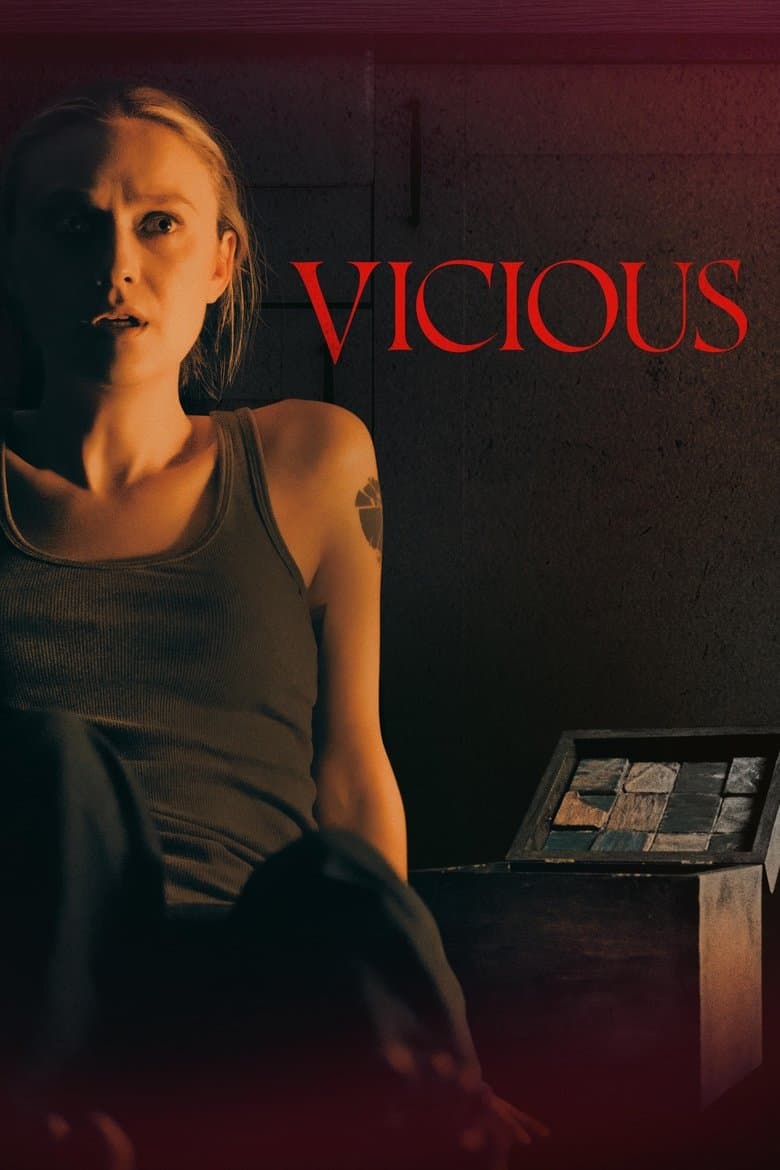
Movie · 2025
When Polly receives a mysterious box, it comes with one rule: place inside something she needs, something she hates, and something she loves.
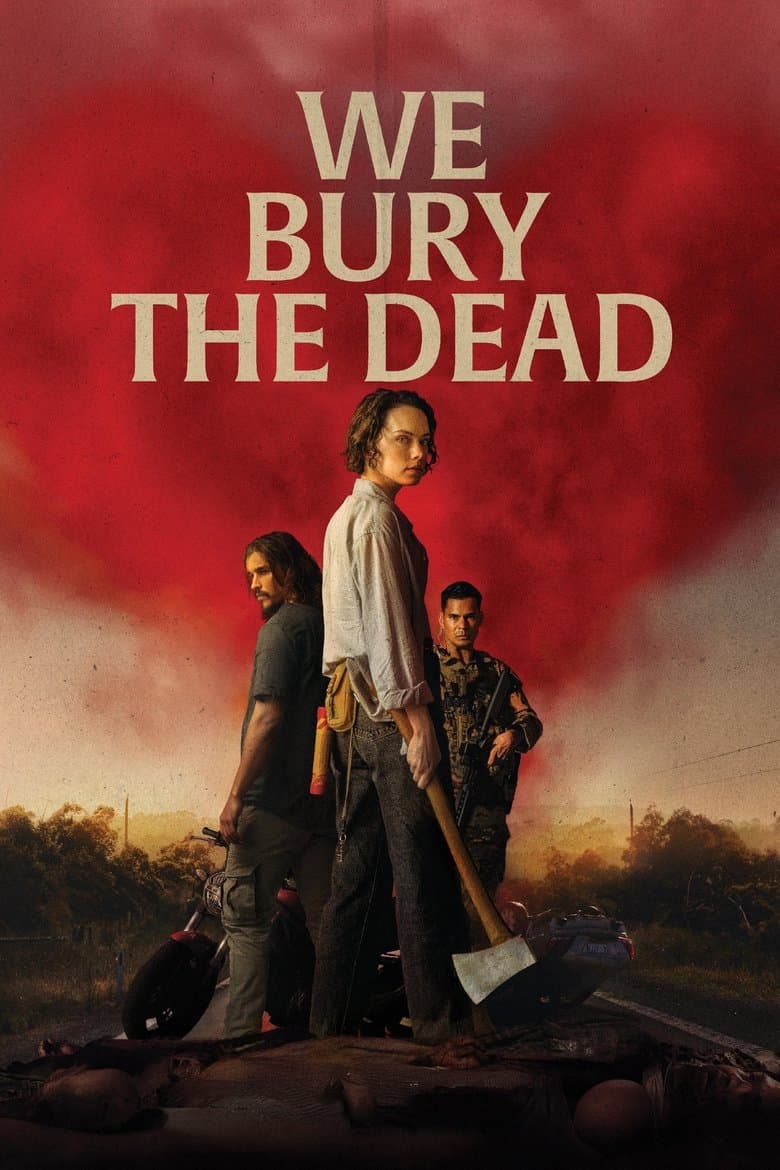
Movie · 2026
After a catastrophic military disaster reanimates the dead, Ava searches for her missing husband amidst an increasingly hostile world.
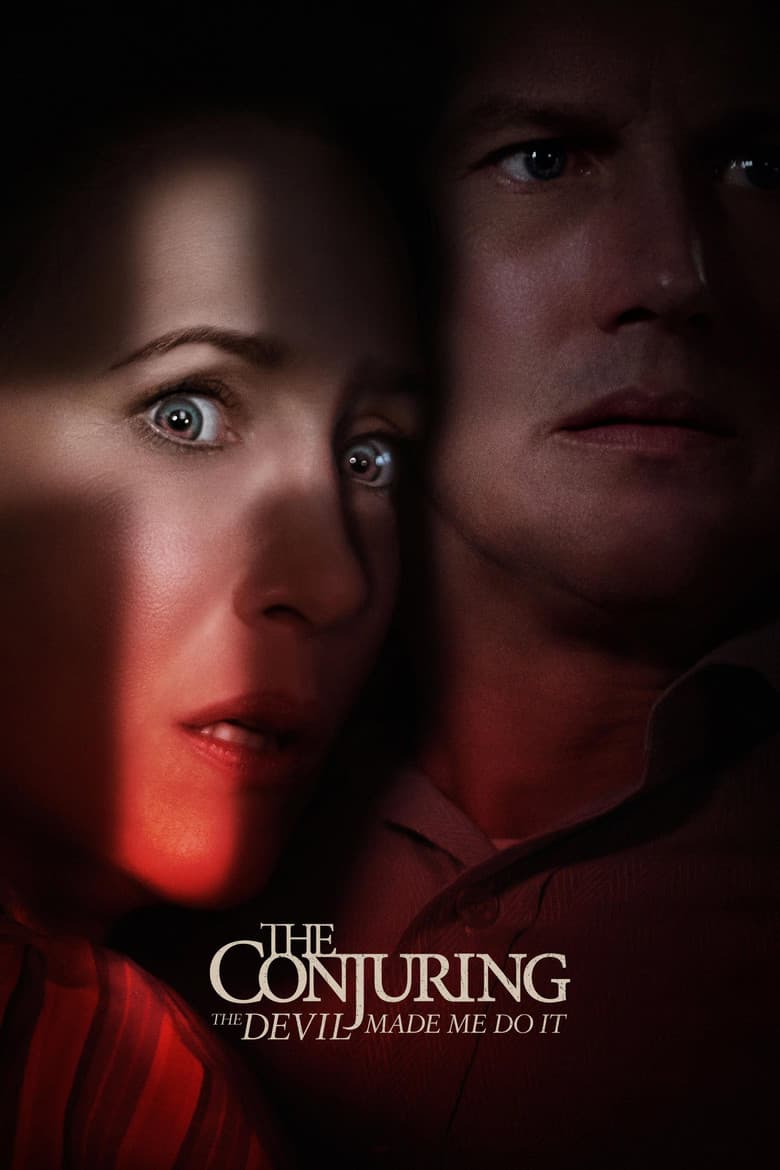
Movie · 2021
Paranormal investigators Ed and Lorraine Warren encounter what would become one of the most sensational cases from their files.
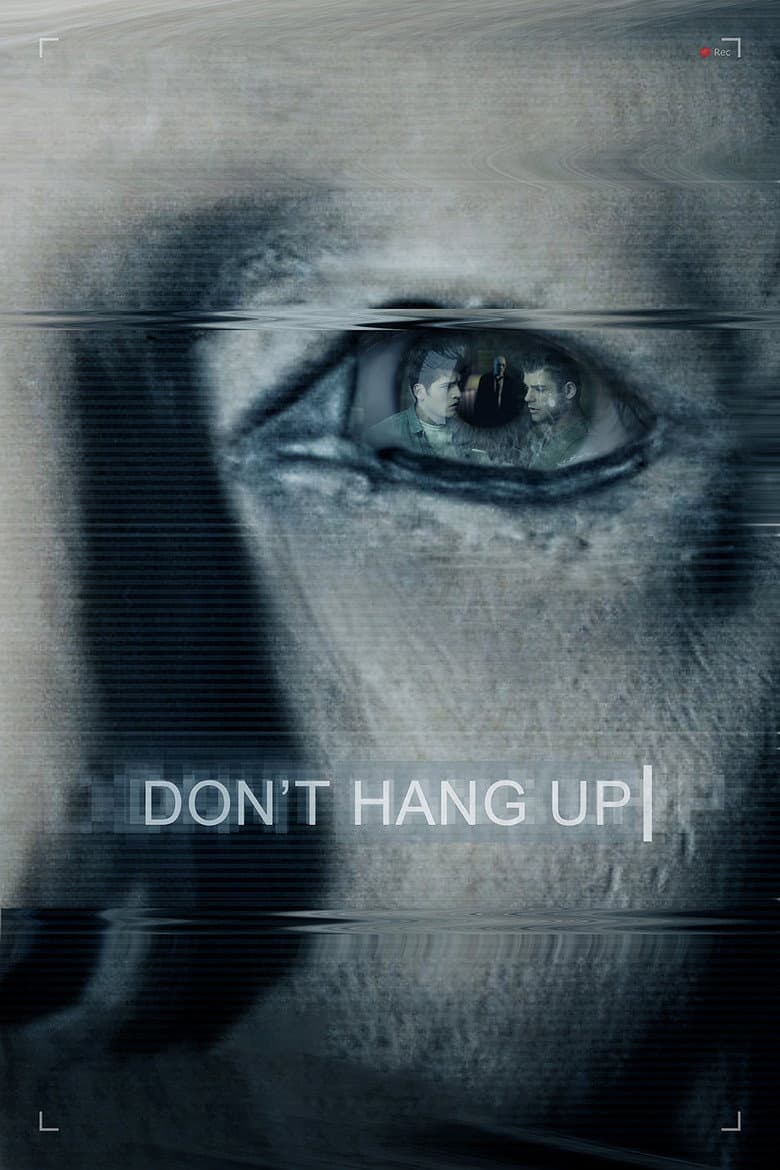
Movie · 2016
An evening of drunken prank calls becomes a nightmare for a pair of teenagers when a mysterious stranger turns their own game against them.
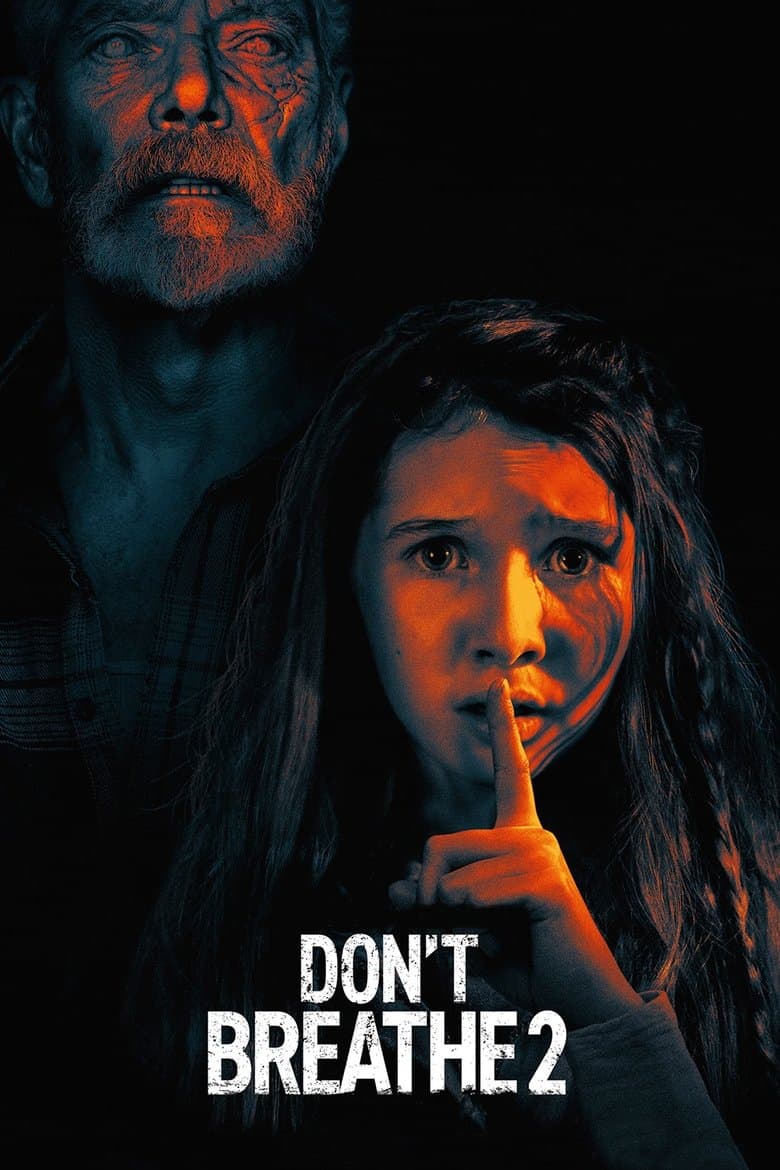
Movie · 2021
The Blind Man has been hiding out for several years in an isolated cabin and has taken in and raised a young girl orphaned from a devastating house fire.
Movie · 2025
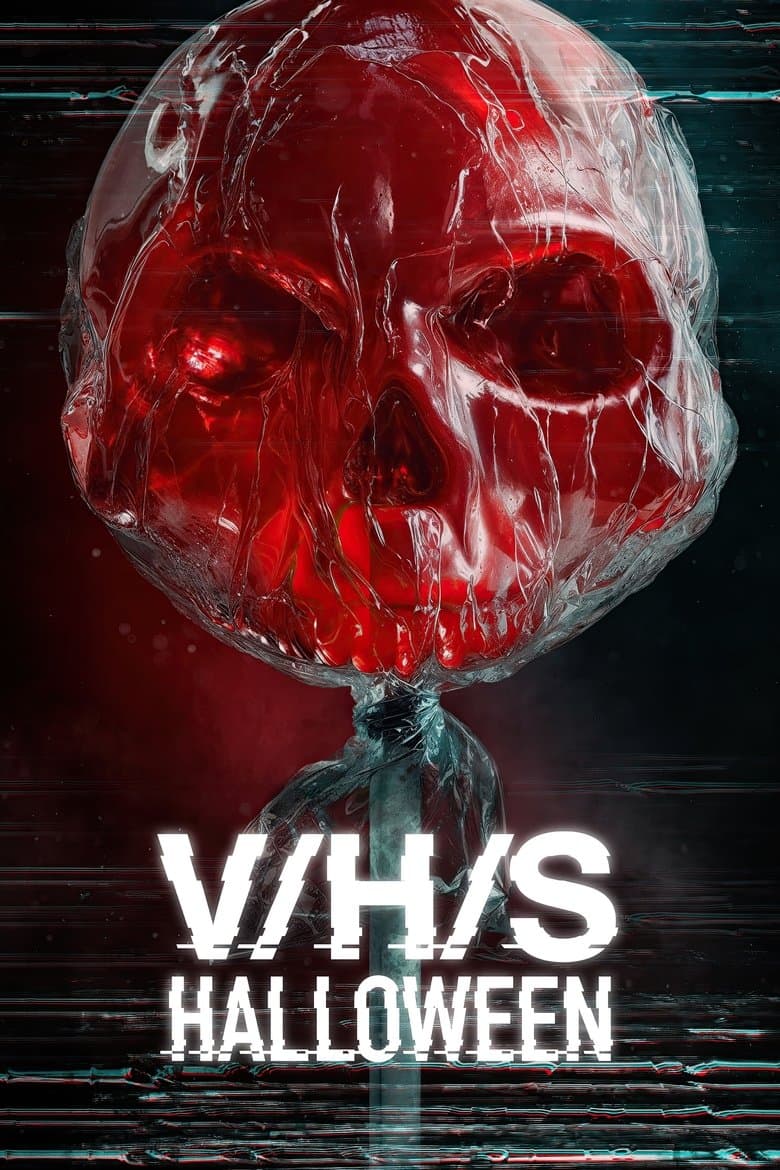
A collection of Halloween-themed videotapes unleashes a series of twisted, blood-soaked tales, turning trick-or-treat into a struggle for survival.
