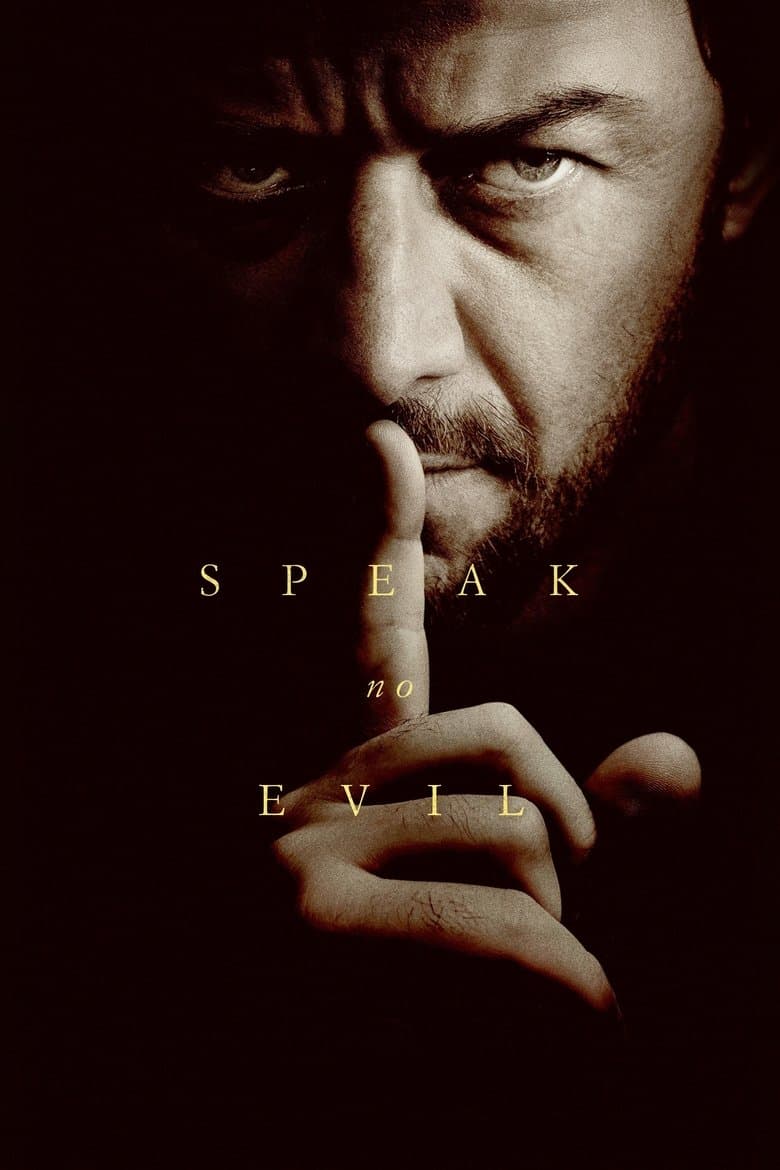
Speak No Evil (2024) is a psychological horror thriller remake in which an American family vacationing in Italy befriends a charming British couple and accepts an invitation to their remote Devon farmhouse, where the weekend spirals into manipulation, violence, and survival. The story centers on the dangers of excessive politeness, the need for honest communication in marriage and parenting, and how parents shape their children. Light touches on toxic masculinity and lifestyle clashes appear in service of the thriller tension but remain secondary and non-dominant.
Community feedback
Was our 28% Woke rating accurate?
Breakdown
These are the editorial factors and ratings behind our score for Speak No Evil.
Woke representation / casting
Conventional casting that matches the story’s British estate and American family premise with no audience-visible diversity emphasis or identity signaling.
12%
Woke political dialogue
Occasional light lifestyle contrasts (vegetarianism versus meat-eating, city versus rural values) appear but never become sustained ideological speeches or activist framing.
18%
Identity-driven story themes
The narrative focuses on family survival, politeness failures, and personal honesty rather than race, gender identity, or group-based identity politics.
8%
Western institutional / cultural critique
Explores toxic masculinity via the villain’s manipulative charm and the protagonist’s passive response, plus broader commentary on social niceties and conflict avoidance; several reviews highlight these elements, yet they stay secondary to the horror plot.
32%
Woke character or canon changes
Not present in this title.
0%
Anti-woke backlash and complaints
Sparse viewer notes criticize the “beta male” lead and wife-led moments as emasculating and the remake as softened for wider appeal, but these remain fringe comments with no organized or prominent “too woke” campaign.
12%
Creator track record context
Core creative team (Watkins and Tafdrup brothers) works in atmospheric horror and social satire with documented avoidance of political agendas; supporting producers and casting staff show only mild industry diversity involvement and no dominant activist patterns.
14%
Production
Movie · 2017
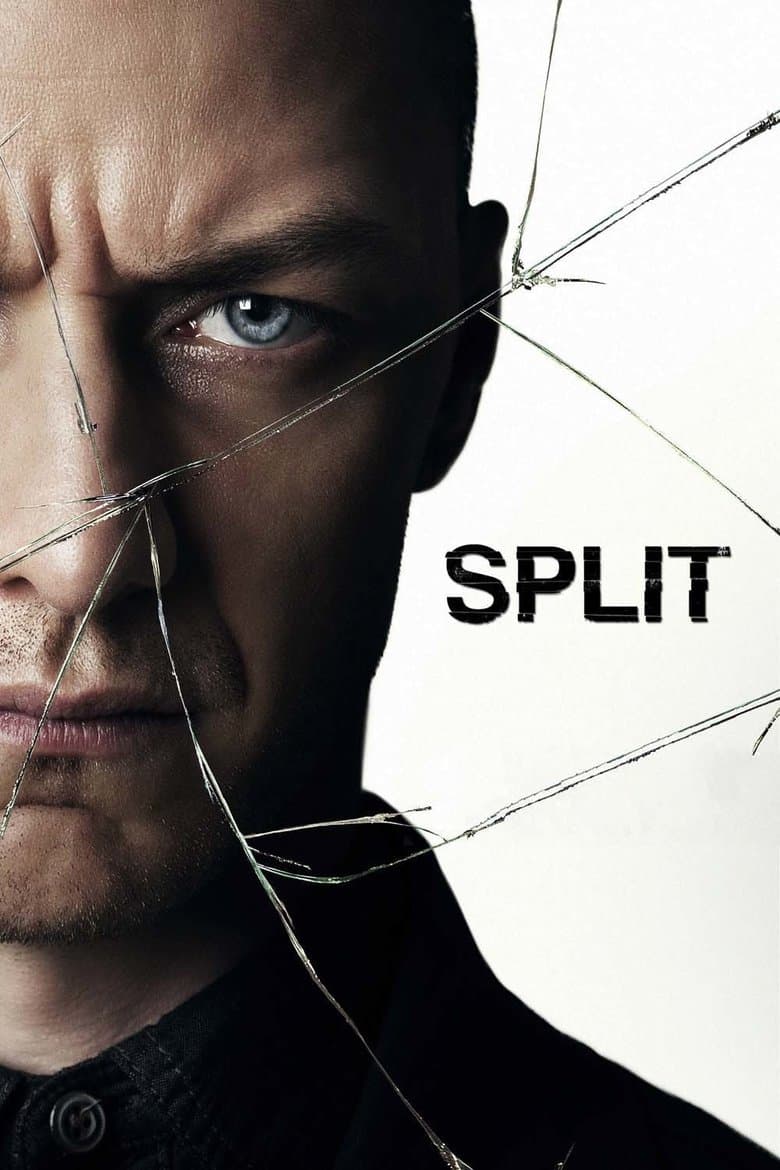
Though Kevin has evidenced 23 personalities to his trusted psychiatrist, Dr. Fletcher, there remains one still submerged who is set to materialize and dominate all the others.

Movie · 2019
When a huge hurricane hits her hometown in Florida, Haley ignores evacuation orders to look for her father. After finding him badly wounded, both are trapped by the flood.
Movie · 2021
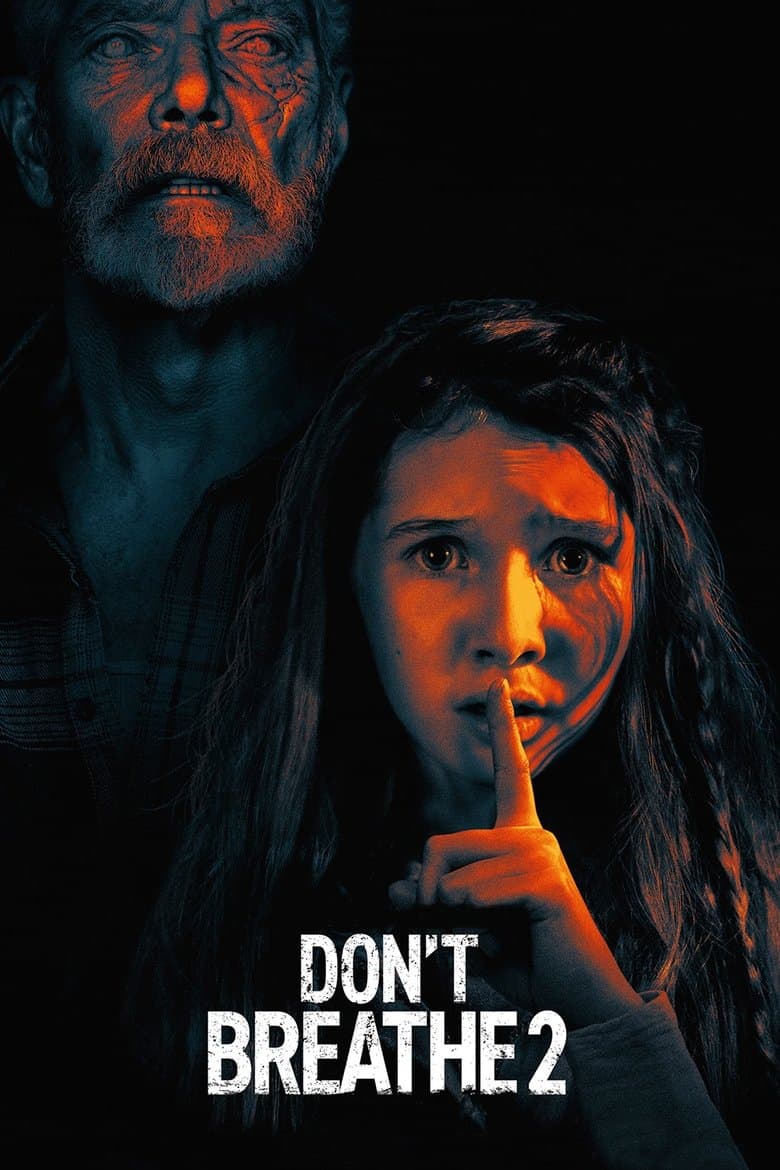
The Blind Man has been hiding out for several years in an isolated cabin and has taken in and raised a young girl orphaned from a devastating house fire.
Movie · 2026
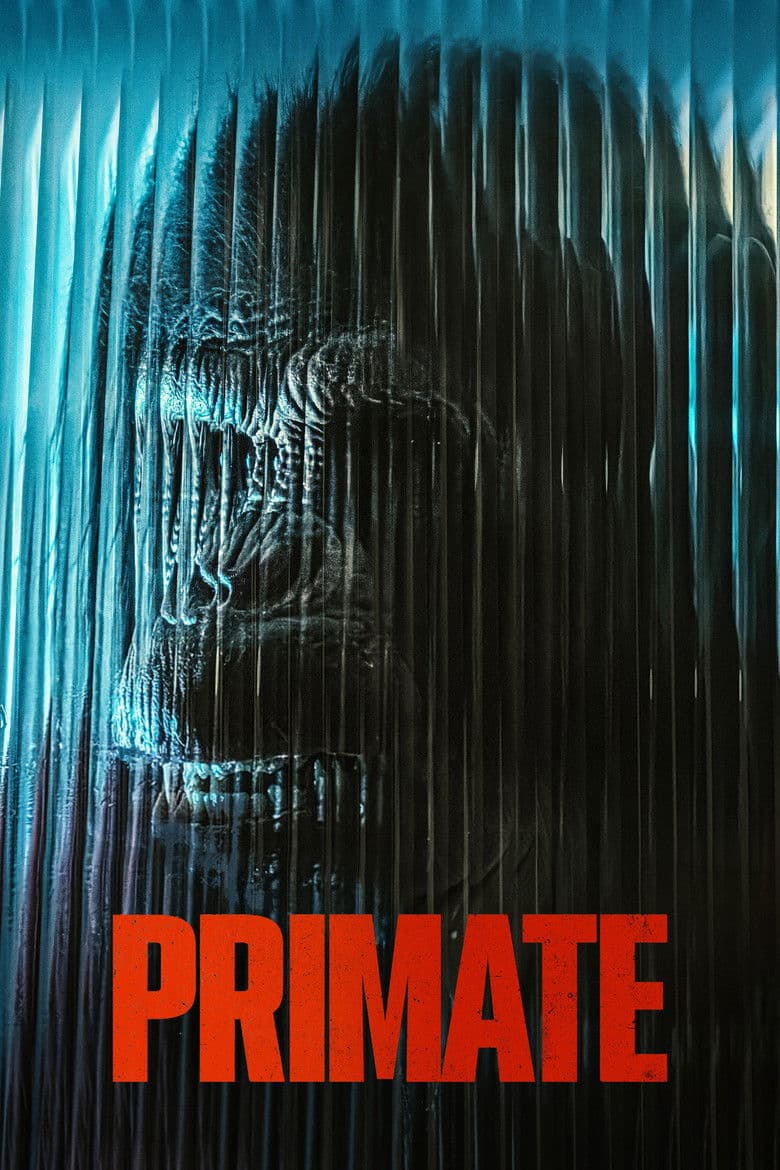
College student Lucy and her friends spend their vacation at her family's home in Hawaii, which includes her pet chimpanzee, Ben.
Movie · 2026
After a young couple witnesses a gruesome highway accident, they soon realize they did not leave the crash scene alone, as a demonic presence called the Passenger that won't stop…

Movie · 2026
After a catastrophic military disaster reanimates the dead, Ava searches for her missing husband amidst an increasingly hostile world.

Movie · 2016
A deaf woman is stalked by a psychotic killer in her secluded home.

Movie · 2020
When an outbreak hits, Aidan barricades himself inside his apartment and starts rationing food. His complex is overrun by infected Screamers, and with the world falling apart into…
