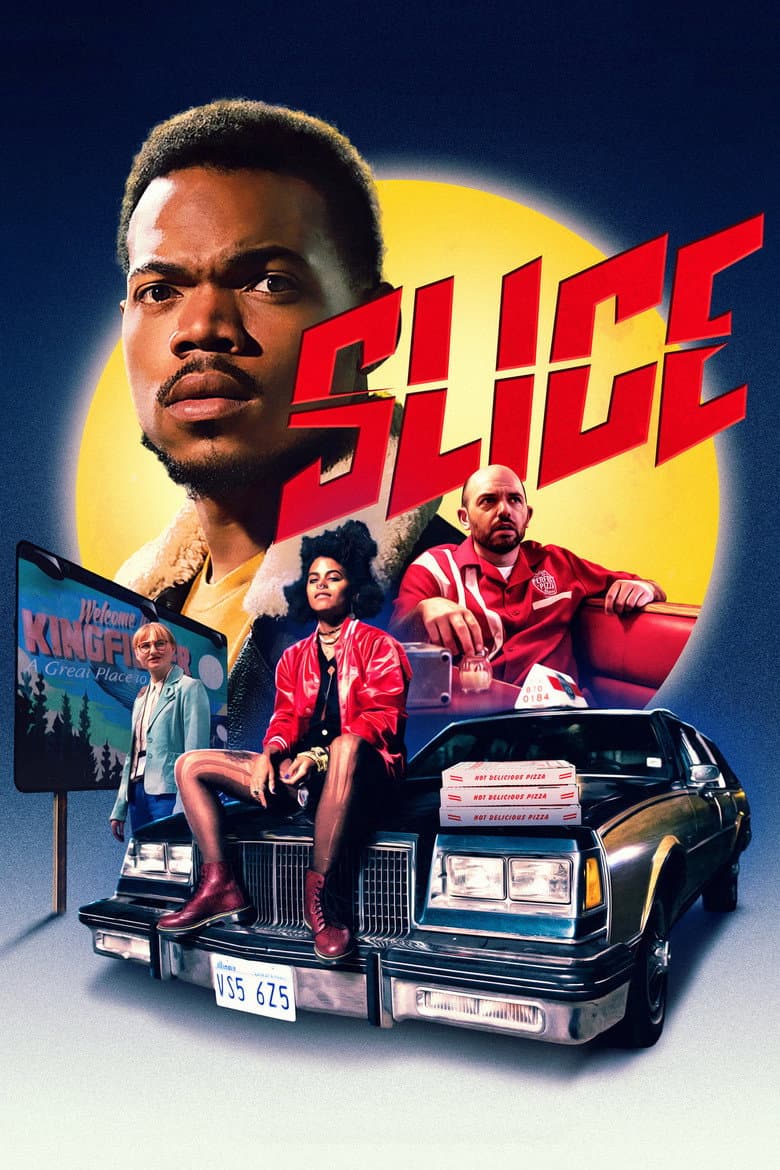
Slice follows Astrid, a former pizza worker who investigates after her ex-boyfriend and several delivery drivers are murdered. The case takes place in Kingfisher, a small American town where ghosts, werewolves, witches, and humans live in the same world. Dax, a werewolf who used to deliver Chinese food, becomes a suspect even though he wants a quiet life. The movie uses bright colors, gore, odd jokes, and old horror-movie style to tell a loose murder mystery.
The clearest woke material comes from the town’s treatment of its ghosts. The mayor moves them into a separate area called Ghost Town, builds a shopping center over their mass grave, and uses fear of them to gain support. An activist group demands justice for the 40,000 dead, calls capitalism an evil, and helps drive the conflict, while the film also shows that its leaders use the murders for their own plan. The movie therefore includes noticeable but uneven ideas about segregation, discrimination, media fear, city power, and anti-capitalism, but these ideas stay underdeveloped beside the supernatural comedy.
Community feedback
Was our 40% Woke rating accurate?
Breakdown
These are the editorial factors and ratings behind our score for Slice.
Woke representation / casting
The film places black actors Chance the Rapper and Zazie Beetz in two of its most visible roles. Astrid is an active investigator, and Dax is a major supernatural lead. The story does not present their race as a message or describe the casting as a diversity goal. The cast gives a mild representation signal, but it does not look like a representation-first design.
15%
Woke political dialogue
The activist group says the shopping center sits on an unjust grave and calls capitalism an evil. The mayor uses anti-ghost language, moves ghosts to their own area, and later admits he worked with the activist group. The reporter attacks the corporate media machine, and characters speak about human rights and public fear. These lines return during the protest and murder plot, but the movie delivers them as broad comedy and gives the activist leaders selfish motives.
38%
Identity-driven story themes
The film treats the ghosts as a group pushed away from the main town. The mayor builds over their burial ground and blames them for murders, while Dax is suspected because he is a werewolf. The story links this fear to segregation, profiling, and gentrification and ends with different groups working together. The message matters to the mystery, but the short runtime and many monster jokes leave it uneven.
42%
Western institutional / cultural critique
The mayor turns a mass grave into a shopping center and uses public fear to protect a development plan. The police treat Dax as guilty because of prejudice against werewolves. The film also mocks the news media, local politics, and an activist group that uses murder to gain power. The critique is visible and modern, but it is aimed at corrupt people as well as institutions and is played for laughs.
37%
Woke character or canon changes
Not relevant. Slice is an original story, so it does not change an established character, canon, or real historical figure.
0%
Anti-woke backlash and complaints
Not present. The separate X check found no anti-woke reaction or specific complaints. Other coverage and audience posts focused on the film’s quality, pacing, release plan, and strange style, not woke or DEI messaging.
0%
Creator track record context
Austin Vesely’s cached record is mainly stylized music videos and genre filmmaking, not political advocacy. The cached producer records show little evidence of DEI or activist work, with one producer carrying only a mild signal. The casting team has some representation-aware work, but no strong activist public profile is documented. This gives mild context, while the film’s own themes matter more.
11%
Production
Movie · 2019
A driving instructor must use her other-worldly gifts to save a lonely man’s daughter from a rock star looking to use her for Satanic purposes.
Movie · 2018
A zombie apocalypse threatens the sleepy town of Little Haven—at Christmas—forcing Anna and her friends to fight, slash, and sing their way to survival.
Movie · 2024
After a family tragedy, three generations of the Deetz family return home to Winter River. Still haunted by Betelgeuse, Lydia's life is turned upside down when her teenage…
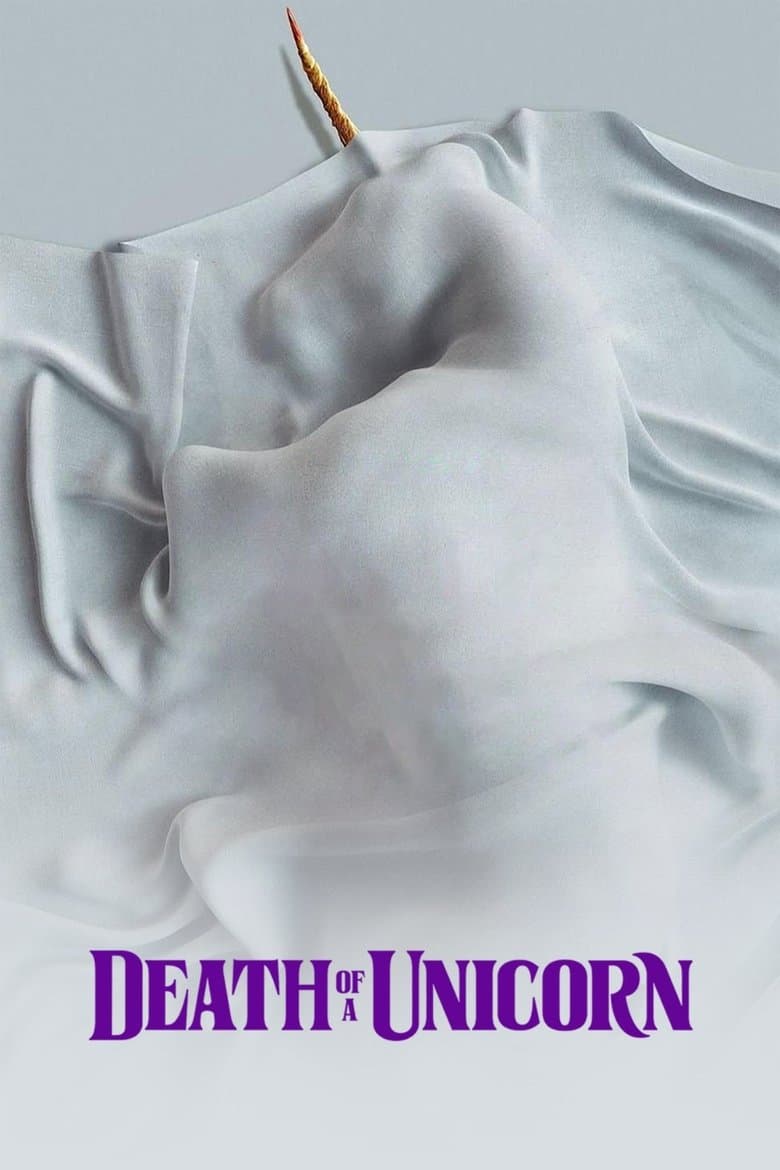
Movie · 2025
A father and daughter accidentally hit and kill a unicorn while en route to a weekend retreat, where his billionaire boss seeks to exploit the creature’s miraculous curative…
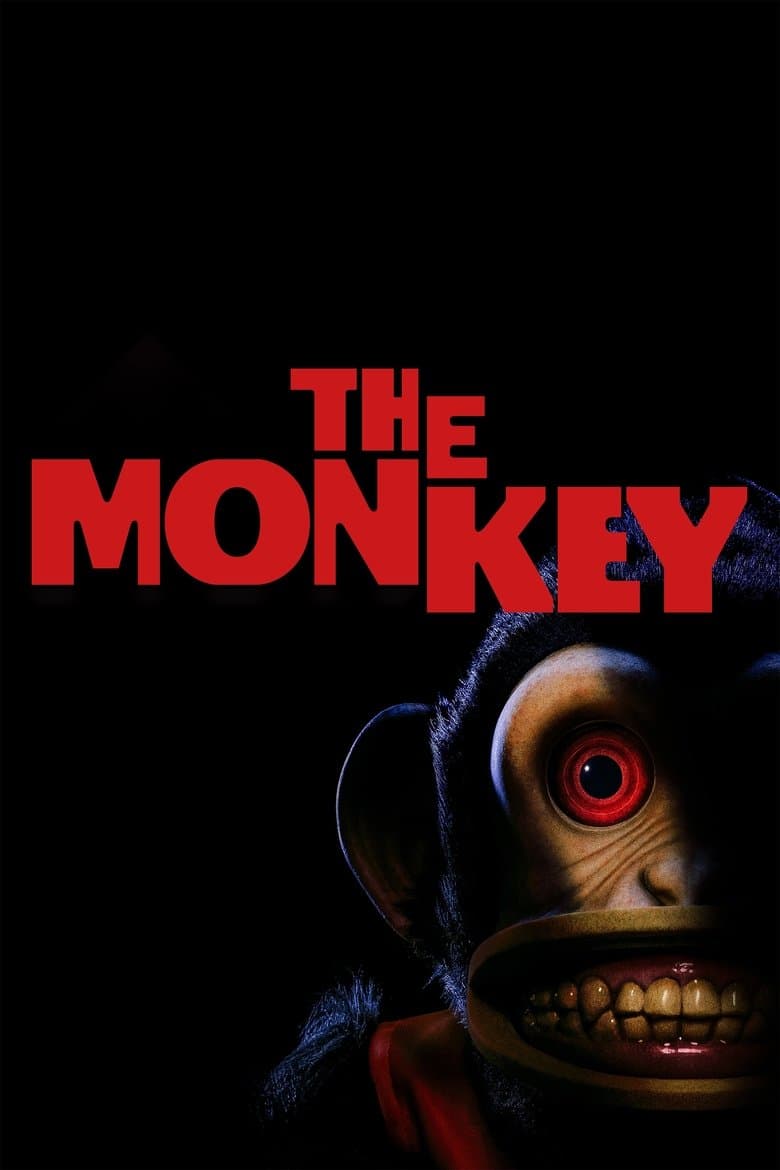
Movie · 2025
When twin brothers find a mysterious wind-up monkey, a series of outrageous deaths tear their family apart. Twenty-five years later, the monkey begins a new killing spree forcing…
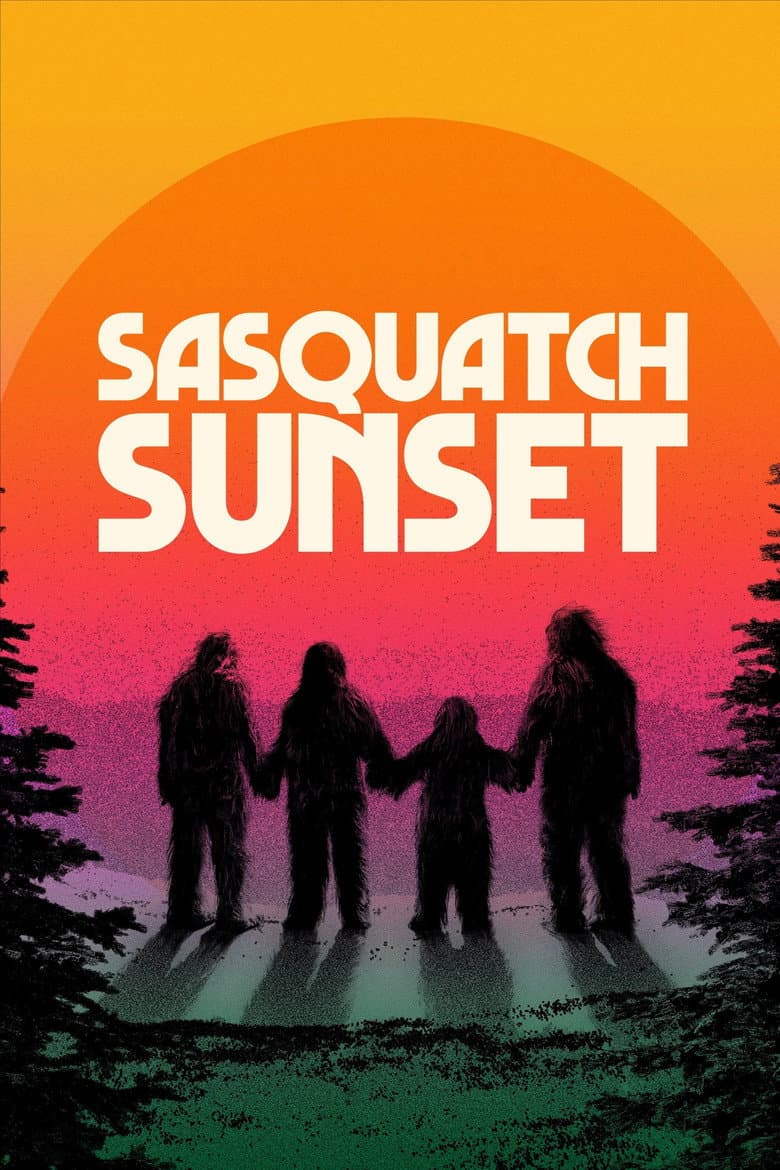
Movie · 2024
In the misty forests of North America, a family of Sasquatches—possibly the last of their enigmatic kind—embark on an absurdist, epic, hilarious, and ultimately poignant journey…
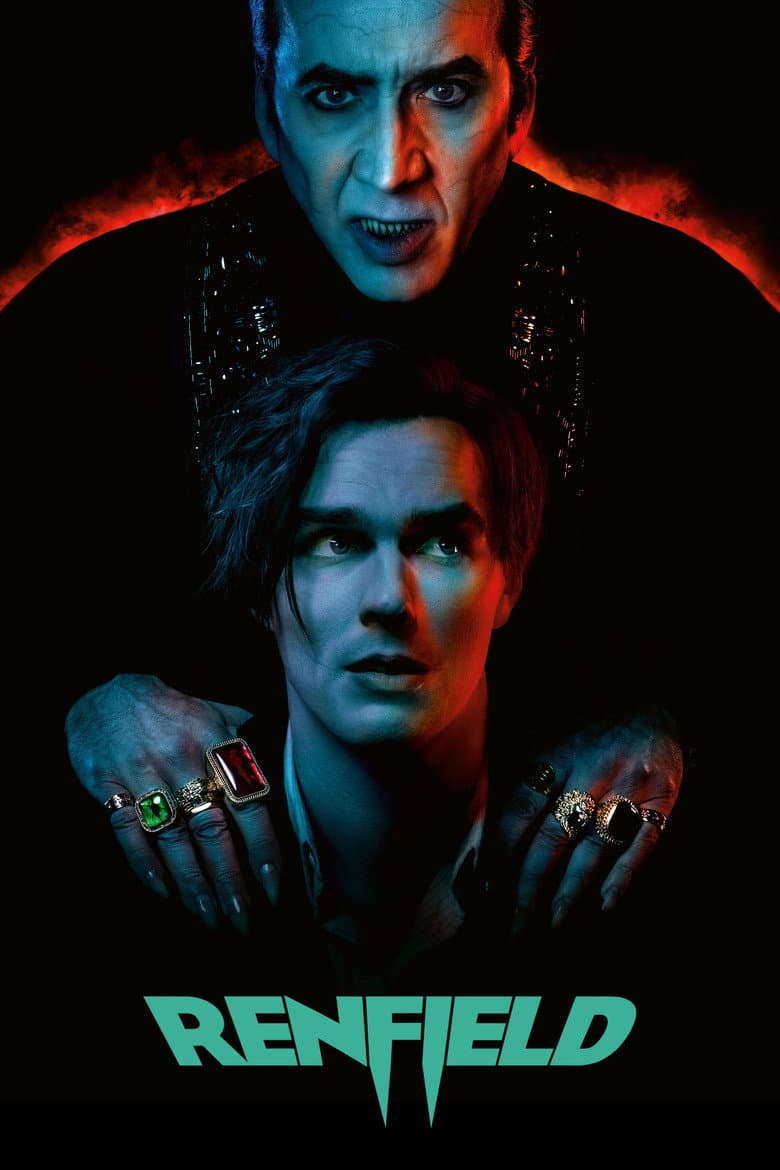
Movie · 2023
Having grown sick and tired of his centuries as Dracula's lackey, Renfield finds a new lease on life — and maybe even redemption — when he falls for feisty, perennially angry…
Movie · 2026
Moments after surviving an all-out attack from the Le Domas family, Grace discovers she’s reached the next level of the nightmarish game — and this time with her estranged sister…
