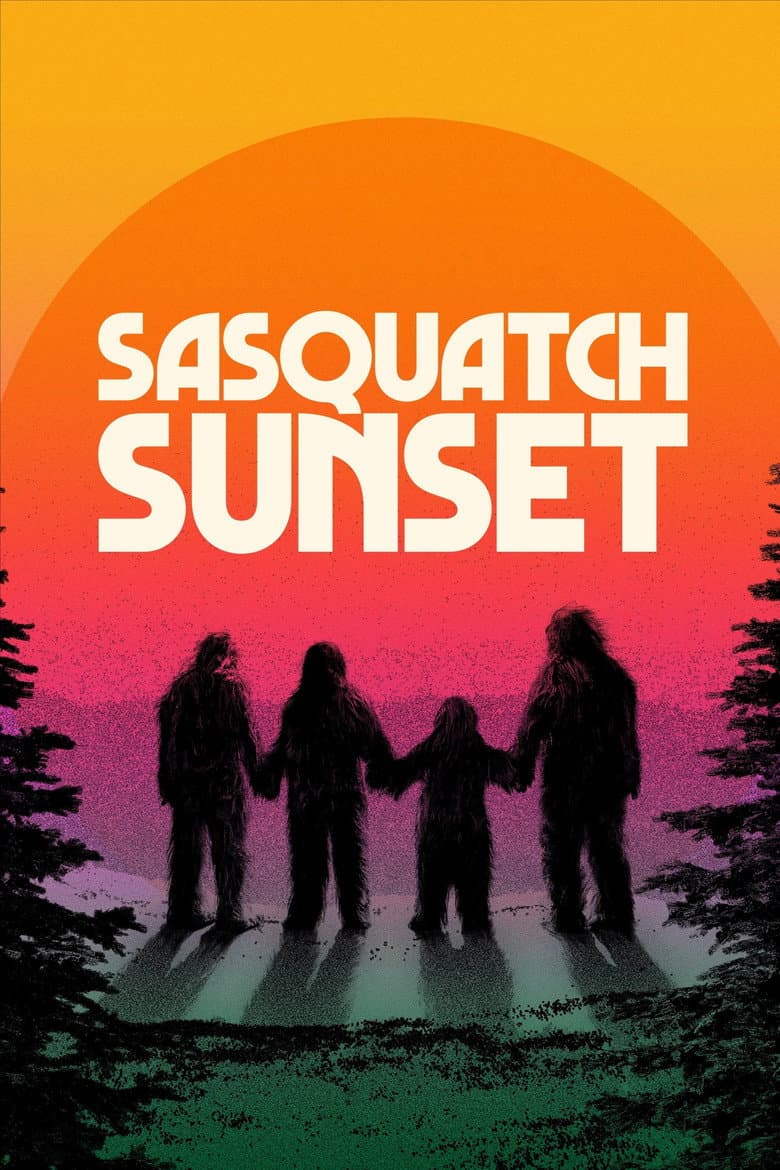
Sasquatch Sunset follows a small Bigfoot family through one year in the forests of the Pacific Northwest. A quiet adult male lives under the control of an older leader, while a mother protects a young son and later a newborn. The group searches for food, shelter, safety, and signs that other Bigfoots still live nearby. The film uses grunts, cries, gestures, and long views of nature instead of normal speech, so it feels funny, sad, and strange.
The family’s days include mating, pregnancy, birth, nursing, play, grief, fighting, and danger from traps, roads, weather, and predators. A new baby gives the group hope, while hunger and changes to the land make survival harder. The story treats the Bigfoots as a small and fragile people who may be close to disappearing. Its themes are family loyalty, loneliness, the wish to find others, and the harm caused when people change the wild.
Community feedback
Was our 5% Woke rating accurate?
Breakdown
These are the editorial factors and ratings behind our score for Sasquatch Sunset.
Woke representation / casting
Not present. The four leading creatures are played by Riley Keough, Jesse Eisenberg, Nathan Zellner, and Christophe Zajac-Denek. The film does not frame the casting as diversity, empowerment, or identity representation.
0%
Woke political dialogue
Not present. The film has no spoken dialogue, slogans, or modern identity talk. The characters communicate through animal sounds and movement.
0%
Identity-driven story themes
Not present. The story centers on survival, family, birth, grief, loneliness, and the human impact on nature. It does not make race, gender, sexuality, DEI, or identity politics the basis of its story.
0%
Western institutional / cultural critique
Not present. The older male acts aggressively inside the group, but the film presents this as animal behavior. It does not attack Western institutions, Christianity, family norms, or capitalism with modern activist language.
0%
Woke character or canon changes
Not relevant. The film uses the general Bigfoot legend but does not change a named character, known canon, or historical figure around race, gender, or sexuality.
0%
Anti-woke backlash and complaints
Not present. Reviews and audience posts complained about the film’s silence, sex, nudity, bodily fluids, and slow pace. No reported complaint said the film was pushing woke, DEI, or identity politics.
0%
Creator track record context
The Zellner brothers mainly make unusual stories about outsiders and belonging. They have no clear public record of activist or identity-politics advocacy. Several producers have backed films about Indigenous, Asian-American, LGBTQ, or immigrant life. This adds mild background context, but the current film does not carry that focus.
25%
Production
Movie · 2023
Following the sudden death of his mother, a mild-mannered but anxiety-ridden man confronts his darkest fears as he embarks on an epic odyssey back home.
Movie · 2023
Hapless family man Paul Matthews finds his life turned upside down when millions of strangers suddenly start seeing him in their dreams.
Movie · 2022
When a team of mercenaries breaks into a wealthy family compound on Christmas Eve, taking everyone inside hostage, the team isn’t prepared for a surprise combatant: Santa Claus is…
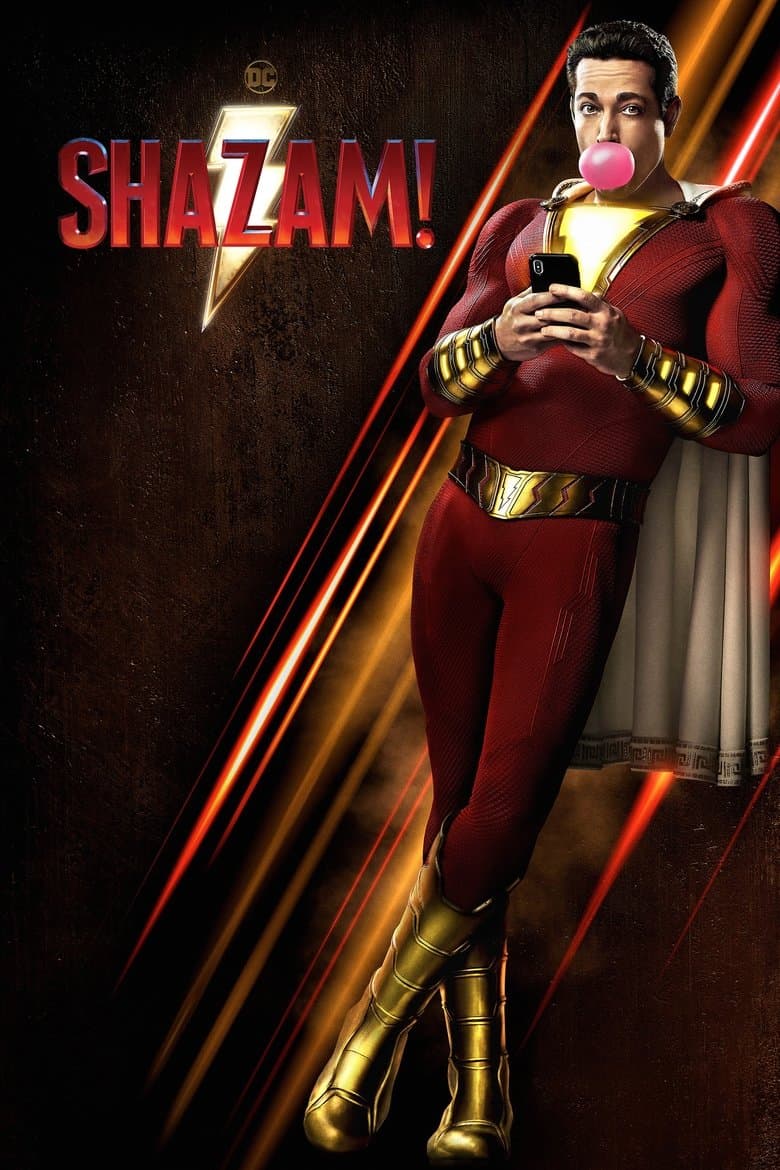
Movie · 2019
A boy is given the ability to become an adult superhero in times of need with a single magic word.
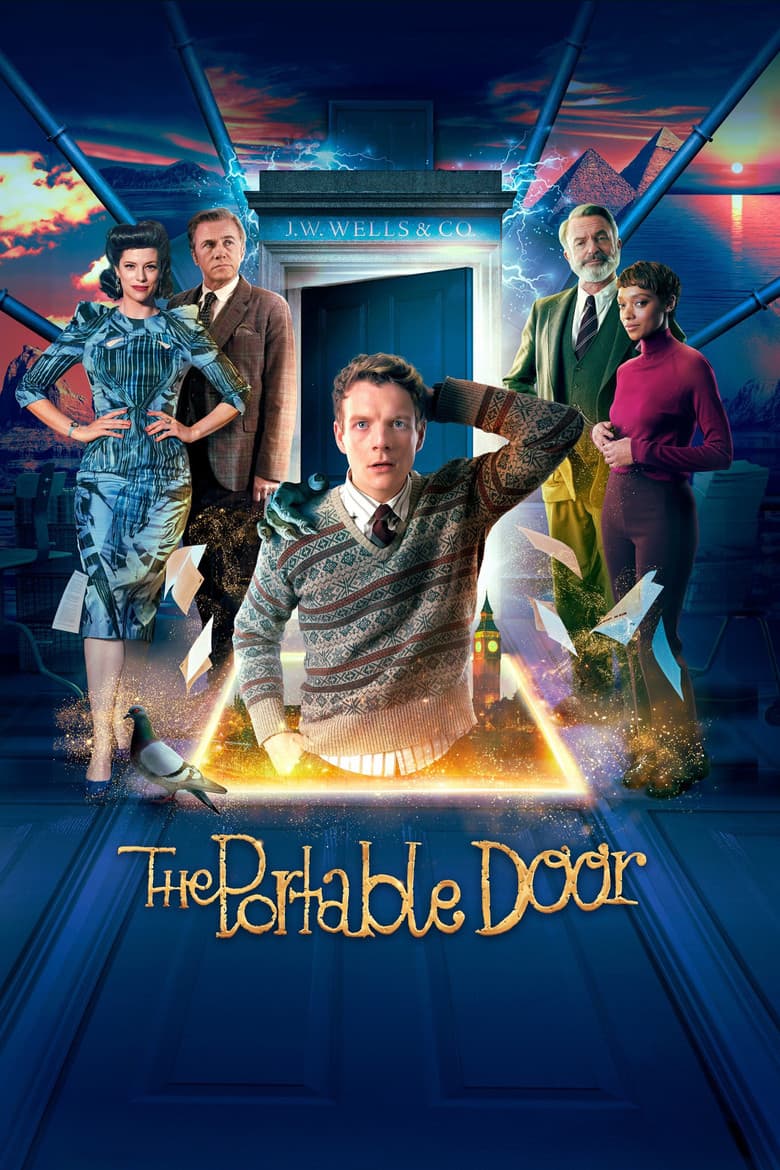
Movie · 2023
Paul and Sophie, interns at a mysterious London firm, become steadily aware their employers Humphrey and Dennis are anything but conventional – they are disrupting the world of…
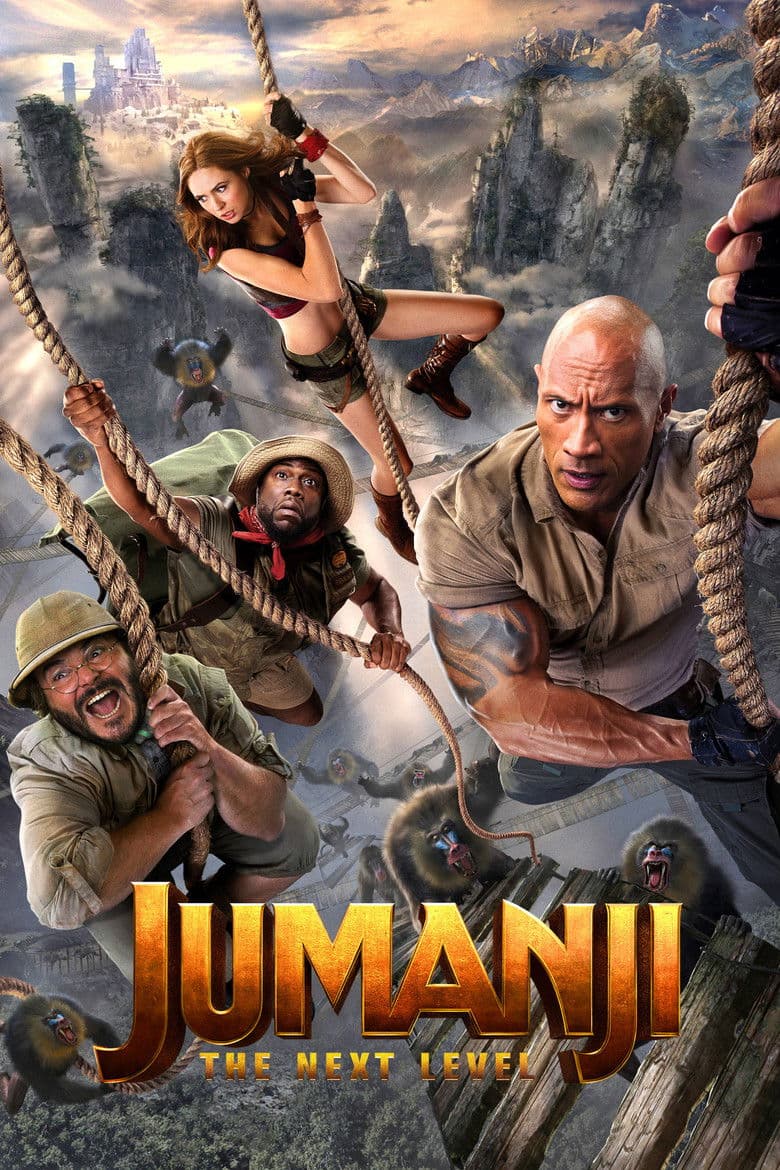
Movie · 2019
As the gang return to Jumanji to rescue one of their own, they discover that nothing is as they expect. The players will have to brave parts unknown and unexplored in order to…
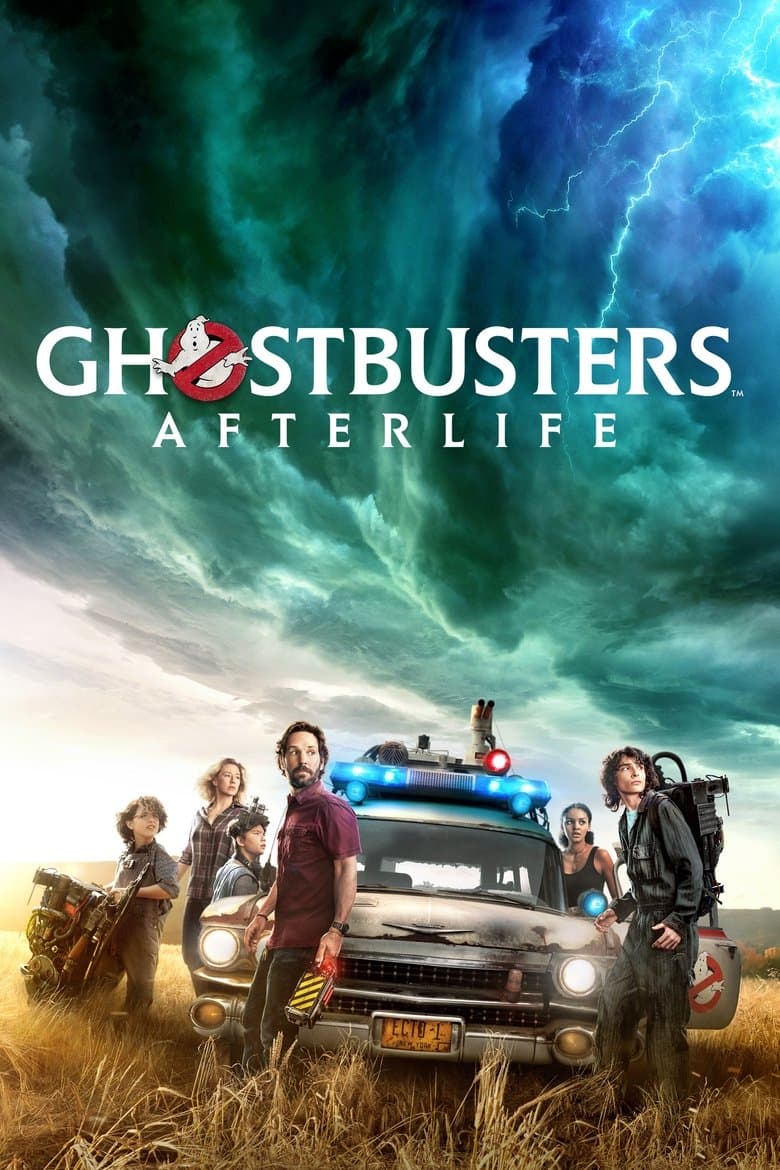
Movie · 2021
When single mom Callie and her two kids Trevor and Phoebe arrive in a small Oklahoma town, they begin to discover their connection to the original Ghostbusters and the secret…
Movie · 2025
The Demon Slayer Corps are drawn into the Infinity Castle, where Tanjiro, Nezuko, and the Hashira face terrifying Upper Rank demons in a desperate fight as the final battle…
