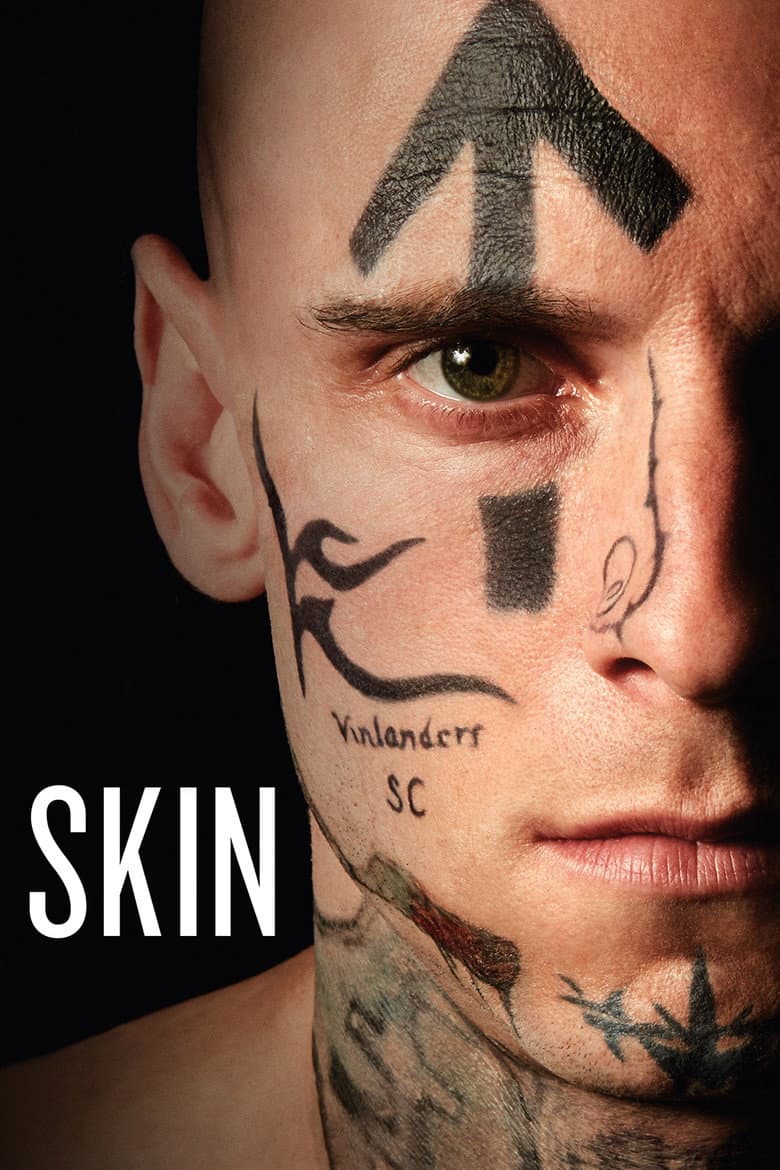
Skin follows Bryon Widner, a young man who was raised by violent white supremacists in Ohio. He has racist tattoos across his face and body, and he helps attack people who do not fit his group’s beliefs. After he meets Julie, a mother with three daughters, he begins to question the gang that treated him as family. The grim drama follows his escape, the danger around his new family, and the painful work of removing his tattoos.
Race and identity shape the main conflict from the opening rally to the final scenes. The film condemns white supremacy and shows Daryle Jenkins, a black anti-hate activist, helping Bryon leave the movement and work with the FBI. It treats racism as learned inside a violent group and presents tolerance, inclusion, and personal change as the path forward. These ideas are central to the plot, but the film stays focused on one man’s redemption, family life, and struggle to live with the harm he caused.
Community feedback
Was our 59% Woke rating accurate?
Breakdown
These are the editorial factors and ratings behind our score for Skin.
Woke representation / casting
Not present. The lead roles fit the real people and the Ohio setting. Mike Colter plays Black anti-hate activist Daryle Lamont Jenkins, the real helper in the story. The film does not present this casting as a diversity campaign or build a broad identity-based hero group.
0%
Woke political dialogue
Several scenes use direct talk about racism, hate groups, and leaving extremism. Daryle speaks as an anti-hate activist and guides Bryon toward helping others escape. The ending presents tolerance and inclusion as the lesson of Bryon’s public work. The film also gives political speeches to white supremacists, but those lines show the villains’ beliefs rather than woke ideas.
30%
Identity-driven story themes
Race and identity drive the whole story. Bryon begins as a violent white supremacist and must face the harm he caused to black people, Muslims, and other targets of his group. A black activist helps him leave, while Julie’s family and the removal of his racist tattoos mark his break from the movement. The film presents learned racism as something that can be rejected and treats tolerance and inclusion as the desired result.
67%
Western institutional / cultural critique
The film presents the white-supremacist group as a violent false family led by controlling men. The group links race hatred to public politics when Fred seeks a seat in Congress. The story criticizes abusive power and racist social rules, but it does not make a broad attack on Christianity, capitalism, or Western institutions.
34%
Woke character or canon changes
Not relevant. The movie is a loose version of Bryon Widner’s life. It does not swap a real person’s race, sex, or identity, and it does not change a known fictional character.
0%
Anti-woke backlash and complaints
Not present. The feature did not produce a clear anti-woke or right-leaning campaign in the release coverage reviewed. Small online complaints about its treatment of white supremacists were scattered and did not clearly call the film woke or DEI.
0%
Creator track record context
Guy Nattiv has a repeated record of films about racism, antisemitism, political violence, and opposition to oppression. His interviews frame Skin as a message about the roots of intolerance and the chance to bring people together. Jaime Ray Newman and several cached producers have worked on socially aware race, identity, or LGBTQ representation projects. Other producers have broad or non-activist careers, so the overall creator context is meaningful but mixed.
58%
Production
Movie · 2016
James, down on his luck and desperate for some quick cash, agrees to drive a small truck across country. He soon realizes that he's made a huge mistake and has inadvertently…
Movie · 2019
Blue Story is a tragic tale of a friendship between Timmy and Marco, two young boys from opposing postcodes. Timmy, a shy, smart, naive and timid young boy from Deptford, goes to…

Movie · 2024
An expat PI is hired to investigate a suspicious death in Crete, Greece, where jealousies run deep amongst the victim's powerful family.
Movie · 2019
A bullied teenage girl forms an unlikely friendship with a mysterious young man who protects her from her assailants, while she copes with the pressures of her final examinations.

Movie · 2018
Seasoned musician Jackson Maine discovers — and falls in love with — struggling artist Ally. She has just about given up on her dream to make it big as a singer — until Jack…
Movie · 2018
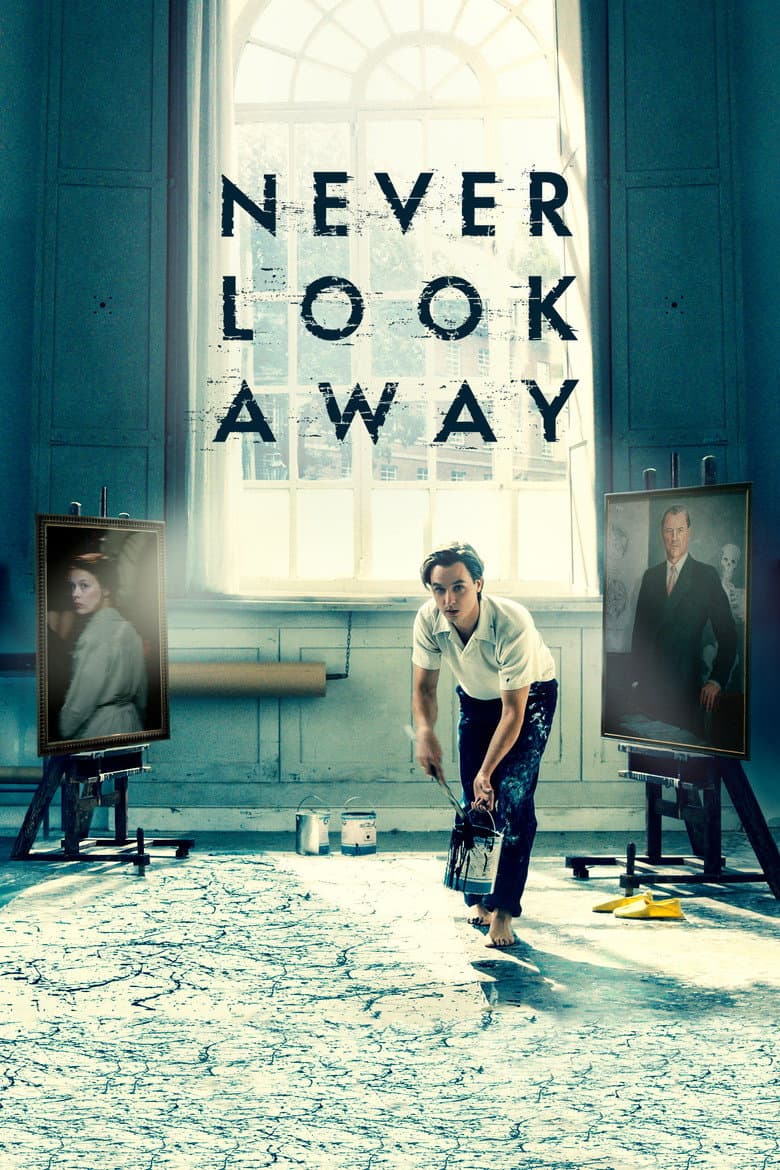
German artist Kurt Barnert has escaped East Germany and now lives in West Germany, but is tormented by his childhood under the Nazis and the GDR regime.

Movie · 2016
Meeting by chance when they return to their tiny California hometown, two former high-school sweethearts reflect on their shared past.

Movie · 2018
A man and a woman meet in the ruins of post-war Poland. With vastly different backgrounds and temperaments, they are fatally mismatched and yet drawn to each other.
