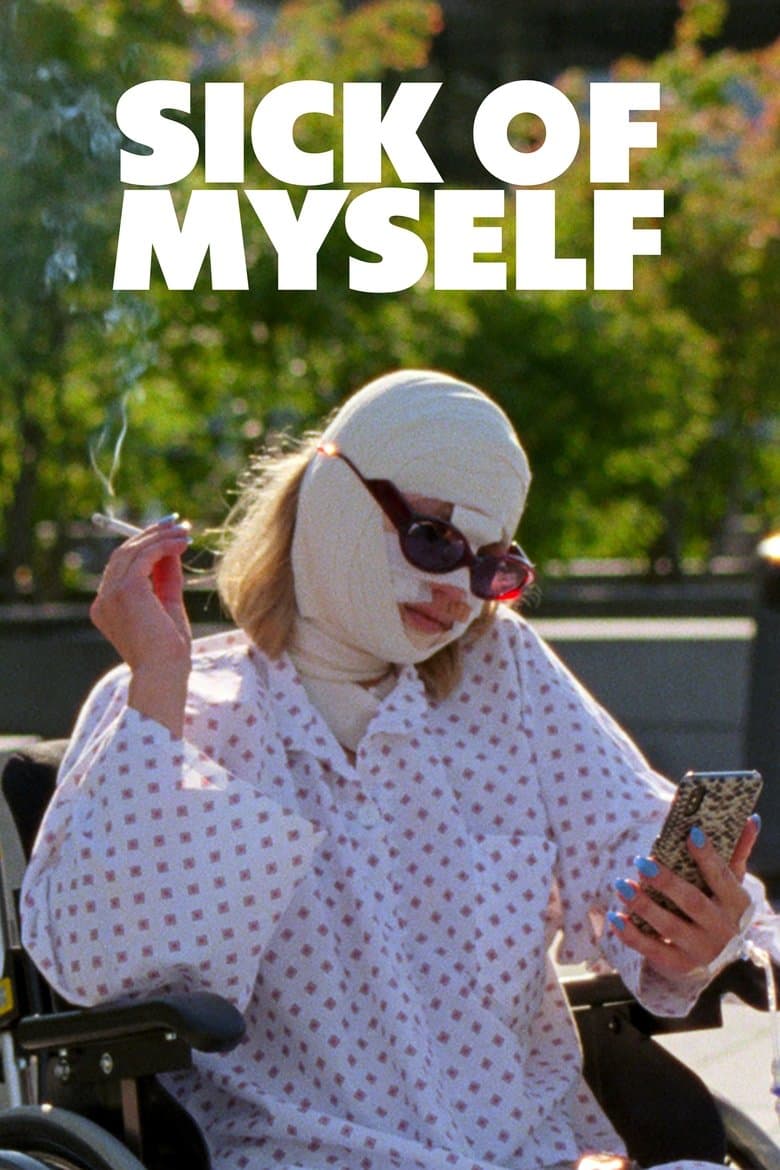
Signe works in a café in Oslo while her boyfriend, Thomas, becomes famous for art made from stolen furniture. She feels pushed into the background, so she fakes an allergy and later takes a dangerous drug that gives her a terrible skin disease. She uses the illness to win pity, news coverage, and a place in the fashion world. The film is a very dark comedy that turns into body horror as the couple compete to control every room.
The film makes modern victim culture and inclusive fashion part of Signe's plan for attention. A modeling agency praises new body types and says it wants to stop people with unusual looks from being left out. Signe treats this language as a business chance and keeps hurting herself to stay at the center. The story mocks her lies, the media, and brands that turn suffering into fame, while its main target remains self-obsession and the need to be seen.
Community feedback
Was our 40% Woke rating accurate?
Breakdown
These are the editorial factors and ratings behind our score for Sick of Myself.
Woke representation / casting
The fashion agency hires Signe after her disfigured appearance becomes public. The agency also features a model with a limb difference and a blind assistant. The film openly links these choices to inclusivity and gender-neutral clothing. These roles are limited to the fashion storyline, and the main cast does not follow a broad representation pattern.
18%
Woke political dialogue
The fashion agent says she wants to focus on inclusivity. She describes the brand as inclusive, gender-neutral, and made in big sizes. Signe calls Marte privileged when Marte attacks her choices, and a friend questions the trend of showing victims. These lines are concentrated in the fashion and confession scenes rather than spread through the whole movie.
31%
Identity-driven story themes
The film makes victim status and inclusive fashion central to Signe's plan for attention. She harms herself, sells her illness to the press, and enters a modeling world that praises people outside old beauty rules. The story treats this system as a chance for fame and a shallow business, not as a clear moral good. This thread drives much of the second half, but jealousy, self-obsession, and online fame remain the main subjects.
42%
Western institutional / cultural critique
The film mocks social media, news outlets, fashion brands, and the art scene for turning pain into attention and money. It shows an agency that claims to support inclusion while its blind worker is treated badly. Signe also uses words like victim and privilege to defend cruel choices. The criticism targets shallow modern culture and personal greed more than conservative beliefs or Western institutions as a whole.
34%
Woke character or canon changes
Not relevant. The film is an original story, so it does not change an established character, canon, or real historical figure.
0%
Anti-woke backlash and complaints
A niche Reddit post objected to the film's inclusive modeling contract and attacked its message about unusual bodies and modern inclusion. The complaint linked to a small review and did not produce a wider news story or organized campaign. The supplied X research found no anti-woke complaints, and other audience discussion mainly focused on the satire.
8%
Creator track record context
The cached creator scores are low, with Borgli at 7/100 and the listed producers and casting directors between 0 and 15/100. Their profiles show dark satire and regular film work, not a strong record of DEI or activist campaigns. Borgli's interviews mention inclusivity and victimhood because they are subjects in this movie, while the lead actor's interviews focus on loneliness, jealousy, and an unlikeable female antihero.
10%
Production
Movie · 2022
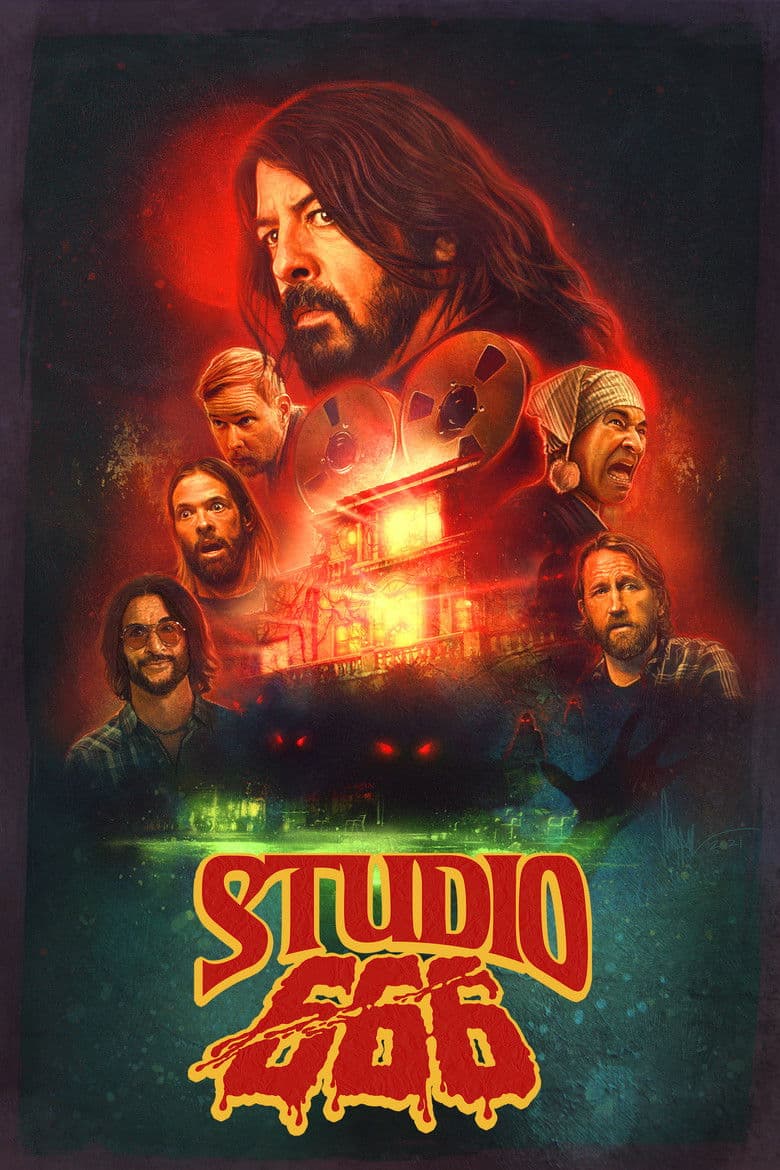
Legendary rock band Foo Fighters move into an Encino mansion steeped in grisly rock and roll history to record their much anticipated 10th album.
Movie · 2018
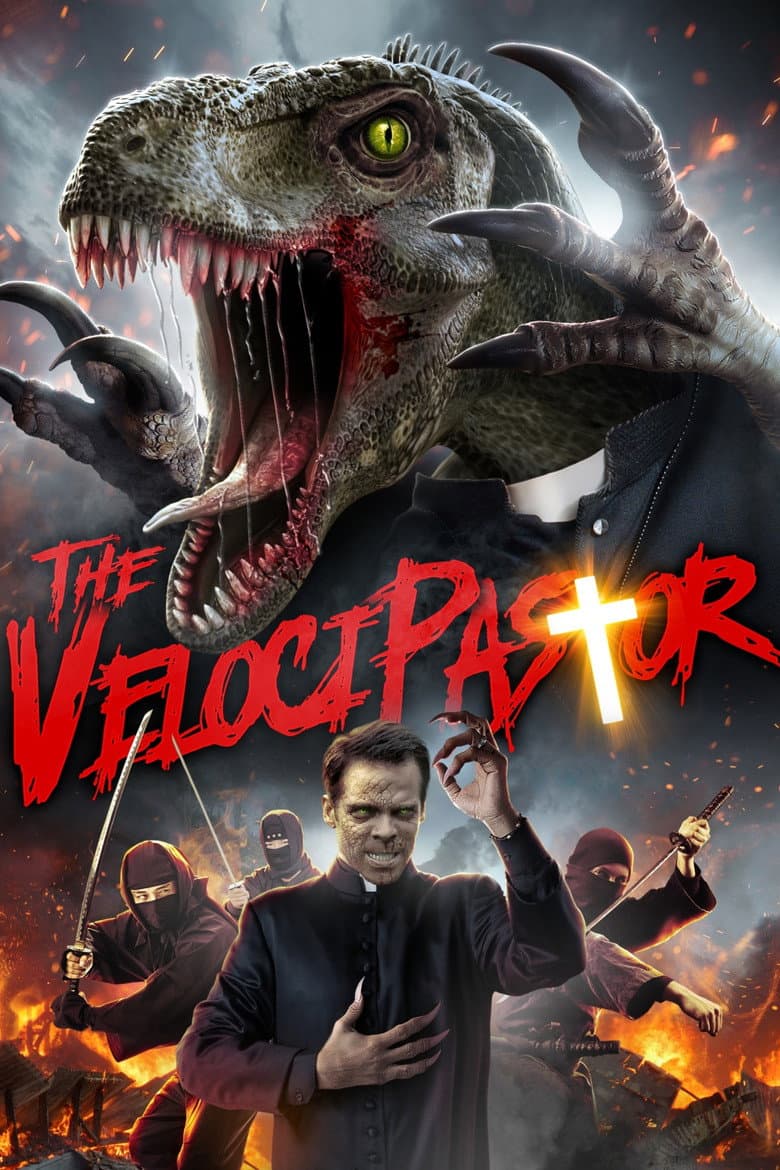
After losing his parents, a priest travels to China, where he inherits a mysterious ability to turn into a dinosaur.
Movie · 2018
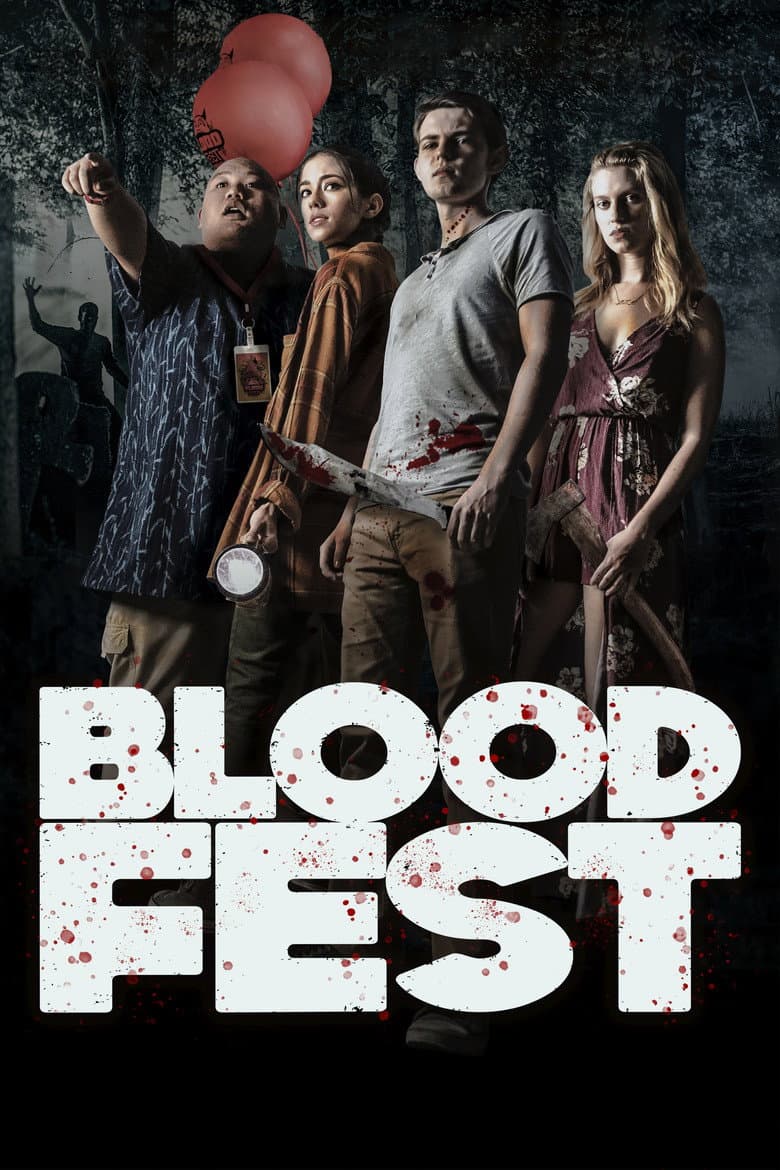
Fans flock to a festival celebrating the most iconic horror movies, only to discover that the charismatic showman behind the event has a diabolical agenda.
Movie · 2022
A college reunion goes awry when Pete suspects his friends may be out to get him... As their weekend getaway grows more and more uncomfortable, should Pete be worried about his…
Movie · 2024
A live broadcast of a late-night talk show in 1977 goes horribly wrong, unleashing evil into the nation's living rooms.
Movie · 2019
When their car breaks down, a couple on the run headed southbound for a fresh start in the Sunshine State break into a nearby house looking for a new set of wheels.
Movie · 2016
A stranger arrives in a little village and soon after a mysterious sickness starts spreading. A policeman is drawn into the incident and is forced to solve the mystery in order to…
Movie · 2017
Gary, who has just married Samantha, the woman of his dreams, discovers that her six-year-old son may be the Antichrist.
