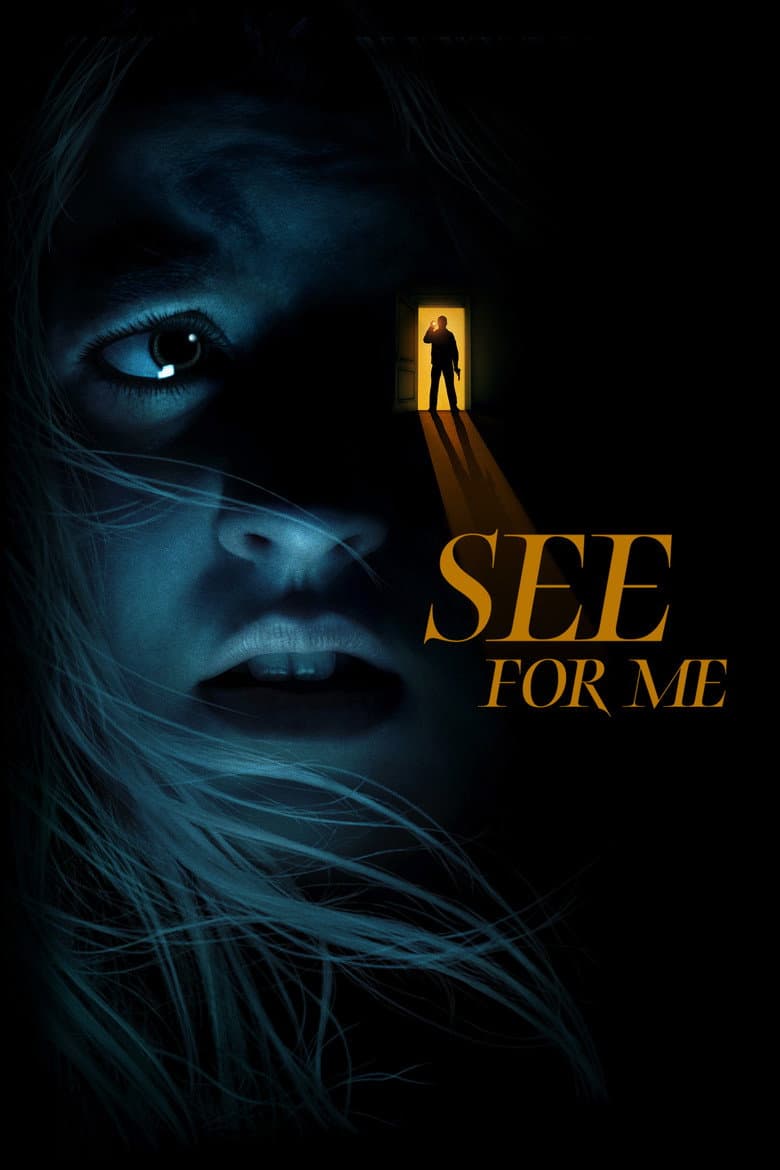
Sophie Scott is a blind former downhill skier who takes a cat-sitting job at a remote mansion. She is proud, angry, and willing to steal expensive wine from her rich clients. Three male thieves break in for a hidden safe, and Sophie must decide whether to escape or bargain for part of the money. The film plays as a dark and tense home-invasion thriller built around sound, phones, and a large house at night.
Disability representation is at the center of the story because Sophie’s blindness shapes every danger and choice. The film shows her as capable but flawed, and her main lesson is that accepting help does not make her weak. Kelly is a black female Army veteran and skilled gamer who guides Sophie through gunfights, while a female deputy also faces the thieves. The film gives these women strong roles, but it does not use political speeches or turn the crime plot into a wider attack on men or society.
Community feedback
Was our 49% Woke rating accurate?
Breakdown
These are the editorial factors and ratings behind our score for See for Me.
Woke representation / casting
Two women drive almost every survival scene. Kelly is a Black Army veteran and skilled gamer who gives Sophie combat orders, while Sophie defeats an all-male robbery crew. The production cast a legally blind performer as its blind lead and publicly framed that choice as disability representation. Sophie makes serious mistakes and needs help, so the film does not present her as perfect.
42%
Woke political dialogue
Not present. The dialogue stays focused on theft, survival, disability, and trust. It does not include activist or party-political speeches.
0%
Identity-driven story themes
Sophie’s blindness shapes the premise, the danger, and her full character arc. The story rejects the helpless blind victim type by making her tough, angry, and morally flawed. Sophie learns that accepting help does not erase her independence, and she returns to skiing with a guide. The film keeps this disability theme central without turning it into a wider political cause.
62%
Western institutional / cultural critique
Not present. The rich homeowner and the male robbers serve a crime plot. The film does not attack capitalism, men, family, religion, police, or Western culture.
0%
Woke character or canon changes
Not relevant. This is an original story with no known source character or historical figure being changed.
0%
Anti-woke backlash and complaints
Not present. Broad web and audience-review searches showed no clear anti-woke or right-leaning complaints about the film.
0%
Creator track record context
Director Randall Okita has a strong record of work about race, memory, identity, and representation. Writers Adam Yorke and Tommy Gushue show little or no public activist history. The producers and casting team have mild records tied to diverse casts and crews. The director raises the group score, but the wider team keeps it moderate.
34%
Production
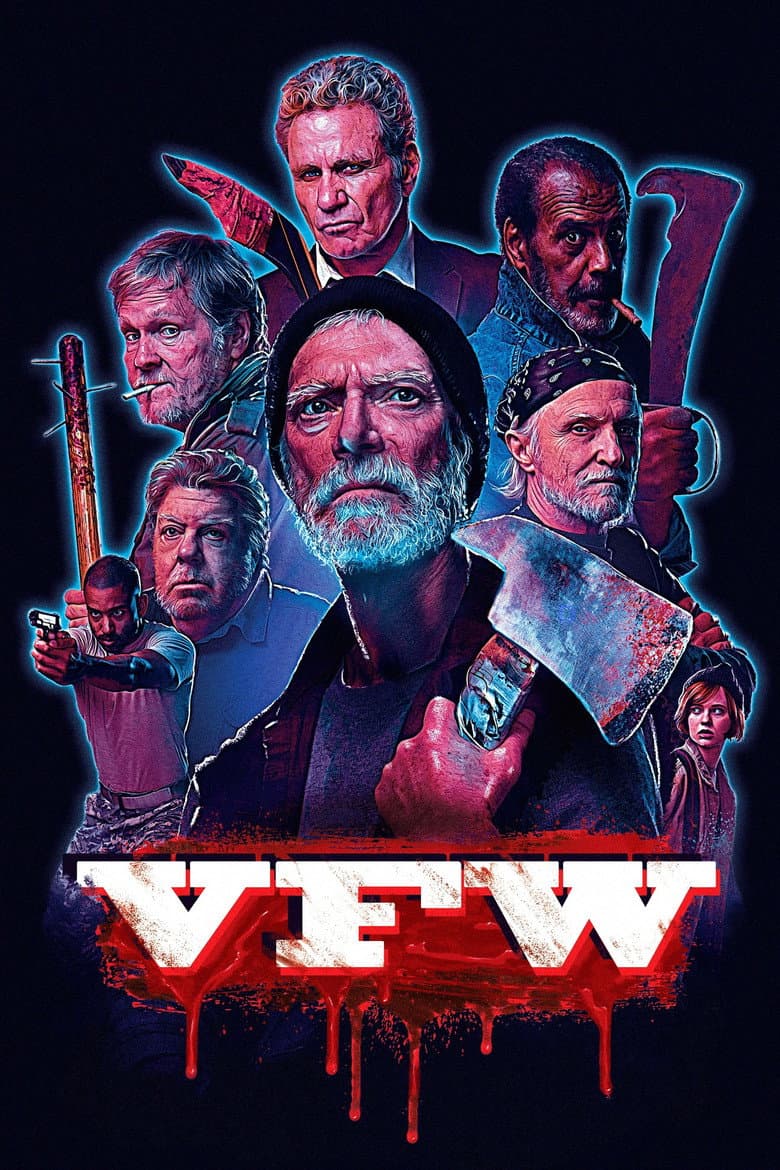
Movie · 2019
A typical night for veterans at a VFW turns into an all-out battle for survival when a desperate teen runs into the bar with a bag of stolen drugs.
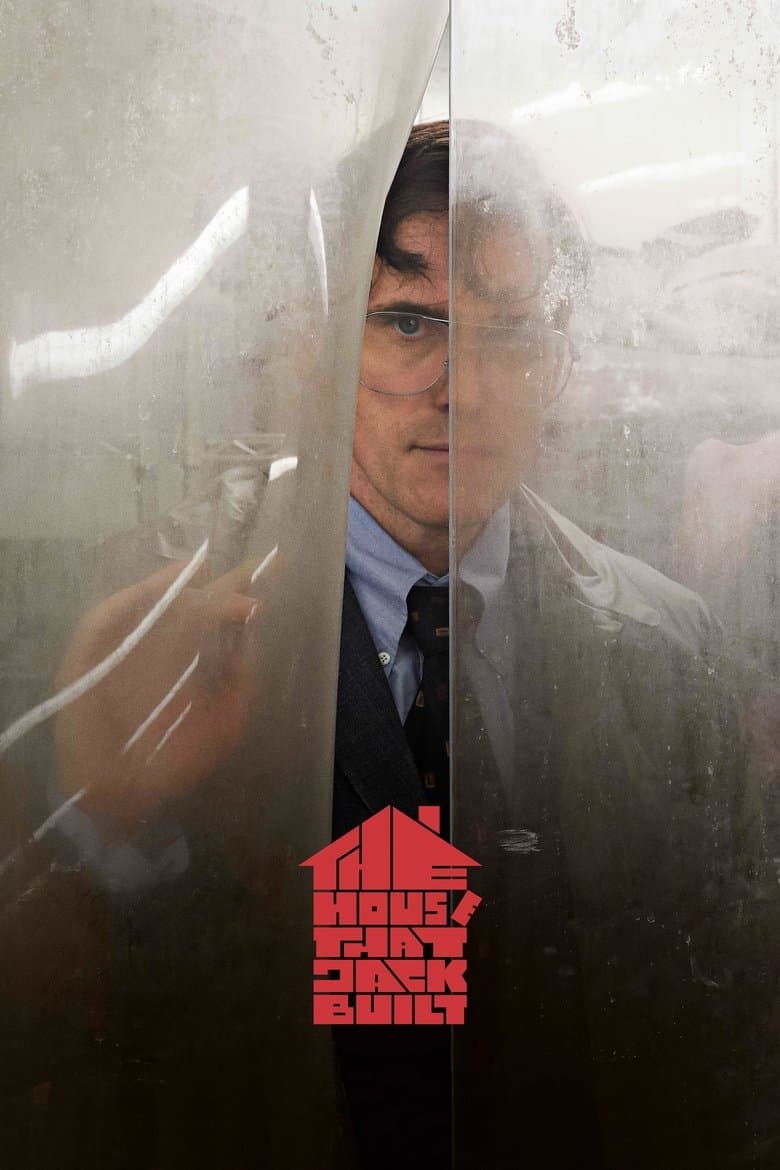
Movie · 2018
Failed architect, engineer and vicious murderer Jack narrates the details of some of his most elaborately orchestrated crimes, each of them a towering piece of art that defines…
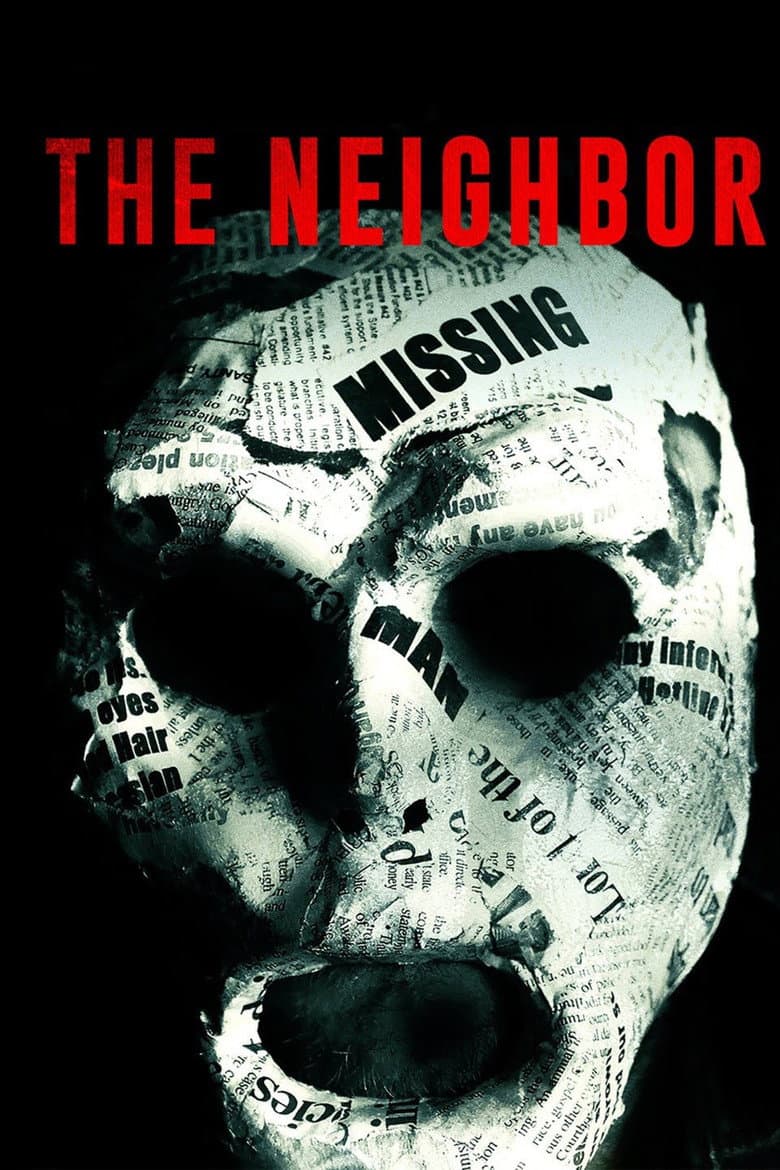
Movie · 2016
In the town of Cutter, most people keep to themselves. But when John comes home to find his girlfriend missing, he sneaks into his neighbor's house, finding his girlfriend and…
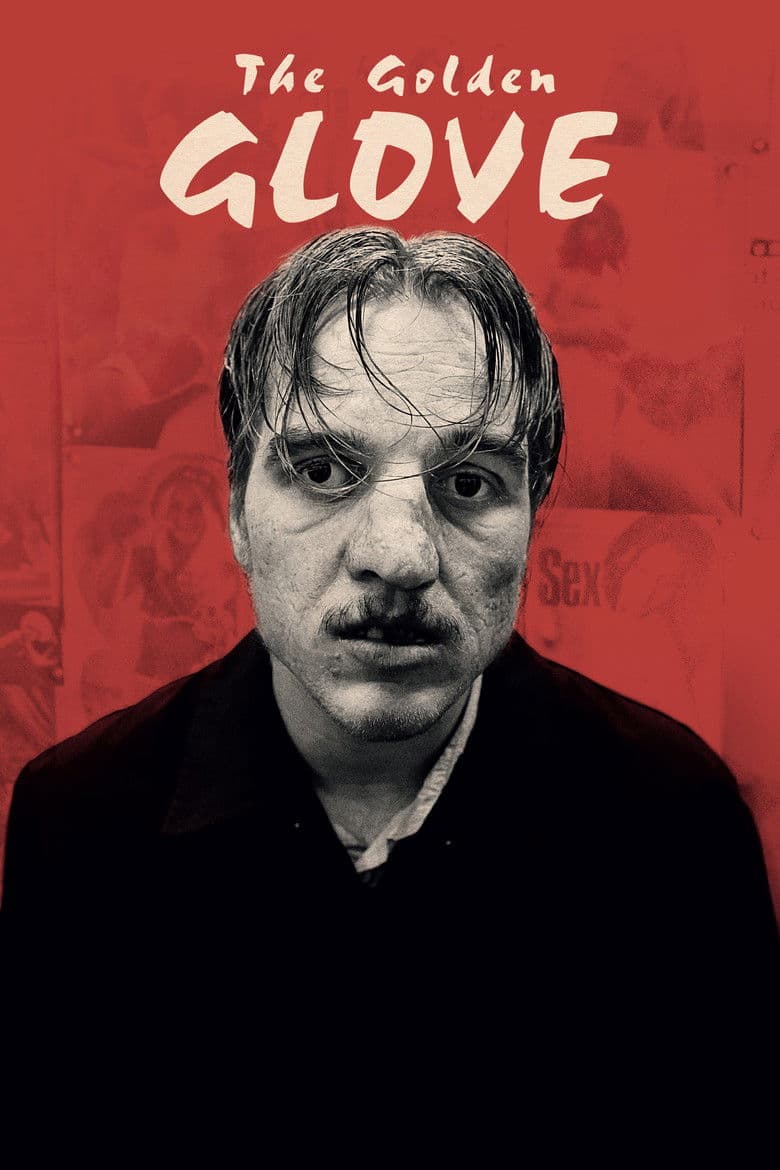
Movie · 2019
A serial killer strikes fear in the hearts of residents of Hamburg during the early 1970s.
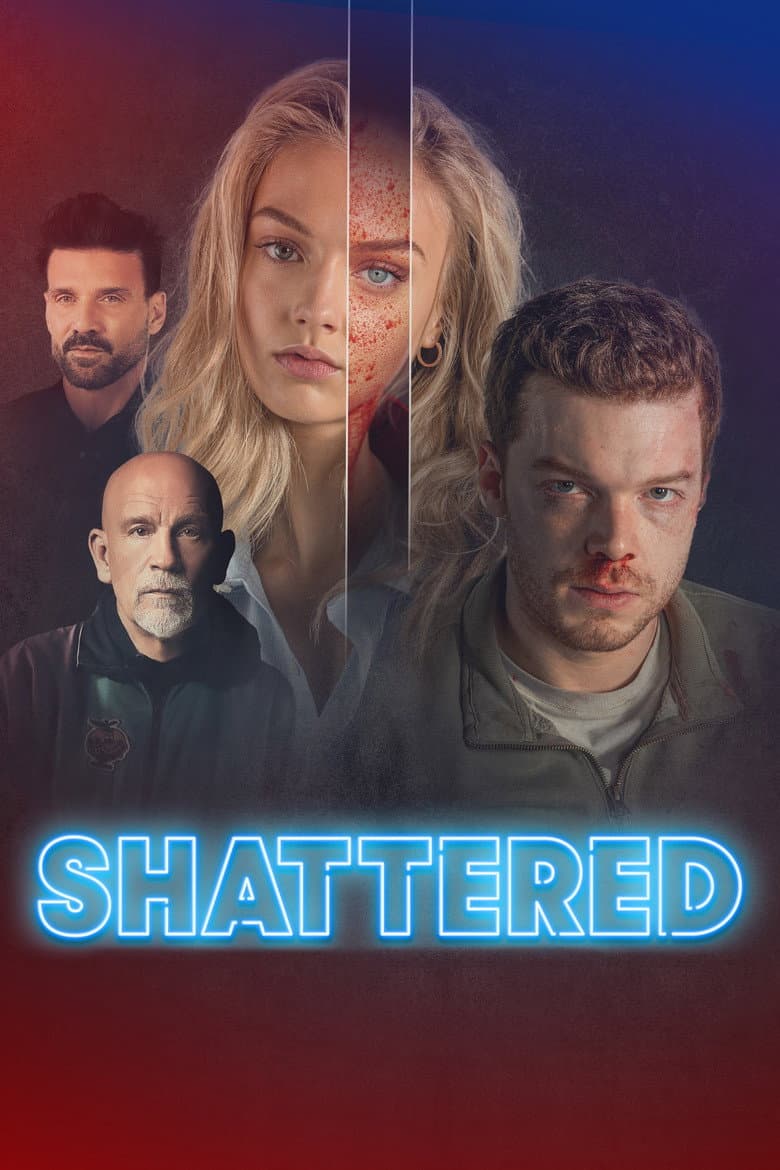
Movie · 2022
Chris, a wealthy divorcee, lives in a high-tech house of his own design in Montana. His life changes when he meets Sky, a mysterious young woman who draws him out of his shell and…
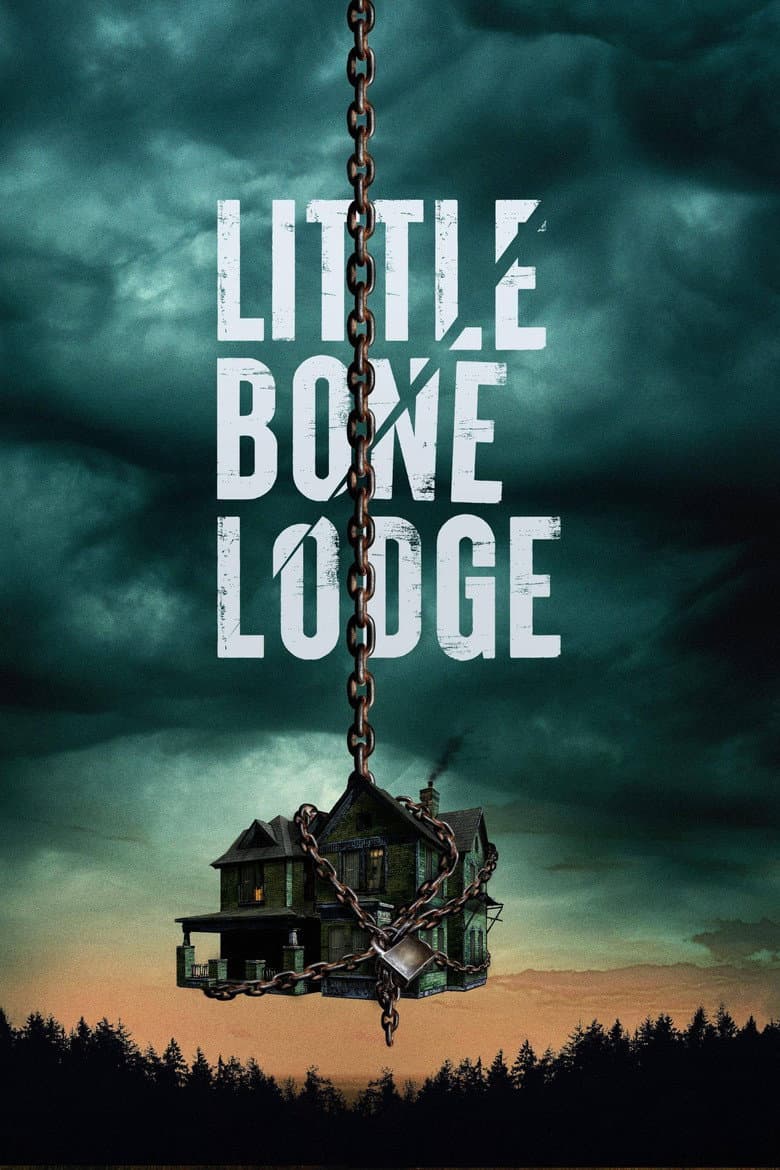
Movie · 2023
During a stormy night in the Scottish Highlands, two criminal brothers on the run seek refuge in a desolate farmhouse.
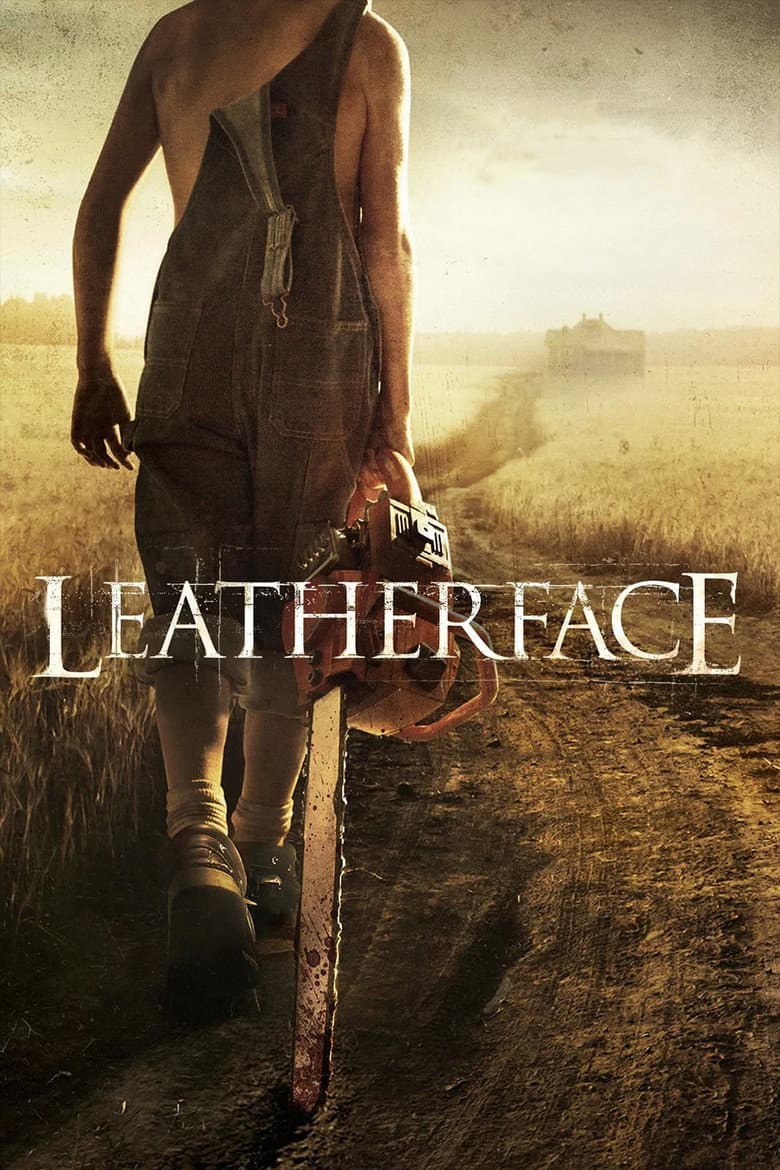
Movie · 2017
A young nurse is kidnapped by a group of violent teens who escape from a mental hospital and take her on the road trip from hell.
Movie · 2016
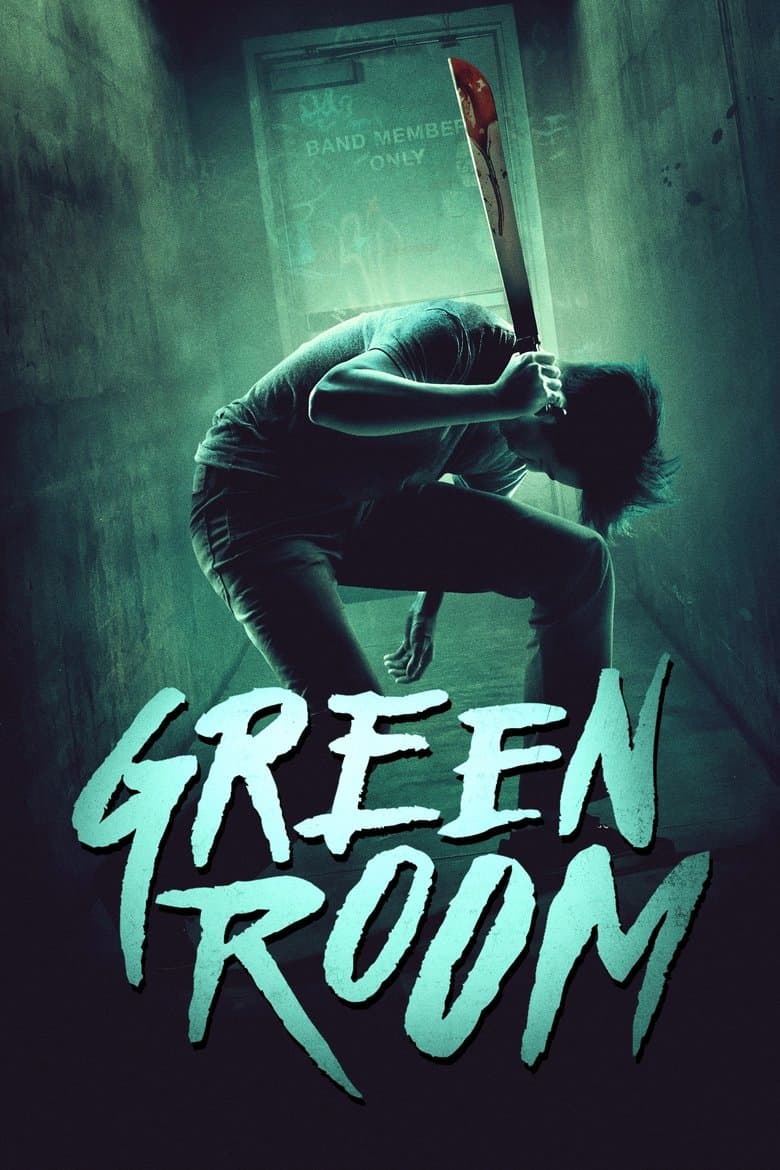
A punk rock band is forced to fight for survival after witnessing an act of violence at a skinhead bar.
